Best Backyard Hot Tubs: A Complete Buying Guide for 2026
Disclosure: We may earn a commission when you buy through links on this page, at no extra cost to you. As an Amazon Associate I earn from qualifying purchases. Learn more

Best backyard hot tubs compared by type, size, running costs and installation needs for your yard and budget.
A hot tub turns a backyard into a year round retreat, but the right one depends on your space, budget and how you plan to soak. The best backyard hot tubs balance seating, comfort, running costs and installation needs, rather than simply offering the most jets. This guide explains the main types and the checks that matter before you buy.
Use the table of picks below to compare typical styles and prices, then read on to match a tub to your yard and routine.





Types of Backyard Hot Tubs
Inflatable Hot Tubs
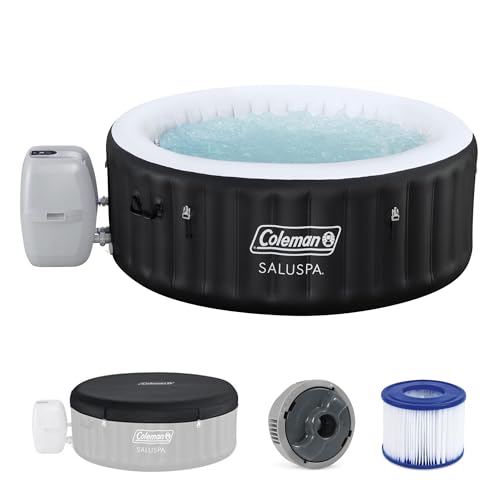
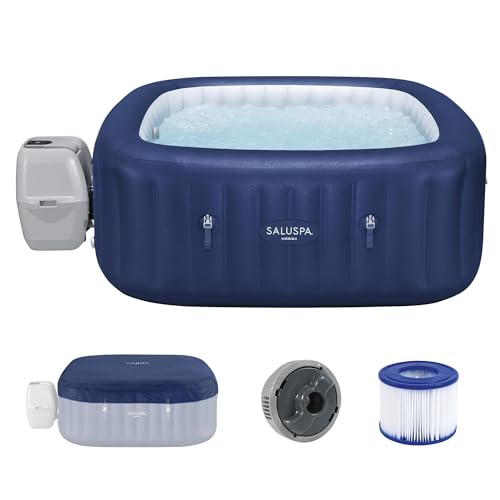
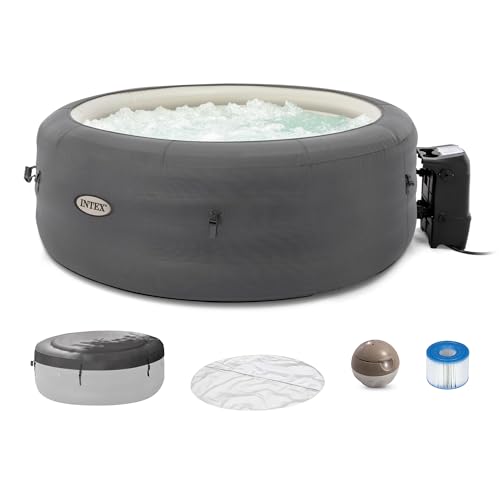
Inflatable tubs are the cheapest way in, often around $400 to $900. They set up in under an hour, plug into a standard outlet and pack away for storage. Seating is usually for two to six people, and air jets give a gentle bubble massage rather than strong hydrotherapy. They lose heat faster than rigid tubs, so use the insulated cover and a ground cloth.
Plug and Play Rigid Tubs
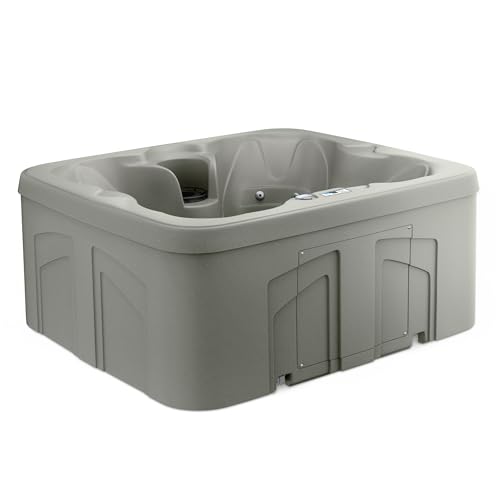
Plug and play models use a 110 or 120 volt connection, so no special wiring is needed, though they heat more slowly. Prices often range from about $3,000 to $5,000. They offer molded seats, real jets and a rigid shell with better insulation than inflatables.
Full Size Acrylic Spas
Premium acrylic spas typically run on a 240 volt circuit and can cost from $5,000 to well over $10,000. They provide powerful hydrotherapy jets, ergonomic seating, quiet pumps and strong insulation. They need a professional electrician, a solid base and often a permit.
Size and Seating That Fits
Count the regular users and check seat depth and legroom, because a tub that seats six on paper can feel cramped when everyone stretches out. Measure your space and allow clear access for delivery, service and a safe path to the door. Two to four seats suit most couples and small families, while larger gatherings need six or more.
Running Costs and Insulation
Good insulation, a tight cover and an efficient heater keep electricity use down, and these costs matter more over years than the purchase price. A cover with proper thickness and a seal around the edge saves the most heat. Expect running costs to rise in cold climates, and keep the tub covered whenever it is not in use.
Jets and Comfort
Jet placement and adjustable flow matter more than jet count. Check whether jets hit the shoulders and lower back where you want relief, and whether you can adjust or divert them. Comfortable seats, a good headrest and a cup holder or shelf are small details that make a tub more enjoyable.
Installation and Base Needs
Inflatable tubs need a flat, clear surface, preferably with a ground cover. Rigid tubs need a level, solid base such as a concrete pad or a spa pad, and a proper electrical supply installed by a licensed electrician to local code. Check local rules on fences, barriers and permits, and make sure the path to the yard is wide enough for delivery.
Water Care Routine
A simple routine keeps water clear and safe: test the water regularly, sanitize with chlorine or bromine as directed, balance pH and alkalinity, and clean or replace the filter on schedule. Drain and refill every few months, following the maker's instructions. A tub with easy filter access makes the routine far easier.
Safety Around Water and Heat
Supervise children at all times, keep the cover locked when not in use, and limit soak time in very hot water. Keep the water at or below the temperature the manufacturer recommends. People with heart or circulation concerns, pregnant women and anyone on medication should ask a doctor before using a hot tub. Never use a hot tub after alcohol, and keep electrical devices away from the water.
Budget and Ownership Costs
The best backyard hot tubs are not always the most expensive. An inflatable tub is a low risk way to try soaking before committing, while a rigid or acrylic tub is a long term investment that adds comfort and sometimes resale appeal. Beyond the purchase price, plan for a cover, steps, a ground pad or base, electrical work, chemicals, filters and electricity. Water chemistry products cost roughly $20 to $40 a month, and filters need replacing every few months. A good cover lifter and a locking lid make daily use easier and safer.
If you are unsure how often you will use a tub, start with a smaller model and upgrade later. Buying a tub that matches your real routine usually brings more satisfaction than buying the biggest one available.
Common Mistakes to Avoid
- Buying on jet count alone instead of checking seat comfort and jet placement.
- Ignoring running costs and the need for a tight cover.
- Skipping a level base and proper electrical supply.
- Forgetting to plan the delivery path before ordering.
- Neglecting water testing, which leads to cloudy or unsafe water.
Related Guides
For nearby choices, see our guides to the best outdoor hot tubs, the best inexpensive hot tubs and the best jacuzzi hot tubs.
FAQ
What size hot tub fits a small backyard?
A two to four person tub with a footprint of about 6 to 7 feet fits most small yards. Add clear space around it for access and service.
How much does a hot tub cost to run?
Costs depend on insulation, cover quality, climate and usage. Rigid tubs with good insulation cost less to heat than inflatables, but expect the electricity bill to rise in winter.
Are more jets better in a hot tub?
Not necessarily. Placement, flow control and seat shape matter more than the number of jets.
Do hot tubs need a concrete base?
Rigid tubs need a level, solid base that can support the weight of the water and people. Inflatables can sit on a flat, clear surface with a ground cover.
How do I keep hot tub water safe?
Test the water regularly, sanitize and balance it as directed, and clean the filter. Follow the maker's care guide.
Final Thoughts
Pick the type that fits your space and budget, plan the base and power supply early, and budget for running costs and water care. With those choices clear, the best backyard hot tubs in the table above are easy to compare. Use this guide as a checklist before you order.