Best Backpacking Sandals at Every Price: What Your Money Really Gets You for 2026
Disclosure: We may earn a commission when you buy through links on this page, at no extra cost to you. As an Amazon Associate I earn from qualifying purchases. Learn more

Compare the best backpacking sandals by cushioning, straps, grip, and weight to find a pair for camp or trail.
Sandals are one of the lightest ways to give your feet a break on the trail, and the best backpacking sandals do more than one job. They serve as camp shoes after a long day in boots, as stream crossing footwear, and for some hikers as the main trail shoe on warm, well maintained routes. This guide explains the types, the features that matter, and how much to spend, so you can pick a pair that fits your trips.
Start with the product table to compare current models, then use the sections below to match one to your feet and your route.




How to Choose the Best Backpacking Sandals
Cushioning and Support
Walking miles in sandals asks more of the footbed than a short stroll does. Look for a contoured footbed with real arch support and enough midsole cushioning to absorb impact on hard trail. Flat, thin soles feel light but tire the feet quickly under a loaded pack. If you plan to hike in them rather than just wear them at camp, favor a firmer, more supportive base.
Straps and Fit
Adjustable straps keep the foot locked in place on uneven ground, especially on descents and creek crossings. Three adjustment points, at the toes, midfoot, and heel, let you tune the fit and accommodate swelling feet late in the day. Check that straps do not rub the skin and that the buckles or hook and loop closures stay secure when wet.
Outsole Grip
A grippy rubber outsole with deep lugs matters on wet rock, mud, and loose gravel. Smooth soles slip easily, which is a bigger problem on trails than around camp. Look for a rubber compound that stays tacky when wet, and check how deep the lugs run if you will cross streams or hike steep sections.
Weight and Pack Size
Every ounce counts on a multi day trip. Minimalist sandals can weigh only a few ounces per pair and pack almost flat, while sturdier hiking sandals weigh more but protect and support better. Decide whether the sandals are a camp luxury or a trail shoe, then choose the weight that fits that role.
Toe Protection and Water Use
Closed toe styles protect against stubbed toes and loose rocks and are common on rocky routes. Open styles dry faster and ventilate better in heat. Whichever you choose, pick materials that dry quickly and do not hold odor, such as synthetic webbing and quick drying linings.
Types of Backpacking Sandals
Hiking Sandals
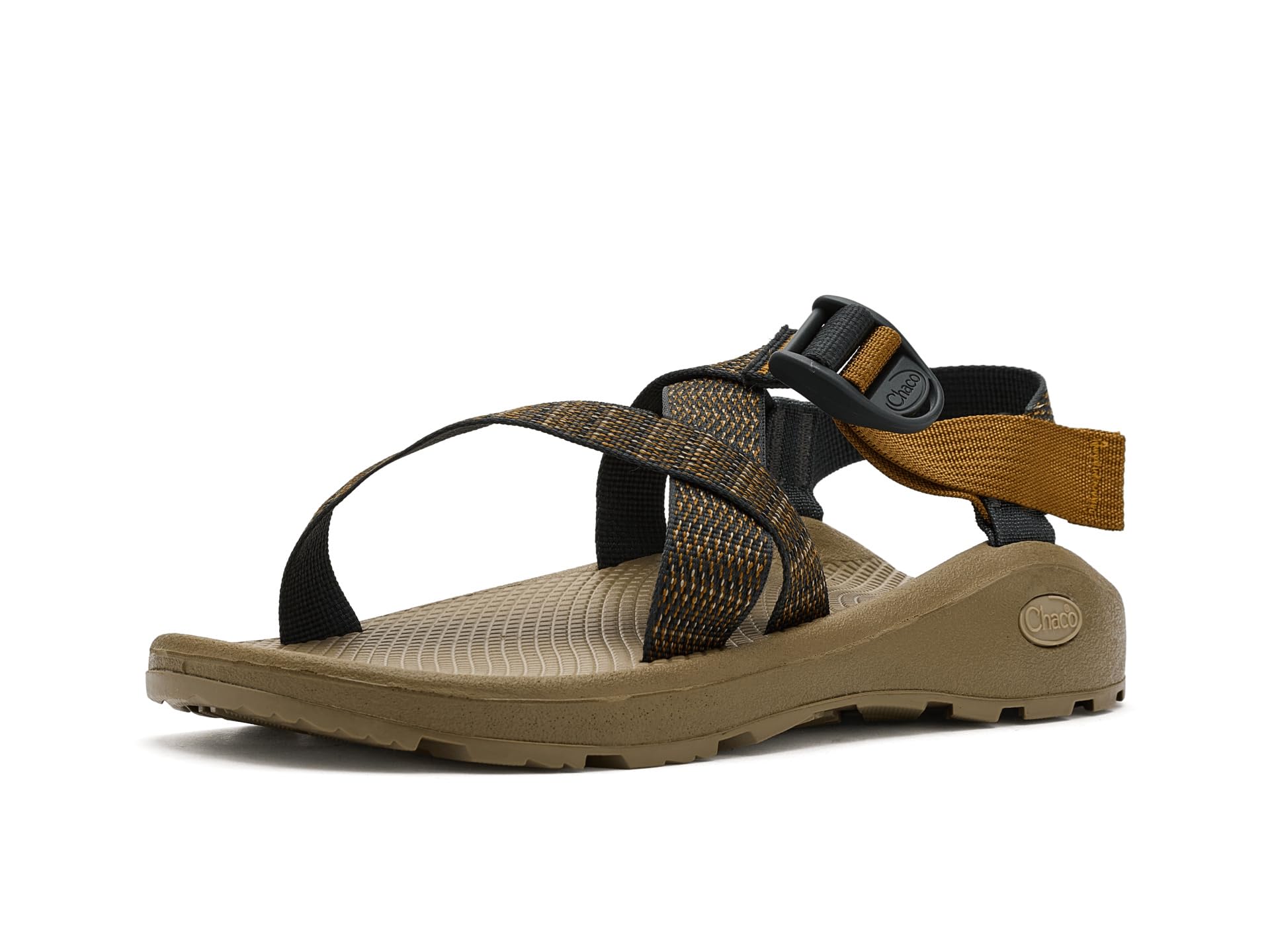
Hiking sandals have a molded footbed, thick midsole, and a lugged outsole. They are the best choice if you want to hike in sandals as well as relax in them, and they handle uneven terrain with the most stability.
Closed Toe Water Sandals
Closed toe water sandals combine a protective toe cap with drainage ports and quick drying materials. They suit trips with frequent wading and rocky creek beds, and they pair well with wool socks on cool mornings.
Minimalist Sandals
Minimalist sandals use a thin sole and simple strap system. They are very light and compact, and they suit hikers who like a close feel for the ground. They offer less cushioning, so they work best for camp use or short, easy trail days.
What Your Money Gets You at Each Price Level
Budget pairs under about $45 cover the basics with simpler footbeds and shorter lifespans, which suits occasional camp use. Between roughly $45 and $110 you find better cushioning, sturdier straps, and more durable rubber, which is where most backpackers should look. Premium pairs above about $110 add refined fit, high quality outsoles, and longer lasting materials for hikers who wear them daily.
Common Mistakes to Avoid
- Choosing sandals only for camp use and then hiking miles in them, which tires feet that need more support.
- Skipping the sizing check, because feet swell on long days and a snug fit in the morning can pinch by evening.
- Buying smooth soled sandals that slip on wet rock.
- Ignoring strap adjustability, which makes a secure fit hard to keep on descents.
- Wearing new sandals on a long trip without a short trial first.
Care Tips
Rinse sandals with clean water after trips and let them dry in the shade, since strong sun can weaken straps and glue over time. Wash the footbed with mild soap if it holds odor. Check straps and stitching before each trip, and replace the sandals when the tread wears smooth or the midsole stops cushioning.
Backpacking Sandals: Your Questions Answered
How should backpacking sandals fit?
They should hold the foot snugly with the heel resting in the footbed and the toes not hanging over the front. The straps should be tight enough to keep the foot from sliding, yet loose enough to avoid pressure points. Try them in the afternoon, when feet are slightly larger, and wear them with the socks you plan to use, if any.
Can I hike long distances in backpacking sandals?
Many hikers do, especially on warm and well maintained trails. Choose a supportive hiking sandal with a lugged outsole and break it in on short walks first. For rocky, cold, or muddy routes, boots or trail shoes are still the safer option.
Do I need waterproof sandals?
Waterproofing is not needed, because sandals are made to get wet. Quick drying materials matter more, along with drainage and a grippy outsole for wet rock.
How often should I replace my backpacking sandals?
Replace them when the outsole tread is worn smooth, the midsole feels flat, or the straps fray or stretch. With regular use this often means every two to four seasons.
Are expensive backpacking sandals worth it?
They can be if you wear them often, because better cushioning, fit, and outsole rubber last longer and feel better over miles. For occasional camp use, a mid priced pair is usually enough. See our guides to the best lightweight sandals for backpacking and the best Teva sandals for backpacking for more options.
Our Verdict
Match the sandal to the job: supportive and grippy for hiking, light and packable for camp. Check the fit, strap adjustment, and outsole first, and use the product table above to compare your shortlist. With those basics covered, the best backpacking sandals for your trips will be easy to spot.