Best Backpacking Coffee Makers 2026 Guide
Disclosure: We may earn a commission when you buy through links on this page, at no extra cost to you. As an Amazon Associate I earn from qualifying purchases. Learn more

Lightweight backpacking coffee makers for trail mornings. Compare weight, brewing method, fuel use, and pack size before you buy.
The best backpacking coffee makers brew a proper cup without weighing down your pack. Trail coffee is a small luxury that lifts a cold morning, but every gram counts when you carry everything on your back. The right maker balances weight, simplicity, and taste, and it should work with the stove and fuel you already carry.
The table of picks below lines up the main brewing methods, and this guide explains weight, fuel, and taste trade offs. Read it before buying, so your trail coffee is a pleasure rather than a packing regret.






Weight and Pack Size
Weight is the first filter for backpacking gear, and for the best backpacking coffee makers it decides almost everything. A coffee maker that weighs under 200 grams barely registers in a pack, while a heavier press or metal brewer adds up over miles. Pack size matters too: a maker that nests inside your pot or mug saves space that a bulky brewer wastes.
Consider the full system weight, including filters, grounds, and any extra pot. A light brewer that needs heavy filters or a separate kettle may weigh more overall than a slightly heavier all in one design. Weigh the complete coffee kit before deciding, not just the brewer alone.
Brewing Methods on the Trail
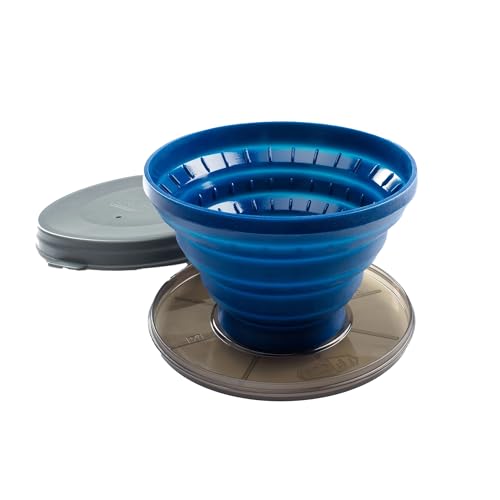
Pour over brewers are light, simple, and produce a clean cup, but they need paper or metal filters and a steady pour. French presses make a rich, full cup and need no filters, but they are heavier and leave sediment. Immersion and cowboy methods need almost no gear but demand practice for good taste.
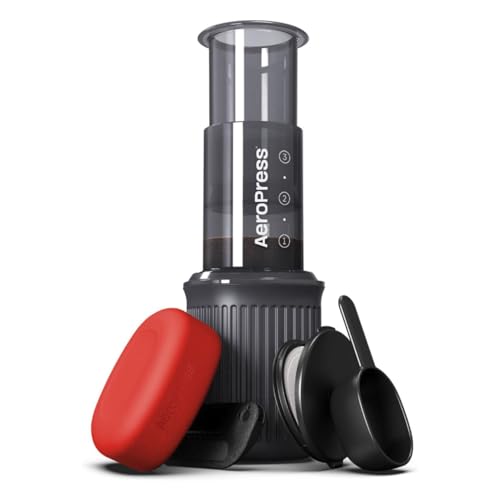
Choose the method that matches your taste and patience. Pour over suits coffee lovers who enjoy a ritual, while a press suits those who want a bold cup with minimal fuss. Practice at home first, since trail mornings are a poor time to learn a new brewing method.
Fuel, Stove, and Water Needs
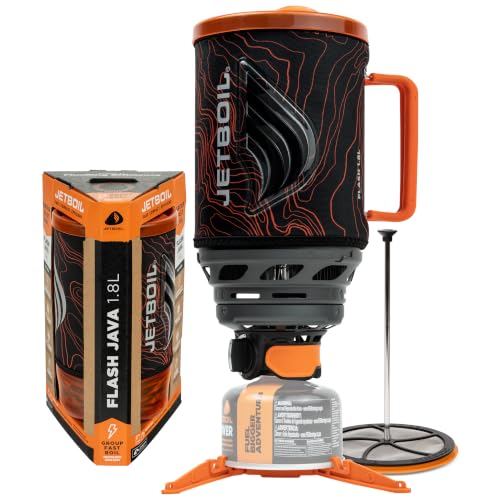
Your coffee maker must work with your stove system. Some brewers sit directly on a pot, others need a separate kettle, and a few work with cold water over longer steeping. Check that the brewer fits your pot diameter and stays stable on your stove, since a tipping brewer wastes precious water and coffee.
Water needs matter on dry trails: rinsing a press uses more water than a pour over. Plan water for brewing plus cleaning, and carry a little extra on dry stretches. In cold weather, pre warming the brewer improves taste, while in bear country, store coffee grounds with other scented items.
Durability and Trail Care
Trail gear gets knocked, dropped, and stuffed into packs, so durability matters. Metal brewers survive drops better than plastic or glass, while silicone and fabric brewers pack small but need care. Check joints, hinges, and filter holders, since these fail first under trail use.
Cleaning on the trail should be quick: shake out grounds, rinse with a little water, and dry before packing. Avoid strong soaps that leave taste in the next brew. A brewer that cleans in under a minute gets used every morning, while a fiddly one stays packed away.
Taste, Grind, and Coffee Choice
Grind size affects taste more than brewer price. Pour over needs a medium grind, press needs coarse, and too fine a grind in a press creates sediment and bitterness. Pre ground coffee works, but freshly ground beans taste better if you carry a small hand grinder and accept its weight.
Pack coffee in a sealed, waterproof bag, and measure portions before the trip to avoid waste. A little experimentation at home with grind and ratio pays off on the trail. Good trail coffee is less about expensive gear and more about consistent method and fresh beans.
A Final Check Before You Order
Before ordering, weigh your full coffee kit, check stove compatibility, and practice the brewing method at home. Compare those practical notes with the picks in the table above, and choose simplicity over novelty. The best backpacking coffee makers are the ones you actually use every morning. A maker you use every morning beats a clever design that stays in your pack.
Also check whether filters are easy to resupply on longer trips, or choose a reusable filter to avoid running out. With the right maker, trail mornings start with a proper cup, which is a small comfort worth carrying.
For related coffee equipment, see our guides to best coffee pot makers, best coffee machine makers, best brewing coffee makers and best single coffee makers, covering pot makers, machine makers, brewing methods, and single serve options.
Coffee and Leave No Trace
Trail coffee creates waste: grounds, filters, and packaging all need packing out. Paper filters and grounds should go in a sealed bag, never buried or scattered, since they decompose slowly and attract animals. Reusable metal filters reduce waste on longer trips, though they need rinsing water that must also be disposed of responsibly.
Wash water from coffee making should be scattered widely away from water sources, following leave no trace guidance for grey water. Strain food particles from wash water and pack them out with other waste. These small habits keep trails and waterways clean for other hikers and wildlife.
Coffee packaging also matters: repackage beans into a single sealed bag rather than carrying multiple packets. This reduces weight, waste, and scent attractants in bear country. Store coffee with other scented items in a bear canister or hang where required, since coffee aroma attracts animals.
Brewing at Altitude and in Cold Weather
At altitude, water boils at a lower temperature, which affects extraction and taste. Coffee brewed with cooler water can taste thin or sour, so extend steeping time slightly for immersion methods or use a finer grind for pour over. Experiment at altitude if possible, since taste changes are noticeable above 2,500 metres.
Cold weather chills brewers quickly, dropping water temperature during pouring and steeping. Pre warm the brewer with hot water, brew in a sheltered spot, and insulate the mug if possible. A cosy for a press or a double walled mug keeps coffee hot longer, which matters when air temperature is near freezing.
Fuel use rises in cold weather, since more heat escapes during brewing. Carry a little extra fuel for morning coffee on cold trips, and protect the stove from wind. A windscreen, used safely according to stove guidance, improves efficiency and shortens brew time noticeably.
Grind consistency matters on the trail, since uneven grounds extract unevenly and produce a cup that is simultaneously bitter and sour. A small hand grinder with adjustable settings gives far more consistent grounds than pre crushed coffee shaken in a bag, though it adds weight. For short trips, pre ground coffee from a good grinder at home, sealed in portions, offers a practical compromise between taste and pack weight.
Pack coffee grounds in a double sealed bag on longer trips, since a single bag can split inside a pack and coat gear with grounds. Double bagging adds almost no weight and prevents a messy surprise when unpacking at camp after a long day on the trail.
Frequently Asked Questions
What is the lightest backpacking coffee maker?
Pour over cones and immersion bags are among the lightest options, often under 100 grams, while metal presses weigh more. The lightest full system depends on filters and pots included, so weigh the complete kit. For ultralight trips, a simple pour over or steeping method usually wins.
Do I need a special stove for trail coffee?
No, most backpacking coffee makers work with a standard camp stove and pot, but check fit and stability first. Some brewers need a kettle, while others sit on a mug or pot. Test the full setup at home, since a wobbly brewer on a small stove wastes water and coffee.
Is a French press too heavy for backpacking?
A full size press is heavy, but small trail presses suit shorter trips where taste matters more than grams. For long distances, a lighter pour over usually makes more sense. Decide based on trip length: comfort weight on a weekend differs from weight over a week of miles.
How do I clean a coffee maker on the trail?
Shake out grounds, rinse with a small amount of water, and air dry before packing. Avoid soap unless you can rinse thoroughly, since residue affects taste. Pack out used grounds and filters, following leave no trace principles, and store coffee with other scented items in bear country.
Should I carry a hand grinder?
A hand grinder improves taste with fresh beans, but it adds weight and bulk. Pre ground coffee in sealed portions is simpler and lighter for most trips. Carry a grinder only if fresh coffee matters enough to justify the extra weight over your trip length.
Final Thoughts
The best backpacking coffee makers balance light weight, simple brewing, and taste you actually enjoy on the trail. Use the product table above to compare methods, and practice at home before you pack. A good trail cup is a small weight well carried.