
Best Backache Tablets of 2026: Complete Buying Guide
Disclosure: We may earn a commission when you buy through links on this page, at no extra cost to you. As an Amazon Associate I earn from qualifying purchases. Learn more

Learn how the best backache tablets differ by active ingredient, dose, and safety profile so you can choose pain relief that fits your health and needs.
When back pain strikes, the pharmacy shelf offers rows of tablets that all promise relief, yet they work in very different ways and carry very different risks. Picking by brand familiarity or by whatever a coworker swears by is how people end up with a medicine that does little for their pain, or one that clashes with their blood pressure tablets, stomach, or kidneys.
This guide to the best backache tablets explains the main categories in plain language, what each one actually does, and how your own health profile should steer the choice. It is general information, not medical advice. If your pain is severe, new, or keeps returning, a doctor or pharmacist should be part of the decision, and the warning signs listed later in this guide need prompt medical attention.


The Main Tablet Categories at a Glance
Instead of chasing a single winning product, think in categories. Nearly every tablet sold for backache belongs to one of the three groups below, and knowing the group matters far more than the label design.
Acetaminophen Tablets
Acetaminophen reduces pain and fever but does little for inflammation. It is usually the gentlest option on the stomach, which makes it a common first choice for people who cannot take anti inflammatory medicines, and for older adults under medical guidance. Its main risk is the liver: taking more than the labeled daily maximum, or combining several products that each contain acetaminophen, can cause serious liver damage. It suits mild to moderate aching pain, though evidence suggests it helps less for acute lower back pain than many people expect.
NSAID Tablets
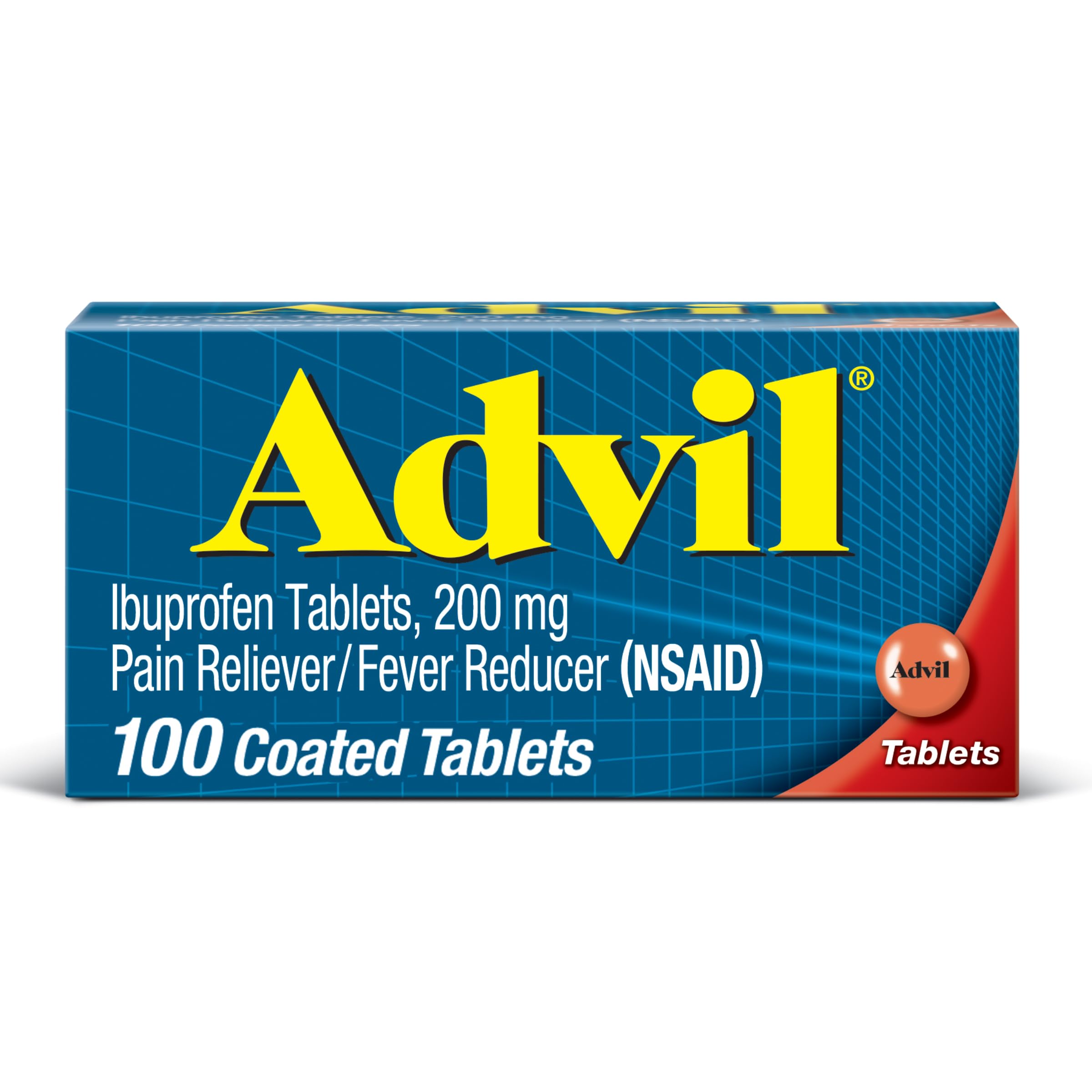
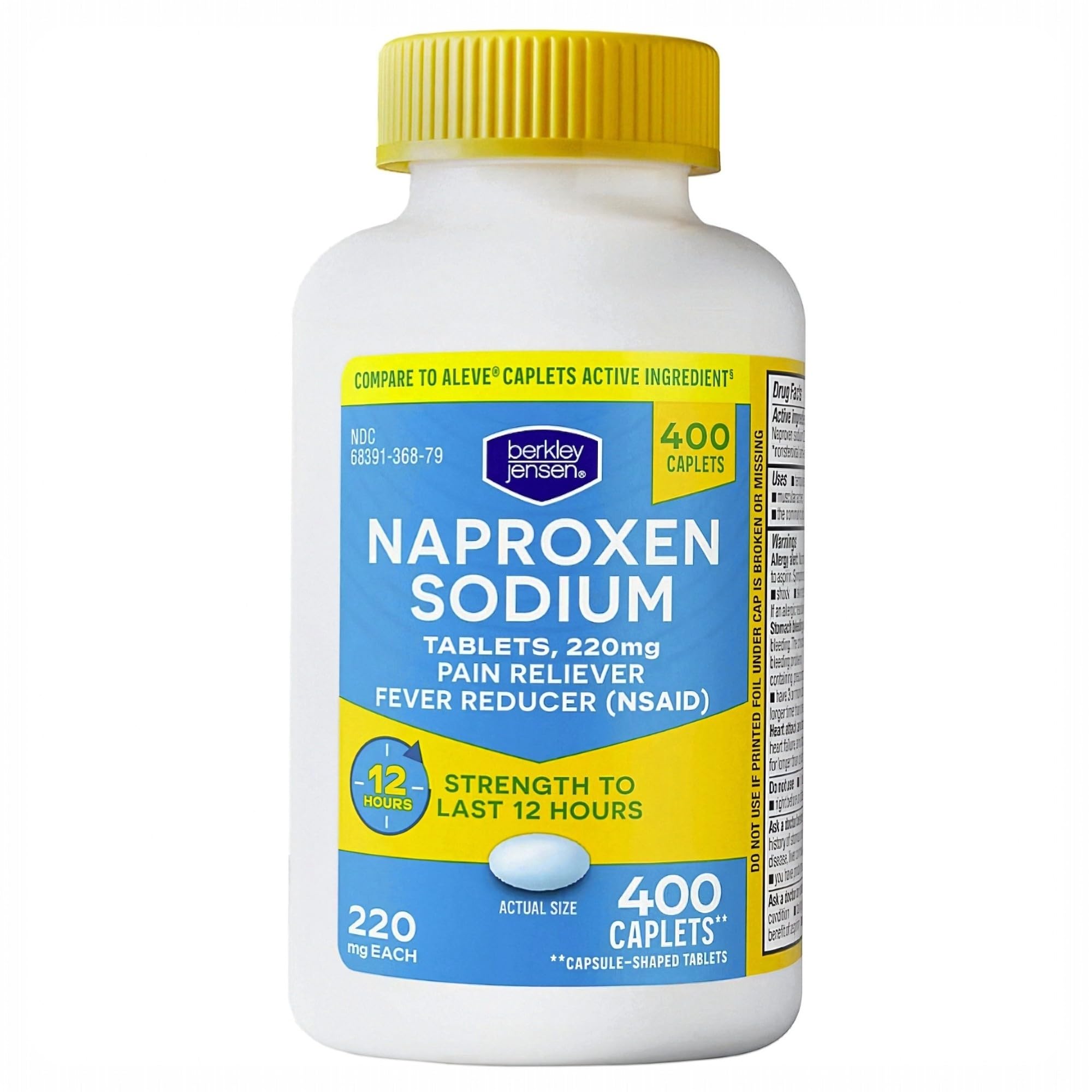
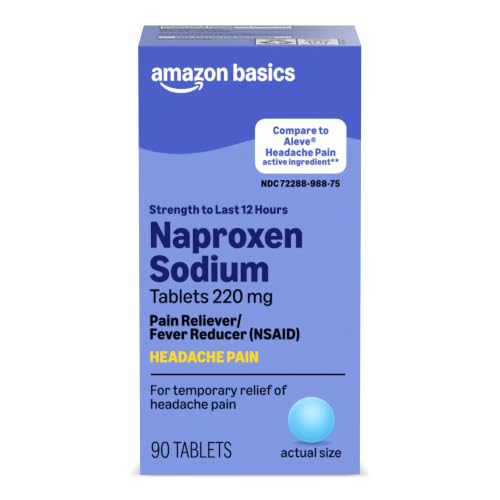
Nonsteroidal anti inflammatory drugs, including ibuprofen and naproxen, reduce both pain and inflammation, so they often work better when a strain or sprain has left the back stiff and sore. Ibuprofen acts faster and wears off sooner, suiting short flare ups. Naproxen lasts longer, suiting pain that runs through the day and night. The trade off is a wider risk list: stomach irritation and bleeding, raised blood pressure, and strain on the kidneys, especially in older adults and people with existing conditions.
Muscle Relaxant Tablets
Prescription muscle relaxants target spasm, the tight protective clenching that sometimes follows a back injury. They can help for a few days at the start of an acute episode, particularly at night, but they commonly cause drowsiness and dizziness and are not suitable for long term use. Because they require a prescription, this category always involves a clinician who can weigh the sedation risk against your other medicines. They are an addition to, not a replacement for, pain relievers and movement.
How to Choose the Best Backache Tablets: Buying Guide
Active Ingredient and How It Works
Read the active ingredient panel before anything else on the box. That single line tells you whether the tablet eases pain only, fights inflammation as well, or relaxes muscle, and it stops you from accidentally doubling up. Two different looking products often contain the same ingredient at the same strength, and cold and flu remedies frequently include acetaminophen too. Choosing by ingredient rather than branding is the core skill behind finding the best backache tablets for your situation, and it costs nothing but ten seconds of reading.
Matching the Tablet to the Cause of Pain
Most backache is mechanical: a strain, awkward lift, or long hours in one position. Inflammation plays a real part in the first days of a strain, so an NSAID often fits that pattern. Pain that is a dull background ache without injury may respond just as well to acetaminophen plus heat and movement. Pain that shoots down a leg, comes with numbness, or follows a fall is a different matter entirely. Tablets may dull it, but those features need medical assessment rather than stronger shopping.
Your Health Profile and Other Medicines
Your medical history narrows the field quickly. People with stomach ulcers, kidney disease, heart failure, or high blood pressure, and anyone taking blood thinners, certain antidepressants, or steroids, face higher risks from NSAIDs and should ask a pharmacist or doctor first. People with liver disease or regular alcohol use must be careful with acetaminophen. Pregnancy changes the picture too, and several common pain relievers are not recommended, especially later in pregnancy. A pharmacist can check interactions in minutes and will do it free of charge.
Dose, Strength, and Schedule
Tablets come in regular and extra strength versions, and the difference is simply more milligrams per tablet, not a different medicine. What protects you is the total daily amount and the spacing between doses, both printed on the label. Follow the label directions exactly, and ask a pharmacist or doctor if you are unsure how much is right for you. Writing down what you took and when is a simple habit that helps you avoid doubling up, particularly when pain makes you tired and forgetful.
Short Term Use and Knowing When to Stop
Over the counter pain tablets are designed for short courses, typically a few days for a new episode of back pain. If pain is not clearly improving within about a week, or you find yourself reaching for tablets daily for weeks, that is a signal to see a clinician rather than switch brands again. Long term daily NSAID use raises stomach, kidney, and heart risks, and ongoing pain deserves a proper diagnosis, which might involve physiotherapy, imaging in specific cases, or treatment of an underlying cause.
Combination Products and Hidden Ingredients
Many backache products combine a pain reliever with caffeine, an antihistamine for nighttime use, or a second pain reliever. Combinations are not automatically better, and each added ingredient adds its own risks and interactions. Nighttime formulas cause drowsiness that lingers into the morning, which matters if you drive. The safest habit is to prefer single ingredient products, add only what you need, and keep a written list of everything you take so a pharmacist can spot overlaps you would never notice from the front of the boxes.
Backache Tablets vs Other Options
Heat and Cold Therapy
Heat wraps and cold packs treat the same pain without any drug risks. Cold suits the first day or two after a fresh strain, while heat often feels better for ongoing stiffness and spasm. Many people find that a heat wrap during the day reduces how many tablets they need. These options are cheap, reusable, and safe for people who cannot take oral medicines, though heat should not be used on numb skin or while sleeping.
Topical Gels, Creams, and Patches
Rub on gels and medicated patches deliver anti inflammatory or warming ingredients through the skin at the sore spot. Because far less of the drug reaches the rest of the body, topicals are often a smarter first step for people worried about stomach or kidney effects. They suit pain in one defined area and can be combined with acetaminophen if a pharmacist agrees. Their limits are mess, smell, and weaker effect on deep pain.
Movement, Rest, and Physical Therapy
Tablets treat symptoms; movement treats the cause. Complete bed rest usually makes back pain worse and recovery slower, while gentle walking and normal activity as tolerated speed things up. A physical therapist can teach exercises that reduce recurrence, which no tablet can do. Think of tablets as a bridge that makes movement bearable in the first days, not as the treatment itself, and invest the money you save on repeated tablet purchases into proper assessment if pain keeps returning.
How to Use Pain Relief Tablets Safely
- Read the full label every time. Doses differ between brands and strengths. Confirm the maximum daily amount and the minimum gap between doses before the first tablet, not during a painful night.
- Take NSAIDs with food or milk. Food does not remove the stomach risk entirely, but it reduces direct irritation and nausea for most people.
- Never combine two NSAIDs. Taking ibuprofen and naproxen together adds risk without adding relief. The same caution applies to stacking products that share acetaminophen.
- Avoid alcohol while dosing. Alcohol raises both the liver risk of acetaminophen and the stomach bleeding risk of NSAIDs.
- Store tablets away from children. Pain relievers are a common cause of accidental poisoning in young children. Keep them in original containers, out of reach, and never describe medicine as candy.
- Know the red flags. Seek urgent care for back pain with loss of bladder or bowel control, numbness around the saddle area, leg weakness, fever, unexplained weight loss, or pain after a serious fall or accident.
Frequently Asked Questions
Should I choose an NSAID or acetaminophen for back pain?
For a fresh strain with stiffness and swelling, an NSAID is often the better fit because it targets inflammation as well as pain. Acetaminophen suits people who cannot take NSAIDs because of stomach, kidney, heart, or blood thinner concerns, and it is gentler for simple aching. Neither is universally stronger. Your health history should decide, and a pharmacist can make the call with you in minutes based on your other medicines.
Can I take acetaminophen and ibuprofen together?
Do not combine pain relievers on your own. Different products can share the same ingredient, and cold remedies often hide one of them, so always read the ingredient panel and follow the label directions. If you are unsure, ask a pharmacist or doctor which products suit you and how to use them, rather than improvising.
How long can I safely take backache tablets?
Over the counter pain tablets are meant for short use, generally a few days for a new back pain episode. If pain is not clearly improving after about a week, or you still need tablets daily after two weeks, see a doctor instead of continuing. Longer daily NSAID use raises the risk of stomach bleeding, kidney problems, and raised blood pressure, and persistent pain may have a cause that tablets cannot fix and should not be allowed to mask.
Should backache tablets be taken on an empty stomach?
NSAIDs such as ibuprofen and naproxen are better taken with food or a glass of milk, which lowers the chance of stomach pain and nausea. Acetaminophen can be taken with or without food, and food does not meaningfully slow it. If any tablet repeatedly upsets your stomach even with food, stop and ask a pharmacist about switching category, because ongoing stomach pain can be an early warning of irritation that should not be pushed through.
When should I see a doctor about back pain instead of buying tablets?
See a doctor promptly if pain follows a fall or accident, if you have fever, unexplained weight loss, or a history of cancer, or if pain shoots below the knee with numbness or weakness. Seek emergency care for loss of bladder or bowel control or numbness in the saddle area. Also book an appointment when pain lasts beyond a few weeks, keeps returning, or stops you sleeping, since those patterns need examination rather than another box of tablets.
Final Thoughts
Choose by active ingredient, match the category to the likely cause of your pain, and let your health history rule out risky options before price or packaging tempts you. Follow the label, use tablets for the shortest time needed, and pair tablets with heat, gentle movement, and rest that is measured in hours, not days. The best backache tablets for you are the ones that fit that profile, which you can compare in the product table above. Above all, talk with your doctor or pharmacist about your personal needs, especially if pain persists, returns often, or comes with any of the warning signs described in this guide.


