Best Back to Wall Toilets: Which One Fits the Way You Use It? For 2026
Disclosure: We may earn a commission when you buy through links on this page, at no extra cost to you. As an Amazon Associate I earn from qualifying purchases. Learn more

Compare the best back to wall toilets by cistern type, projection, flush performance, and cleaning design with this clear, use case based buying guide.
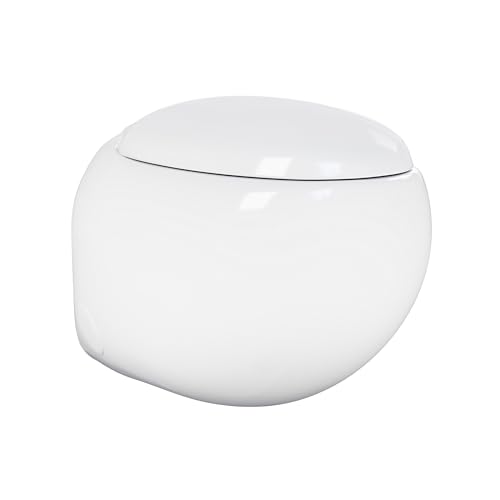
A back to wall toilet hides its cistern and pipework behind a panel, a furniture unit, or inside the wall itself, leaving only a smooth pan visible. The result is a bathroom that looks calmer and cleans faster, with no dust collecting behind an exposed tank. It is a popular choice for remodels, small bathrooms, and anyone tired of cleaning around a traditional close coupled toilet.
There is no single winner for every bathroom, though. The best back to wall toilets for a compact ensuite differ from the right pick for a busy family bathroom, and the hidden cistern decision matters as much as the pan. This guide matches toilet types to real use cases, explains the features that affect daily life, and flags the mistakes that make installations go wrong. Start with the comparison table below, then read the sections that match your project.


Who Should Buy Which Back Wall Toilets?
For First Time Buyers
If this is your first concealed cistern project, favor simplicity. A back to wall pan paired with a bathroom furniture unit is the most forgiving route, because the unit arrives with the cistern housed inside and access for maintenance built in. In wall frames with a concealed cistern look sleek but demand more building work and planning. Whichever route you choose, confirm the pan, cistern, and flush plate are sold as compatible, since mixing parts across systems is the most common beginner headache. Standard height pans and widely available seats also keep future replacements easy.
For Small Bathrooms and Tight Spaces
Short projection pans are made for you. A compact back to wall pan can project as little as about 19 to 21 inches from the wall, compared with roughly 24 to 28 inches for a standard toilet, and those saved inches matter when a door swings inward or knees meet a radiator. Pair the short pan with a slim furniture unit or a cistern concealed in a shallow stud wall to keep the room feeling open. Wall to floor fixing also frees the visible floor area, which makes a small room read larger and mopping quicker.
For People Who Want the Best Performance
Performance in a toilet means a complete flush, a quiet refill, and parts you can service without demolition. Look for a dual flush cistern with an efficient full flush around 1.28 gallons and a reduced flush near 0.8 to 1.0 gallons, a rimless or well designed rim flush pattern, and a concealed cistern with a generous access panel. Brushed metal flush plates, soft close seats with quick release hinges, and glazed trapways are worth paying for if the toilet serves a main bathroom many times a day. If you are weighing this style against a fully suspended design, our guide to the best wall mounted toilets covers the differences.
Key Features to Compare
Flush Performance and Water Use
Flush quality decides whether a toilet is a quiet success or a daily irritation. Look for models tested to clear solid waste in a single flush and for WaterSense labeled options, which use 1.28 gallons per flush or less while still meeting performance criteria. Dual flush mechanisms let you choose a short flush for liquids, saving meaningful water over a year in a family home. Also check how the flush distributes water around the bowl: rimless designs send water around the full rim in a controlled sheet, which improves coverage and reduces the hidden surfaces where grime builds up.
Cistern Type and Access
The concealed cistern is the heart of this toilet style, and access is the detail buyers overlook. Furniture units open from the front or top, making washer and valve changes a ten minute job. In wall systems rely on the flush plate opening for access, which is adequate for valve service but slower, so choose a reputable mechanism with parts that will still be sold in ten years. Confirm the cistern includes an internal overflow and insulation against condensation if it sits in a cold wall, and note whether it suits your water pressure, since some compact cisterns fill slowly on low pressure supplies.
Size and Fit
Measure three things before ordering: projection from the finished wall surface, the height of your soil pipe outlet, and the width available for the pan and unit. Back to wall pans connect to the soil pipe with a flexible or rigid pan connector, and the outlet height must match the pipe position closely or the pan will not sit flush. Comfort height pans, around 17 to 19 inches including the seat, suit taller users and anyone with limited mobility, while standard height suits shorter users and children. Record the measurements on paper before browsing the product table above, because a beautiful pan that misses the pipe height is just an expensive return.
Pan Design and Ease of Cleaning
The whole appeal of this style is easier cleaning, so judge pans by their exterior as much as their bowl. Fully shrouded sides, where the pan meets the floor and wall without ledges, wipe clean in seconds and leave nowhere for dust to settle. Rimless bowls remove the hidden rim channel that harbors bacteria in older designs. Quick release seats lift off for a proper clean around the hinges. Compare these details against fully suspended styles in our guide to the best wall hanging toilets if cleaning speed is your top priority.
Material and Construction
Nearly all quality pans are vitreous china, a ceramic fired with a glasslike glaze that resists staining and scratching for decades. Check that the glaze extends through the trapway, because a fully glazed trapway resists buildup and keeps flushing strong over years of use. Seats are usually urea formaldehyde, which feels solid and resists scratches, or polypropylene, which is lighter and cheaper but can flex. Soft close hinges prevent slamming and are worth having in a family home. Flush plates in metal outlast plastic ones and feel better in daily use, a small detail you will touch every day.
Common Mistakes to Avoid When Buying Back Wall Toilets
- Skipping the access question. Ask exactly how you would change the flush valve in five years. If the answer involves removing tiles or the pan, choose a different cistern or unit.
- Measuring before the wall is finished. Projection and pipe positions must be measured from the final surface, including tile and adhesive thickness, not from bare plaster or studs.
- Choosing on looks alone. A sculptural pan with a weak flush wastes water and patience. Check the flush rating and gallons per flush before falling for a shape.
- Forgetting the seat. Some pans ship without a seat, and proprietary seat shapes can be costly to replace. Confirm what is included and whether standard seats fit.
- Underestimating total cost. Budget for the cistern, flush plate, pan connector, and installation on top of the pan price. Concealed systems cost more to install than close coupled toilets, and broader comparisons in our guide to the best ranked toilets show how the categories stack up.
Care and Maintenance Tips
- Clean with non abrasive products. The glaze on vitreous china is tough but can be dulled by scouring powders and aggressive pads. A soft cloth and a mild cleaner keep the shine for decades.
- Service the cistern yearly. Lift the access panel or flush plate once a year, check the inlet valve filter, and confirm the flush washers are flexible. A slow drip into the bowl usually means a worn outlet washer, which is a cheap part.
- Avoid heavy bleach tablets in the cistern. Strong chemicals degrade rubber washers and seals faster, shortening the life of the flush mechanism. Clean the bowl directly instead.
- Check the pan fixing and seal annually. The silicone or sealant line where the pan meets floor and wall keeps water out of the void behind. Renew it if it cracks or lifts. Thick quilted toilet paper can challenge weaker flushes, so use a type that breaks down quickly.
Frequently Asked Questions
How do I measure the projection of a back to wall toilet?
Measure from the finished wall surface, including tiles, straight out to the front edge of the pan. Short projection models land around 19 to 21 inches, standard models around 22 to 24 inches. Add the depth of any furniture unit if the cistern sits inside one. Take the measurement after flooring is laid, and check the door swing against it, because an inward opening door is the most common reason a standard pan feels cramped.
How do I access a concealed cistern for repairs?
Access depends on the installation. Furniture units open through a removable front or top panel. In wall systems are serviced through the flush plate opening, which is designed to be large enough to remove the flush valve and inlet valve by hand. Before buying, ask the seller to confirm which parts can be changed through the opening. If major parts cannot be reached, the system is a poor choice no matter how slim the wall looks.
Does a dual flush toilet really save water?
Yes, when people use the short flush for liquid waste, which is most flushes in a typical home. A dual flush cistern might use about 0.8 to 1.0 gallons for the short flush and about 1.28 gallons for the full flush, compared with 1.6 gallons or more for an older single flush toilet. Savings depend on habits, and a leaking outlet washer can quietly waste more than the dual flush saves, so fix drips into the bowl promptly.
Are back to wall toilets harder to install than standard toilets?
They take more work, mainly because the cistern and frame or unit must be built, leveled, and tested before the wall or furniture is closed up. The plumbing itself is standard, and a competent installer handles it routinely, but labor time is longer than for a close coupled toilet. The payoff is easier cleaning and a cleaner look for the life of the bathroom. If you may move soon, weigh that install cost honestly against the time you will enjoy it.
Our Verdict
Choose the cistern and access arrangement first, the projection second, and the pan shape last. A serviceable concealed cistern, a flush that clears in one go at 1.28 gallons or less, and a size measured against your finished wall will serve you better than any styling detail. The best back to wall toilets for your bathroom are the ones that fit your pipework, your space, and your tolerance for maintenance. Compare the options in the product table above with those three checks in hand, and you will end up with a toilet that stays trouble free for years.