
Best Back Support Pillows in 2026: Everything to Know Before Your First Purchase
Disclosure: We may earn a commission when you buy through links on this page, at no extra cost to you. As an Amazon Associate I earn from qualifying purchases. Learn more
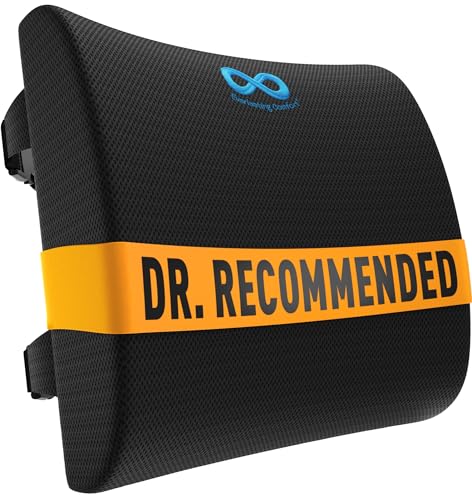
Shopping for the best back support pillows for the first time? Learn the terms, compare options, and avoid rookie mistakes with this easy guide.
Support for your back sounds simple until you see wedges, lumbar rolls, contoured foam and long bolsters side by side. The best back support pillows match one clear job, such as filling the curve behind your lower back while you sit or sleep. This guide starts with the basics, then covers materials, firmness and fit, so you can read the comparison table below with confidence.
Think first about where you will use the pillow most. A desk chair cushion has to stay in place and leave room for your legs, while one for bed must suit your sleep position and your regular pillow. Your main spot and body size will narrow the field faster than price will.
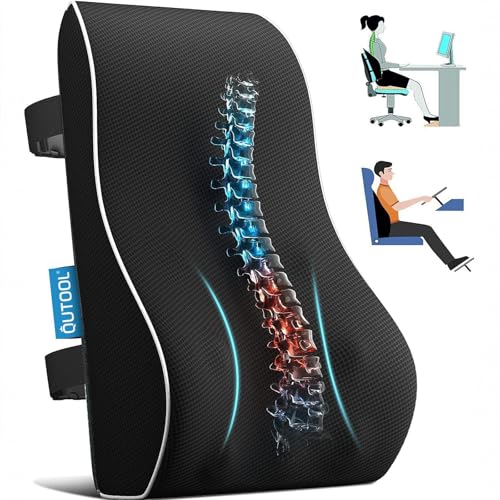
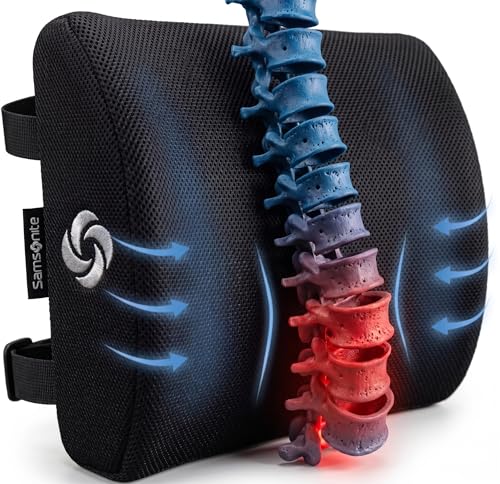


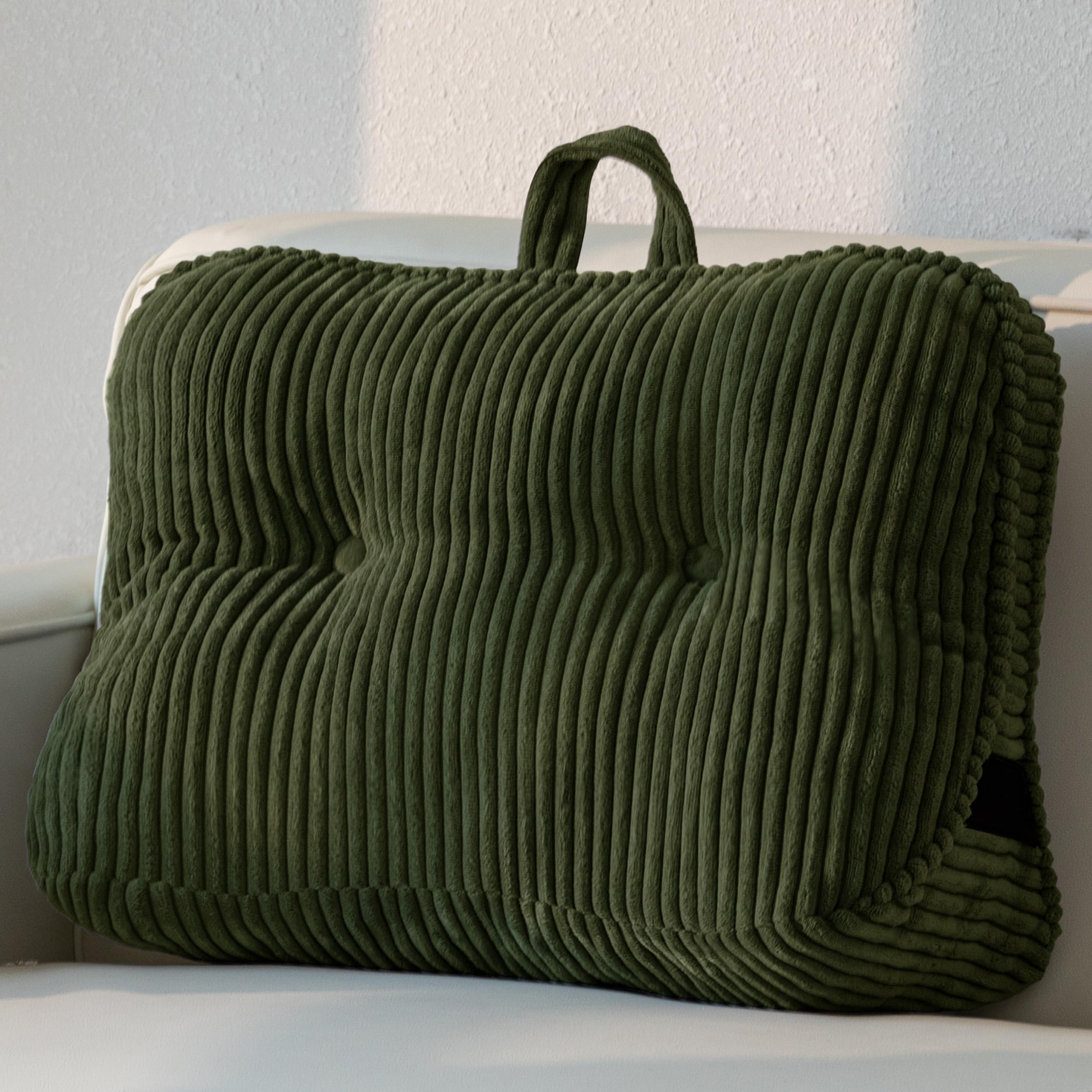

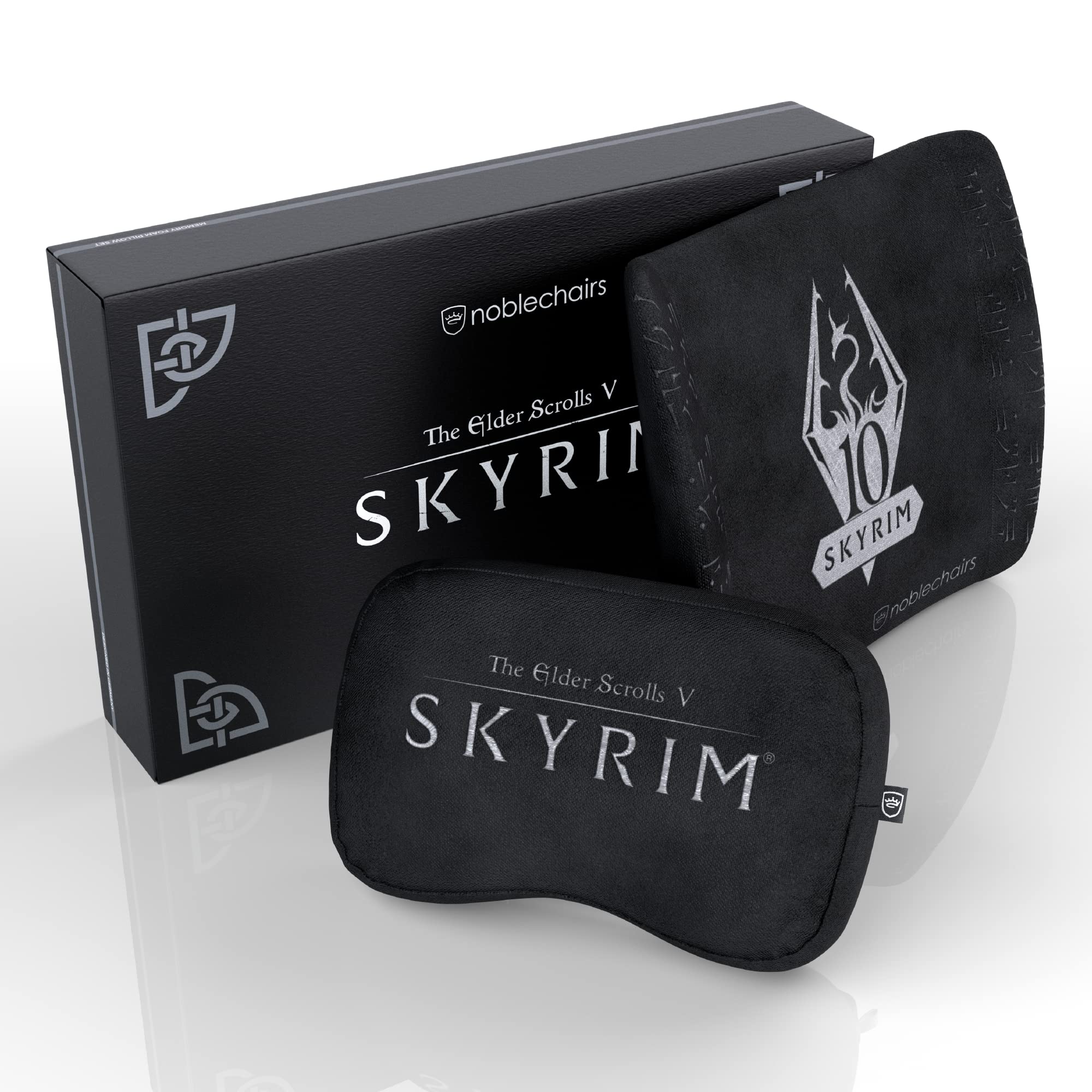
Back Support Pillows 101: The Basics for New Buyers
A back support pillow is a shaped cushion that fills a gap between your body and a chair, a mattress or a recliner. Its job is to keep your spine in a natural line and spread pressure over a wider area, instead of letting one small spot take your weight.
Support is not the same as softness. A very soft cushion can feel kind at first and then flatten, leaving the gap open again. A well shaped pillow feels firm in the center and gentler at the edges. If back pain is your main concern, see our guide to the best pillows for bad back for options built around sore backs, and treat this guide as help with fit and comfort only, not as medical advice.
Choosing Back Support for Your Situation
Your daily routine should decide the shape before anything else. Pick the situation below that looks most like yours.
Best Back Support Pillows for Desk Chair: Tips for First Time Buyers
For desk work, choose a compact lumbar cushion with a strap that holds it at the curve of your lower back, not up by your shoulders. Check thickness against seat depth, because a thick cushion pushes you forward and can leave your knees tight to the desk. Your feet should still rest flat on the floor, and a removable cover helps with weekly dust and lint.
Support in Bed for Back Sleepers and Side Sleepers
In bed, the pillow shares space with your mattress and your head pillow, so shape and height matter more than straps. Back sleepers often do well with a low lumbar roll or a gentle wedge, while side sleepers may prefer support along the back to stop rolling. If your neck feels strained as well, see our guide to the best pillows for neck and back support for options that pair with back support.
Upright Support for Reading and Recliner Use
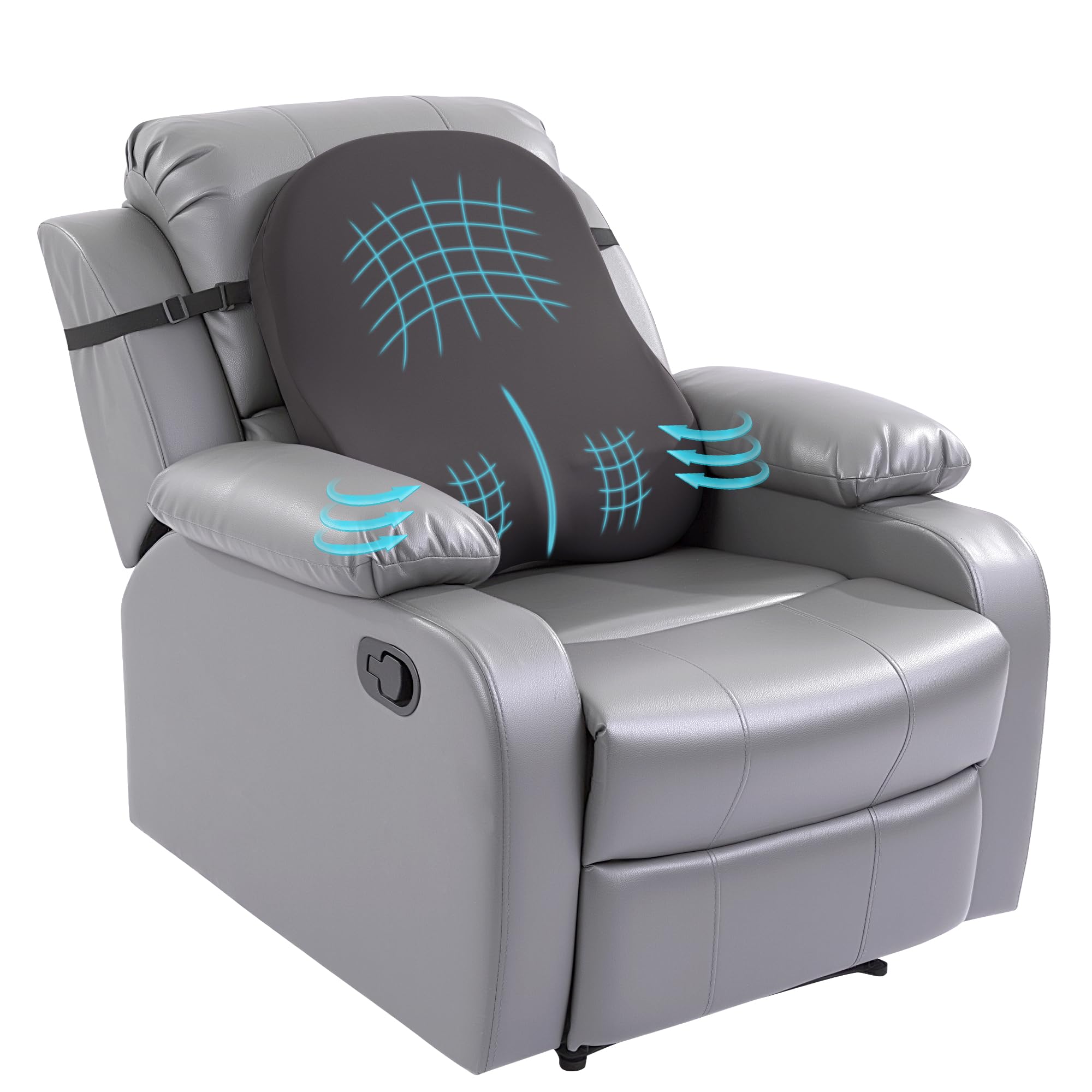
Sitting up in bed or in a recliner puts steady pressure on your lower back and tailbone, a different load from lying flat. A wedge or a firmer bolster can keep you upright without a stack of soft pillows that slide apart. For a simpler cushion behind your shoulders, see our guide to the best back pillows and compare those shapes with the firmer styles in the product table above.
Key Features to Compare
Compare these five factors in order. Shape and fill decide how a pillow supports you, while size and cover decide how it fits your routine.
Material and Fill: Memory Foam, Latex and Fiber
Memory foam softens with body heat and molds to your curve, which gives close pressure relief when you sit still or sleep in one position. Latex feels springier, responds at once when you shift and tends to sleep cooler, but it costs more.
Shape, Contour and Pressure Relief
A good contour follows the inward curve of your lower back and widens at the sides, so pressure spreads across your waist instead of pressing one narrow ridge. Wedges lift your whole upper body at a slope, which suits reading and reclined rest, while a small roll targets one spot. Readers who want a standard bed pillow first can see our guide to the best pillows for support and then return to these shaped options.
Firmness, Thickness and Your Position
Firmness describes how much a pillow gives under your weight, and thickness describes how far it pushes your back forward or lifts your body. Heavier bodies compress foam more, so a firm or high density option often keeps its shape better through the night. Lighter bodies may find that same pillow pushy. Most lumbar cushions run about 3 to 5 inches thick at the center. Use the sleep trial where one is offered if you are unsure.
Cooling and Breathability in the Cover and Core
Heat builds where foam presses close to your body for hours. Open cell foam, latex with air channels and gel layers in the top surface can all reduce that warm, sealed feeling, and cooling fabrics in the cover help early in the night. A breathable cover in cotton, bamboo derived rayon or a mesh knit also lets moisture escape.
Size, Straps and Adjustability for Chairs and Beds
Measure the chair back or the spot on your bed before you order, and compare those numbers with the listed width and height. Adjustable straps, a removable insert or loose fill you can add or remove all let you fine tune the fit. Most support pillows cost about $25 to $80, with larger wedges and latex models at the top of that range.
One safety note belongs here. New numbness or weakness in a leg, pain that shoots below the knee, loss of bladder or bowel control, fever with back pain, or pain after a fall needs prompt medical care, not a new pillow. Talk with your clinician about personal needs, and use a pillow only for general fit and comfort.
Placing Your Back Support Pillow for the First Sitting
Unpack the pillow and let foam models expand in a ventilated room for several hours. Place it, then sit or lie down for ten minutes and check three things: your lower back feels filled rather than pushed, your shoulders can rest, and you can change position without the pillow sliding away.
Give your body a short adjustment window of several nights or work days, because muscles used to slumping may notice firm support at first. Start with shorter desk sessions, such as an hour at a time, and build up. Keep a note of where you feel pressure, since that makes a return or size change easier to decide.
Common Mistakes to Avoid
New buyers tend to repeat the same few errors, each easy to dodge once you see it.
- Buying the thickest cushion in the list pushes you too far forward in your chair and strains your neck.
- Judging a pillow in the first five minutes misses how foam warms, softens and settles under steady load.
- Placing a lumbar cushion too high turns gentle support into a hard ridge against your shoulder blades.
- Choosing on price alone often lands you with low density foam that flattens within a few months.
- Expecting a pillow to treat a medical problem delays care that a clinician should guide.
Care and Maintenance for a Back Support Pillow
Most foam cores should not go in a washing machine, because soaking and spinning can tear the foam and trap water deep inside. Remove the cover and wash it on a gentle cycle in cool water, then air dry it so it still fits. Spot clean the core with a damp cloth and let it dry fully before you replace the cover.
Air the pillow in shade each week and rotate it end for end if the shape allows, so the same spot does not take your weight every day. Keep foam away from direct heat and long sun, which can dry and crack the surface. Store a spare pillow flat, not folded, so the contour keeps its shape.
FAQ
Are cooling back support pillows worth it for hot sleepers who sit or sleep with support for hours?
Yes, cooling features are worth it for hot sleepers who stay in one position for long stretches, because warmth builds exactly where the foam hugs your back. One point buyers miss is room air flow: a fan moving air across the bed often helps as much as the gel layer itself. A mesh knit cover helps a little more.
How do I wash a back support pillow without damaging the foam core?
Wash the removable cover on its own and keep the foam core out of the machine in most cases. One extra step helps: check the zipper direction before you pull the cover off, because a stuck zipper can tear the seam. If the core has no cover, use a damp cloth only and give it a full day to dry.
What firmness in a back support pillow suits most back sleepers?
A medium firm feel suits most back sleepers, because it fills the lower back curve without lifting the hips into an arch. Try this home check: slide one hand under your lower back while lying on the pillow. Even, gentle pressure suggests a good match, while a hard push or a clear gap suggests a change of firmness.
How often should I replace a back support pillow that has gone flat?
Replace a back support pillow when it stays compressed after a night off the bed or chair, which often happens after about 1 to 2 years of daily use for foam models. A quick test is to fold a fiber fill pillow in half: a pillow that stays folded has lost the spring you bought it for.
Will one back support pillow fit both a desk chair and a bed?
One back support pillow can serve both spots only when its size and thickness suit the shallower of the two, which is usually the desk chair. A cushion that works at your desk may feel too small and firm on a soft mattress, because the bed gives way around it.
Wrapping Up
Start with your main spot, then match the shape, fill and firmness to how you sit or sleep there. Use the product table above to compare size, materials and price against the points in this guide.
Chosen with those checks in mind, the best back support pillows stop being a guess and become a small daily comfort you notice each time you sit down or settle in for the night.


