Best Baby Pool Floats: A Safety-First Buying Guide
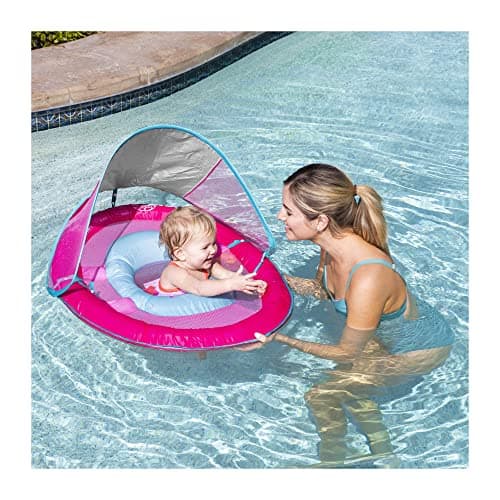
A hot afternoon by the pool gets complicated fast when your baby wants in but can't sit up on their own yet. This is exactly where the best baby pool floats earn their keep, giving a baby a supported, upright seat in the water while you stay right beside them. But not every float on the shelf is built the same way, and the features that matter most for an infant are safety details, not colors or shapes. This guide walks through age fit, harness design, real safety standards, and what supervision should actually look like once you're in the water.






Why a Pool Float Isn't a Life Jacket
This is the single biggest point of confusion for new parents shopping for the best baby pool floats, and it's worth settling before anything else. A float is a comfort and support product. A life jacket is a tested piece of safety equipment. Treating them as interchangeable is where most close calls start.
What a Float Is Actually Designed To Do
A baby pool float is built to keep an infant upright and comfortable in the water for short stretches while an adult stays within reach. It gives your baby freedom to kick and splash without you holding them the entire time. That's a real benefit, but it's a comfort feature, not a rescue feature.
When You Still Need a Certified Life Jacket
A US Coast Guard approved life jacket is engineered and tested to keep a person's airway above water, even if that person is unconscious. A pool float carries no such rating and makes no such promise. If you're near open water, a boat, or any setting where drowning risk is higher than a backyard pool, a properly fitted, certified life jacket is the non-negotiable choice, not a float.
Matching the Float to Your Baby's Age and Weight
Sizing a float by the picture on the package is a common mistake. Finding the best baby pool floats for your family starts with your baby's actual age, weight, and head control, not the box art, and getting that fit wrong affects how securely they sit.
Newborns and Younger Infants (Under 6 Months)
Younger babies who can't yet hold their head steady need a float built with a full-body support sling that cradles the head, neck, and torso rather than relying on a strap alone to keep them positioned. Sessions at this age should be brief, since very young infants tire and lose body heat quickly.
Six Months to Two Years
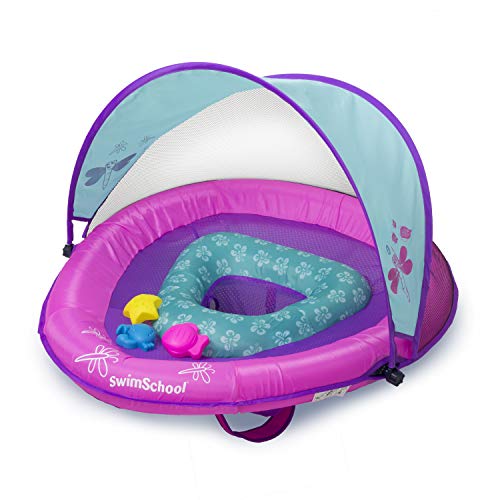
Once a baby has solid head and neck control, usually somewhere around six months, a seat-style float with leg holes and a harness becomes an option. This age range is where most infant pool float products on the market are actually designed to fit, and it's also where babies start kicking and shifting their weight, which makes harness quality matter more.
Sizing Up as Your Baby Grows
Check the listed weight limit, not just the age range, since babies grow at different rates. A float that fit comfortably in early summer can be too snug by the end of the season. Once a float feels tight or your baby is close to the weight limit, it's time to size up rather than squeeze in one more use.
The Harness Details That Actually Keep a Baby in Place
Nearly every safety-focused review of the best baby pool floats comes back to the same feature first: how the harness holds the baby in the seat. This is worth more attention than color, print, or brand extras.
Crotch Strap and Buckle Design
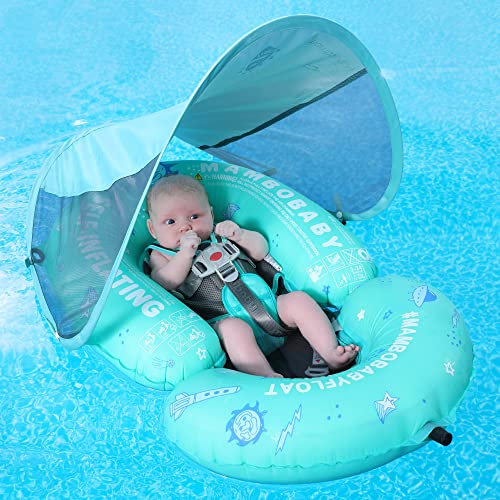
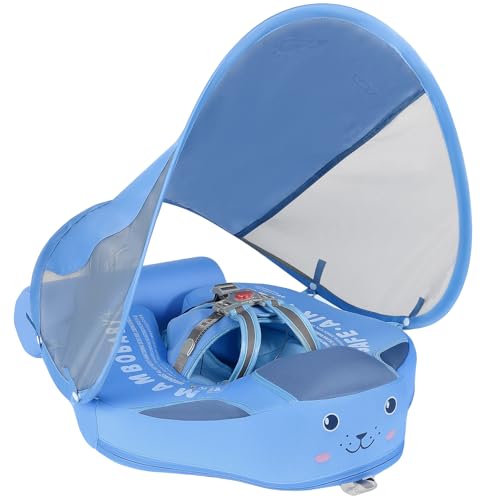
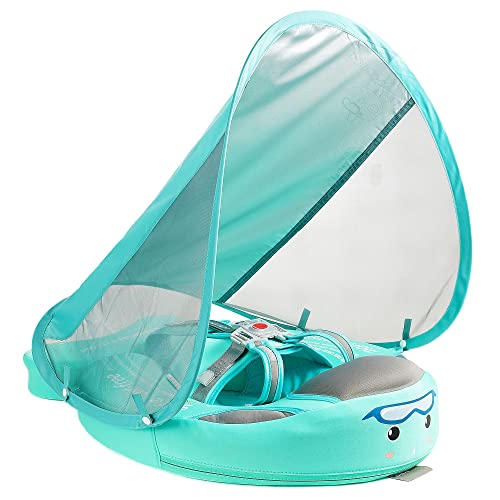
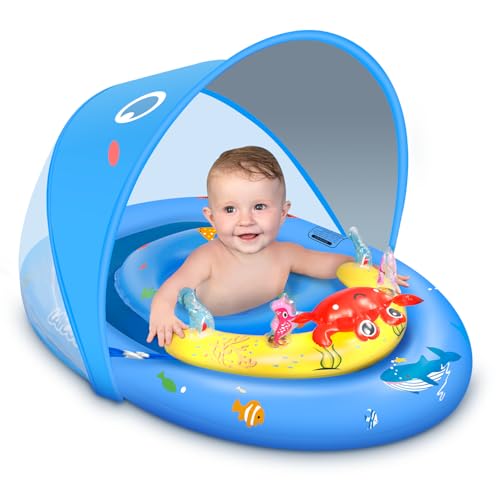
A float without a crotch strap or buckle depends entirely on the baby staying still, which rarely lasts once kicking starts. Look for an adjustable, padded strap that anchors the hips to the seat so your baby can't slide underneath the float or tip forward out of it. A strap that releases quickly with one hand also matters if you need to lift your baby out in a hurry. That single detail is often what separates the best baby pool floats from cheaper, less secure designs.
Dual Air Chambers as a Backup
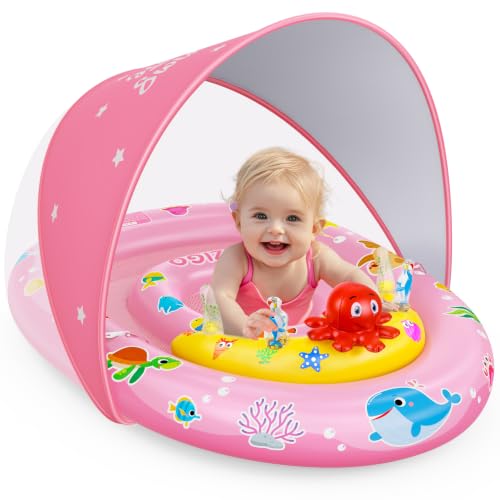
A float built with two separate air chambers keeps working even if one develops a slow leak, buying you time to notice and react instead of a sudden drop in buoyancy. Give any float a firm squeeze before the first use of the day so you can feel whether the seams and valves are holding air the way they should.
Reading Safety Labels Instead of Trusting the Word "Safe"
Marketing copy calls almost every float "safe." What actually separates the best baby pool floats from the risky ones is whether the design itself avoids known risk patterns, not the adjective printed on the box.
Float Types Worth Extra Caution
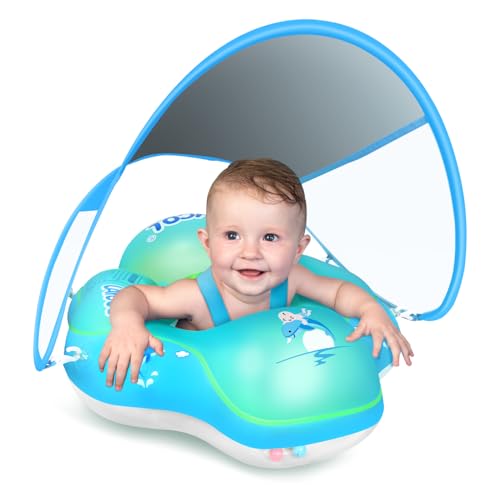
Regulators have flagged specific float categories for real safety problems, not just general wear and tear. Deep-reclining or lounge-style baby floats have been linked to tipping and submersion risk in recent product safety warnings, and neck floats have drawn similar concern after reports of babies slipping through a partially deflated ring. If a float design puts your baby in a reclined or neck-supported position rather than an upright, harnessed seat, treat that as a reason to look closer, not a reason to skip the research.
Visibility in the Water
Safety reports have also pointed out that very pale or light-colored floats can make it harder to spot a baby who has slipped underwater. A float in a bright, high-contrast color isn't just a style choice, it's a small margin of safety if you ever need to spot your baby quickly.
Float-level precautions are only one layer, though. A pool area that's easy for a curious toddler to wander into on their own removes that margin entirely, which is why a secured baby safety gate around the pool matters just as much as anything you choose for the water itself.
Sun Canopy Trade-offs Worth Knowing
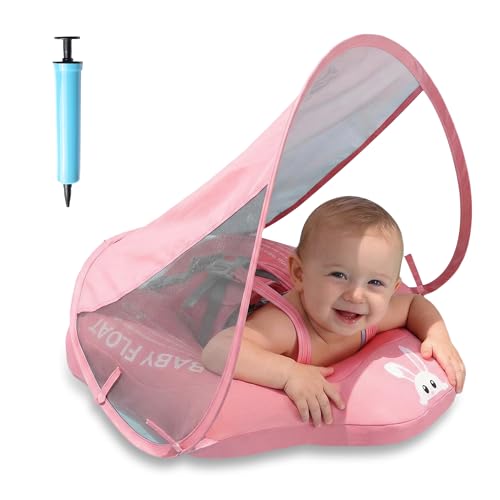
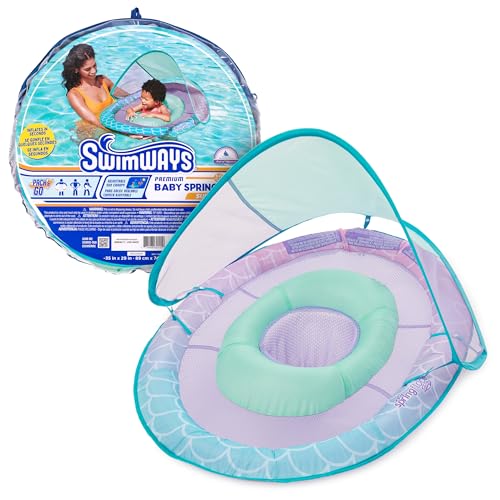
Baby skin burns faster than yours, and pool decks reflect extra UV on top of direct sun, which is why so many of the best baby pool floats include a shade canopy as a genuinely useful add-on. A canopy rated UPF 50 or higher blocks most exposure during peak sun hours. The trade-off is worth knowing before you buy: a canopy adds surface area that can catch wind like a small sail, which has been enough to tip or lift a float in gusty conditions. If you're using a canopy float, keep it away from open, breezy spots on the pool deck and never treat the shade as a reason to step back and supervise less closely.
What Real Supervision Looks Like With a Float
Even the best baby pool floats depend entirely on how closely you watch your baby while they're in it. This is the part no product feature can substitute for.
Stay within arm's reach the entire time your baby is in the float, not just nearby or glancing over occasionally. Floats can drift toward the pool wall, flip, or lose a small amount of air without any obvious warning, and a baby can't reposition themselves or call out effectively if something goes wrong. Setting up a seat, like an outdoor chaise lounge chair, right at the pool's edge rather than across the yard makes it far easier to stay at true arm's length instead of just visual range. Keep sessions short at first, around ten minutes, and watch for shivering or blue lips, which mean it's time to get out regardless of how long you'd planned to stay.
Frequently Asked Questions
What age can a baby use a pool float?
Most baby pool floats are designed for infants starting around three months old, once they have at least some head and neck control. Full-body support floats work for younger babies since the sling cradles the head, while seat-style floats with leg holes generally suit babies around six months and up.
Are baby pool floats safe?
They can be safe when the design avoids known risk patterns and an adult stays within arm's reach the entire time, but no float is rated as a life-saving device. Treat it as a comfort and support tool rather than something that lets you step away, even briefly.
Are baby neck floats safe?
Health and safety agencies have warned against neck floats after reports of babies slipping through a partially deflated ring, along with concerns about strain on a baby's developing neck and spine. A seat-style or full-body support float is the safer choice.
What is the difference between a pool float and a life jacket?
A pool float is a comfort product with no safety rating, while a US Coast Guard approved life jacket is tested to keep a person's airway above water even if they're unconscious. Floats are fine for supervised, shallow pool play; life jackets are the right call for open water, boats, or higher-risk settings.
How long can a baby stay in a pool float?
Start with sessions of around ten minutes and build up gradually as your baby gets used to the water. Many experts suggest capping total pool time at about thirty minutes, since babies lose body heat faster than adults and don't always show obvious signs of getting cold.
What is the weight limit for baby pool floats?
Weight limits vary by float, but most fall somewhere between twenty and thirty-five pounds. Check the manufacturer's listed range before buying, and size up once your baby is close to that limit, even if they still fit physically.
The Bottom Line on Baby Pool Float Safety
Among the best baby pool floats, a well-chosen one can turn pool time into something you both genuinely enjoy, but the features that matter most are the ones tied directly to safety: a secure harness, an honest age and weight match, and a design that avoids known risk patterns. None of that replaces staying within arm's reach for the entire swim. Get those fundamentals right first, and everything else, shade, color, or extra features, is just a bonus on top.