
Best B Complex Tablets: A First Time Buyer's Guide for 2026
Disclosure: We may earn a commission when you buy through links on this page, at no extra cost to you. As an Amazon Associate I earn from qualifying purchases. Learn more

Shopping for the best b complex tablets for the first time? Learn the terms, compare options, and avoid rookie mistakes with this easy guide.
Buying a vitamin for the first time can feel confusing, because every label lists eight different B vitamins in amounts that look wildly different. This friendly guide to the best b complex tablets starts with the basics, explains each label term in plain English, and shows you how to choose calmly.
You do not need a science degree to shop well. You need to know what each B vitamin does, how much is sensible, which forms suit your body, and when to ask a clinician first. Start with the comparison table below, then work through the sections in order.


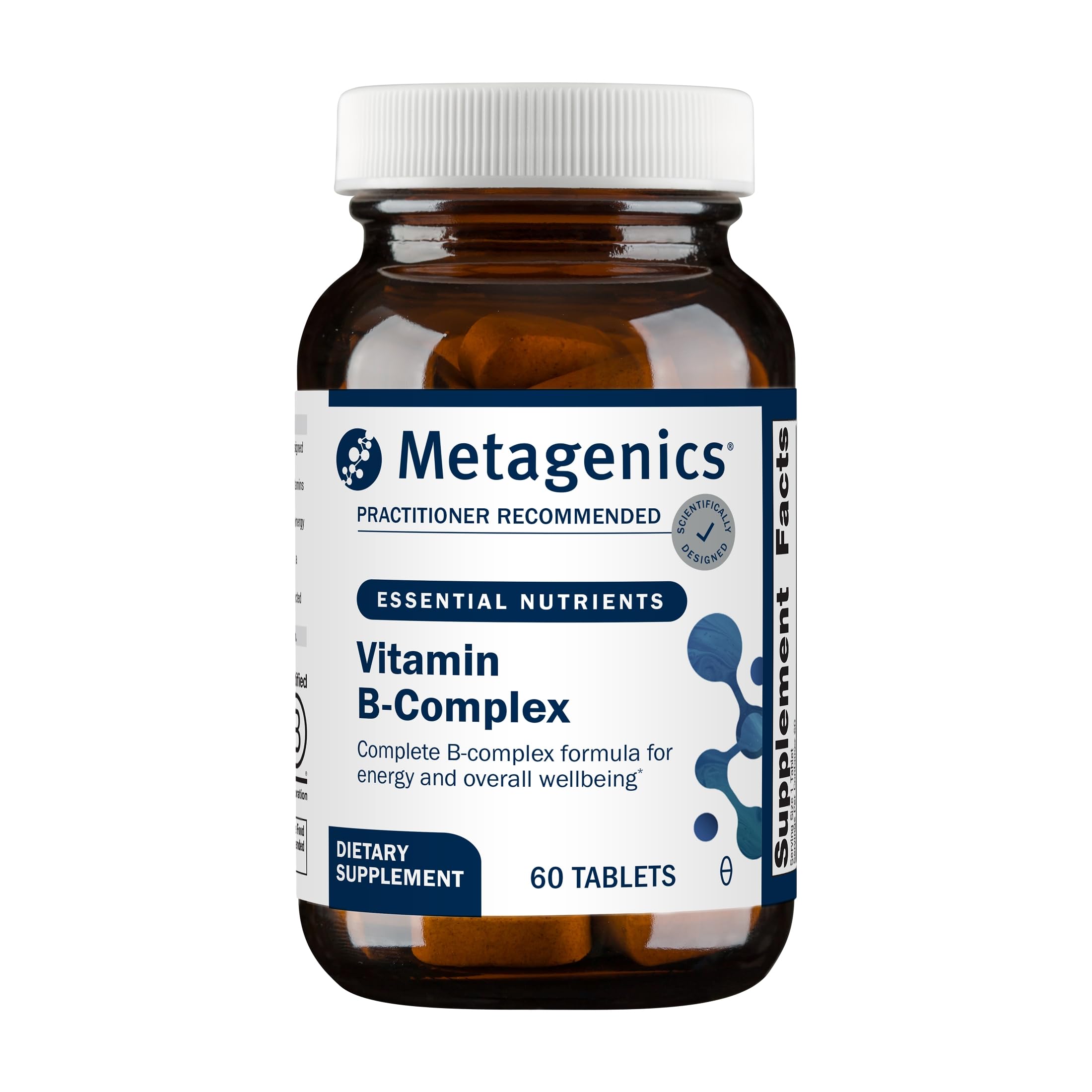
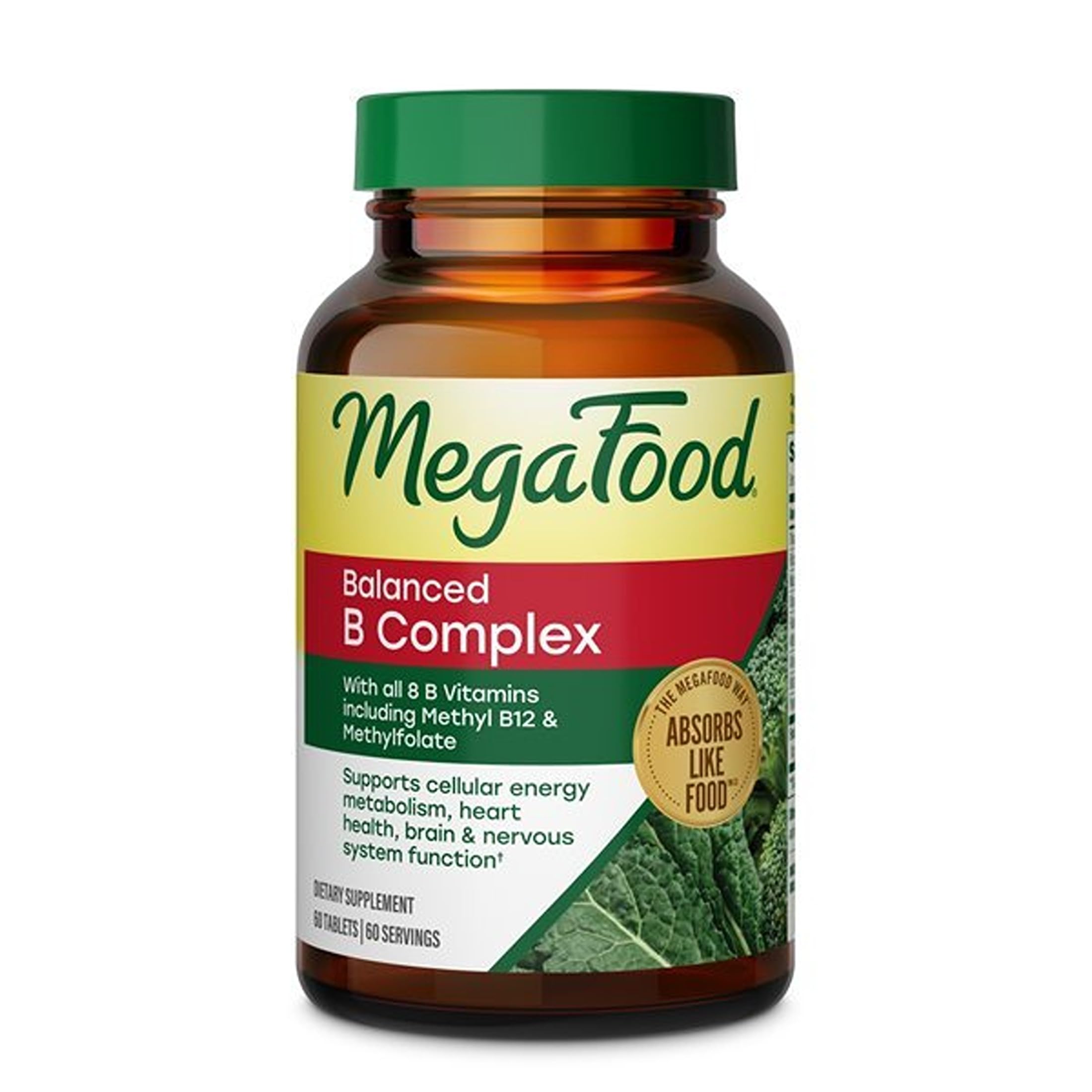


B Complex Tablets 101: The Basics
A B complex tablet combines the eight B vitamins in one daily serving. The group includes B1 (thiamin), B2 (riboflavin), B3 (niacin), B5 (pantothenic acid), B6 (pyridoxine), B7 (biotin), B9 (folate), and B12 (cobalamin). Together they help your body turn food into energy and support nerves, blood cells, and skin.
These vitamins dissolve in water, so your body stores only small amounts and clears the excess in urine. That is why labels focus on a steady daily intake rather than a large weekly dose. Bright yellow urine after a dose is common with riboflavin and usually harmless, but it surprises many first time buyers.
People consider a B complex for low energy from a poor diet, for restricted eating patterns such as vegan diets where B12 runs low, or during life stages with higher needs. A tablet is not a treatment for fatigue or illness on its own, and persistent tiredness deserves a medical check rather than a bigger supplement.
Key Specs Explained in Plain English
Vitamin Forms and Why They Matter
Labels list each vitamin by chemical form, and the form affects how your body uses it. Folate may appear as folic acid or as methylfolate, and B12 may appear as cyanocobalamin or methylcobalamin. The methyl forms are already active, which some people prefer, while the standard forms cost less and work well for most healthy adults.
What matters most is that the label names the form clearly. A product that hides behind a proprietary blend without amounts per vitamin gives you no way to judge dose or compare value. Choose transparency over marketing language every time.
Potency and Percent Daily Value
Potency is shown as an amount plus a percent of daily value. Many products list 100 percent or far more, sometimes thousands of percent for B12, because B12 absorbs in small fractions and excess amounts are generally cleared. More is not automatically better, and very high doses of B6 taken for months have been linked with nerve symptoms in some people.
For a first purchase, a balanced formula near 100 percent of daily value for most vitamins is a sensible starting point. Save high potency formulas for cases a clinician has confirmed, such as a measured deficiency, and read our related guide to the best vitamin b complex tablets for more on comparing formulas side by side.
Serving Size and Daily Routine
Check how many tablets make one serving. Some bottles advertise a low price but require two or three tablets a day, which changes the true monthly cost and makes the routine harder to keep. One tablet with breakfast is the routine most people actually follow for months.
Timing matters for comfort more than for absorption. Taking your tablet with food reduces the nausea some people feel from niacin or from a strong vitamin taste. Our guide on the best time to take b complex tablets walks through morning versus evening use in detail.
Fillers, Allergens and Dietary Fit
Tablets need binders and coatings to hold their shape, and those extras matter if you have allergies or dietary rules. Look for clear statements on gluten, soy, dairy, and animal derived ingredients if those affect you. Vegans should confirm the B12 source and that no gelatin based coating is used.
A short ingredient list with named inactive ingredients is a good sign. Avoid products with long color and sweetener lists when a plain tablet will do, since each added ingredient is one more chance for stomach upset or an allergy surprise.
Quality Testing and Label Trust
Supplements are not approved before sale the way medicines are, so quality marks carry real weight. Look for seals from independent testing groups that verify identity, potency, and limits on contaminants. A maker that publishes batch testing or follows current good manufacturing practice gives you more to trust than bold claims alone.
Also check the basics: a full Supplement Facts panel, an expiration date, a lot number, and a United States contact address. Missing basics are a reason to walk away, no matter how attractive the price looks. Shoppers comparing timing advice across both naming styles may also find our guide on the best time to take vitamin b complex tablets useful.
Rookie Mistakes to Avoid
- Buying the highest potency on the shelf. Oversized doses raise cost and, for B6 and niacin, raise risk too, without adding benefit for a healthy adult.
- Doubling up without noticing. A multivitamin plus a B complex plus an energy drink can stack the same vitamins far past your plan for the day.
- Expecting instant energy. If a deficiency exists, improvement builds over weeks, and a sudden buzz usually comes from caffeine in a blended product, not from the vitamins.
- Ignoring medicines you already take. B vitamins can interact with some prescriptions, including certain antibiotics and medicines for Parkinson disease, so check before you start.
- Storing the bottle in a steamy bathroom. Heat and moisture degrade potency over time, so a cool dry drawer beats the medicine cabinet for most supplements.
Getting Started: Setup and First Use
Start with half your questions answered before the bottle opens: why you are taking it, what dose the label sets, and when you will take it each day. Take the first tablet with a normal breakfast and a full glass of water, then note how you feel for a few days in a simple phone note.
Give a new routine at least four to six weeks before you judge it, unless side effects appear sooner. Mild effects can include nausea on an empty stomach, a warm flushing feeling from niacin, or vivid yellow urine. Stop and seek medical advice if you notice numbness or tingling in hands or feet, a rash, swelling, or any symptom that worries you.
Tell your clinician and pharmacist about the supplement at your next visit, and bring the bottle so the exact forms and doses are on record. That one habit prevents most interaction problems before they start.
FAQs
How long should you take a B complex tablet before judging results?
Give it about four to eight weeks of steady daily use before judging, since B vitamins support processes that change gradually. If blood tests showed a deficiency, your clinician may recheck levels after two to three months. Feeling no change after that period is useful information to discuss at a follow up visit rather than a reason to double the dose alone.
Can you take a B complex tablet every day?
Most healthy adults can take a standard strength B complex daily, because the vitamins dissolve in water and excess amounts leave in urine. Daily use still deserves respect at high doses, since B6 and niacin can cause harm over time. If you are pregnant, nursing, treating a medical condition, or taking prescription medicine, ask your clinician before starting a daily routine.
Should you take a B complex tablet in the morning or at night?
Morning with food suits most people, because B vitamins support energy metabolism and some users find evening doses keep them alert. Consistency matters more than the exact hour, since steady intake keeps levels stable. If a dose upsets your stomach, move it to your largest meal of the day and note the change for a week before switching again.
How much B12 do adults actually need each day?
Adults need about 2.4 micrograms of B12 a day, a tiny amount that labels still express in large percentages because absorption from a tablet is partial. Older adults and vegans often need a supplement since stomach acid changes and plant foods lack reliable B12. A blood test gives a clearer answer than symptoms alone, so ask for one if fatigue or tingling persists.
Can a B complex tablet replace a balanced diet?
No, a tablet cannot replace a balanced diet. Whole foods provide fiber, minerals, and hundreds of compounds no single tablet contains, and B vitamins from food arrive in forms and ratios your body handles well. Treat a supplement as insurance for a known gap, such as low B12 on a vegan diet, and put your main effort into regular meals with grains, legumes, eggs, dairy, or fortified foods.
Wrapping Up
Choose clear labels, sensible potency, and a one tablet routine you will actually keep. Those three calls matter more than any marketing claim when you shop for best b complex tablets as a first time buyer. Compare your finalists in the product table above, and talk with your clinician about your personal needs before you start.


