
Best Automotive Clear Coat Spray Can: A Buying Guide
Disclosure: We may earn a commission when you buy through links on this page, at no extra cost to you. As an Amazon Associate I earn from qualifying purchases. Learn more

A fresh coat of base color looks great for about five minutes, right up until you notice it's dull, unprotected, and vulnerable to every rock chip and UV ray heading its way. That's where clear coat comes in, and if you're doing the job yourself, picking the best automotive clear coat spray can for your project matters just as much as the color underneath it. Rattle can clear coats vary a lot in chemistry, gloss, and how forgiving they are for a first-timer. In this guide, you'll learn the real difference between clear coat types, what to check on the can before you buy, how much you actually need, and how to avoid the finish problems that trip up most DIY jobs.
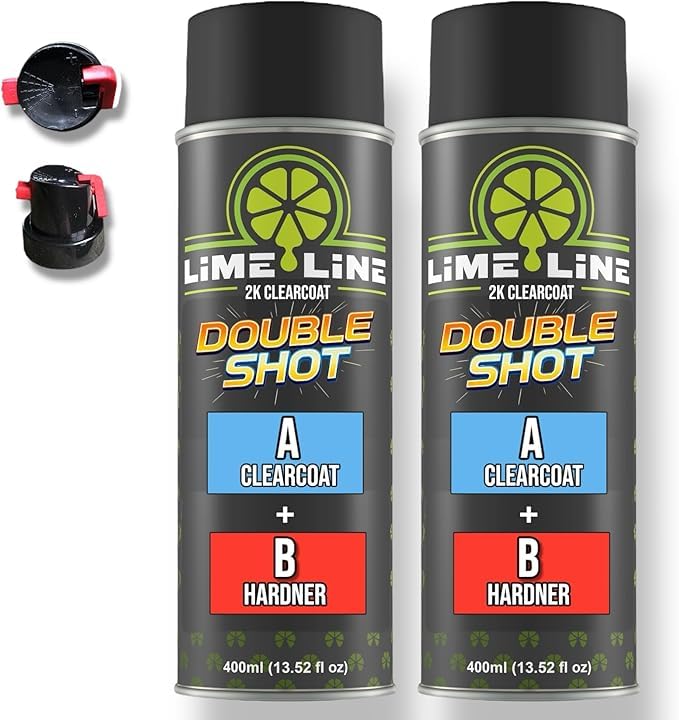
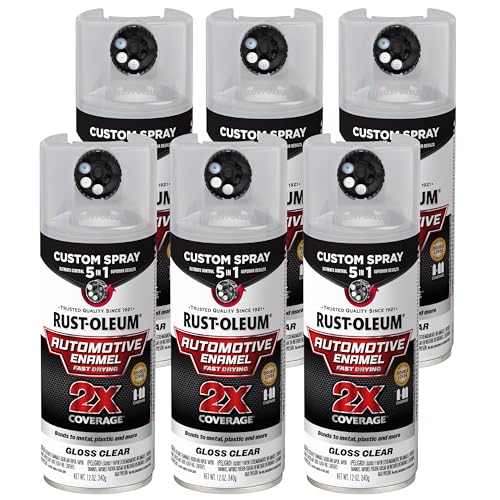

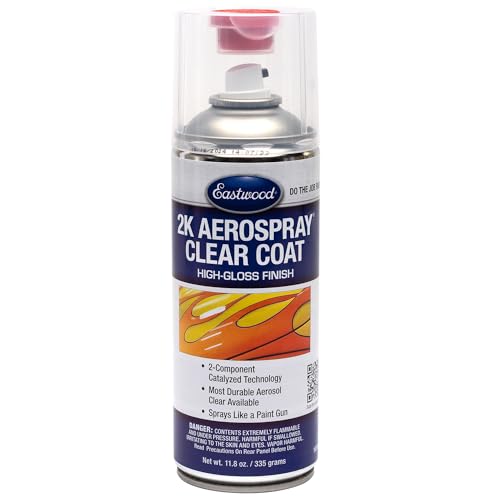

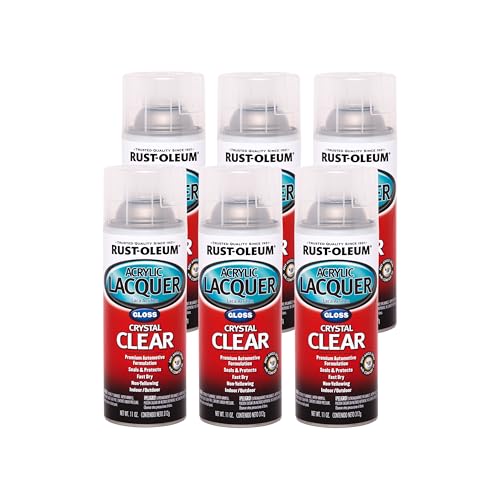
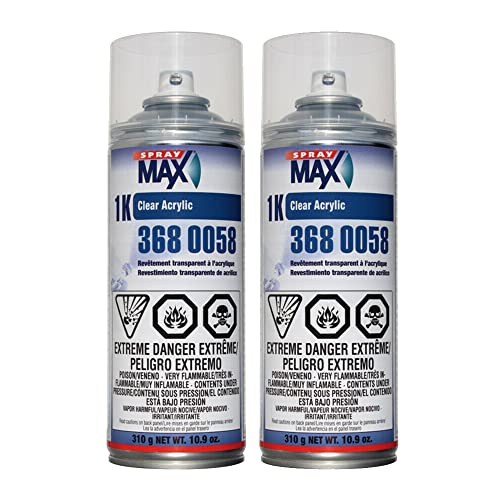
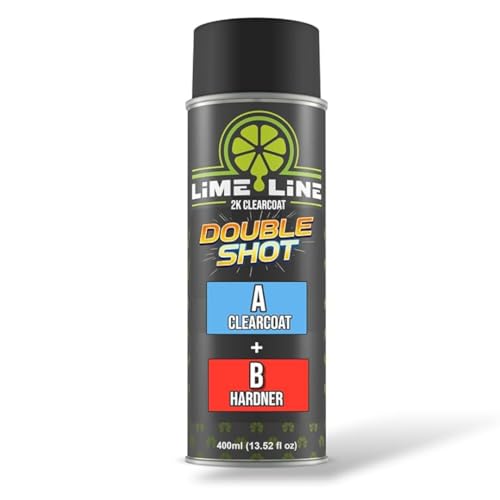
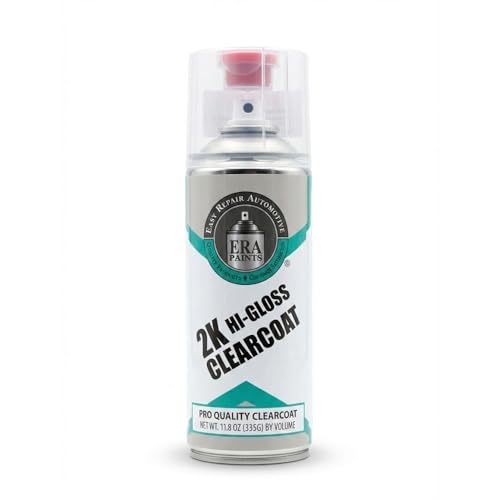
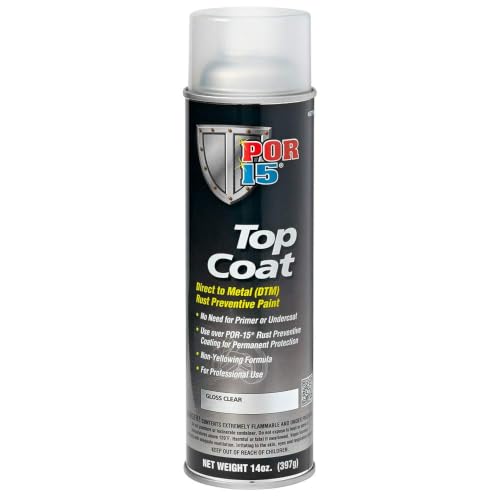
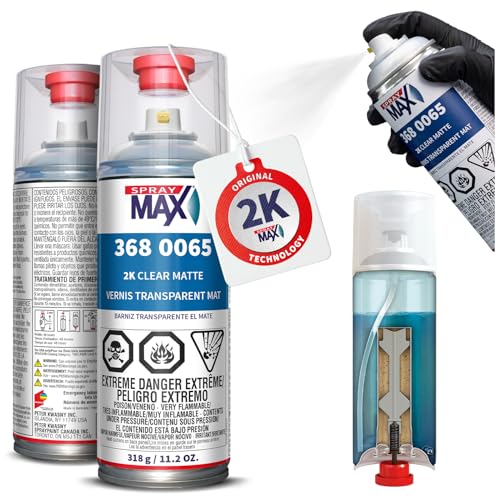
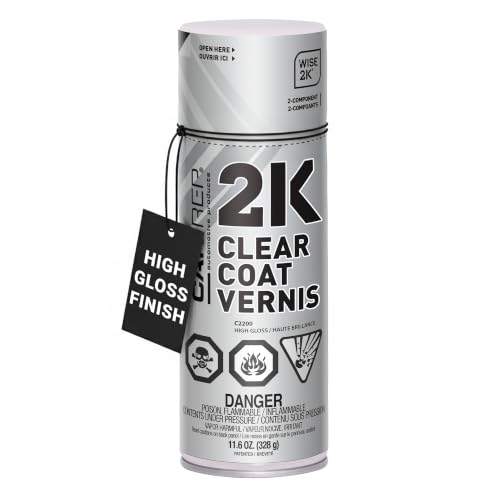
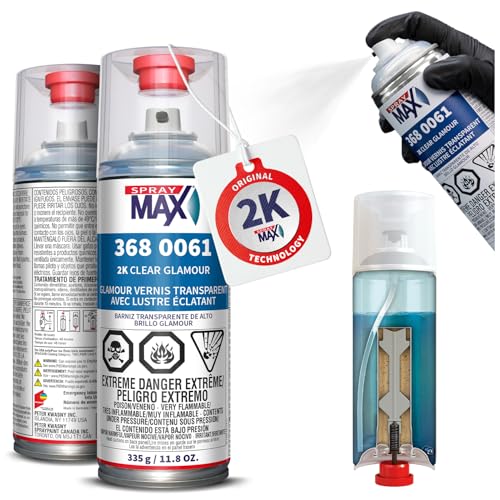
1K vs 2K: Which Type of Clear Coat Actually Fits Your Job
Every automotive clear coat spray can on the market falls into one of two categories, and this single choice affects everything else about the job: cost, prep work, safety gear, and how the finish holds up years down the road.
What 1K Clear Coat Does Well
1K, or single-component, clear coat dries through simple air exposure. There's no hardener to mix in, no activation step, and no clock running once you pop the cap. It's the more budget-friendly option and the easiest to use for a small touch-up, a bumper corner, or a first attempt at spray work. The tradeoff is durability. A 1K finish is softer and more vulnerable to gas spills, chemical splashes, and general wear than a catalyzed finish.
What 2K Clear Coat Does Well
2K, or two-component, clear coat uses an internal hardener that mixes with the clear when you press the can's activation button, then cures through a genuine chemical reaction instead of just evaporation. That reaction is what gives 2K clear coat its glass-like hardness and strong resistance to gasoline, solvents, and UV fading. It's closer to what a body shop actually sprays, which is why enthusiasts doing a visible panel or a full respray usually reach for it.
Which One You Should Buy
If you're covering a small touch-up spot, working somewhere the finish won't take much abuse, or you're spraying for the first time, 1K keeps the job simple. If you're repainting a full panel, a bumper, or anything you want to hold up outdoors for years, 2K is worth the extra cost, the ventilation requirements, and the tighter working window it demands.
What to Check on the Can Before You Buy
Once you know whether you need 1K or 2K, a few label details separate a can that sprays like a pro used it from one that leaves you sanding out mistakes.
Gloss Level and Clarity
Look for a can that specifically advertises a "high gloss" or "mirror" finish rather than a generic clear top coat. Cheaper formulas can dry with a slight haze or a duller sheen once fully cured, which is hard to fix after the fact without wet sanding and buffing the whole area again.
UV Resistance and Long-Term Durability
Sun exposure is the single biggest factor in how long a clear coat lasts. A can that lists UV inhibitors or UV-resistant additives will hold its gloss and resist yellowing far longer than a bargain formula, especially on horizontal surfaces like hoods and roofs that take the most direct sunlight.
Nozzle Quality and Spray Pattern
This is the detail most people skip and regret. A cheap, inconsistent nozzle is one of the most common reasons a DIY clear coat job ends up with an uneven, textured finish instead of a smooth one, no matter how good the chemistry inside the can is. Reviews and product pages that mention a fan-pattern or adjustable nozzle are worth prioritizing.
Compatibility With Your Basecoat
Not every clear coat is formulated to sit safely over every basecoat. Solvent-heavy clear coats can react with certain lacquer or enamel basecoats and cause wrinkling or lifting. Check that the can is labeled safe for use over the type of basecoat already on your vehicle, or over the specific touch-up paint you used.
How Much Clear Coat You'll Actually Need
Running out of clear coat halfway through a panel is one of the most common DIY frustrations, mostly because clear coat gets used up faster than base color. Most spray jobs call for two to three coats of clear over the base, and clear coat tends to need slightly more volume than color coat to build an even, protective layer.
As a rough guide, a single 12 to 16 ounce aerosol can is usually enough for a small area like a mirror, door handle surround, or a scuffed corner. A full bumper or fender typically takes two cans to get full, even coverage across the whole panel without running thin toward the edges. A larger panel, a full hood, or multiple panels in one job should be budgeted at three or more cans. Buying one extra can beyond your estimate is cheap insurance against having to stop mid-coat to run to the store, which almost always shows up in the final finish as a visible line or texture change.
Getting a Clean Finish: Spray Technique and Cure Time
Even the best automotive clear coat spray can money can buy will show every mistake in your technique, so a few basics make a bigger difference than the price tag on the can.
Spray Distance, Coats, and Timing
Hold the can roughly six to eight inches from the surface and move in smooth, overlapping passes rather than stopping to spray one spot heavily. Apply a light first coat to build tack, then follow with two medium, wetter coats once the previous layer has flashed off, usually five to ten minutes apart depending on temperature. Spraying in direct sun, high humidity, or windy conditions is one of the fastest ways to ruin an otherwise good can of clear coat.
How Long to Wait Before Buffing or Driving
Clear coat needs real cure time before you touch it, not just surface-dry time. Most aerosol clear coats are safe to handle gently within a day, but full hardness for wet sanding and buffing can take anywhere from several days to a couple of weeks depending on the formula and the weather. If you plan to wet sand and machine polish the finish for that final glassy look, it's worth reviewing a guide on choosing the right buffers, pads, and compound before you start, since buffing too early is one of the easiest ways to burn through a fresh clear coat.
Why Clear Coat Fails: Fisheye, Orange Peel, and Cracking
These three problems account for the vast majority of DIY clear coat complaints, and each one has a specific, identifiable cause.
Fisheye
Small, crater-like dimples in the clear coat almost always mean contamination on the surface before you sprayed, usually leftover wax, silicone, or oil that wasn't fully removed during prep. Thorough cleaning and a wax and grease remover before spraying is the fix, not a different can of clear coat.
Orange Peel
A bumpy, textured surface that looks like the skin of an orange usually points to material going on too dry or too thin, often from holding the can too far away or moving too fast across the panel. Slowing down, closing the spray distance slightly, and applying fuller wet coats generally solves it.
Cracking
Fine, spider-web style cracks that show up hours or days after spraying are typically caused by applying coats too heavily too fast, or by big temperature swings during cure. Giving each coat proper flash time and avoiding spraying in extreme heat or cold protects against this far more reliably than switching products.
Frequently Asked Questions
What is the difference between 1K and 2K clear coat?
1K clear coat air-dries on its own, while 2K clear coat mixes in a hardener that cures through a chemical reaction. 2K is harder and more chemical-resistant, but it requires ventilation, a respirator, and a tighter working time.
Is 2K clear coat better than 1K for a car?
For a full panel or anything exposed to daily weather and wear, yes, 2K generally holds up better long term. For a small touch-up or a first attempt, 1K is easier to work with and forgiving of mistakes.
How many coats of clear coat does a car need?
Most jobs use two to three coats: a light first coat to help the next layers grip, followed by one or two fuller, wetter coats to build gloss and protection.
How long should clear coat dry before buffing?
Surface handling is usually safe within a day, but full cure for wet sanding and buffing can take anywhere from several days to a couple of weeks depending on the product and temperature. Buffing too soon risks burning through the finish.
Can you clear coat over any paint?
Not always. Some clear coats can react with certain older lacquer or enamel finishes and cause lifting or wrinkling, so it's worth checking the can's compatibility guidance against your existing paint before spraying.
Why does clear coat crack or fisheye?
Cracking usually comes from coats applied too heavily or fast temperature changes during cure. Fisheye almost always traces back to contamination, like leftover wax or oil, on the surface before spraying.
How many cans of clear coat do you need for a bumper?
Plan on roughly two cans for a full bumper to get even coverage without running thin near the edges, and consider a third on hand as backup so you're not stopping mid-job.
Making the Right Call Before You Buy
Choosing the best automotive clear coat spray can for your project comes down to matching the chemistry to the job: 1K for small, forgiving touch-ups, 2K for anything that needs to hold up long term. Beyond that, gloss level, UV resistance, and a decent nozzle matter more than brand loyalty. Buy a little more than you think you'll need, respect the cure time, and most of the classic DIY finish problems simply won't show up.