Best Automatic Wrist Watches: Match the Watch to Your Needs for 2026
Disclosure: We may earn a commission when you buy through links on this page, at no extra cost to you. As an Amazon Associate I earn from qualifying purchases. Learn more

A guide to the best automatic wrist watches that links features to real use cases, so you avoid overpaying and get the right fit the first time.
There is no single automatic watch that suits every wrist, job, and budget, and pretending otherwise leads to expensive mistakes. This guide starts with how you actually live, then matches movement, size, and sealing to that routine. If you are comparing best automatic wrist watches, use the comparison table below for specs and the sections here for the use case that sounds most like you.
A commuter who wears a shirt cuff needs a different case profile than an outdoor worker who needs bold lume. A gift buyer needs easy sizing and broad appeal, while a first time buyer needs simple setting and forgiving upkeep. Naming your group first makes every later feature choice easier and cheaper.


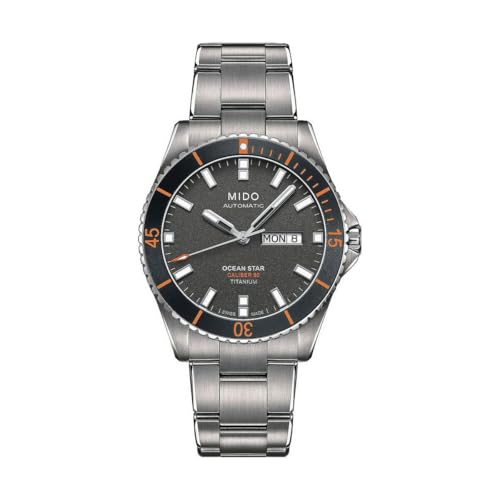
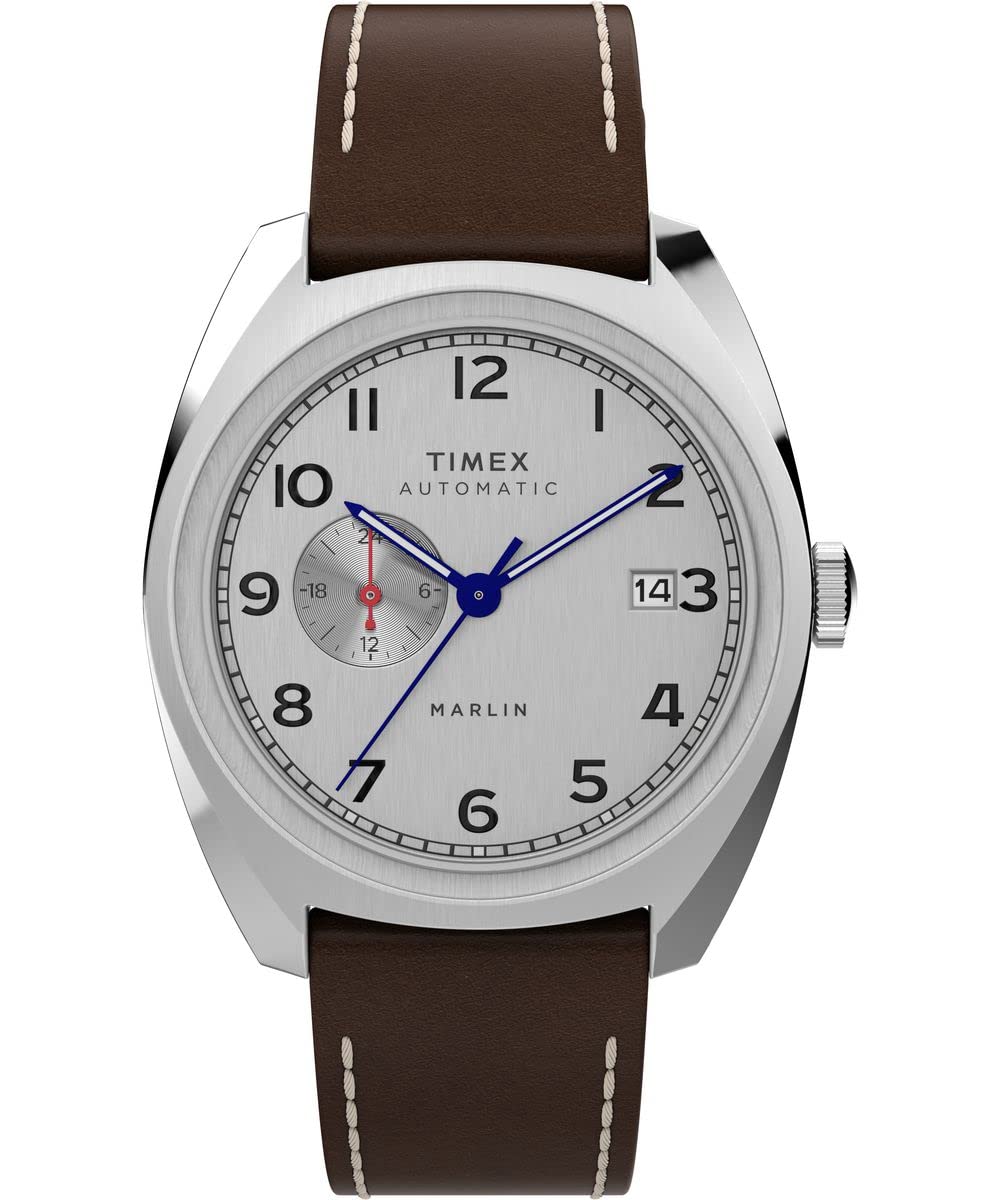
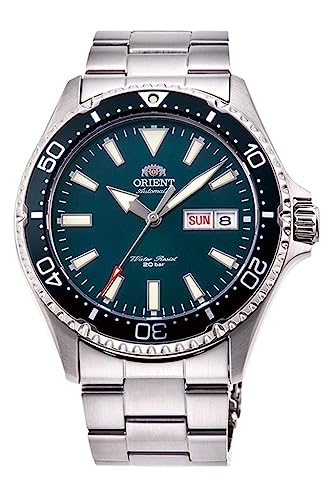
Who Should Buy the Best Automatic Wrist Watches?
Use these profiles as a filter. Once you know your group, you can ignore entire categories of watches that were never built for your routine, and focus on the few details that decide satisfaction.
For People Who Want the Best Performance
Performance seekers should pay for regulation, power reserve, and protection. A reserve of 70 hours or more, sapphire crystal with anti reflective coating, and a movement with strong shock and magnetic resistance deliver real gains. Premium pricing is worth it here when it buys accuracy you can observe week to week and a case that stays readable in glare. It is not worth it when it only buys heavier branding on the dial. Set a clear accuracy expectation before buying and check return terms.
For Value Seekers
Value seekers should balance purchase price against service cost and durability. The sweet spot is usually a proven movement, sapphire or quality mineral crystal, and a steel case with 100 m water resistance for daily flexibility. A bracelet with solid links lasts longer than a fancy strap that wears out in a year. If you have a smaller wrist, start by reviewing our guide to the best automatic watches for small wrists so value does not come at the cost of poor fit.
For Gift Shoppers
Gift shoppers should choose versatility, simple sizing, and a strong warranty. A neutral dial in 38 mm to 40 mm suits most wrists and outfits, and a bracelet with easy link removal or a strap with many holes fits more recipients. Avoid highly specific styles such as oversized dive cases or bright fashion dials unless you know the taste well. Include the receipt, keep tags on until fit is confirmed, and favor sellers with painless exchanges for size or color.
For First Time Buyers
First time buyers should prioritize ease and reliability. Choose a movement with hand winding and hacking so setting feels intuitive, a dial you can read at a glance, and water resistance that forgives rain and hand washing. Avoid complicated calendars and moon phase displays at entry level, because each extra function adds setting steps after the watch stops. A simple three hand watch with a date is the best teacher, and it remains useful even after you buy more watches later.
Automatic Wrist Watches for Specific Needs
Some buyers arrive with a firm ceiling and need to know what to protect within it. The focused section below handles the most common ceiling request without repeating the full guide.
Best Automatic Wrist Watches under 1000 Dollars: What to Prioritize
When shopping for best automatic wrist watches under 1000 dollars, prioritize movement quality, case finishing, and bracelet construction in that order. At this level you should expect strong regulation, sapphire crystal front and often back, and a clasp that feels machined rather than stamped. Do not spend the whole budget on case size or dial novelty while accepting a basic movement. A well chosen watch under this ceiling can be a long term keeper.
Key Features to Compare
Features only matter when they connect to a moment in your day. The sections below tie each spec to a real situation, so you can judge listings in the product table above by consequence rather than by marketing order.
Case Size and Wrist Fit
Case size decides comfort before style. Diameter from 38 mm to 42 mm suits most adults, but lug to lug length and thickness decide the true fit. A watch that extends past your wrist edges will catch and look borrowed, while a tall case fights shirt cuffs. Measure your wrist, note its shape, and compare lug to lug first. Curved lugs and slim profiles wear smaller than flat, thick cases. If you are unsure, choose the smaller size, because an automatic gains presence from dial design more than from extra millimeters.
Water Resistance Rating
Water resistance protects against your wettest regular activity. A 30 m rating covers splashes only, 50 m covers rain and careful hand washing, 100 m covers swimming, and 200 m with a screw down crown covers frequent water sport. Heat and soap reduce gasket life, so hot showers are unkind even to rated watches. Rinse salt water promptly and have seals checked every few years. For work specific needs such as frequent hand washing and easy cleaning, our guide to the best wrist watches for nurses covers related priorities in detail.
Legibility and Style
Legibility is how fast you can read the time in poor light, glare, or motion. Strong lume on hands and markers, high contrast, and uncluttered spacing all help. Polished hands on a light dial can vanish in sun, while matte black hands on white read instantly. Style should follow setting. A restrained dial suits office and formal wear, a field style suits outdoor work, and a dive style suits casual and water use. Choose one primary setting and let the watch excel there.
Smart and Fitness Features
A traditional automatic offers no GPS, no heart rate tracking, and no step counts, and that absence protects it from obsolescence. If your training or health routine needs those tools, use a dedicated fitness device and follow clinician advice for personal health decisions rather than treating any wrist device as medical equipment. The automatic offers a different benefit set, namely instant reading, no charging, and repairable mechanics. Do not buy an automatic expecting app features to arrive later, because they will not.
Movement Type (Quartz, Automatic, Solar, Smart)
Movement type shapes accuracy and upkeep for years. Automatic movements wind from motion, store roughly 40 to 80 hours of power depending on caliber, and need service every 5 to 7 years. Quartz is more accurate and cheaper to maintain, solar charges from light and avoids battery swaps, and smart movements add screens and sensors with daily charging. If you wear one watch daily, automatic upkeep feels light. If you rotate many watches, quartz and solar stay ready with less attention. Readers comparing the wider category can also browse our guide to the best wrist watches of all movement types.
Practical know how for new owners is simple. Wear the watch for a full active day to build reserve before judging accuracy, because a partly wound movement can run less steadily. Set the time, wear it for a week, and note gain or loss against your phone at the same hour each day. That honest record tells you more than a single day check and helps a watchmaker regulate it if needed.
Common Mistakes to Avoid When Buying Automatic Wrist Watches
Most regrets follow the same few patterns. Check your shortlist against this list before you pay.
- Looking only at price and ignoring case size and wrist fit, which leads to a watch that is rarely worn.
- Buying too large or too small without checking lug to lug length and thickness in millimeters.
- Skipping warranty terms and return windows, then discovering service is costly or exchanges are hard.
- Assuming a high meter rating means hot showers and sauna use are safe for gaskets and straps.
- Choosing complex displays for a first automatic, then leaving the watch unworn because resetting it feels tedious.
- Paying for a bracelet style you dislike, when strap and bracelet comfort decides daily use more than dial color.
Budget shoppers can avoid several of these mistakes by reading our guide to the best affordable wrist watches and noting which basics remain present even at low prices. A low price is only a bargain when fit, sealing, and legibility are still sound.
Care and Maintenance Tips
Care for an automatic is mostly habit. Service automatic watches every 5 to 7 years or sooner if timekeeping changes sharply or water enters the case. Rinse after saltwater exposure with fresh water and dry thoroughly. Store away from magnets and away from prolonged direct sun. Keep leather straps dry, rotate straps to spread wear, and store the watch in a dry place with the crown pushed in. If the watch stops, wear it or wind it gently rather than shaking it. A watchmaker can check magnetism and regulation quickly, and early attention prevents larger repair bills.
FAQs
Is a smartwatch worth it over a classic watch?
A smartwatch is worth it when notifications, GPS routes, and activity data shape your decisions every day. A classic automatic is worth it when you want dependable time without charging, updates, or a screen competing for attention. Lifespan differs sharply, because software support ends while mechanical service continues. Choose by the job you repeat most, and consider owning one of each for different settings if your budget allows.
How water resistant should a watch be?
It should exceed your wettest normal week by one step. Office and town wear needs splash protection, active outdoor wear benefits from 100 m, and regular swimming or water sport needs 100 m to 200 m with a secure crown. Also factor strap material, because a rated case on a leather strap is still not a swim watch until you swap the strap for rubber or steel.
What case size fits my wrist?
Start with lug to lug length, then diameter, then thickness. Many smaller wrists suit 36 mm to 39 mm cases with a lug to lug under 47 mm, while larger wrists often suit 40 mm to 42 mm. Try photos on a wrist of known size when you cannot try in person. If the lugs overhang, size down even if the diameter seems standard on paper.
How long does a watch battery last?
An automatic watch has no battery, so the relevant span is power reserve, usually 40 to 80 hours of running after a full wind. A quartz battery lasts about 2 to 3 years for comparison. If your watch stops often because you rotate pieces, that is normal behavior rather than a fault. A winder can help, but manual winding and resetting is also a normal part of ownership.
Quartz or automatic: which is better?
Quartz is better for accuracy, slim design, and low cost upkeep. Automatic is better for mechanical craft, long repairable life, and freedom from batteries. Neither answer fits everyone. A nurse timing tasks, a traveler crossing zones, and a collector who enjoys movements will rank these traits differently. State your top need in one sentence before shopping, and the better type usually becomes obvious.
The Bottom Line
Match the watch to your group first, then confirm fit, sealing, and movement upkeep before you admire the dial. Those three checks prevent nearly every common regret and keep your budget focused on what you will feel daily. Review your finalists in the product table above once more, and choose the best automatic wrist watches option that fits your routine today rather than an imagined routine later.