
Best Automatic Watches for Small Wrists: Our 2026 Checklist and Buying Guide
Disclosure: We may earn a commission when you buy through links on this page, at no extra cost to you. As an Amazon Associate I earn from qualifying purchases. Learn more

Use this checklist to choose the best automatic watches for small wrists, with guidance on case diameter, lug length, thickness, straps, and movement care.
On a small wrist, a watch can go from handsome to overwhelming with just a few millimeters of extra case. This guide is built around fit first, because the best automatic watches for small wrists are not simply smaller versions of big watches; they balance diameter, lug length, thickness, and strap shape as one system. Our checklist shows you how to judge that balance before you spend anything.
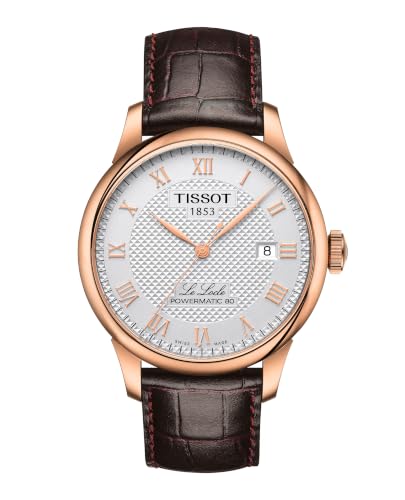
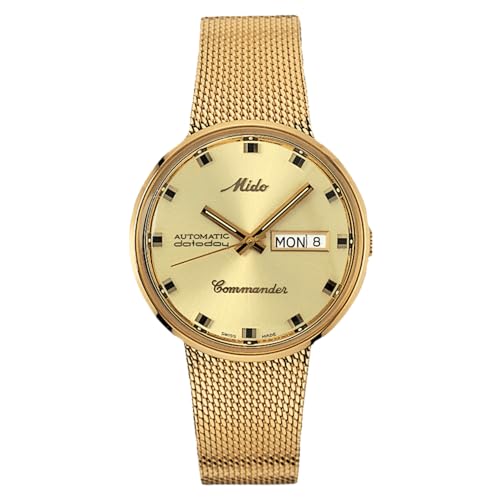
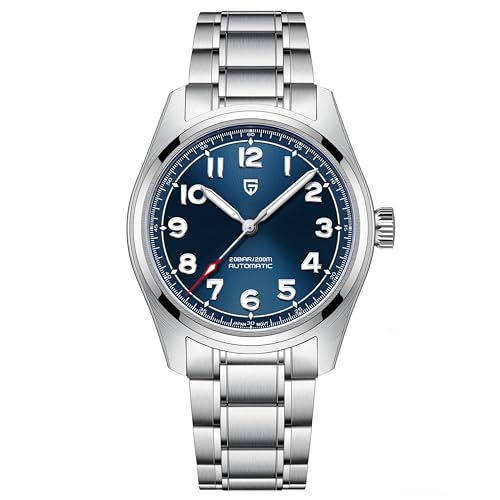
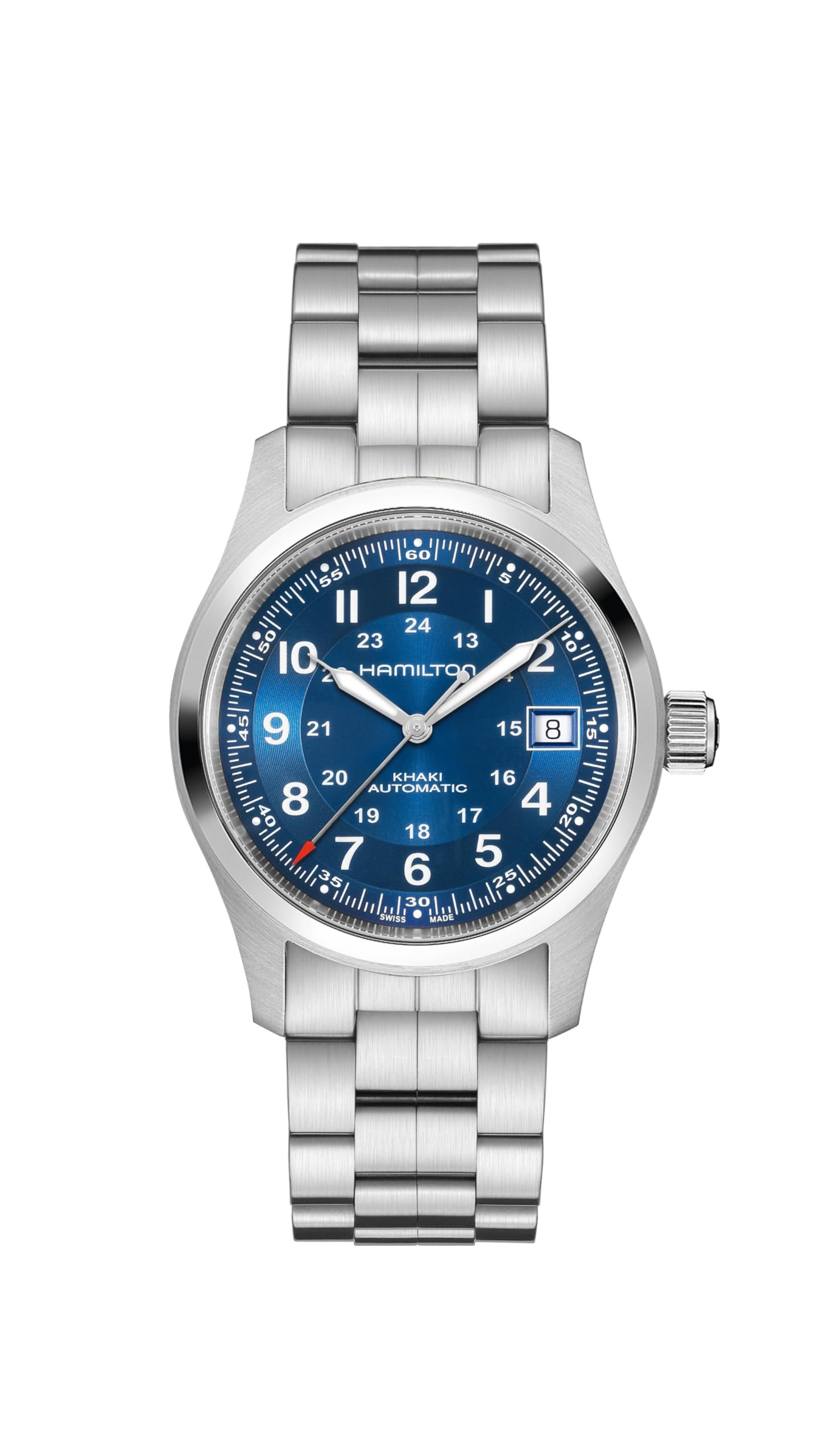
You will learn the measurements that matter, how to score a listing in minutes, and which style profiles pass the test for slim wrists. Use the comparison table below to gather dimensions, then run each candidate through the sections that follow. A watch that fits well disappears on the wrist in the best way, leaving only the dial you enjoy.






How We Evaluate Automatic Watches
Score every candidate on the same six criteria, and let fit veto everything else. A superb movement in a case that overhangs your wrist is the wrong watch, full stop. Specs you cannot find listed, such as lug to lug length, are worth a message to the seller before you buy.
Features That Matter for Small Wrists
Small wrists need cases of about 34 to 38 mm for most wearers, lug to lug lengths under about 46 mm, and thickness near or under 12 mm so the watch slides under a cuff. Short, curved lugs help the strap drop straight down instead of jutting out and creating gaps. Weight matters too: a slim steel watch or a titanium case feels balanced, while a thick dive case can pull and twist all day. Dial design counts as a fit feature, because a clean dial with modest markers looks proportionate where a crowded dial looks larger than the case.
Measuring for Size and Portability
Measure your wrist with a soft tape just behind the wrist bone, and note the flat width across the top, because that width is your true lug to lug limit. A practical know how method: cut a strip of paper to a candidate lug to lug length and lay it across your wrist; if it reaches past the edges, the watch will overhang. Compare thickness against a watch you already own and like. Portability favors slim cases and fabric or leather straps, which pack flat in a travel roll and add almost no bulk to a bag.
Movement Type (Quartz, Automatic, Solar, Smart)
Automatic movements suit small wrists well because many classic calibers were designed for modest case sizes, and they need no battery changes. Expect a power reserve of about 38 to 80 hours and a service every 5 to 7 years. Quartz allows even thinner cases and sharper accuracy, solar adds light powered ease, and smartwatches pack GPS and sensors into cases that often run large and thick for slim wrists. If you love the mechanical feel, automatic is the natural fit here; if thinness is everything, quartz wins on that single point.
Brand Reputation, Warranty, and Value
Choose brands that state full dimensions, including lug to lug, and that offer at least a two year warranty with service reachable in the United States. Smaller and heritage brands often serve this niche best, because they still design for classic sizes while fashion lines chase oversized trends. Value on a small wrist means paying for proportion and finishing, not for extra steel you cannot wear. If a brand hides dimensions or lists only diameter, treat that silence as a warning. Our broader guide to the best watches for small wrists shows how these fit rules apply across quartz and solar models too.
Smart and Fitness Features
Smart features tempt many buyers, but GPS, heart rate sensors, and bright screens push cases toward 40 mm and beyond, which fights the whole goal of this guide. If you want training data, a slim fitness band worn on the other wrist often beats a bulky smartwatch for comfort. Remember that health metrics from any wrist device are general wellness information, not a medical device reading, and should never replace advice from a clinician. For most small wrist buyers, a clean automatic plus a phone covers daily needs with far better comfort.
Legibility and Style
Legibility on a small dial depends on restraint: strong contrast, hands long enough to read instantly, and lume on the hands and key markers. Avoid tiny subdials and dense scales, which shrink the useful dial further. Style wise, field and dress designs in classic proportions flatter slim wrists, while dive styles can work if the case stays near 38 mm with short lugs. A light dial can look larger and a dark dial smaller at the same size, a useful trick when you are between sizes. For more size focused options, see our guide to the best small automatic watches.
Three Profiles That Pass Our Checklist
Use these profiles to sort listings fast. Each one names who it suits, the specs to demand, and the compromise to accept. Check the product table above for dimensions before falling for any dial.
The Overall Profile
This profile suits most small wrist buyers: a 36 to 38 mm case, lug to lug under about 46 mm, thickness under 12 mm, and 100 meters of water resistance for worry free daily wear. Demand a strap that tapers, because a strap that narrows toward the buckle keeps the whole watch looking balanced. A movement with hacking and hand winding makes setting pleasant. Accept a simple leather or fabric strap at lower prices, and upgrade it later; strap swaps are the cheapest way to refresh a watch that already fits.
The Value Profile
The value profile spends on size and movement and saves on crystal and bracelet extras. Look near the lower tiers for classic sized field or dress designs with proven entry movements, mineral crystal, and honest 50 to 100 meter ratings. The compromise is scratch resistance and clasp refinement, both livable for a daily watch you rotate with care. This profile is perfect for a first automatic on a slim wrist, because the low price lets you confirm your ideal size before spending more.
The Compact Profile
The compact profile chases the smallest comfortable footprint: cases of 34 to 36 mm, short curved lugs, and thin cases that vanish under a cuff. It suits very slim wrists and anyone who prefers vintage proportions. Demand a dial with bold enough markers to stay readable at this size, and check that the crown is still easy to grip despite the small case. The compromise is presence; a compact watch looks refined, not bold. Shoppers who want general automatic background can compare with our guide to the best automatic wrist watches.
Quick Buyer Checklist
Answer these before you buy, and require a yes on the first four.
- Is the case diameter 38 mm or under for your wrist?
- Is the lug to lug length shorter than the flat top of your wrist?
- Is the thickness near or under 12 mm for cuff friendly wear?
- Does the strap taper and offer holes or adjustment fine enough for your wrist?
- Is water resistance at least 50 meters, and 100 meters if you swim?
- Is the movement named, with hacking and hand winding?
- Can you return the watch after trying it at home with the tags on?
Red Flags to Watch For
Be wary of listings that give diameter but hide lug to lug length, because overhang is the most common small wrist disappointment. Question unisex labels on 42 mm cases, which rarely wear small no matter the marketing. Treat a thick case over about 13.5 mm as a red flag for cuff wear, and a non tapering chunky bracelet as a fit risk. Short warranties and vague movement descriptions round out the warning list. Women shopping this niche may also want our guide to the best women's watches for small wrists for styling notes.
Choosing Automatic Watches for Your Situation
Best Swiss Automatic Watches for a Small Wrist: What to Check
When you shop best swiss automatic watches for a small wrist options, check three things beyond the Swiss made label. First, confirm the brand still offers cases at 38 mm or under, because many Swiss lines start larger. Second, weigh the premium honestly: you are paying for movement finishing, heritage, and service networks, which are real but invisible on the wrist. Third, check bracelet end link shape, since integrated or stiff first links can add effective length that ruins an otherwise perfect size.
How to Make Your Automatic Watch Last Longer
Service your automatic every 5 to 7 years, sooner if the rate drifts or the crown feels gritty. Rinse it in fresh water after saltwater exposure, dry it fully, and store it away from magnets such as phone speakers and magnetic clasps, which can speed the movement up. A second know how habit: rotate two straps if you wear the watch daily in summer, because sweat shortens leather life, and a fabric strap handles heat and washing far better.
FAQs
What features matter most in automatic watches for small wrists?
Lug to lug length matters most, followed by thickness and strap taper. A 38 mm case with long flat lugs can wear larger than a 39 mm case with short curved lugs, so never judge by diameter alone. Weight distribution matters too: a watch that sits centered and flat feels smaller than its numbers. Always confirm all three dimensions before buying online.
What case size fits my wrist?
Most small wrists, roughly 5.5 to 6.5 inches around, suit 34 to 38 mm cases with lug to lug lengths under about 46 mm. If your wrist is near 6.5 inches and broad across the top, a slim 39 mm case may also work. Try the paper strip test from the measuring section, because your wrist shape, not just its circumference, decides the answer.
How water resistant should a watch be?
Choose 100 meters if you swim or want one watch for beach trips, and 50 meters as a floor for daily wear with rain and hand washing. Small dress watches often carry only 30 meters, which means splashes only, so plan to remove them around water. Whatever the rating, seals age, so include a pressure check when the watch goes in for service.
How long does a watch battery last?
An automatic watch has no battery; it runs on a spring wound by your motion, with about 38 to 80 hours of reserve once fully wound. Battery life belongs to quartz watches, where a cell lasts about 2 to 3 years. If your automatic stops after two quiet days off the wrist, that is the reserve running out, not a fault. Wind it, set it, and wear on.
Is a smartwatch worth it over a classic watch?
For small wrists, usually not as your main watch, because smartwatch cases tend to run large and thick to fit their screens and sensors. A classic automatic in the right size will be more comfortable for all day wear and will last far longer. If you want step and workout data, a slim band on the opposite wrist gives you the data without the bulk. Readers comparing fit for men can also see our guide to the best watches for guys with small wrists.
Quartz or automatic: which is better?
Automatic is better if you value craft, a sweeping seconds hand, and a watch that can be serviced for decades. Quartz is better if you want the thinnest possible case and the sharpest accuracy for the least money. On a small wrist both can fit beautifully, since classic sizes exist in each family. Choose by the ownership style you prefer, then let the fit checklist make the final call.
The Bottom Line
Fit is the whole game here: lug to lug under your wrist width, a case near 34 to 38 mm, sensible thickness, and a strap that tapers. Add a named movement and honest water resistance, and you have a watch that looks made for you. Compare dimensions in the comparison table above, and trust that the best automatic watches for small wrists are the ones strangers assume were sized by a tailor.


