
Best Automatic Watches for Men's by Budget: Smart Choices for 2026
Disclosure: We may earn a commission when you buy through links on this page, at no extra cost to you. As an Amazon Associate I earn from qualifying purchases. Learn more

Compare the best automatic watches for men's at every price point. Learn what you get at budget, midrange, and premium levels and where spending more pays off.
Automatic watches for men span a huge range, from under $100 starter pieces to luxury names that cost more than a car. This guide keeps things grounded by budget, so you can see what each price level really delivers and skip the upgrades that add cost without adding joy. The best automatic watches for men's at any price share three traits: a movement with a service history, a case that fits your wrist, and specs stated without fog.
An automatic movement runs on the motion of your arm, wound by a rotor that spins as you move. Price buys refinement around that simple idea: better crystals, steadier rates, stronger water resistance, and bracelets that feel like jewelry rather than tin. Use the comparison table below to compare candidates, then use the tiers here to set your budget with confidence.
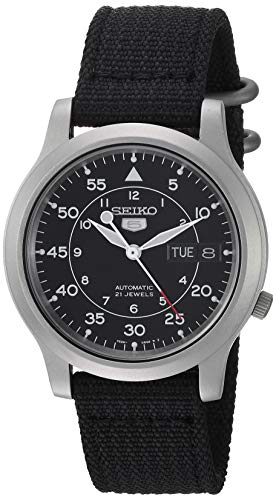


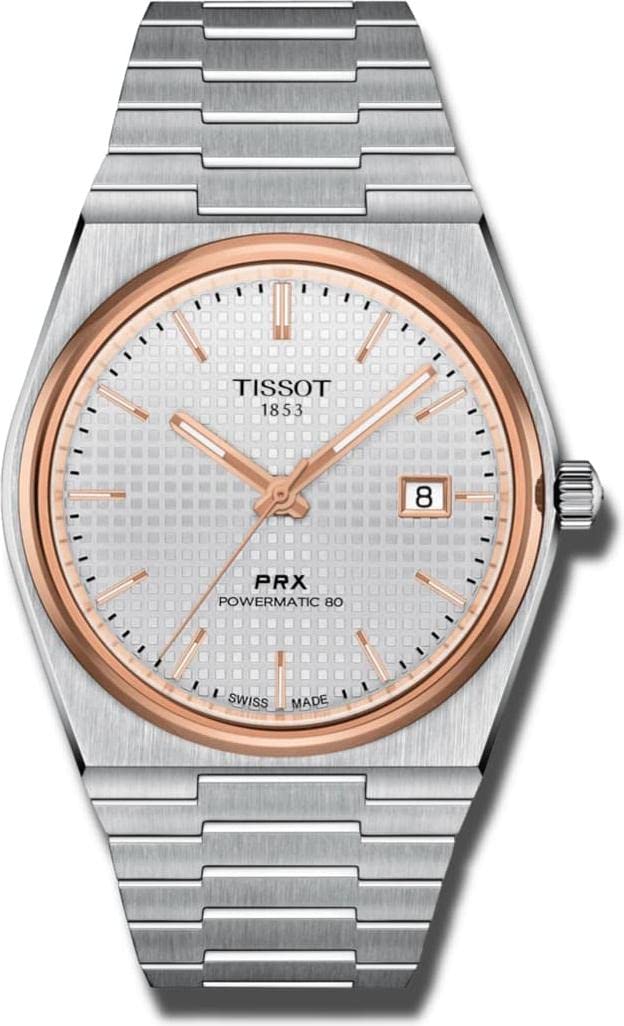


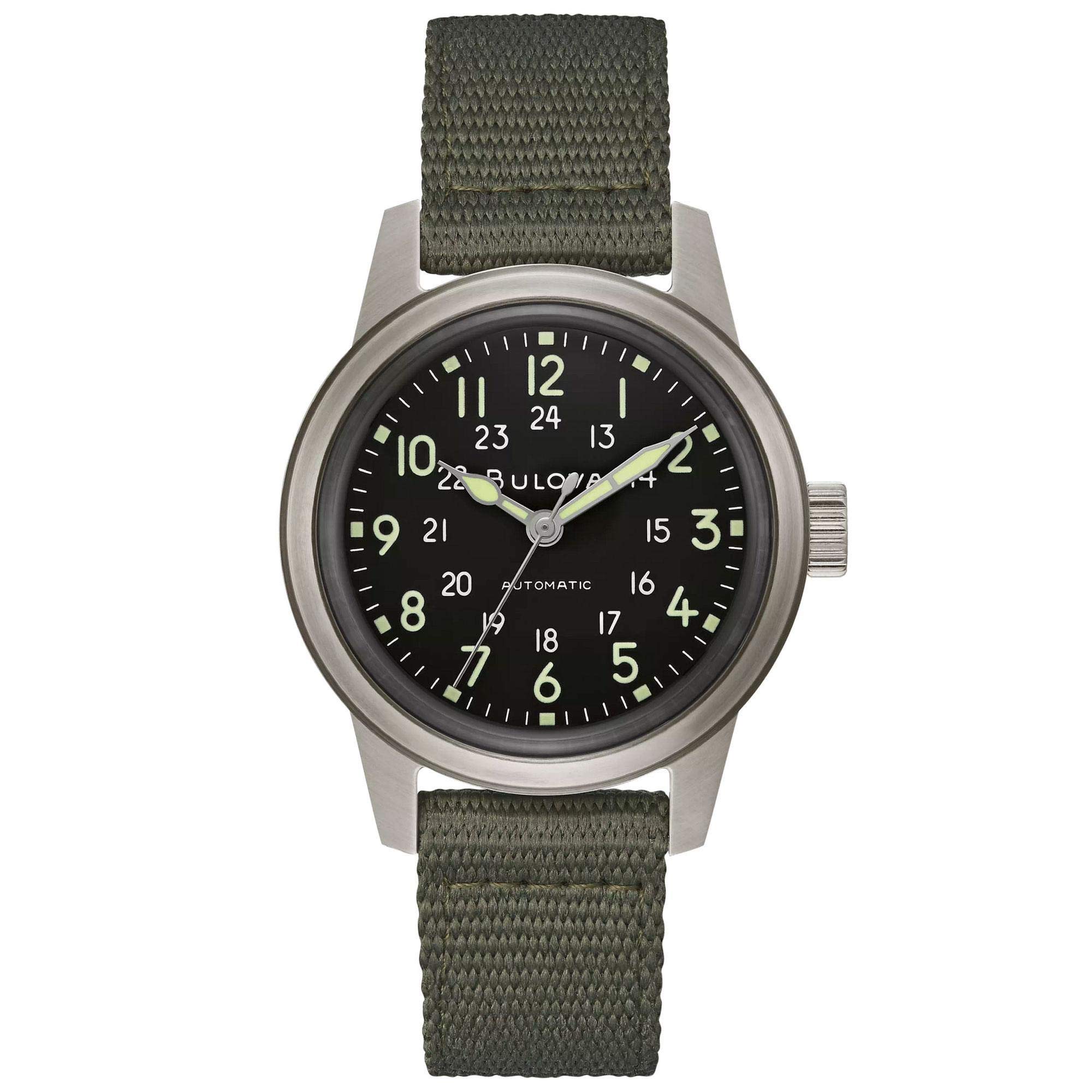


Three Budget Profiles for Men
Profiles beat single winners because men wear watches differently. One man needs a tough field watch for weekends outdoors, another needs a slim piece for a suit, and a third wants one watch for everything. Find your profile first.
The Budget Profile
Around $100 to $200, look for a proven entry movement, a 38 to 41 mm steel case, and a clean dial you can read at a glance. You gain the full mechanical experience at a price that forgives scratches and experiments with style. You give up sapphire crystal on most models and accept a strap you may upgrade within a year. This profile is ideal for a first automatic, a gift, or a rough duty watch that shares time with a nicer piece.
The Midrange Profile
Around $250 to $600, expect sapphire on many models, hacking movements, and water resistance of 100 meters or more. Bracelets improve sharply, with solid links and clasps that adjust in small steps. This profile suits the man who wants one automatic for work, travel, and weekends, worn daily for years. The tradeoff is a crowded field, so let wrist fit and dial style do the narrowing. If value is your top concern, our guide to the best affordable men's automatic watches focuses on this band in more depth.
The Premium Profile
From around $700 upward, money buys finishing and heritage: polished and brushed surfaces that meet cleanly, movements with longer reserves, and brands with deep service networks. Accuracy guarantees tighten and dials gain texture and depth that photos flatten. This profile fits a milestone purchase or a collector adding a cornerstone piece. The tradeoff is that taste errors cost more at this level, so use return windows and try sizes in person whenever you can.
What Your Money Gets You at Each Price Tier
Budget Tier: What to Expect
Budget automatics deliver honest mechanics: workhorse movements, steel cases, and mineral crystals, with water resistance from 30 to 100 meters. Straps and bracelets are functional rather than luxurious, and accuracy varies more from watch to watch. That is fine for learning the hobby. Spend on a movement that watchmakers know and a size that fits, and skip dial complications that clutter the face. A simple watch worn daily beats a fancy watch that feels wrong and stays home.
Midrange Tier: The Sweet Spot for Most Buyers
Midrange is where daily satisfaction peaks for most men. Sapphire crystal resists the scratches that desk work and door frames deliver, lume stays readable through the night, and movements hack for precise setting. Cases balance presence and comfort around 39 to 42 mm, and many models offer both bracelet and strap options in the box or as cheap swaps. Servicing is straightforward because these calibers are everywhere. If you buy one automatic in your life, this tier is the safest place to buy it.
Premium Tier: When Spending More Pays Off
Premium tiers reward men who notice details: a bezel that aligns perfectly, hands finished on every edge, and a clasp that closes with a deep, solid click. Longer power reserves near 70 to 80 hours mean the watch survives a long weekend untouched. Brand heritage and stronger resale support the price, though enjoyment should remain the real reason to spend. Choose premium when the watch marks something: a promotion, a wedding, or a decade of daily wear ahead. For a wider look at build standards, see our guide to the best quality men's watches and the checks behind that label.
Features Worth Paying For (and Ones to Skip)
Legibility and Style
Legibility is contrast, hand length, and lume quality working together. A dial you must squint at fails its main job, no matter how handsome it looks in a studio photo. Style splits into field, dive, dress, and sport families, and most men do best with the family that matches their most common outfit. A dive style with a steel bracelet covers casual and office wear well, while a slim dress style needs a wardrobe of shirts and jackets to earn its keep.
Smart and Fitness Features
Smartwatches add GPS, heart rate tracking, notifications, and training data that no mechanical watch can match. That data is useful for sport and general wellness, but it is not a medical device and should never replace care from a clinician. The costs are charging, software ageing, and a screen that competes for your attention. Many men solve this by wearing a smartwatch for workouts and an automatic the rest of the day. If that split sounds right, buy the automatic for longevity and let the smartwatch be the replaceable tool.
Movement Type (Quartz, Automatic, Solar, Smart)
Automatic movements offer craft and decades of service life with care every 5 to 7 years. Quartz offers the best accuracy per dollar and asks only for a battery every few years. Solar removes even that errand by charging from light, at the cost of more complex electronics inside. Smart movements offer data and apps with the shortest lifespan of the group. For a watch bought to mark time in both senses, automatic remains the classic answer, which is why our broader guide to the best automatic watches starts from movement choice.
What Men Should Look For
Start with fit: measure your wrist, then target a lug to lug length that stays within the flat of your wrist, usually under about 50 mm for average wrists. Weight and balance matter during long days, so a watch that pulls to one side will annoy you by Friday. Check crown grip, because you will wind and set this watch for years. Then check lume, date legibility, and whether the bracelet adjusts in small steps. A practical know how tip: wear a new bracelet slightly loose for the first week, because a tight fit that feels fine in a cool store can bite on a hot afternoon.
Water Resistance Rating
Ratings translate simply: 30 meters means splashes only, 100 meters means swimming is fine with healthy seals, and 200 meters with a screw down crown suits diving and rough water. Pay for 100 meters on a daily watch; it is cheap insurance against the moments you forget to take the watch off. Skip paying extra for extreme depth numbers on a watch that will never leave the pool. Have seals checked at service time, and rinse salt and chlorine away with fresh water after swims.
Long Term Costs to Factor In
Ownership costs include a service every 5 to 7 years, often around $200 to $500 depending on the movement and region, plus straps every one to three years and the odd bracelet pin or spring bar. A premium watch costs more to service but often holds value better, while a budget watch can be replaced for less than a major repair. Neither path is wrong; just choose with eyes open. Men building toward the four figure tier can preview that world in our guide to the best men's automatic watches under 1000, and those capping spend lower can use our guide to the best men's automatic watches under 500.
Frequently Asked Questions
What makes automatic watches for men different?
Mostly size, styling, and bracelet proportions. Cases usually run 38 to 44 mm, markers are bolder, and bracelets are sized and tapered for larger wrists. The movements are universal, so fit and taste should drive your choice. A watch that suits your wrist and wardrobe will be worn; one bought only for its spec sheet often will not. Comfort is the feature that decides whether a watch becomes your daily habit.
How long does a watch battery last?
An automatic has no battery, so it lasts as long as you keep it wound by wearing or hand winding it. Off the wrist it runs for its power reserve, about 38 to 80 hours. The battery question fits quartz watches, where cells last about 2 to 3 years. If you want zero battery errands with quartz convenience, solar models charge from light and can run for months in the dark once charged.
Quartz or automatic: which is better?
Better depends on the job. Quartz wins on accuracy, price, and thin cases. Automatic wins on craft, longevity, and the pleasure of a machine that runs on your own motion. A man who values objects with a long service life usually lands on automatic; a man who values set and forget precision lands on quartz. Owning one of each, bought at sensible tiers, is a common and happy endpoint.
How water resistant should a watch be?
For daily wear, 100 meters is the practical target, covering rain, showers, and swimming with maintained seals. Choose 200 meters and a screw down crown for frequent diving or surfing. Keep 30 meter watches dry beyond hand washing. One more habit helps any rating last: never pull or turn the crown with wet hands, because moisture enters most easily at the crown.
What case size fits my wrist?
Wrists around 6 to 6.5 inches suit 36 to 39 mm cases, wrists around 6.5 to 7.25 inches suit 39 to 42 mm, and larger wrists can carry 42 to 44 mm. Lug to lug length is the tie breaker: if the lugs hang past your wrist edges, size down even if the diameter seems right. Trying a similar case in a store teaches your eye faster than any formula.
Is a smartwatch worth it over a classic watch?
It is worth it if training data, notifications, and contactless payments shape your day. It is not worth it as your only watch if you value longevity, because batteries and software support end long before a mechanical movement wears out. Many men wear a smartwatch to the gym and an automatic everywhere else. Buy each for its strength and neither has to pretend to be the other.
Final Thoughts
Set the budget first, fit the case to your wrist second, and choose the movement and style you will enjoy daily third. That order protects you at every tier, from a first budget piece to a premium milestone watch. Compare your finalists in the product table above, and remember that the best automatic watches for men's are the ones that fit your wrist, your wardrobe, and your life well enough to be worn, not stored.


