
Best Automatic Watches for Men under 500: Budget, Midrange, and Premium Guidance for 2026
Disclosure: We may earn a commission when you buy through links on this page, at no extra cost to you. As an Amazon Associate I earn from qualifying purchases. Learn more

Learn how to choose the best automatic watches for men under 500 by price tier, with guidance on movement, crystal, case size, water resistance, and value.
Under $500 is the most competitive zone in automatic watches, and also the most confusing, because listings range from honest value to dressed up fashion pieces. This guide sorts the field by price tier so you know what each level should deliver and where your money works hardest. The best automatic watches for men under 500 share a pattern: a proven movement, a case sized for real wrists, and specs the maker states clearly.
Every tier below can put a satisfying mechanical watch on your wrist. What changes is the crystal material, the bracelet quality, the water resistance, and how refined the movement feels when you wind and set it. Use the comparison table below to line up candidates, then use these tiers to judge whether a price is fair.

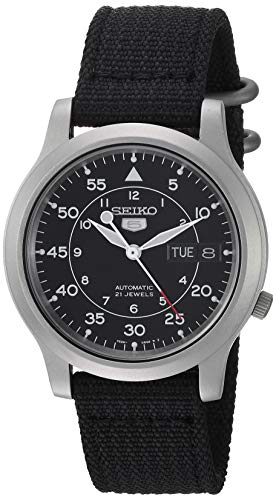


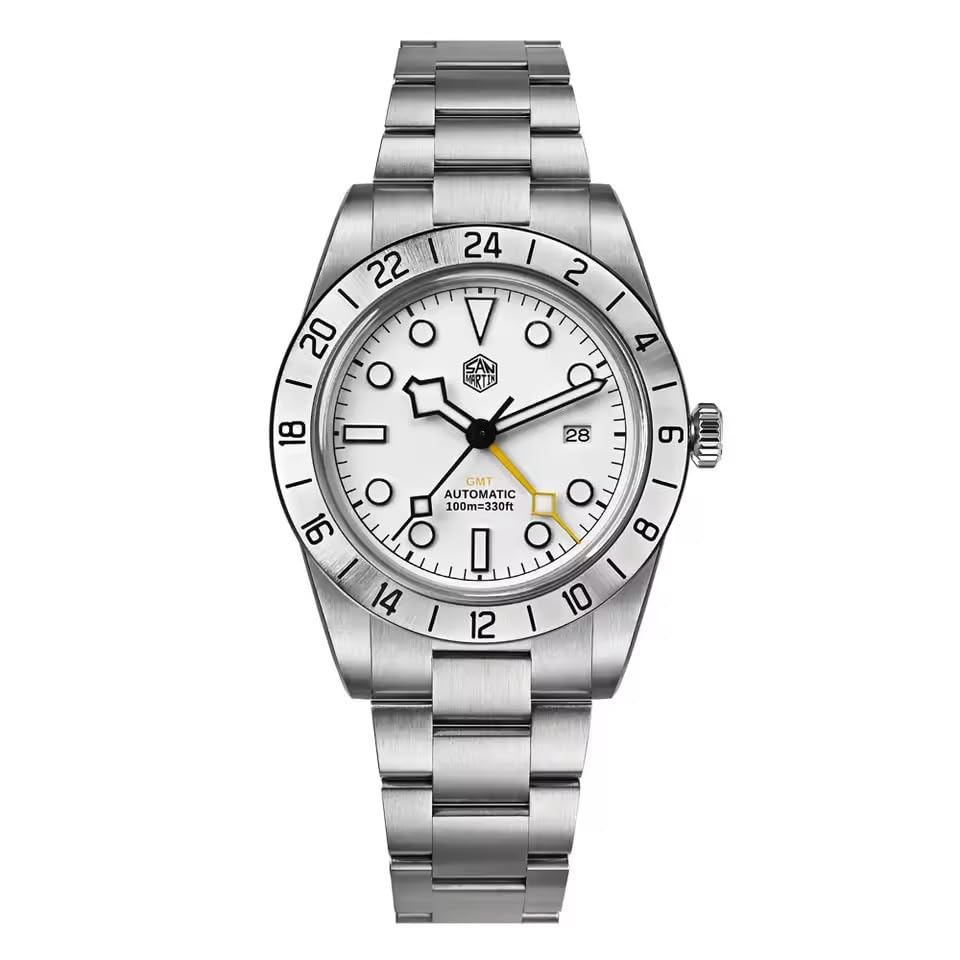


Three Budget Profiles Worth Your Money
Think in profiles rather than single winners. Each profile describes what to demand at that spend, what you gain, and what you give up. Match the profile to your week first, then shop.
The Budget Profile
Around $100 to $200, demand a known entry level automatic movement, a steel case, and at least 50 meters of water resistance. You gain the full mechanical experience, including a sweeping seconds hand and often a display case back, at a price that forgives learning mistakes. You give up sapphire crystal on most models and accept a simple strap or a light bracelet. For a first automatic or a beater for rough days, this profile is hard to beat on value.
The Midrange Profile
Around $200 to $350, demand hacking and hand winding, improved lume, and water resistance of 100 meters or more. Bracelets get solid links and better clasps in this band, and dial finishing steps up noticeably. This profile suits a man who wants one automatic for the office, travel, and weekends without babying it. You give up some premium touches such as high grade anti reflective coating, but the daily experience is close to watches costing far more.
The Premium Profile
Around $350 to $500, demand sapphire crystal, a screw down crown on sport models, and a movement with a power reserve near or above 40 hours. Finishing on hands and dial should look sharp under a loupe or a phone zoom. This profile fits a buyer who plans to keep the watch for many years and cares about detail. You give up the easy savings of the midrange tier, so insist on a solid warranty and a return window. Shoppers comparing phrasing across guides may also see this category described in our piece on the best watches under 500 automatic styles and specs.
What Your Money Gets You at Each Price Tier
Budget Tier: What to Expect
Budget automatics use workhorse movements that any watchmaker can service, paired with mineral crystal and basic straps. Accuracy is fine for daily life but may drift more across positions and temperatures. Cases run 38 to 42 mm and cover field, dive, and dress looks. Spend on movement reputation and fit rather than extra dial features. A simple three hand watch at this level will age better than a cluttered dial with complications that are hard to read and costly to repair.
Midrange Tier: The Sweet Spot for Most Buyers
Midrange is the sweet spot because the upgrades are the ones you notice daily: sapphire appears on more models, lume lasts longer into the night, and bracelets stop rattling. Movements add hacking for precise setting and smoother winding feel. Water resistance of 100 to 200 meters becomes realistic, which means one watch can swim, travel, and work. If your budget flexes at all, flex it into this tier. The jump from budget to midrange is the largest quality jump in this whole price range.
Premium Tier: When Spending More Pays Off
Premium money under $500 buys refinement: better steel finishing, tighter bezel action, and movements that hold a steadier rate. You may find Swiss or Japanese calibers with longer reserves and brands with stronger service networks. Dial textures, applied markers, and polished hands separate these watches in person more than in photos. This tier pays off if you wear a watch daily and notice details. It pays off less if the watch will sit in a drawer most weeks. Our guide to the best automatic watches under 500 dollars breaks the same tiers down by dollar bands if you want a second view.
Features Worth Paying For (and Ones to Skip)
Movement Type (Quartz, Automatic, Solar, Smart)
Automatic movements trade a little accuracy for craft and longevity, running about 5 to 7 years between services. Quartz beats them on accuracy and price, solar adds light powered ease, and smartwatches add GPS and notifications with regular charging. Under $500, an automatic is a lifestyle choice as much as a tool choice. Pick it because you enjoy the mechanics and the ritual, not because it keeps the most precise time. That honest expectation prevents disappointment.
Legibility and Style
Good legibility means strong contrast, hands that reach their markers, and lume on hands and key markers for night use. Field styles favor bold numerals and matte dials, dive styles favor large markers and a rotating bezel, and dress styles favor slim markers and polished hands. Match the style to your wardrobe: a chunky dive watch looks odd with a suit, and a slim dress watch looks lost with workwear. When in doubt, a clean field or sport design covers the most ground for men.
What You Can Realistically Get Under $500
Realistically, you can get a respected movement, sapphire on many premium tier models, 100 to 200 meters of water resistance, and a bracelet worth wearing. You cannot reasonably expect precious metals, in house movements from luxury houses, or chronometer level guarantees across the board. Do not save money by accepting a mystery movement or a one year warranty. Save instead on packaging, extra straps in the box, and limited edition stories that add cost without adding quality.
Strap and Bracelet Options
A steel bracelet adds the most versatility and durability, especially with solid links and a clasp with micro adjustment. Leather dresses a watch up but hates water and wears out fastest. A NATO style fabric strap is cheap, secure, and great in heat, while silicone suits sport and swimming. A quick release strap system makes swaps tool free, which matters because the right strap can make a 40 mm watch wear smaller or larger. Budget for one extra strap around $30 to $60 to double your options.
What Men Should Look For
Men should start with honest sizing: most wrists suit 38 to 42 mm cases, and lug to lug length under about 50 mm prevents overhang. Weight matters too, since a heavy steel bracelet can tire a wrist during long desk days, while titanium or a fabric strap eases that. Crown size matters more than people expect, because a tiny crown is hard to wind with short nails. Finally, pick lume and contrast if you check the time at night often. If field styling is your lane, see our guide to the best automatic field watches under 500 for dial and strap specifics.
Choosing Automatic Watches for Your Situation
Best Automatic Watches for Men under 100: Where Your Money Goes
At the under $100 level, best automatic watches for men under 100 searches lead to a narrow field, so focus on two or three criteria only: a movement from a known maker, a case near 38 to 40 mm that fits most wrists, and simple styling without fragile complications. Expect mineral crystal, modest water resistance, and a basic strap. At this price the goal is a working introduction to automatics, not a lifetime watch, and that is a fair deal if the seller offers returns.
Long Term Costs to Factor In
Plan on a service every 5 to 7 years, often around $150 to $350 at this level, plus strap replacements every one to three years. A bracelet watch may need pin or link work over time, and a pressure check is wise before swimming with an older watch. None of this is scary, but it means a $150 watch that needs early repairs can cost more than a $300 watch that runs cleanly for years. Buy the tier your total budget, not just your purchase budget, can support. Swiss curious shoppers can compare with our guide to the best swiss watches for men under 500 for how origin affects price.
Automatic Watches: Your Questions Answered
Can you get a good automatic watch under $500?
Yes, this is one of the strongest value zones in watches. Around $250 to $500 buys sapphire on many models, proven movements with hacking, and water resistance fit for swimming. The key is choosing specs over branding. A watch from a focused maker with clear specs will serve you better than a fashion label at the same price with vague movement details and a short warranty.
What makes automatic watches for men different?
Size, weight, and styling are the main differences. Watches aimed at men usually run 38 to 44 mm, use bolder markers, and offer steel bracelets sized for larger wrists. The movements themselves are the same for everyone. What matters is fit on your wrist and a style that matches your clothes. A smaller watch that fits well always looks better than a large one sliding around.
What case size fits my wrist?
Measure your wrist and start with 38 to 40 mm if it is under about 6.75 inches, and 40 to 42 mm above that. Check lug to lug length, since it controls overhang. A practical know how move: trace your current favorite watch, or a coin of similar width, on paper and compare it with listed dimensions before ordering. Retail photos rarely show scale honestly.
Is a smartwatch worth it over a classic watch?
A smartwatch earns its place if you train with GPS, want notifications on your wrist, or track sleep and workouts daily. A classic automatic earns its place through longevity and simplicity, with no charging and no software expiry. Many men own both and rotate. If you can only fund one and you care about wearing it in five years, the automatic is the safer buy.
How long does a watch battery last?
Automatics have no battery; they run on a mainspring charged by your motion, with reserves of about 38 to 80 hours off the wrist. The battery figure belongs to quartz watches, where a cell lasts about 2 to 3 years. If your automatic stops after a weekend on the dresser, wind it with about 20 to 30 crown turns and it will run again. That is normal, not a defect.
How water resistant should a watch be?
Choose at least 100 meters for a daily watch you may swim with, and 200 meters with a screw down crown for regular ocean or pool training. Treat 30 to 50 meters as splash protection for rain and hand washing only. Seals age, so have resistance checked at service time. Also rinse the watch in fresh water after saltwater use to protect the crown threads and gasket.
Quartz or automatic: which is better?
Quartz is better for accuracy, low price, and zero fuss. Automatic is better for craft, service life, and the feel of a mechanical object that can run for decades. Under $500 the automatic premium over quartz buys real movement quality, so the choice comes down to taste. If resetting a watch after quiet days would annoy you daily, quartz may honestly suit you better.
For a closer look at Swiss movements in this range, read our guide to the best swiss automatic watches under 500 before you decide how much origin matters to you.
Our Verdict
Under $500, spend on the movement, the crystal, and the fit, in that order. The midrange tier serves most men best, while the premium tier rewards daily wearers who notice finishing. Check your shortlist in the product table above, confirm the specs, and the best automatic watches for men under 500 become an easy, confident purchase rather than a guess.


