Best Automatic Tea Maker (2026): Basket, Kettle and Carafe Styles
Disclosure: We may earn a commission when you buy through links on this page, at no extra cost to you. As an Amazon Associate I earn from qualifying purchases. Learn more
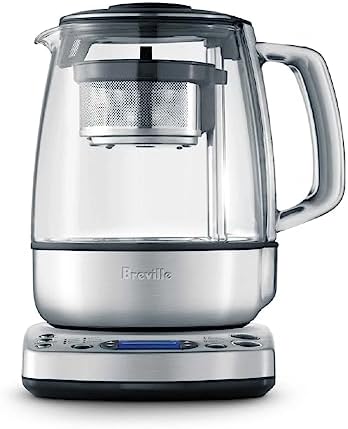
Best Automatic Tea Maker guide: compare basket, kettle style and glass carafe models by temperature control, capacity and counter space.
Picture a weekday morning in a busy kitchen. One person wants strong black tea, another wants green tea that is not bitter, and the kettle keeps getting claimed for coffee and oatmeal. The best automatic tea maker solves that small daily clash by heating the water, steeping the leaves for a set time, and keeping the pot ready while you get on with breakfast.
This guide focuses on real homes rather than showroom counters. It walks through the space a machine takes up, how many people it needs to serve, and what owning one costs over time. Use the product table below to see real models, then read on for the checklist that helps you match a style to your household.




Quick Answer: Three Styles That Fit Real Homes
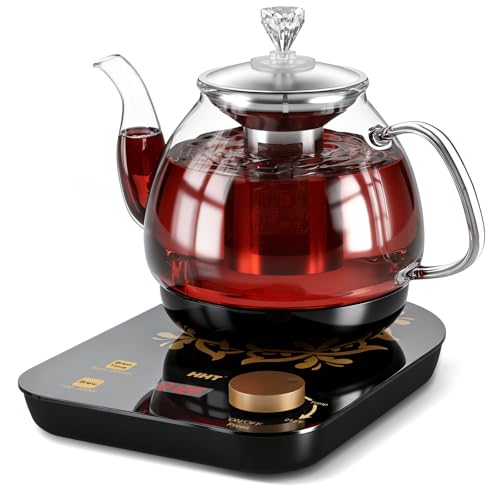
If you want the short version, most households land on one of three styles. Basket models suit families who brew a full pot each morning and want the machine to handle steep timing. Compact kettle style models suit one or two drinkers and small counters. Glass carafe models with several temperature settings suit homes where green, white, oolong, and black teas all appear in the same week.
Your household size matters more than any single feature. A large reservoir that sits half full wastes energy and counter space, while a small machine serving weekend guests means brewing twice. Start with how much tea you drink on a normal day. Our broader guide to the best tea maker covers the manual options too, if you are still deciding whether automation is right for you.
Before You Buy: A Quick Checklist for Choosing a Tea Maker
Which Type Fits Your Routine
Automatic models handle the full cycle of heating, steeping, and holding the tea warm. Electric kettle style models heat water to a chosen temperature but leave you to time the steep yourself. If cold drinks dominate your summer, a dedicated machine may serve you better, and our guide to the best iced tea maker explains those pitcher based options. For leaves rather than bags, look at the best loose leaf tea maker styles, where basket size and mesh fineness shape the result.
Brew Temperature and Heat Control
Water that is too hot scorches delicate leaves, and water that is too cool leaves black tea tasting flat. As a general guide, white and green teas do well at about 160 to 185 degrees Fahrenheit, oolong sits in the middle, and black tea and herbal blends usually need about 195 to 205 degrees Fahrenheit. A machine with several preset temperatures covers that range without guesswork. A single temperature model can still work well if your household drinks mostly one kind of tea.
Water Reservoir, Filters and Descaling
Reservoir size should match a normal day of drinking, not your largest gathering. A removable reservoir is easier to fill at the sink and easier to wash, and a wide opening helps you reach inside for cleaning. Most models use a fine mesh basket instead of paper filters, so ongoing filter costs are low. What does need attention is scale from hard water, which builds up on heating elements and slows the machine down. Choose a model with a clear descaling routine in the manual and a simple alert or schedule you will actually follow.
Counter Footprint
Measure before you order. Note the width and depth of the spot you have in mind, then check the height with the lid fully open, since many machines sit under upper cabinets and need clearance to lift the basket out. Cord length matters too, because a short cord can force the machine into an awkward corner far from the sink. A compact footprint that lives out on the counter gets used daily, while a bulky machine stored in a cupboard often gets skipped on busy mornings.
Realistic Budget Ranges
Simple automatic models commonly sit under $50 and cover one temperature with basic steep timing, which is enough for a single daily tea habit. The middle ground of about $50 to $100 usually adds preset temperatures, a keep warm function, and a larger glass or steel carafe. Spending about $100 to $200 tends to buy sturdier construction, quieter heating, and more precise control rather than a completely different drink. Decide which of those upgrades your routine will use every week before stretching the budget for them.
Types Compared: How Automatic Models Differ in Daily Use
Basket Models for Most Homes
Basket models lower the leaves into the water and lift them out when the steep ends, either by a motor or by a timer you set. That one action prevents the bitter taste that comes from leaves sitting in hot water while the family drifts through breakfast. These models suit households brewing a full pot at once and reheating cups later in the morning. Look for a basket that removes easily for emptying, because a fiddly basket is the part most likely to slow down a weekday routine.
Compact Kettle Style Models for Tight Budgets
Compact models combine a temperature controlled kettle with a small steeping basket or a simple timer. They take up the least space and cost the least to own, and they double as a plain kettle for other hot drinks. The trade off is capacity and attention, since you may need to lift the basket yourself when the timer sounds. For one or two drinkers, that small effort is a fair exchange for a clear counter and a lower price, especially in apartments and shared kitchens.
Glass Carafe Models for Long Term Value
Larger glass carafe models are built for households that brew several kinds of tea and serve them at the table. Glass lets you watch the color develop, which helps you judge strength without tasting, and it does not hold flavors from earlier brews the way some plastics can. These models usually offer the widest temperature range and the longest keep warm times. They cost more and need careful handling, so they make the most sense where the machine will be a daily fixture rather than an occasional appliance. For a closer look at powered options in this class, see our guide to the best electric tea maker.
Our Selection Process for Automatic Tea Makers
We judge automatic tea makers on the factors that show up in daily life at home. Brew quality comes first, meaning the water reaches the set temperature and the steep ends when it should. Next come temperature stability across a full pot, ease of use on a half awake morning, and how simple the basket and carafe are to clean. We also weigh build quality and warranty length, using maker specifications and patterns in verified buyer reports rather than marketing claims.
What We Like and What We Do Not About Automatic Tea Makers
The strongest case for automation is consistency. The machine repeats the same temperature and steep time every morning, so Tuesday tastes like Monday without any measuring or hovering. A delayed start adds real comfort in winter, letting you wake to a ready pot, and a keep warm function spares you from reheating a stewed second cup. If you are new to this routine, our walkthrough on how to use a tea maker shows how simple the daily steps are once the settings are saved.
The honest downsides are size, cleaning, and cost. An automatic model takes more counter room than a plain kettle, and its basket, lid, and carafe all need washing rather than a quick rinse. It also costs more up front, and a broken motor can end its life in a way a simple kettle never worries about. Households that drink tea only on weekends may find a manual infuser gives them nearly the same cup with far less to store.
Common Buying Mistakes to Avoid
- Buying the largest reservoir for guest days and then brewing stale tasting small amounts all week, because a full size pot steeps and holds better than a nearly empty one.
- Ignoring cabinet height, because a machine that cannot open fully under your cabinets forces you to pull it forward every single morning.
- Paying for many temperature presets when your household drinks only black tea, because unused settings add cost without changing your cup.
- Overlooking replacement parts, because a cracked carafe with no available spare turns a working machine into counter clutter.
- Skipping the descaling schedule in hard water areas, because scale buildup slows heating and can leave white flakes in your tea.
Cost of Ownership and Care
Running costs stay modest. Electricity for a daily pot is a small part of a household bill, mesh baskets remove the need for paper filters, and the main repeat expense is a descaling solution or plain white vinegar a few times a year. Tea itself is the larger ongoing cost, and a machine that steeps well helps you use less leaf for the same strength.
Daily care takes about a minute. Empty the basket while it is still warm, rinse the carafe so tannin stains do not set, and leave the lid open so the inside dries fully and stays fresh smelling. Wipe the base with a damp cloth and keep water away from the control panel. Our step by step guide on how to clean a tea maker covers the deeper monthly routine, including descaling, in full detail.
Your Questions, Answered
What is the most reliable tea maker brand?
No single brand wins for every home, so judge reliability by signals you can check before buying. Look for a warranty of at least one year, replacement carafes and baskets listed for sale, and a support page with manuals and descaling guidance. A model that has sold in the same form for several years is usually a safer bet than a brand new design, because common faults have had time to surface in buyer reports and get fixed.
How do you clean a tea maker?
For the deeper clean beyond daily rinsing, fill the reservoir with equal parts water and white vinegar, run a cycle without leaves, then run two plain water cycles to clear the taste. Tannin stains on glass respond well to warm water with a spoon of baking soda and a soft sponge. Never use abrasive pads on the basket mesh, because bent wires trap leaf bits and make every later cleaning harder than it needs to be.
Is a tea maker worth it?
It is worth it when tea is a daily habit for more than one person. Add up the mornings spent watching a kettle and timing a steep, and an automatic model can return several minutes a day plus a more consistent cup. If you drink a single mug twice a week, the math flips, and a kettle with a simple infuser basket gives you the same leaves and nearly the same result for far less money and storage space.
How long does a tea maker last?
Most automatic models in regular home use last about three to five years, with the heating element and the basket mechanism wearing first. You can often spot the end approaching when heating slows noticeably, temperatures drift so green tea turns bitter, or the keep warm function cycles off early. Descaling on schedule and avoiding thermal shock, such as filling a hot glass carafe with cold water, are the two habits that most often stretch that lifespan.
What is the best automatic tea maker for a family of four?
For four regular drinkers, choose a basket or glass carafe model with a reservoir that holds roughly eight to ten cups, so one brew covers breakfast without a refill. A keep warm time of at least one hour helps when family members eat in shifts, and a sturdy handle and balanced pour matter more at full weight than any extra preset. If two people prefer green tea, pick a model that lets you brew a second, smaller batch at a lower temperature rather than reheating the first pot.
Final Thoughts
The right machine is the one that fits your counter, your household size, and the teas you actually drink each week. Basket models serve most families well, compact models protect small budgets and small kitchens, and glass carafe models reward homes that brew widely. Check the product table above against the checklist in this guide, and the best automatic tea maker for your home should be an easy, confident choice.