Best 14 Cup Coffee Makers (2026): Size, Features and Buying Tips
Disclosure: We may earn a commission when you buy through links on this page, at no extra cost to you. As an Amazon Associate I earn from qualifying purchases. Learn more

What matters when choosing the best 14 cup coffee maker: size, features, budget and the mistakes to avoid.
Picture a Saturday morning when four adults want coffee, someone asks for a second mug, and a smaller pot is already empty. That is the moment a best 14 cup coffee maker earns its counter space in a busy home. This guide helps you choose by household size, kitchen space, and budget, and the product table on this page lists current options.
A 14 cup model is not right for every kitchen, and bigger is not automatically better. You will learn when the extra capacity saves a second brew, when it wastes coffee, and which features matter daily.



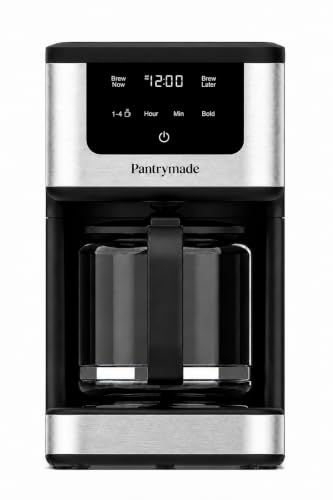
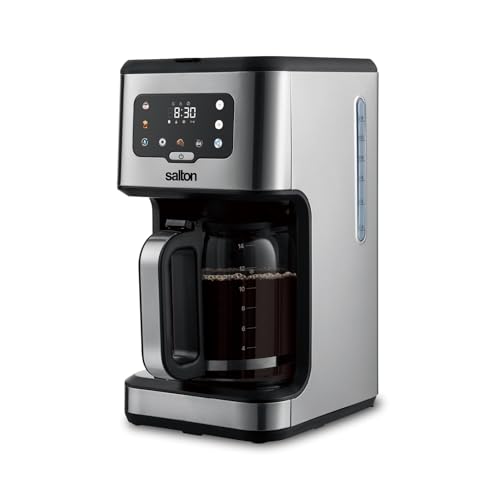


Quick Answer: Three Types Worth Comparing
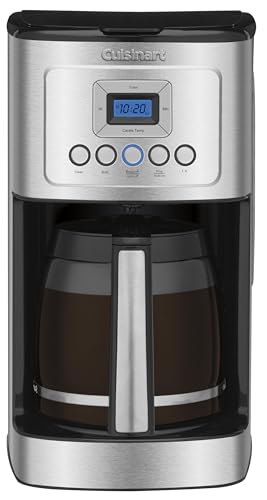
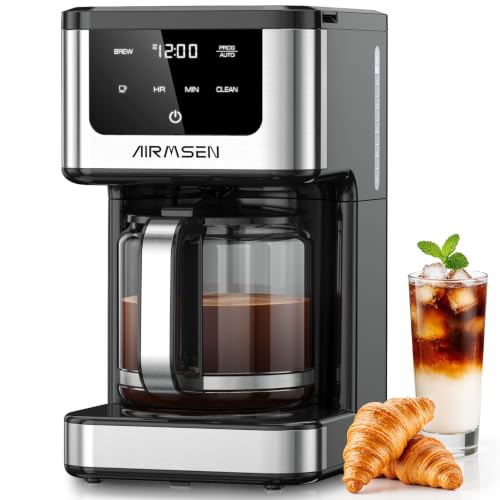
If you want the short version, most buyers end up choosing between three types. Glass carafe models are the most common and usually cost less. Thermal carafe models hold heat without a warming plate, so the last mug tastes fresher. Programmable models add a timer and strength settings for households with a fixed morning routine.
- Glass carafe: simple controls and a warming plate, best when the pot is finished within an hour or two.
- Thermal carafe: an insulated pot that keeps coffee hot without continued heating.
- Programmable: a delayed start and strength choices for early starts and shared schedules.
Before You Buy: A Quick Checklist for Choosing a Coffee Maker
Capacity is only the headline number. The points below decide whether a large machine fits your counter, routine, and taste.
Size: Match It to Your Space and Your Household
Smaller machines in sizes such as 4 cup, 8 cup, 10 cup, and 12 cup suit one or two drinkers who brew once and move on. A 14 cup machine makes sense when three or more people drink coffee at home, when you host often, or when one pot must cover breakfast and packed mugs. Remember that a marked cup is about 5 ounces, so a full pot pours roughly seven standard mugs.
Which Type Fits Your Routine
Almost every 14 cup model is a drip machine, so the real choice is how it serves your day. If you want background on the format itself, see our guide to the best drip coffee maker for how drip brewing works. Programmable models suit set wake times, thermal pots suit slow drinkers, and basic glass carafe models suit homes where someone is usually nearby to pour, adjust, and switch the machine off.
Features Worth Paying For, and Ones to Skip
A timer, brew strength control, and auto shut off earn their keep because you use them daily. A best coffee maker with grinder setup adds fresh grounds without a separate appliance, though it also adds noise and cleaning. A milk frother, a hot water dispenser, and a pod option matter only if your household already uses them often. If those habits are rare, skip the extras and put the money toward a better carafe and simpler controls.
Brew Temperature and SCA Certification
Good drip coffee needs water hot enough to extract flavor without scorching the grounds, and the range most often cited is 195 to 205 degrees Fahrenheit during brewing. Machines that fall short can taste thin and sour even with good beans. Certification from the Specialty Coffee Association means a model met set standards for temperature, brew time, and consistency. It is a useful signal, not a guarantee, since your beans, grind, and water still shape the final cup.
Water Reservoir, Filters, and Descaling
A removable reservoir is easier to fill at the sink and easier to rinse than a fixed tank you must fill with the carafe. A wide opening also matters, since narrow tanks are awkward to scrub. Most models use paper filters or a reusable mesh filter, and some add a charcoal water filter that you replace on a schedule. Check how simple the descaling cycle is, because a machine that is easy to descale is one you will keep on schedule.
Counter Footprint
Measure depth and height before you order, not just width. Many 14 cup machines are tall, and a lid that swings upward needs clearance under wall cabinets, so check the listed height with the lid raised if the maker gives it. Place the machine where the reservoir is easy to reach and where steam will not sit under a cabinet all morning. A few inches of breathing room also makes daily filling far less annoying.
Realistic Budget Ranges
Basic glass carafe models often start around $50, and that buys capacity and simple controls without much insulation or programming. Models at about $100 to $250 usually add a thermal carafe, stronger build, clearer controls, and more even brewing. Paying beyond that range mainly makes sense for certified brewing performance or a design you want for years. For most homes, the middle range gives the best balance of daily ease and lasting value.
Types Compared: Glass, Thermal, and Programmable Models
Since the same capacity comes in very different builds, compare the type first and the control panel second. The three groups below cover nearly every 14 cup machine you will see.
Glass Carafe Models for Straightforward Brewing
Glass lets you see exactly how much coffee remains, and replacement carafes are widely sold if one chips or cracks. The warming plate keeps coffee hot, but coffee left on heat for hours turns bitter, so these models suit homes that finish a pot fairly soon after brewing. They tend to be the lightest and simplest option, with fewer settings to learn and fewer parts to clean.
Thermal Carafe Models for Slow Mornings and Guests
A thermal carafe is insulated, usually with stainless steel walls, and it holds heat for a few hours without any power at all. That makes it a strong fit for brunches, work from home days, and guests who pour at different times. The trade offs are weight, a narrower opening that can be harder to scrub, and no clear view of the level inside. Preheat the carafe with warm water on cold days for the best heat retention.
Programmable Models for Set Schedules
Programmable machines let you load water and grounds at night and wake to a brewed pot, which suits school runs, shift work, and early commutes. Strength settings let a household that shares one pot lean stronger or milder without changing the amount of coffee. The costs are a busier control panel, a clock that needs resetting after power cuts, and grounds that sit out overnight. If your mornings vary day to day, you may rarely use the timer.
How We Compare Models Without the Hype
Our comparison rests on factors that change daily ownership rather than on long feature lists. We weigh brew quality and temperature stability first, then ease of use, cleaning effort, carafe design, footprint, and build quality. We rely on maker specifications and patterns in verified buyer reports about leaks, carafe cracks, and control failures. For a broader starting point, our guide to the best coffee maker covers other sizes and formats.
Is a 14 Cup Coffee Maker the Right Size for You?
Count mugs, not people, before you decide. A household of three who each drink two mugs at breakfast will empty most of a 14 cup pot, since each marked cup is only about 5 ounces. Add a guest or a travel mug and the large size stops looking generous and starts looking necessary. If that sounds like your home, our guide to the best coffee maker for home can help you weigh this size against the rest of your kitchen routine.
On the other hand, a single drinker or a couple who brew once and leave will often waste the last third of a large pot. Stale leftover coffee is a real cost, both in beans and in enjoyment. In that case a 10 cup or 12 cup model is the smarter fit. Choose the size that matches your typical morning, not your biggest gathering of the year.
Common Mistakes to Avoid
- Buying for the biggest gathering: sizing for a holiday crowd leaves you brewing too much on normal days, so most pots go stale.
- Skipping the tape measure: a tall lid under a low cabinet makes filling and cleaning awkward every single day.
- Ignoring filter and descaling costs: small repeat costs add up, and a neglected machine brews slower and tastes flat.
- Leaving coffee on the warming plate for hours: continued heat turns a good pot bitter, so the last mug disappoints.
- Paying for extras you never use: pods, frothers, and side dispensers add cleaning and counter bulk without improving your daily cup.
Cost of Ownership and Care
Running costs stay modest but steady. Paper filters are a small repeat purchase, a reusable mesh filter removes that cost but needs a rinse after each use, and charcoal water filters need replacing as the maker directs. Electricity use is brief during brewing, though a warming plate left on adds a little more. Note filter sizes at purchase time so replacements are easy to find.
For care, wipe the exterior, wash the carafe and filter basket with warm soapy water, and descale on the schedule the manual suggests for your water. Our step by step guide on how to clean a coffee maker walks through a full clean, and our walkthrough on how to use a coffee maker covers the first brew and daily setup if you are new to drip machines. Store the machine with the lid open so the reservoir dries fully between uses.
Your Questions, Answered
What size coffee maker does a household of four need?
Most households of four do well with a 12 cup or 14 cup machine. If each person drinks one mug at breakfast, a 12 cup pot is enough, since a marked cup is smaller than a mug. If second mugs, travel mugs, or weekend guests are normal, the 14 cup size avoids a second brew. Count your busiest regular morning, and pick the size that covers it without much left over.
How can you tell a 14 cup coffee maker needs descaling?
Watch for changes rather than a calendar alone. Brewing takes noticeably longer, the machine sounds louder or sputters near the end, and the coffee tastes duller even with fresh beans. You may also see white flakes in the carafe if your water is hard. Any one of these signs means mineral scale is narrowing the water path, so descale soon instead of waiting for the next scheduled cycle.
Does a 14 cup coffee maker use much more electricity than a smaller one?
Not much more per pot. Brewing energy depends mainly on how much water is heated, so a full large pot uses more than a full small pot, but a half filled large machine uses about the same as a smaller one brewing the same amount. The bigger difference is habit. Leaving a warming plate on for hours after brewing adds steady use, while a thermal carafe uses no power at all once brewing ends.
Can you brew a small amount in a 14 cup coffee maker?
Yes, but the result varies by model. Water spread over a wide basket can pass through a shallow bed of grounds too quickly, which weakens the brew. Models with a small batch setting slow the flow or pulse the water to fix that. If you often brew small amounts, use the small batch setting when one is offered, keep the grounds level, and expect a large machine to do its best work at half a pot or more.
How long does a 14 cup drip coffee maker usually last?
Many drip machines serve a home for about five to seven years with regular descaling and gentle handling of the carafe. The carafe itself is often the first part to fail, and a maker that sells replacement carafes can extend the life of the whole machine at modest cost. Pumps and heating elements usually wear out slowly, so a gradual slowdown in brewing is often your earliest warning that the end is near.
Final Thoughts
A large pot only pays off when your household actually drinks it, so match capacity to your mugs, your counter, and your mornings. Glass suits fast drinkers, thermal suits slow ones, and programmable models suit fixed schedules. Compare the options in the product table above, weigh the ownership costs, and the best 14 cup coffee maker for your home will be the one whose type fits your routine without wasted coffee or wasted space.