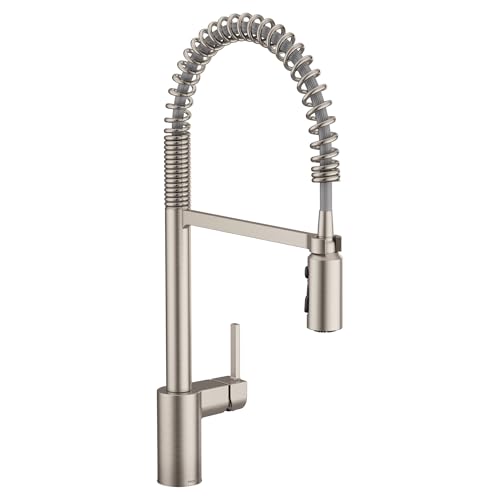
Best Automatic Kitchen Faucets: Budget, Midrange, and Premium Picks for 2026
Disclosure: We may earn a commission when you buy through links on this page, at no extra cost to you. As an Amazon Associate I earn from qualifying purchases. Learn more

Compare the best automatic kitchen faucets by price tier, sensor speed, spray modes, flow rate and finish to find a hands free tap that fits your sink.
Automatic kitchen faucets span from under $100 for basic sensor models to over $500 for refined designs with advanced activation, and the differences show up in sensor speed, valve quality, and finish durability. This guide to the best automatic kitchen faucets breaks the market into clear tiers. You will learn which upgrades improve daily cooking and cleanup, and which ones only raise the price.
Use the comparison table below to check spout height, flow rate, and power source for each option. Then match those numbers to your sink, your cabinet space, and how your household actually uses the tap all day.
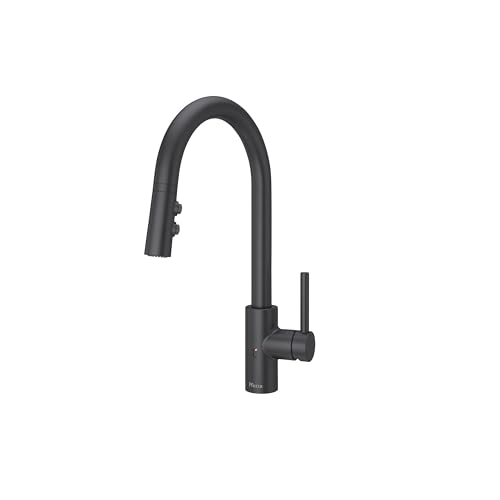


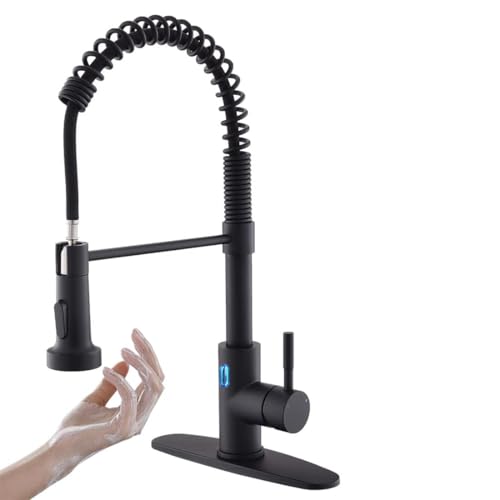

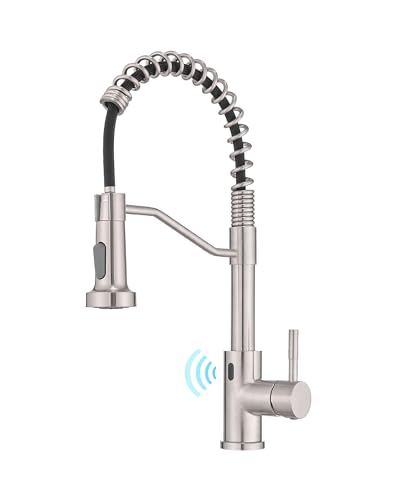

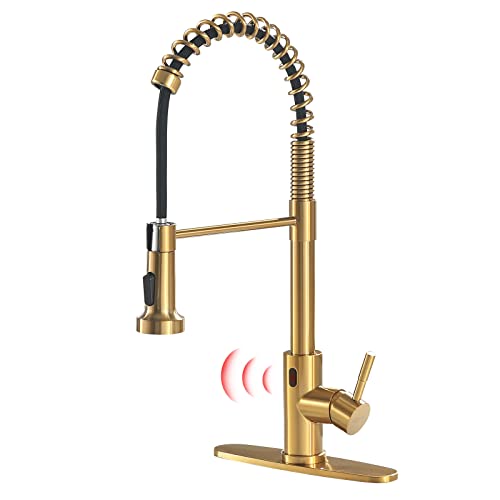

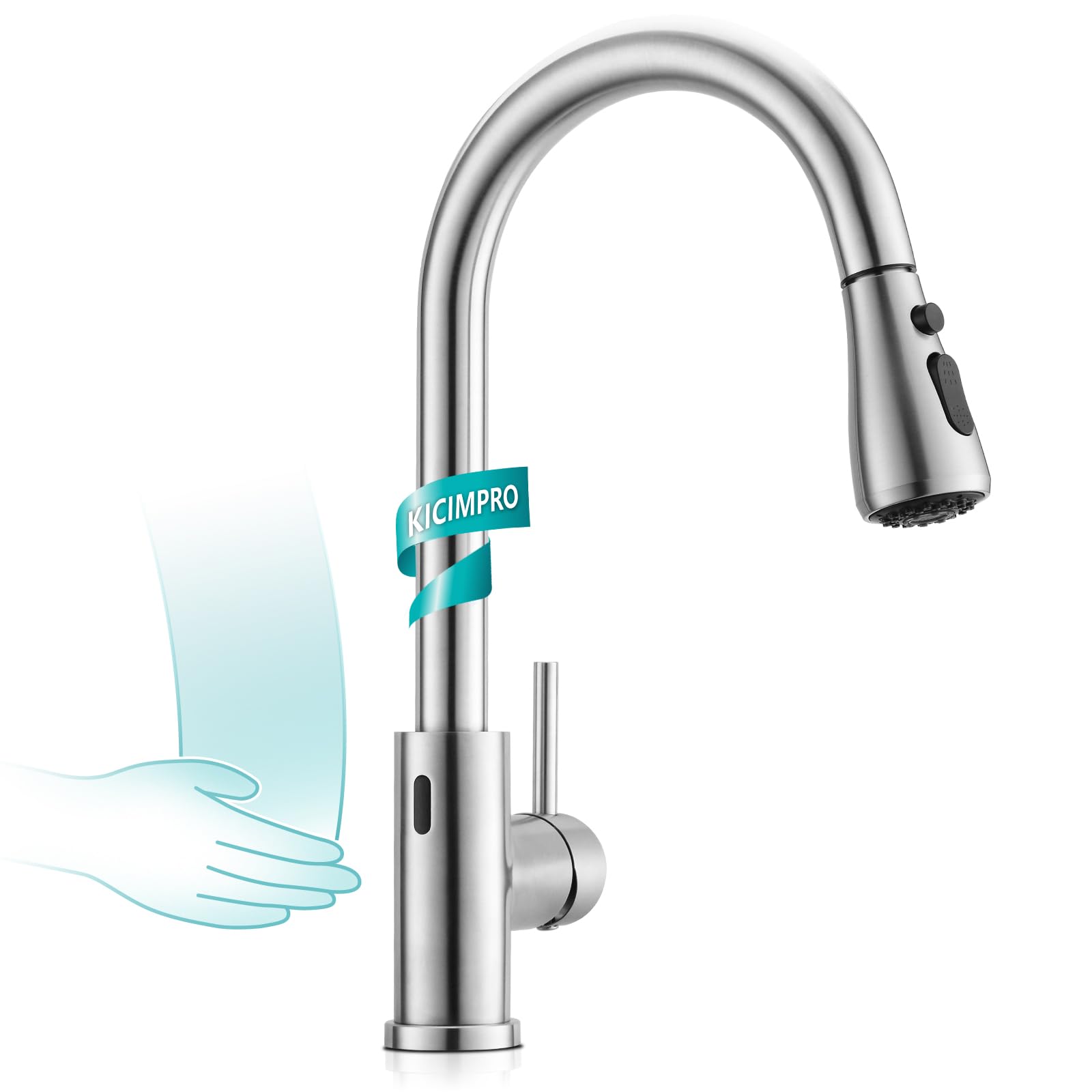
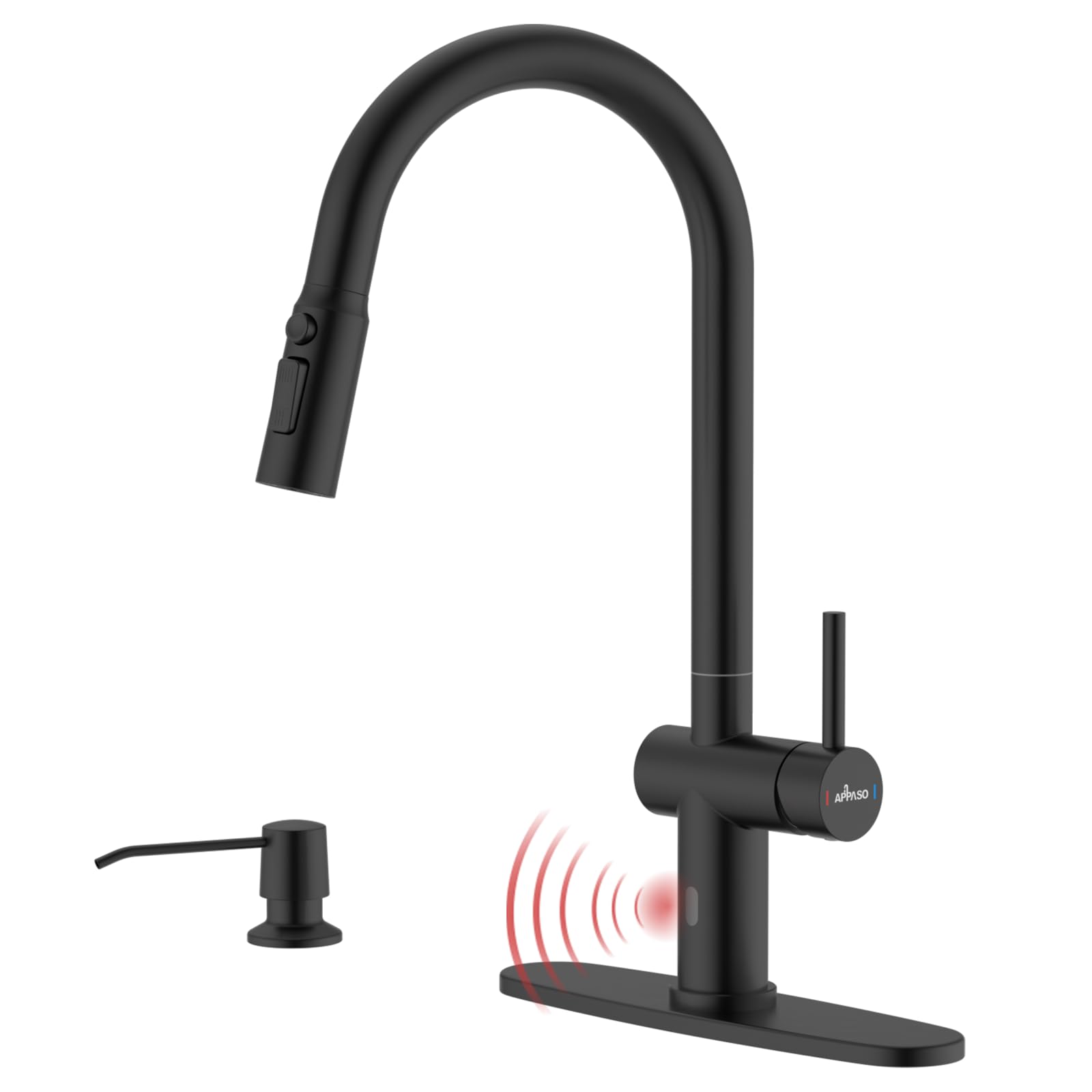
What to Expect at Each Budget
Read these tiers as three levels of sensor reliability and build quality. The best tier for you depends on how busy your kitchen is and how long you plan to stay in the home.
Budget Level
A budget tier faucet, around $80 to $150, suits renters who can swap fixtures and cooks who want a first sensor tap without a big commitment. Expect a single sensor point, battery power, and a pull down sprayer with two spray modes. Finishes are usually thinner, and the valve body may use more composite parts. The value is real. You get hands free activation for messy tasks like handling raw chicken, at a price that makes a failed experiment painless. Check return terms, since sensor feel varies a lot at this level.
Midrange Level
Midrange faucets, around $150 to $300, are the sweet spot for most owners. Sensors respond faster and from a wider angle, ceramic disc valves feel smoother, and finishes resist spots and fingerprints better. Many models add an optional plug in power adapter, so you are not relying only on batteries. If you are comparing sensor models with standard designs, our guide to the best recommended kitchen faucets explains which features matter for daily cooking. This tier balances response, build, and price for a family kitchen, which is why many of the best automatic kitchen faucets sit here.
Premium Level
Premium faucets, around $300 to $550, suit keen cooks and long term homes. Expect brass construction, very consistent sensor behavior, and spray heads that dock firmly with a magnetic or weighted system. Design choices widen, including bridge inspired and commercial styles adapted for homes. Warranty support also improves at this level. You pay for smoothness and longevity rather than a different basic job. If your sink sees heavy use from morning to night, and you hate replacing fixtures, the premium tier is easier to justify.
What Your Money Gets You at Each Price Tier
Price predicts sensor quality better than it predicts water flow, since flow is limited by regulation. Use the tiers below to set expectations before you fall for a finish.
Budget Tier: What to Expect
Budget models focus on the sensor itself and trim elsewhere. Activation may need your hand close to one spot, and the shutoff delay can feel slow, sometimes a full second after you move away. Spray pressure is adequate for rinsing, but the pause and boost functions of pricier models are absent. Installation hardware is basic yet workable. Buy here to test whether sensor life suits your habits. If you cook with messy hands daily, even a basic sensor feels like a clear upgrade over a standard handle.
Midrange Tier: The Sweet Spot for Most Buyers
Midrange models add the details that decide satisfaction. Sensor zones widen, valves use ceramic disc cartridges that resist drips, and hoses glide more smoothly through the spout. Finishes gain spot resistance, which matters around a busy sink. Shoppers weighing a full remodel can see our guide to the best kitchen sinks and faucets for pairing advice on sink depth and faucet height. For a primary kitchen you plan to keep for years, buy at this tier or above and choose the finish in person if you can.
Premium Tier: When Spending More Pays Off
Premium models refine every contact point. Handles, where present as manual overrides, turn with a damped and precise feel. Sensor logic learns to ignore passing movement, so the tap does not start when you reach across the sink for a towel. Internal waterways are metal, lead free compliant, and built for decades of service. Spending more pays off if false activation annoys you, if your household includes kids who trigger the sensor often, or if the faucet is a visual centerpiece in an open plan kitchen.
Features Worth Paying For (and Ones to Skip)
Four features separate a faucet you love from one you tolerate. Sensor behavior comes first, then spray and flow, warranty, and the physical fit at your sink.
Spray Modes and Flow Rate (GPM)
Most kitchen faucets flow at 1.5 to 1.8 gallons per minute, shown as GPM, and California rules cap many models at 1.8 GPM or lower. A strong aerated stream fills pots, a wide spray rinses produce and plates, and a boost mode helps blast residue at the cost of more splashing. Extra spray patterns beyond three rarely earn their price. What matters more is how easily you can switch modes with wet or soapy hands, so favor large, simple buttons on the spray head.
Faucet Style (Pull Down, Pull Out, Touchless, Commercial)
Pull down sprayers suit deep sinks and tall pots, and they are the most common match for sensor faucets. Pull out models have a shorter spout and a longer hose, which helps at shallow sinks and low cabinets. Touchless in this category means sensor activation, and the best systems also keep a manual handle for power outages. Commercial style faucets with an exposed spring look dramatic but can overwhelm a small sink. If you love a bold finish, our guide to the best gold kitchen faucets covers care for statement finishes.
Warranty
A lifetime limited warranty on finish and function is common from established makers, but the details vary. Electronic parts, meaning the sensor and solenoid, often carry a shorter term, sometimes one to five years. Read which parts count as electronic before you buy, because the sensor module is the most likely failure point. Keep your receipt and register the product if the maker offers it. A strong warranty at midrange prices can be worth more than a prettier finish with weak support.
Reach, Height, and Clearance
Spout reach, often about 8 to 10 inches, decides whether the stream lands near the center of your sink bowl. Arc height decides whether tall stockpots fit beneath it, but a very high arc can splash a shallow sink and can clash with a window or shelf above. Measure from the counter to any obstruction before ordering. Also count your sink holes. A deck plate can cover extra holes on many models, yet a clean single hole install looks better and seals more simply.
Long Term Costs to Factor In
Plan for batteries or an adapter, sensor module replacement after warranty, and a cartridge change many years out. Battery sets can last about one to two years depending on use, and a plug in adapter removes that chore for a small one time cost. Professional installation, if you skip the DIY route, often costs around $150 to $300. Bargain shoppers comparing total spend can check our guide to the best inexpensive kitchen faucets for where lower prices still hold up. Always shut off the water supply valves before any install or repair work.
Frequently Asked Questions
Can I install a kitchen faucet myself?
Yes, most homeowners can install one in about one to two hours with a basin wrench and a bucket. Sensor models add one step, which is mounting the battery box or control unit inside the cabinet and keeping it dry. A useful tip is to photograph the old connections before removal, so the new lines go back in the right order. If your shutoff valves are corroded or frozen, stop and call a plumber, because forcing an old valve can cause a leak inside the wall.
Are touchless faucets worth it?
Yes, touchless faucets are worth it for cooks who handle raw meat, dough, or garden soil and want to avoid spreading mess to a handle. The sensor also helps kids and older adults who struggle with lever force. One point that rarely gets mentioned is pet behavior. Curious cats can learn to trigger some sensors, which wastes water and can flood a sink with the plug in. If your pets roam counters, choose a model with a sensor you can pause or switch off.
How long do kitchen faucets last?
A quality kitchen faucet lasts about 15 to 20 years, while budget models may show finish wear or sensor faults within five to eight years. The valve cartridge and the spray hose usually wear first, and both are replaceable on better models. Hard water shortens every timeline, because mineral scale builds on aerators and inside sensor valves. Wipe the sensor eye monthly and soak the aerator in vinegar about twice a year to keep flow even and activation reliable in hard water homes.
What finish is easiest to keep clean?
Brushed and spot resistant finishes are the easiest to keep clean, because they hide water spots and fingerprints between wipe downs. Chrome looks bright but shows every splash mark, and matte black shows pale mineral deposits in hard water areas. If your style leans modern, our guide to the best contemporary kitchen faucets compares current shapes and finishes. Whatever you choose, clean with a soft cloth and mild soap only, since abrasive pads can strip a finish and void its warranty.
Our Verdict
Prioritize sensor reliability, then fit at your sink, then finish. Budget models prove the concept, midrange models serve most families for years, and premium models reward heavy use with smoother action and stronger support. Shortlist two or three of the best automatic kitchen faucets from the product table above, measure your clearance twice, and pick the one whose sensor style matches how your household really cooks.