
Best Automatic Chronograph Watches in 2026: A Buying Guide
Disclosure: We may earn a commission when you buy through links on this page, at no extra cost to you. As an Amazon Associate I earn from qualifying purchases. Learn more
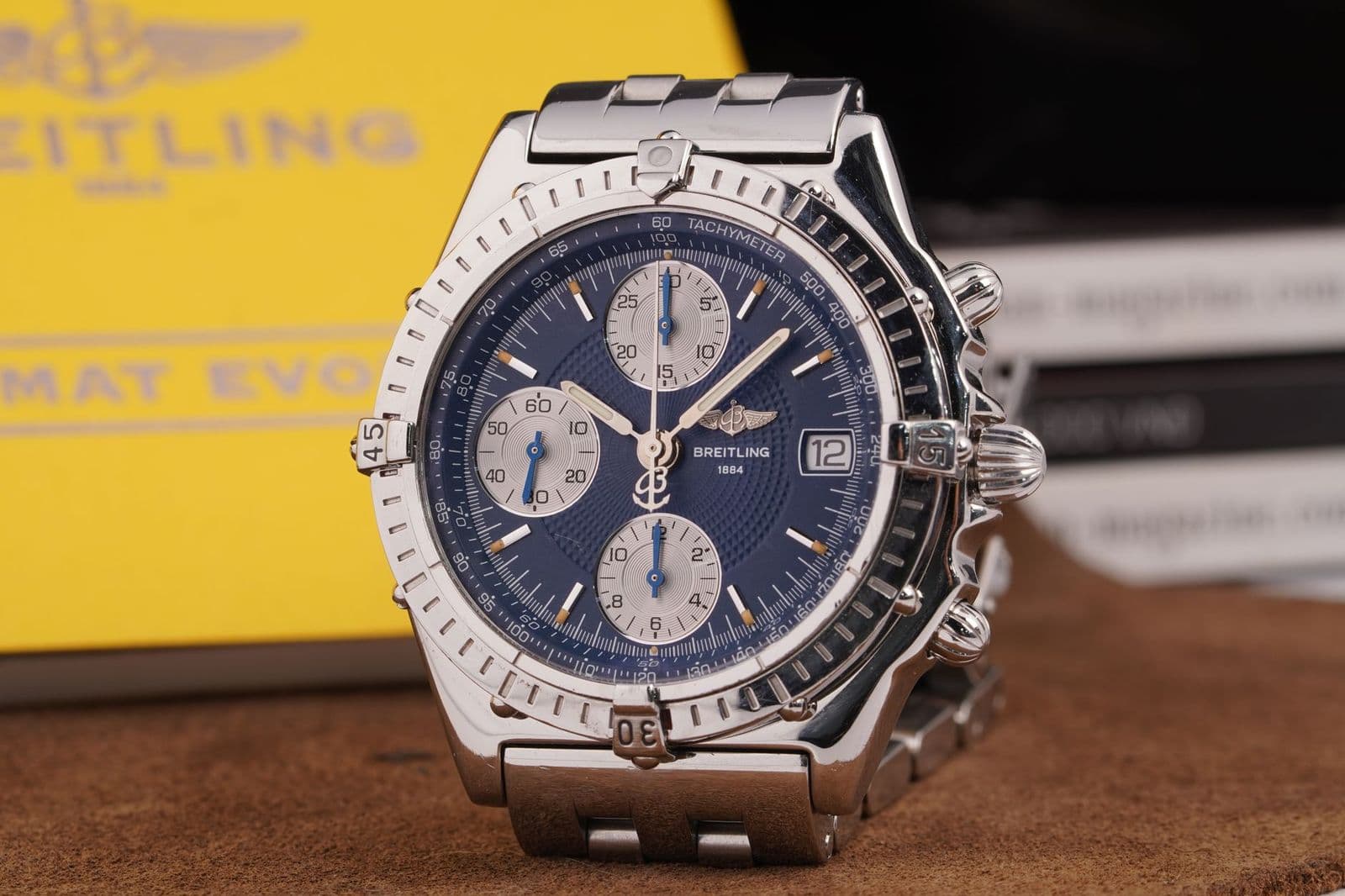
Compare movements, dial layout, thickness and water resistance to choose the best automatic chronograph watches for your wrist.
An automatic chronograph pairs a self-winding movement with a built-in stopwatch, so the same watch tells the time and measures elapsed minutes. The best automatic chronograph watches are the ones whose movement, dial layout and size suit how you will actually use the timing function. This guide explains the points that matter before you buy.
True automatic chronographs are more complex and often more expensive than simple automatics or quartz chronographs, so it pays to know what you are paying for.
Who Should Buy an Automatic Chronograph
These watches suit people who like mechanical craft and also use a stopwatch: timing a cooking step, a run, a parking meter or a conference call. If you only want a handsome watch and never touch the pushers, a simpler automatic is cheaper and thinner.
Because the movement is larger, an automatic chronograph usually wears taller than a basic watch of the same diameter. Check thickness against your shirt cuffs before you commit.
How an Automatic Chronograph Works
The rotor winds the mainspring from your wrist motion, while two pushers on the case side start, stop and reset the chronograph hands. Subdials on the face count elapsed minutes and hours. Some watches add a tachymeter scale on the bezel for estimating speed over a known distance.
Many modern movements disengage the chronograph from the running gear so it does not drain much power, but running it for hours will shorten the power reserve. Typical reserves run from about 40 to 60 hours.
Key Features to Compare
- Movement: proven movements are easier and cheaper to service over the years.
- Dial layout: two or three subdials with clear contrast read faster than a crowded face.
- Case size and thickness: about 38 to 42 mm suits most wrists, and slimmer cases sit under cuffs more easily.
- Crystal: sapphire resists scratches better than mineral glass.
- Water resistance: 50 meters handles splashes, and pushers should never be pressed underwater unless the maker says it is safe.
- Strap or bracelet: a quick-release fitting makes changing straps simple.
Automatic, Quartz and Manual Chronographs
Quartz chronographs cost less, keep better time and can time to a fraction of a second. Manual-wind mechanical chronographs are often thinner and cheaper than automatic versions, but you must wind them by hand. An automatic chronograph combines mechanical charm with the convenience of wrist winding, at a higher price and thickness.
Read the listing carefully: some watches show chronograph-style subdials that are decorative only, so confirm that the pushers actually operate the stopwatch hands.
Common Mistakes to Avoid
- Buying a watch with decorative subdials that do not work.
- Ignoring thickness and lug length on a small wrist.
- Pressing the pushers underwater.
- Forgetting that mechanical movements need servicing every several years.
Caring for an Automatic Chronograph
Wear it regularly or use a winder, keep it away from strong magnets, and rinse it with fresh water after salt exposure. Reset the chronograph hands to zero after each use so that you can trust the next measurement, and have the movement serviced as the maker advises.
Related Buying Guides
For nearby choices, see best chronograph watches, best automatic watches, best automatic chronograph watches under 1000, best affordable automatic watches and best men's automatic watches.
Frequently Asked Questions
What is the difference between a chronograph and a regular watch?
A chronograph has extra pushers and subdials that run a stopwatch alongside the normal time display.
Do automatic chronographs need batteries?
No. Wrist motion winds the mainspring, and most models can also be wound by hand with the crown.
Can I use the chronograph all the time?
You can, but running it continuously uses extra power and adds wear. Start it only when you need to time something.
Are automatic chronographs accurate?
They are accurate enough for daily use, though they usually drift a few seconds a day. Quartz models are more precise.
How often should the movement be serviced?
Follow the maker guidance, commonly every five to ten years, since chronograph movements have many small parts that share oil.
Final Thoughts
Choosing the best automatic chronograph watches comes down to a movement you can have serviced, a dial you can read at a glance and a case that fits your wrist. Confirm the stopwatch really works, check the thickness against your cuffs, and pick the one you will enjoy winding and timing for years.


