Best Autofocus Cameras: A First Time Buyer Guide for 2026
Disclosure: We may earn a commission when you buy through links on this page, at no extra cost to you. As an Amazon Associate I earn from qualifying purchases. Learn more

A first time buyer guide to the best autofocus cameras, explaining focus systems, sensor size, lenses, video focus and sensible prices in plain English.
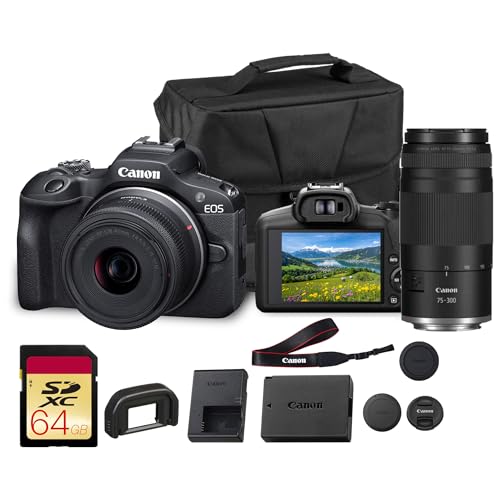
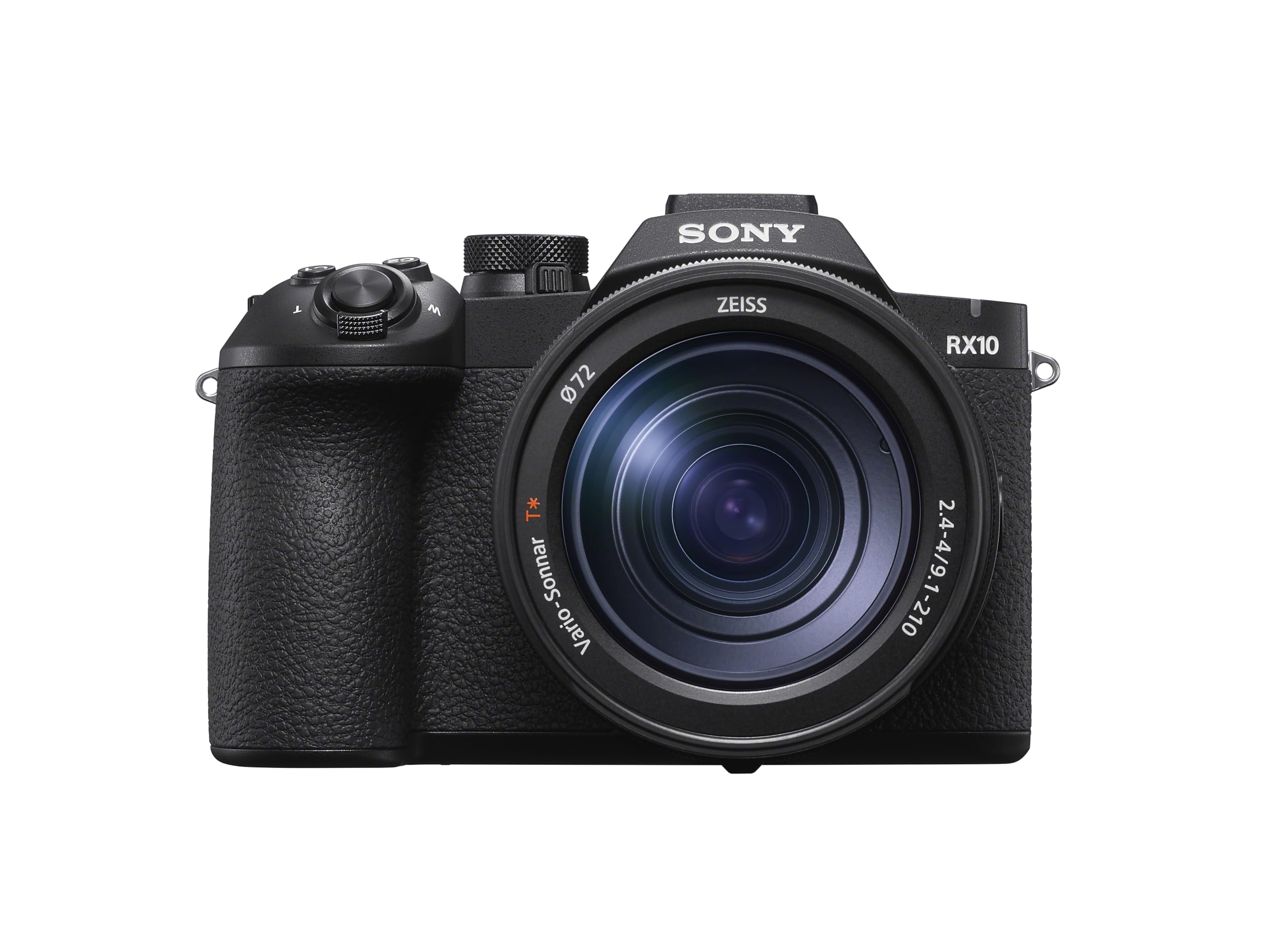
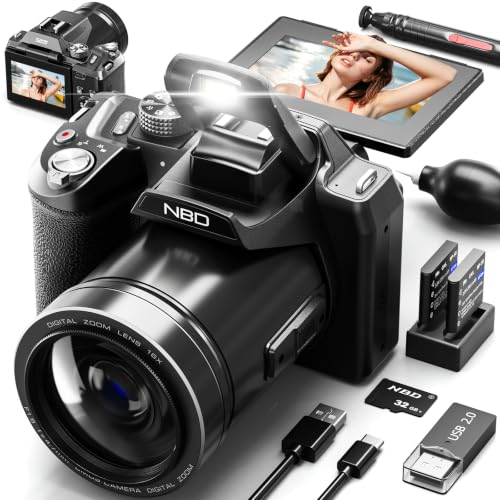
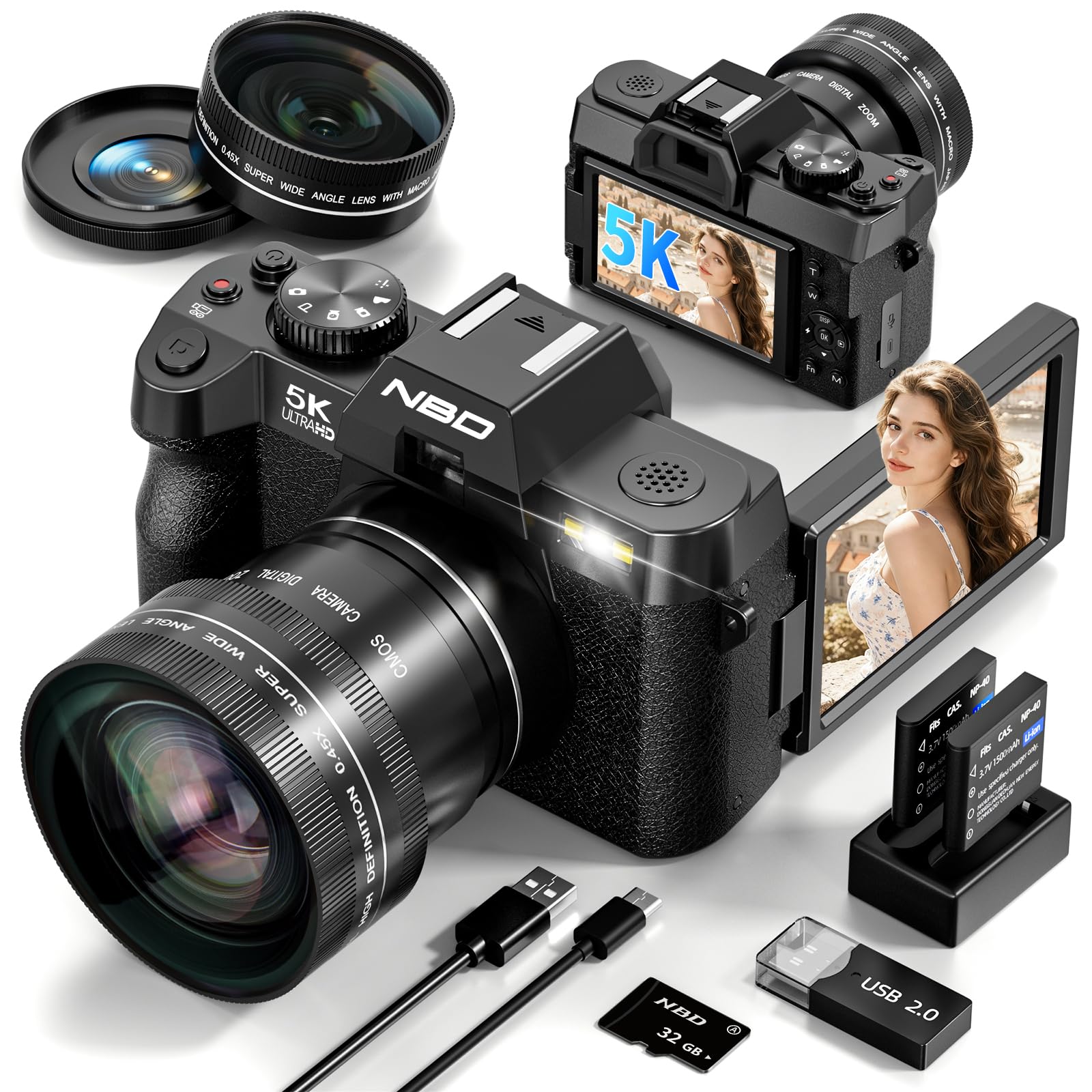
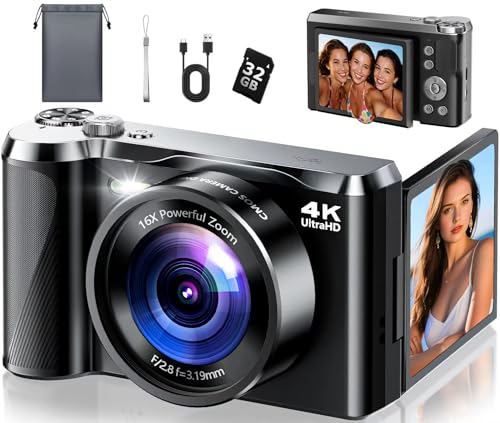
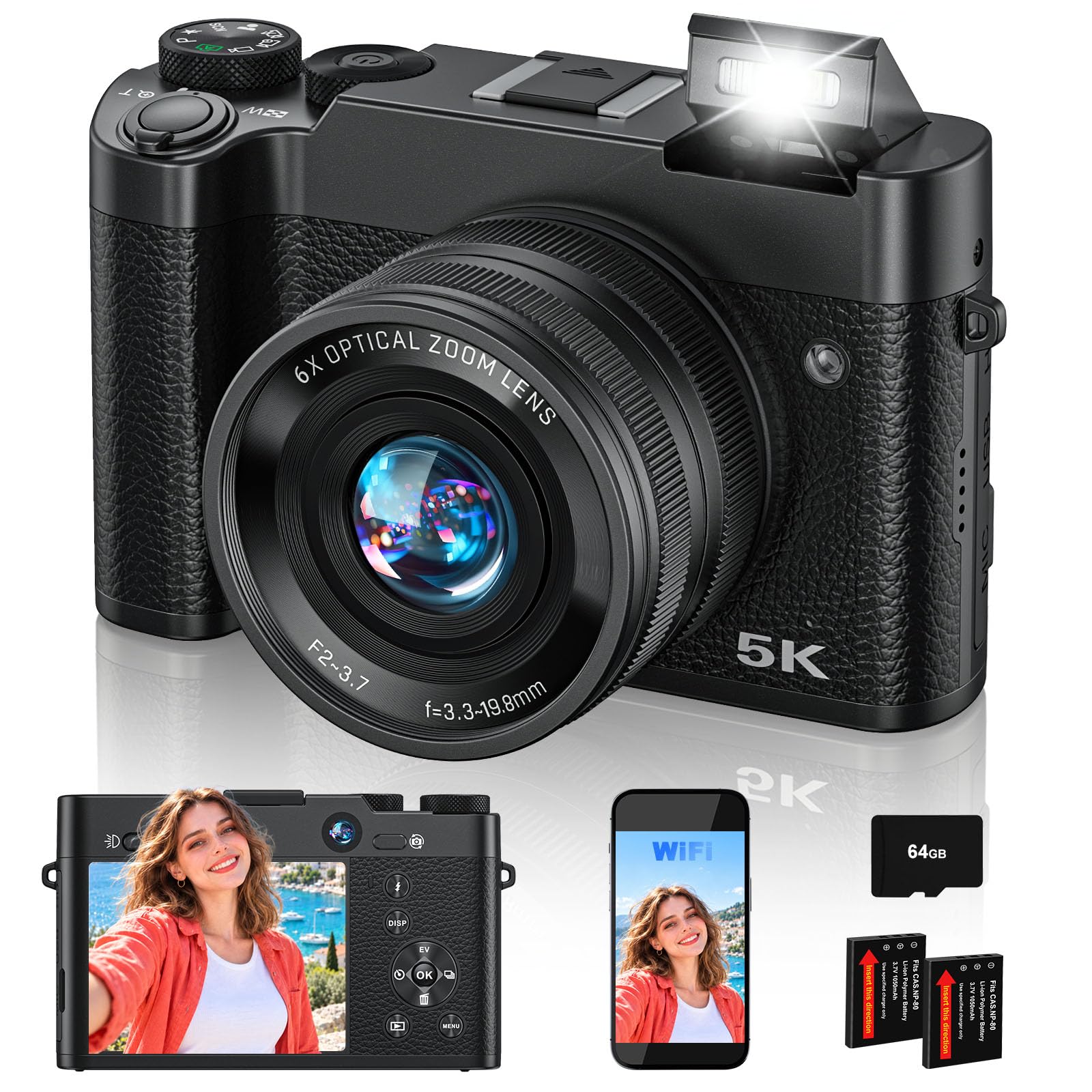
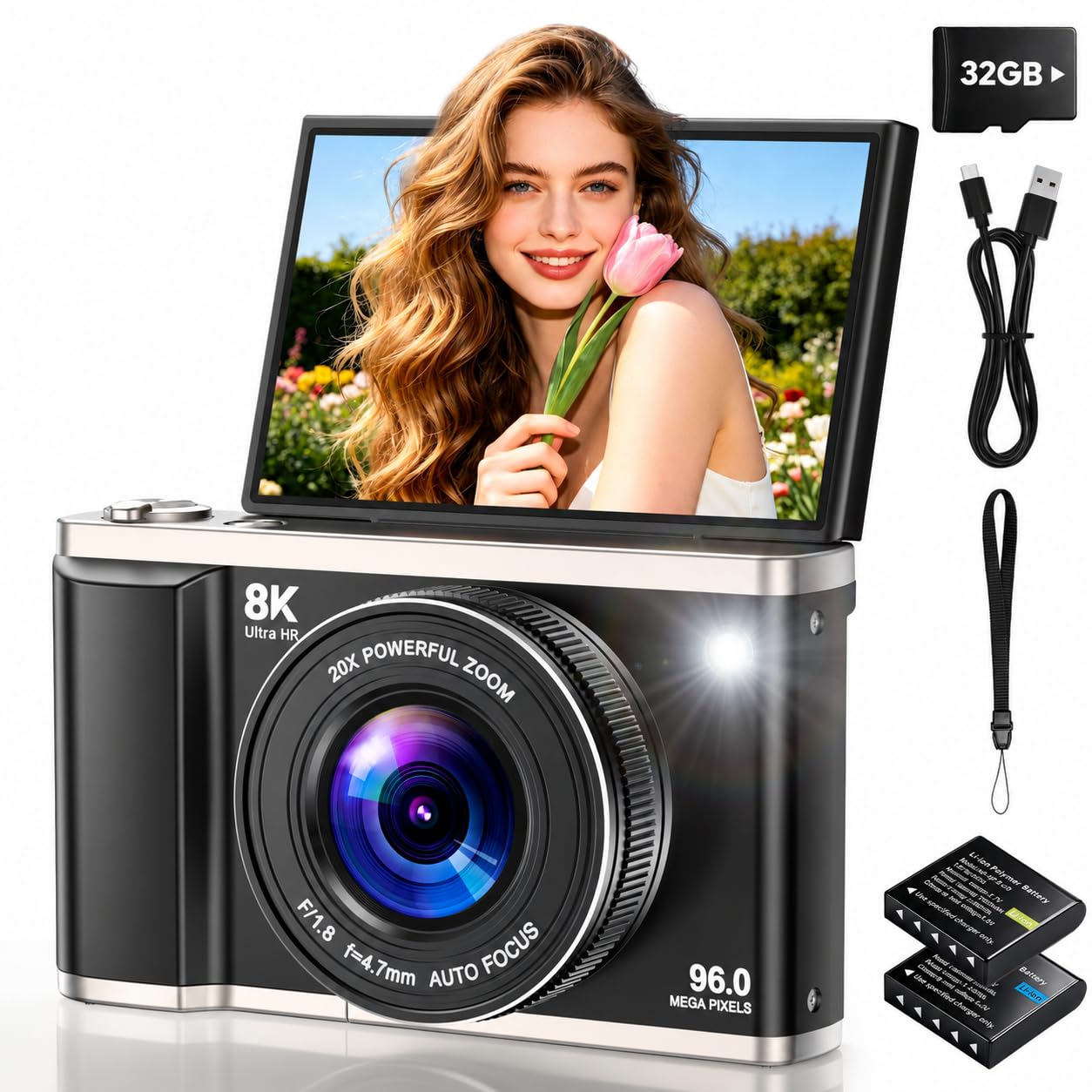
Buying your first camera can feel confusing because every listing leads with numbers that mean little on their own. This guide starts with the basics, explains each major term in plain English and then shows how to match a camera to your subjects and budget. The best autofocus cameras for a new buyer are rarely the most complex ones, and the picks in the table give a simple starting point.
You do not need to master every setting before you buy. You need a focus system you can trust, a lens that fits your subjects and a body you will enjoy carrying.



Autofocus Cameras 101: The Basics
An autofocus camera measures distance to your subject and drives the lens until that subject looks sharp, so you can concentrate on timing and framing. Prices vary widely between the main camera classes, from budget compacts to full frame bodies. Under the headline term sit two broad approaches: one that compares contrast in the image, and one that measures phase on the sensor. Many current models combine both approaches and switch between them without asking you.
One fact should shape every first purchase. Autofocus is a system, and the body, the lens and the subject decide the result together, so no single part can lock onto every subject in every light. A fast lens motor cannot rescue a body with few focus points, and a strong body still hunts when the subject is small, dark or moving across the frame. Judge the whole pairing rather than one headline figure.
Key Specs Explained in Plain English
Sensor Size and Image Quality
The sensor is the light sensitive surface that records the image, and larger sensors generally gather more light for cleaner results in dim rooms. Common classes run from small compact sensors through mid size formats to full frame, with size rising alongside price and body weight. Megapixel counts describe detail, not quality on their own, and most current counts are ample for prints and sharing. For a first camera, sensor class matters more than chasing the highest pixel number in a listing.
Low Light Performance
Low light performance decides whether evening and indoor photos stay clean or turn grainy and soft. Maker detection figures are measured in bright and controlled conditions, so treat them as a guide rather than a promise. In real rooms, available light decides how much the system hunts before it locks. A lens that admits more light, shown by a smaller f number, often helps focus more than a higher sensitivity ceiling that you will rarely enjoy using.
Battery Life and Charging
Battery life is usually quoted as a number of shots per charge, but video recording and heavy screen use drain a battery far faster than still photos. New buyers should budget for a spare battery early, since a flat battery ends a day out faster than any spec limit. Charging through a USB C cable is convenient for travel because one cable can serve several devices. Check whether the camera can charge while switched off only, since that detail affects how you plan overnight charging.
Lens and Zoom Range
Some cameras have a fixed lens, while others accept interchangeable lenses that you swap for different subjects. Optical zoom describes a real change in focal length, while digital zoom simply crops the image and lowers detail. A modest zoom that covers wide group scenes through to short telephoto portraits suits most first year shooting. Readers curious about older designs can read the guide to best film cameras with autofocus, which shows how focus systems worked before digital sensors took over.
Autofocus and Stabilization
Focus points describe where in the frame the camera can lock, and wider coverage makes it easier to focus on subjects near the edges. Subject detection modes can recognise faces and eyes in people and some animals, which helps for portraits and pets. Stabilization steadies the image against hand movement, through the body, the lens or both, and it helps most at slower shutter speeds. The wider family context sits in the guide to best digital cameras, which covers the main classes a new buyer will meet.
Choosing the Best Autofocus Cameras for Your Situation
Start from the subjects you shoot most, not from the longest spec list. Family life rewards fast face detection and a compact body, travel rewards light weight and a flexible zoom, and indoor sport rewards strong low light focus and a lens that admits plenty of light. The guide to best cameras for photography helps if your interest is mainly still images across mixed subjects. Buyers weighing finish and build can also consult the guide to best quality cameras for notes on materials and controls.
Best Autofocus Cameras for Video
Video focus is a separate class from stills focus, because the lens must move smoothly and quietly while recording rather than snapping to a single sharp point. Look for focus that does not pulse visibly when a subject moves, and for a screen that tilts so you can frame yourself. A microphone input matters if you plan to speak on camera. The sibling guide to best autofocus video cameras goes deeper on recording features for buyers who film more than they photograph.
Rookie Mistakes to Avoid
- Buying the strongest body and leaving no budget for a suitable lens, even though the lens shapes focus speed and image quality every day.
- Trusting a headline detection figure without asking about light, since dim rooms slow every system and small subjects are harder to track.
- Choosing digital zoom numbers over optical range, which crops the picture and discards detail you cannot recover later.
- Ignoring grip, weight and menu layout, which decide whether you carry the camera often enough to learn it well.
- Skipping a spare battery and a fast memory card, two small items that prevent the most common first month frustrations.
Getting Started: Setup and First Use
Charge the battery fully, set the date and time, and format the memory card inside the camera before your first outing. Spend the first session in a bright room or garden, using a single central focus point on still subjects until the behaviour feels predictable. Then try a wider focus area on moving people or pets and watch how the system follows them. Clean the lens with a soft lens cloth rather than a shirt, and store the camera in a dry bag away from direct heat.
Update the camera software when the maker offers a new version, since focus behaviour is one of the areas that makers refine over time. Keep early expectations modest and review your images at full size, noting whether missed focus came from movement, low light or a subject the system could not read.
Frequently Asked Questions Answered
Which camera focus setup is better for low light shooting?
A setup with a larger sensor and a lens that admits more light is better for low light, because the focus system receives a clearer signal to measure. In dim rooms every system slows down, so give it a subject edge with contrast, such as a doorway or a patterned cushion. Raising sensitivity helps the camera see, but it also adds grain. Practise at home in evening light before an important event so the behaviour holds no surprises.
What specs matter most for beginners buying a first camera?
Beginners should weigh focus point coverage, lens range and sensor class before anything else, since those three shape everyday success. A simple menu and a comfortable grip matter more than advanced video modes you may never open. Battery life quoted in shots is a useful comparison, as long as you remember video drains power faster. Leave room in the budget for a spare battery, a card and a basic bag, because those items protect the main purchase.
How much should a first autofocus camera cost?
A first camera usually costs about $400 to $900 for a capable compact or an entry interchangeable lens kit, and that band covers most new buyers well. Spending more mainly buys a larger sensor, stronger video features and tougher build. Spending less can still work for bright daylight use, but focus in dim rooms will hunt more. Judge value by the subjects you shoot weekly, not by the longest feature list within reach.
Is a smartphone enough instead of a dedicated camera?
A smartphone is enough for casual snapshots and instant sharing, and its automatic processing hides many focus and exposure decisions. A dedicated camera earns its place when you want real optical zoom, stronger low light results or direct control over depth of field. Many new buyers start by learning composition on a phone, then move up once they know which subjects they love. The honest question is whether your phone results disappoint you often enough to justify carrying a second device.
Do new buyers need extra lenses right away?
New buyers do not need extra lenses right away, because the standard kit lens already covers groups, travel scenes and portraits well enough to learn on. Shoot for several months and note which focal lengths you use most and where the kit lens feels limiting. That record tells you whether your next step is a wider view, a longer reach or a lens that admits more light. Buying from evidence beats buying from a launch offer, and it keeps the bag light while you learn.
The Bottom Line
Match the focus system to your light, the lens to your subjects and the body size to your habits, and a first camera will serve you for years. Use the picks in the table to compare classes against your budget once those three choices are settled. Chosen that way, the best autofocus cameras are the ones whose focus you can trust without thinking about it, so your attention stays on the scene in front of you.