
Best Athleisure Pants 2026: Every Type Explained Side by Side
Disclosure: We may earn a commission when you buy through links on this page, at no extra cost to you. As an Amazon Associate I earn from qualifying purchases. Learn more
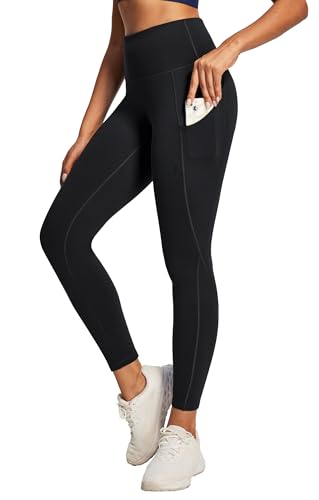
Compare the best athleisure pants type by type, from fabric and stretch to weather protection and fit, with typical prices for each style and use.
Athleisure pants look simple on a rack, yet the shelf splits into training pants, joggers, travel pants, and soft everyday pairs that all promise the same comfort. This guide compares the best athleisure pants by type, so you can match a style to your training, commute, and weekend plans instead of guessing from a product photo. The comparison table below lays out the main types side by side.
Once you know which type fits your week, the fabric and fit sections below explain what separates a pair you live in from a pair that sags, pills, or overheats by midday.

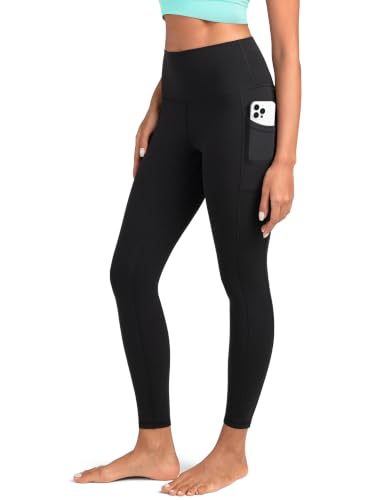


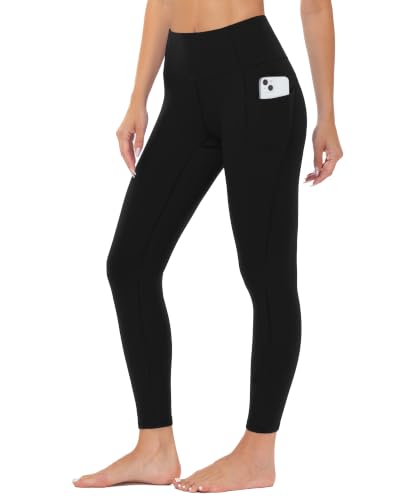
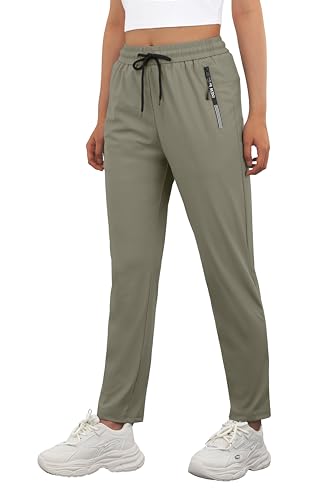
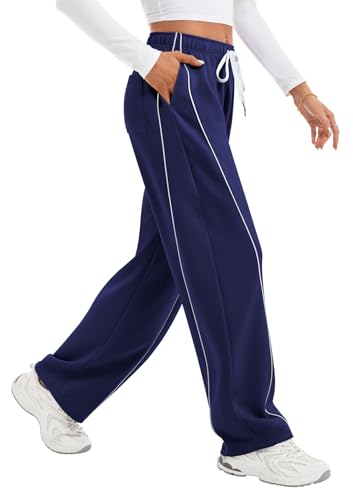
Types of Athleisure Pants Compared
The table below groups the styles by job. Read the four types below as four answers to one question: where will these pants spend most of their hours?
| Type | Best For | Pros | Cons | Typical Price |
|---|---|---|---|---|
| All Weather | Rainy commutes and shoulder seasons | Water shedding finish, sun cover | Warmer in heat, higher price | about $70 to $130 |
| Lightweight | Hot training days and travel | Fast drying, packs small | Thin fabric shows wear sooner | about $40 to $90 |
| Everyday Casual | Office friendly comfort | Looks like normal pants | Less stretch for deep lunges | about $50 to $110 |
| Soft Lounge | Home days and easy walks | Softest hand feel | Can look like sleepwear outside | about $30 to $70 |
All Weather Options
All weather pants pair a water shedding finish with a slightly heavier weave, so light rain beads off instead of soaking in. Many add a UPF rating for long days outside. They suit commuters and hikers who cannot cancel plans when the forecast turns.
The trade off is warmth. The same dense weave that blocks wind also holds heat, so these pants feel heavy in summer gyms. Choose them when weather, not workouts, is your main problem.
Lightweight Options
Lightweight pants use thin nylon or polyester with open weaves that dry in minutes after a sweaty session or a wash in a hotel sink. They pack into almost no space, which makes them the default travel choice. Runners and hot weather trainers get the most from them.
Thin fabric is less forgiving. It snags more easily, shows pocket outlines, and offers little warmth on a cold morning. If your training is mostly indoors in summer, that trade is worth it.
Everyday and Casual Options
Everyday pants hide their athletic roots behind chino style fronts, belt loops, and matte fabrics that pass in casual offices. The stretch is still there, just tuned for sitting, walking, and stairs rather than deep squats. They are the pair most people end up wearing four days a week.
Because the cut looks formal, the fabrics are often a cotton blend that dries more slowly than pure synthetics. Our guide to the best athleisure wear shows how these pants anchor a full week of outfits.
All Weather Options vs Lightweight Options: Which Should You Choose?
Start with climate. If most of your year is wet, windy, or cold, all weather pants earn their price through the water shedding finish alone. If heat and humidity rule your calendar, lightweight pants will feel better every single day.
Next, think about drying time. Lightweight pairs dry overnight on a line, while all weather pairs can need a full day. Finally, weigh durability: the denser all weather weave shrugs off brush and bag straps that would mark thin travel fabric within a season.
How to Choose the Right Pair of Athleisure Pants
Fabric and Material Comes First
Fabric governs this whole category: it decides how a pant stretches, dries, and survives the wash, so read it before you look at color. Nylon with elastane gives four way stretch and resists abrasion. Polyester dries fastest and holds color well.
Merino blends regulate temperature and resist odor on multi day trips, but they cost more and pill sooner. Cotton blends feel softest at first touch, yet they stay damp after hard effort. For the shoes that complete the outfit, see the best athleisure shoes.
Fit and Sizing
The waist matters most: a fixed waistband with belt loops fits like trousers, a drawstring waist forgives size swings, and a full elastic waist suits long flights. Slim cuts taper hard below the knee, regular cuts leave room for boots, and relaxed cuts trade neatness for airflow.
Sizing runs inconsistent between makers, so compare the listed inseam and your own leg measurement rather than trusting a label. If you plan to wear them over boots, our guide to the best pants with boots explains which leg openings stack cleanly.
Use: Gym Versus Street
The last filter is where you will wear them, gym or street. Gym first pairs put stretch and gussets ahead of looks, with zip pockets that keep a phone still during lunges. Street first pairs spend their budget on fabric finish, hidden pockets, and cuts that read as normal trousers.
Honest hybrids exist, but they cost more because both fabrics and finishing cost more. Decide which side of your day matters more, then let the other side compromise. A single pair asked to do everything usually ends up doing the gym part worst.
Weather Protection
A DWR finish makes water bead and roll off, but it is a shower defence, not a rain shell, and it fades with washing. UPF ratings around 40 to 50 mean the fabric absorbs most UV light, though sunscreen is still wise on exposed skin. Light insulation appears in winter versions as a brushed inner face that traps warmth without bulk.
None of these features help if the base fabric is wrong for your climate. Treat protection as a bonus layered on the right fabric class, never as the reason to buy.
Setup and Care Tips
Wash technical pants in cold water and air dry them, since dryer heat breaks down elastane and fades water shedding finishes. Skip fabric softener on synthetic pairs, because it coats the fibers and kills moisture wicking.
Reapply a spray on water repellent treatment about once a year on all weather pairs. Turn printed or dark pairs inside out before washing to protect the finish.
Frequently Asked Questions
How do I wash technical athleisure pants?
Wash technical athleisure pants in cold water on a gentle cycle and air dry them flat or on a line. Heat is the enemy of stretch fibers, so keep them out of the dryer whenever you can. Use a small amount of normal detergent, and never add fabric softener, because the coating it leaves blocks the moisture wicking finish. Zip all pockets and turn the pants inside out first, and this routine keeps the fit and the water shedding finish working far longer than hot, harsh washes.
How should athleisure pants fit?
Athleisure pants should fit close through the thigh without pulling at the knee when you sit, squat, or climb stairs. The waistband should stay put during a lunge without a belt or constant tugging at the drawstring. Length matters too: the hem should break just above your shoe for training pairs, while everyday pairs can stack slightly like normal trousers. If the fabric bags at the seat after one wear, size down, and if pockets flare open when you sit, size up or choose a regular cut instead of a slim one.
Are premium athleisure pants worth the extra money?
Premium athleisure pants are worth it when the upgrade buys better fabric, stronger stitching, and a finish that survives weekly washing. Higher prices often fund abrasion resistant nylon, flat seams that do not chafe, and patterns cut for movement instead of looks alone. They are not worth it when the price only buys a logo on the same basic polyester. A practical test is cost per wear: a pair worn three times a week for two years justifies a higher price far sooner than a pair saved for occasional travel days.
What fabric is best for hot weather athleisure pants?
Thin nylon or polyester with an open weave is the best fabric class for hot weather, because it dries within minutes and moves air as you walk. Look for mesh backed pockets and a gusset that lets the legs swing without the fabric clinging. Avoid cotton blends in real heat, since cotton holds sweat against the skin and stays heavy. Light colors also help outdoors by reflecting sun, and for humid climates quick dry performance matters more than stretch, so choose the lightest weave your daily wear can tolerate.
The Bottom Line
Pick the type that matches your climate first, then judge the fabric, then the waist. The best athleisure pants for you are the pair whose fabric, fit, and use class line up with the week you actually live. Use the product table above to compare options again before you order.


