
Best Athleisure Shoes 2026: Buying Guide
Disclosure: We may earn a commission when you buy through links on this page, at no extra cost to you. As an Amazon Associate I earn from qualifying purchases. Learn more

The best athleisure shoes balance comfort and style for work, travel and casual days. Learn how to judge fit, cushioning and durability.
Choosing best athleisure shoes is about everyday versatility, because these shoes bridge sporty comfort and casual style for errands, travel, work, and light exercise. They should feel comfortable for hours, look appropriate beyond the gym, and handle sidewalks, shops, and public transport without feeling like dedicated running shoes. The product table below can help you compare cushioning, style, weight, and durability.
Athleisure shoes vary from trainer inspired casual shoes to light walking shoes with sporty styling, so the right choice depends on how much walking, standing, or exercise your day actually includes. A shoe that looks perfect for brunch may feel unsupportive after a long city walk, while a performance trainer may look out of place in a smart casual workplace.
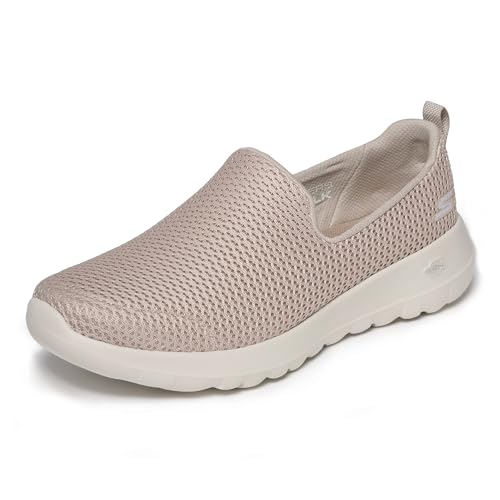


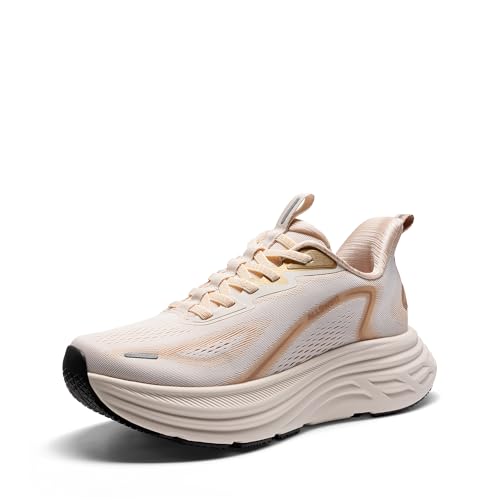

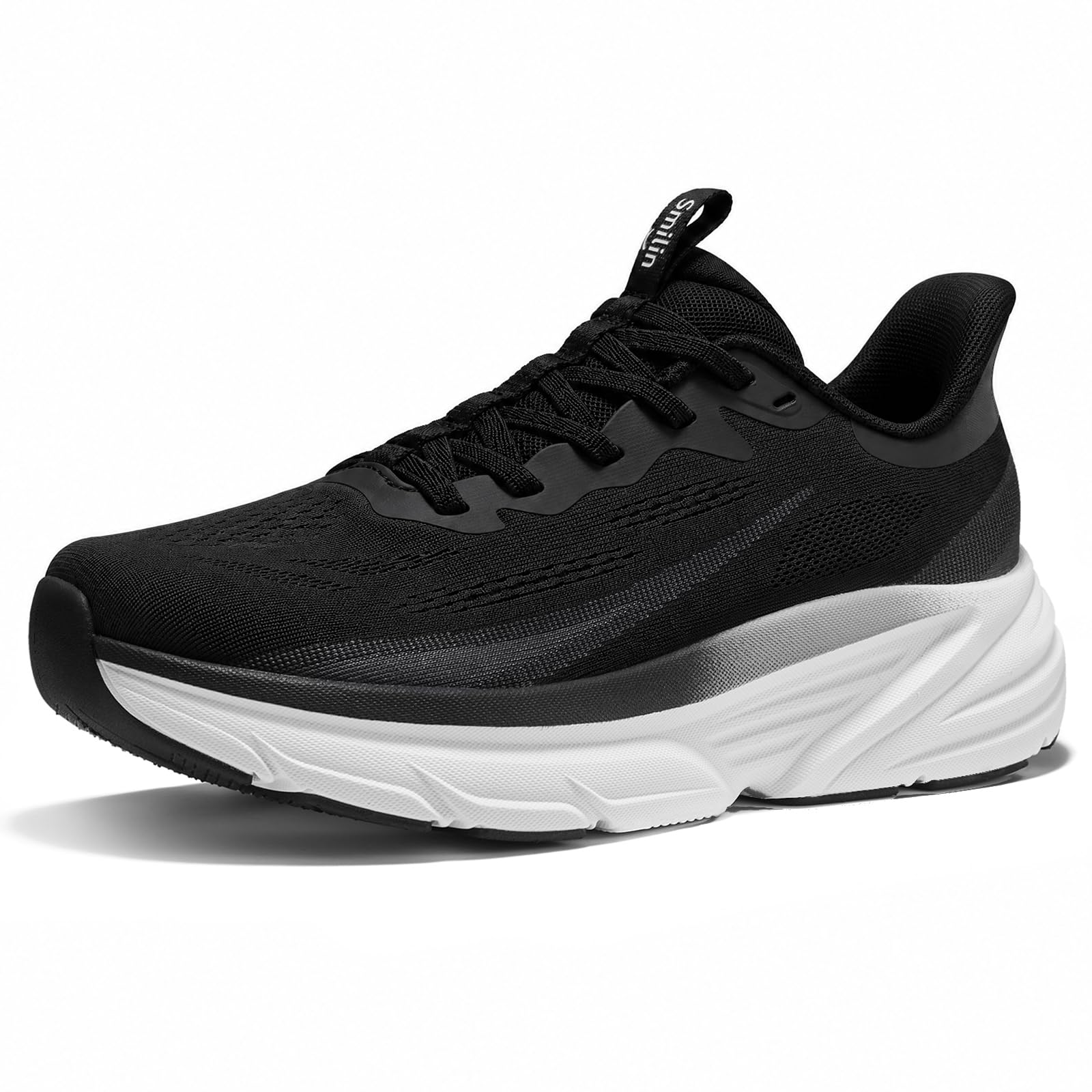

Who Should Buy
These shoes suit people who want one comfortable pair for daily life, including commuters, parents, travelers, and workers in casual dress codes. They also suit people who move between home, gym, shops, and social plans without wanting to change shoes several times a day. For a related option, see best men's athleisure shoes and compare it with your main needs before deciding.
They are less suitable for serious running, trail hiking, court sports, or safety critical work, where specific running, trail, court, or safety shoes provide necessary support, grip, or protection. Athleisure comfort does not replace specialist footwear for demanding activity or workplace safety rules.
Key Features to Compare
Everyday versatility depends on comfort, style, and durability together.
- Cushioning that stays comfortable for hours of walking and standing, not only for short trips.
- A style that fits your wardrobe, from minimal trainers to sporty casual designs.
- Light weight and breathability for travel, warm weather, and long days.
- Durable outsoles for sidewalks, shops, and public transport, with grip for wet surfaces.
- Easy cleaning materials, since daily shoes face spills, dust, and weather.
Also check fit and width, because athleisure shoes often run narrow in fashion inspired models, and a tight forefoot can cause blisters over a long day. Look at removable insoles if you use orthotics, and check heel height and drop, since a very flat or very high shoe can change comfort over hours. Try shoes with the socks you normally wear.
Types Compared
Minimal trainer style athleisure shoes suit smart casual outfits, travel, and light daily walking, with clean designs that pair easily with jeans, dresses, and casual workwear. They are versatile and easy to style, yet they may offer less support and durability than walking focused models for very long days. Choose them when style and light comfort matter most.
Walking focused athleisure shoes suit commuters and travelers who walk many miles, offering stronger cushioning, stability, and outsoles while keeping a casual sporty look. They handle city days, airports, and sightseeing better than fashion trainers, but they may look more athletic in formal settings. Choose them when distance and comfort dominate the day.
Slip on athleisure shoes suit quick errands, airport security, and easy on and off living, with elastic or strap closures that save time. They are convenient and comfortable for short to medium wear, yet they may offer less heel hold and adjustability than lace up models for long walks. Choose them for convenience, not for all day hiking or running.
Living With Your Choice
Rotate athleisure shoes with other footwear where possible, since daily wear flattens cushioning faster and rotation lets foam recover and shoes dry fully. Clean according to maker guidance, air dry after wet days, and use shoe trees or stuffing to hold shape during storage. Check outsoles and heel wear monthly, since uneven wear can change comfort and gait.
Pair athleisure shoes with socks that fit well and do not slip, because low cut socks that slide can cause blisters during long walks. Use supportive socks or insoles where needed, and avoid wearing athleisure shoes for workouts that need specific support, such as heavy lifting or court sports. The right shoe for the activity protects feet better than one pair for everything.
For travel, pack a pair that matches most outfits and activities, rather than several fashion pairs that each suit only one occasion. A versatile, comfortable pair reduces luggage weight and foot pain, especially on sightseeing days with long standing and walking. Break new pairs in before a trip, not during it.
Mistakes to Avoid
A common mistake is choosing athleisure shoes purely for looks, then suffering foot pain, blisters, or early wear during long days. Another mistake is wearing them for running or hiking, where lack of specific support, grip, or protection can cause injury or rapid breakdown.
Another error is buying a tight size for a sleeker look, since feet swell during the day and tight shoes cause more problems than a slightly roomier fit. A further error is neglecting cleaning and rotation, which shortens shoe life and increases odor even in well made pairs.
A Final Check Before You Order
Before you order, check cushioning, fit, width, weight, grip, and style against your daily walking distance, workplace dress code, and travel needs. Try shoes with usual socks, walk on hard floors, and confirm return policies so you can test comfort over a full day.
The product table above can help you compare athleisure styles side by side, but daily comfort and wardrobe fit matter most. Choose shoes that feel good after hours, look right for your life, and last through regular city use.
Comparing Options in More Detail
Travel packing rewards versatile athleisure shoes, because a single pair that suits walking tours, casual dinners, and airport days saves luggage space and avoids sore feet from fashion shoes. Choose a neutral color that matches several outfits, a style that works for day and evening, and cushioning that survives long sightseeing days. Test the pair on a full day at home before trusting it abroad.
Workplace dress codes vary widely, so a shoe that passes in a creative studio may fail in a client facing office with smart casual rules, even when both call themselves casual. Check your workplace norms, observe what colleagues wear, and keep a smarter pair available for important meetings. Athleisure versatility has limits, and respecting dress codes matters for professional comfort as well as style.
Seasonal changes affect athleisure choices, because breathable mesh that feels perfect in summer can feel cold and wet in winter rain, while heavier materials that suit winter may overheat in summer. Consider two pairs for very different seasons, or choose a water resistant, breathable model for transitional weather. Seasonal planning keeps daily shoes comfortable all year, rather than forcing one pair through every condition.
Weatherproofing sprays can extend athleisure shoe life in rain, provided the spray suits the upper material and is tested on a hidden area first. Reapply after heavy rain or washing, and allow shoes to dry fully before wearing them again for comfort and odor control.
Frequently Asked Questions
Can athleisure shoes be used for running?
Light jogging in athleisure shoes is usually fine for short distances, but regular running needs dedicated running shoes with appropriate cushioning, support, and durability for repetitive impact. Athleisure models often lack the stability and foam longevity that runners need, especially for longer distances. Use them for daily life and light activity, and choose running shoes for training.
Are athleisure shoes suitable for work?
Yes, in casual and smart casual workplaces, athleisure shoes often suit daily wear, especially for jobs involving walking, standing, and commuting. Check dress codes, safety rules, and floor types, since formal offices or safety critical workplaces may require dress shoes or safety footwear instead. Choose a clean, minimal style for more formal casual settings.
How do I keep athleisure shoes looking good?
Clean regularly according to material guidance, air dry after wet use, and rotate pairs to reduce wear and odor. Protect light colored shoes from mud and heavy rain where possible, and use appropriate cleaners for leather, mesh, or knit uppers. Replace shoes when cushioning flattens or outsoles wear unevenly, since worn shoes lose both comfort and appearance.
Should athleisure shoes be tight or roomy?
They should fit comfortably with thumb width space at the toes, a secure heel, and no pressure across the forefoot, since feet swell during the day. A slightly roomy fit usually beats a tight fashion fit for long wear, and laces or adjustable closures help fine tune fit. Try shoes late in the day and with usual socks for the most realistic fit.
Do athleisure shoes last as long as walking shoes?
Walking focused athleisure shoes can last similarly to casual walking shoes, while fashion focused models may wear faster under heavy daily use. Durability depends on outsole quality, cushioning, mileage, and surfaces, with daily city walking wearing shoes faster than occasional wear. Check outsoles, heels, and cushioning regularly and replace worn pairs promptly.
Final Thoughts
In short, the right choice for best athleisure shoes is a comfortable, versatile pair that fits your daily walking, wardrobe, and travel needs without sacrificing support. Test comfort over a full day, rotate pairs, and choose specialist shoes for running, trails, court sports, or safety work.


