
Best At Home Treadmills Under 1000: A First Time Buyer's Guide for 2026
Disclosure: We may earn a commission when you buy through links on this page, at no extra cost to you. As an Amazon Associate I earn from qualifying purchases. Learn more

Shopping for the best at home treadmills under 1000 for the first time? Learn the key terms, compare motor and belt classes, and avoid rookie mistakes.
Buying your first treadmill is confusing mostly because the product listing speaks a language nobody taught you: motor ratings, belt sizes, incline grades, weight limits. This guide translates those terms into plain English and shows you what the budget honestly buys. Shoppers looking at best at home treadmills under 1000 are usually choosing between walking machines and light jogging machines, even when the listings blur that line.
One point of honesty before the details: a treadmill is exercise equipment, not a medical device, and this guide makes no promises about weight, fitness or health outcomes. It covers how to choose a machine that fits your body, your room and your intended use, and how to set it up safely. The product table shows options at this budget, and the sections below go from use, to health checks, to the room itself.
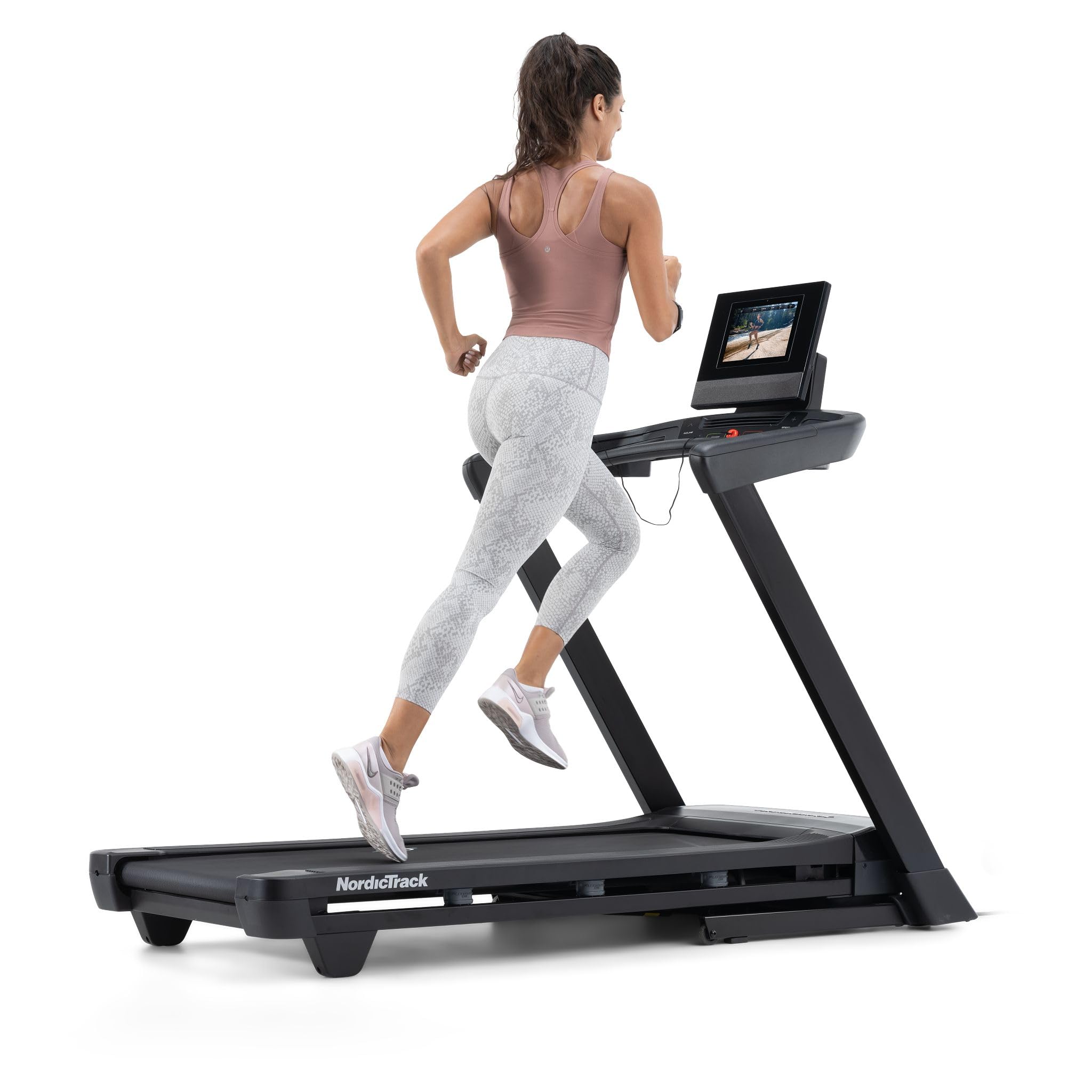
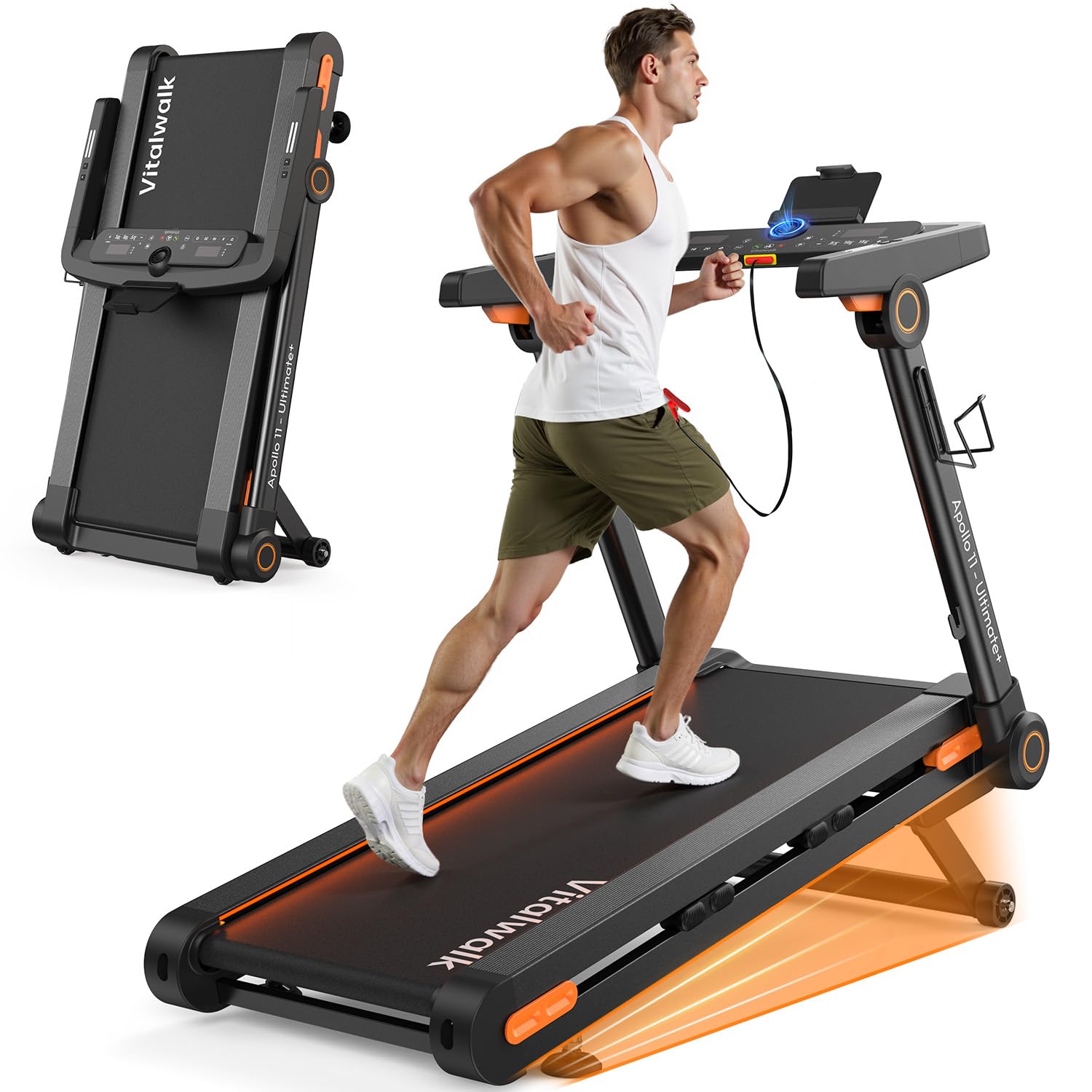

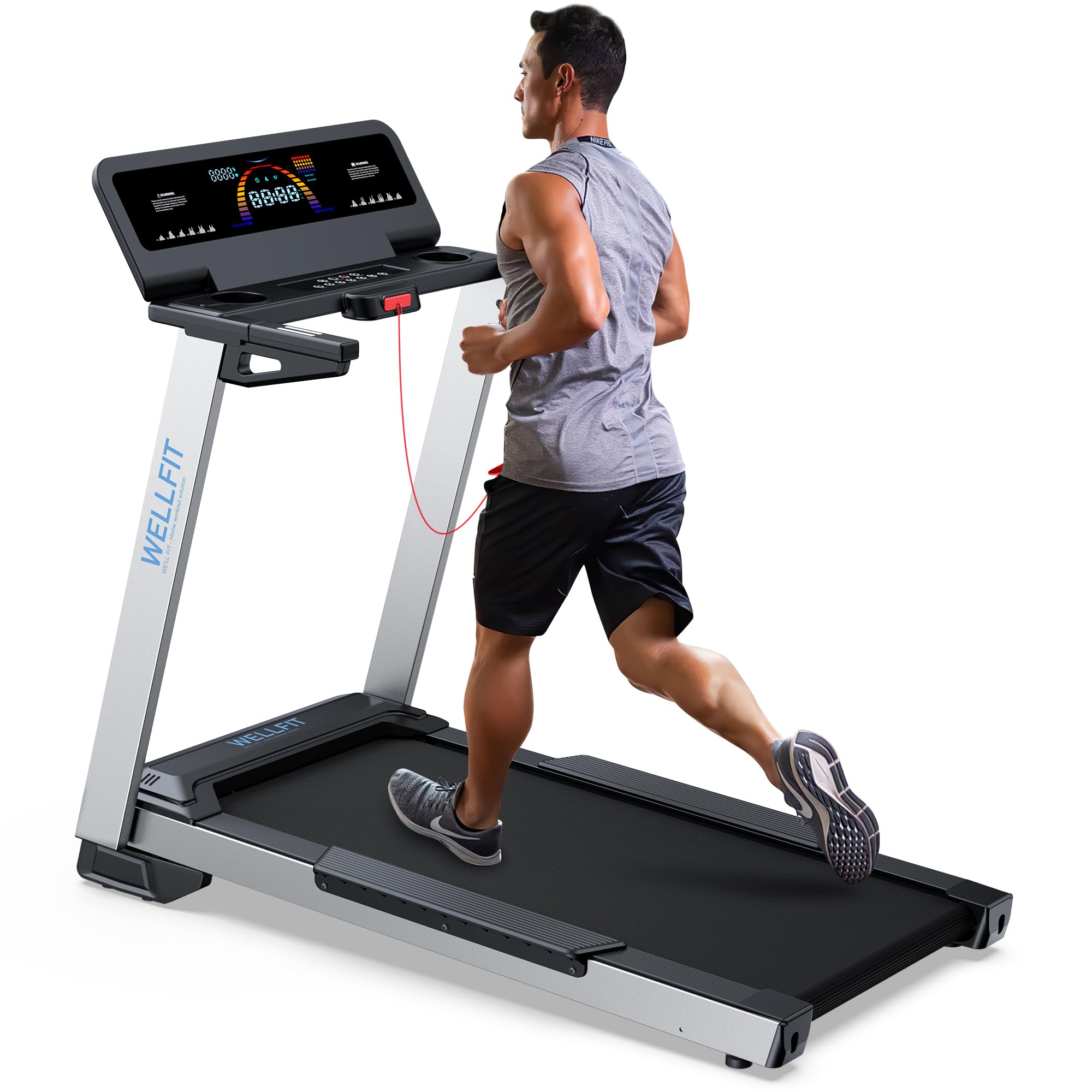
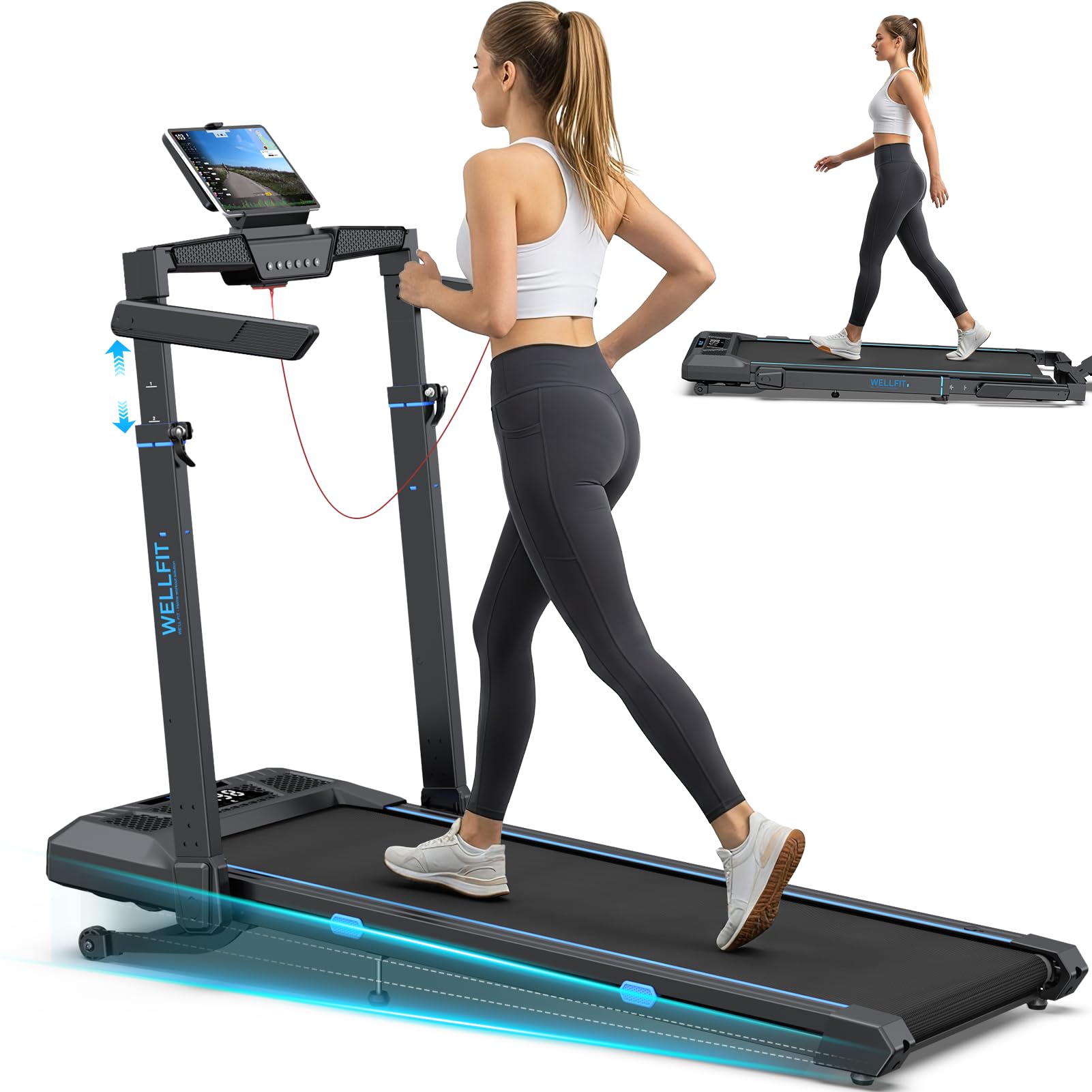
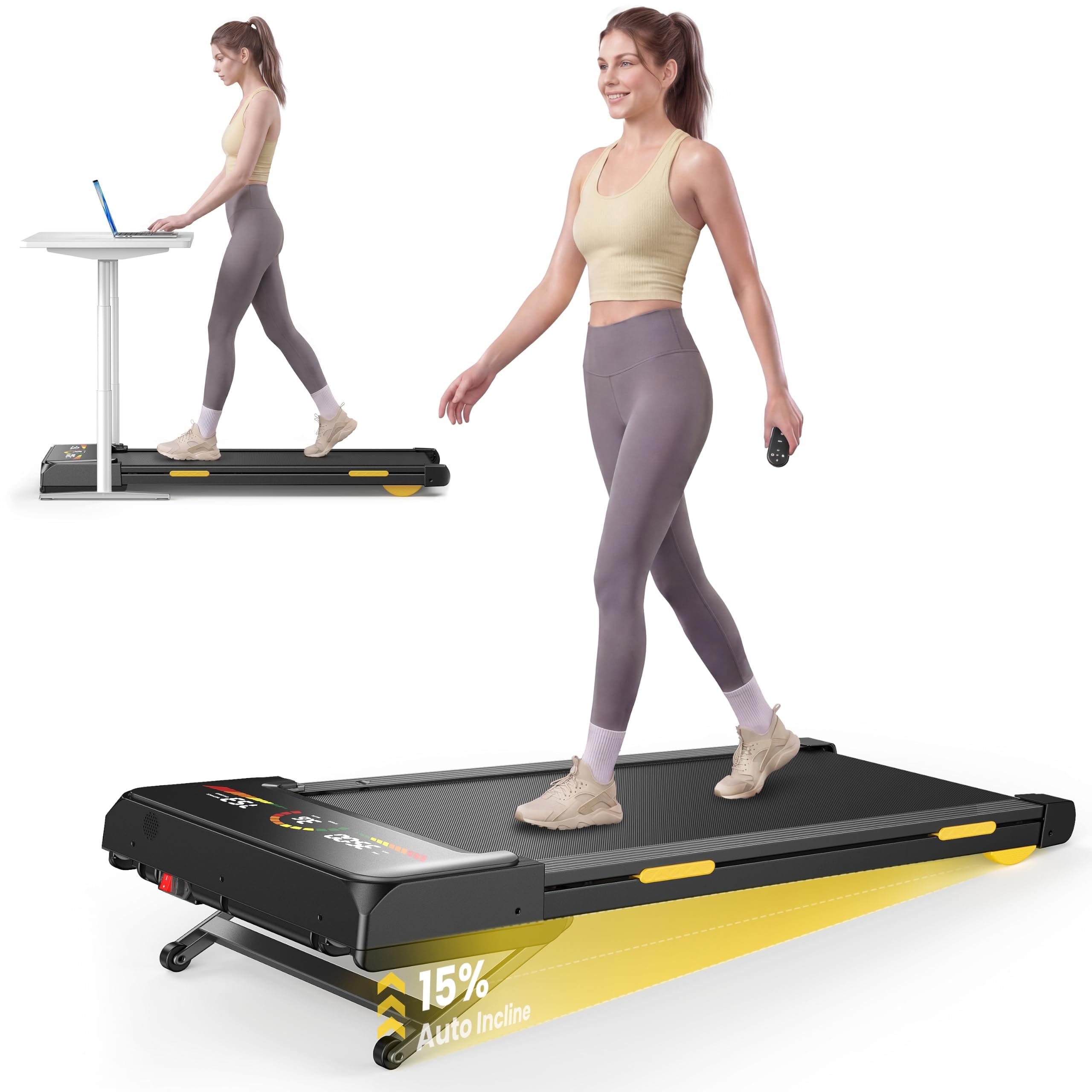
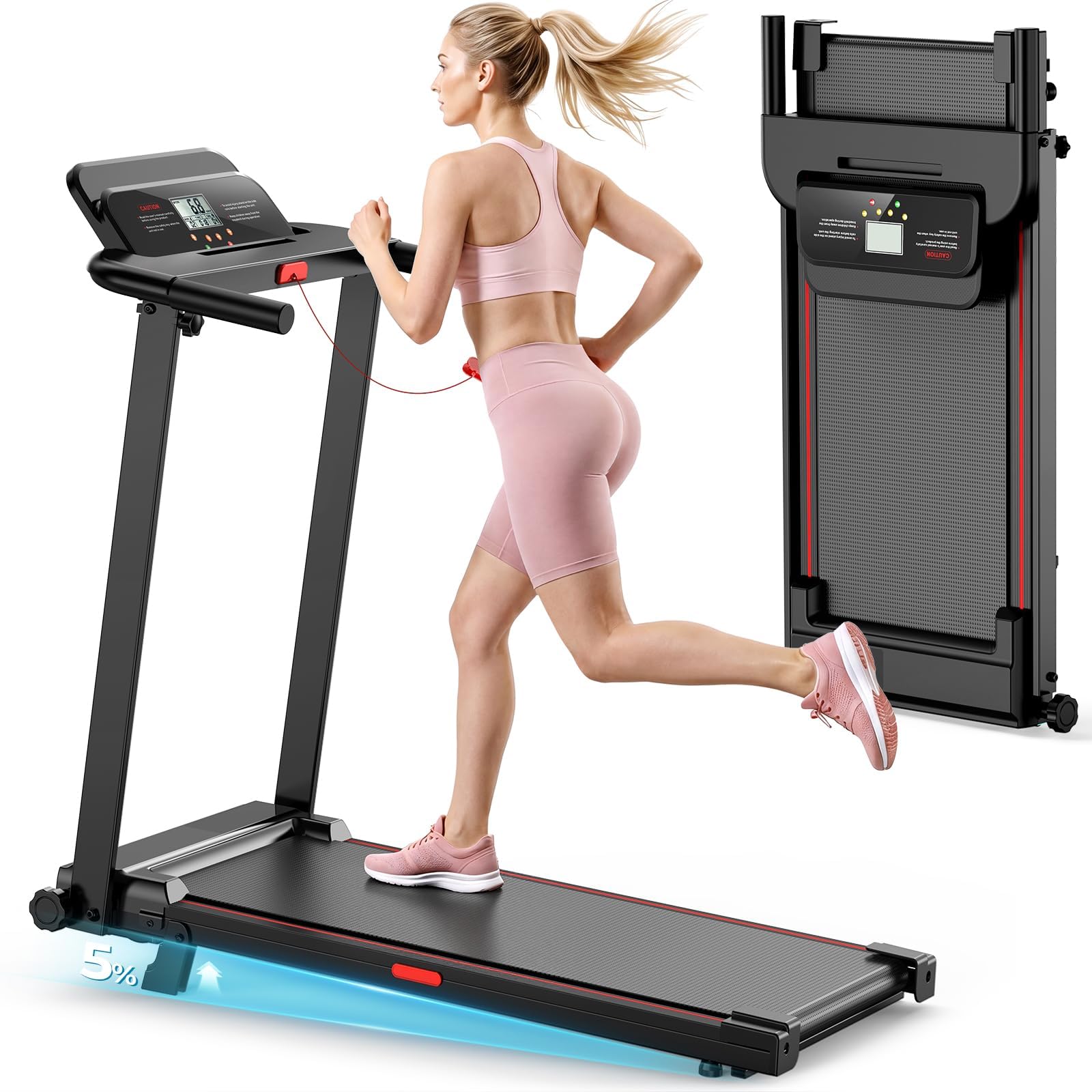

Best At Home Treadmills Under 1000: Treadmill Basics for First Time Buyers
An at home treadmill is a motor driven belt you walk or run on in place, with a console that sets the speed and often the incline. The motor turns the belt, the belt size decides how much room your stride has, and the frame and deck absorb the impact of each step. Nearly every model at this budget folds up so it can be stored against a wall.
A few terms cover most listings. Motor power is listed in horsepower, and makers rate it their own way, so treat the number as a rough class marker rather than an exact measure. Belt size is given as width by length in inches, and incline is listed as a percentage grade or a number of levels.
The weight capacity is the highest user weight the maker rates the frame and motor to carry, and staying well under it helps the machine run quietly and last longer. If you are cross shopping the wider category, our guide to best home treadmills under 1000 covers the same budget from a general angle.
Start With How You Will Actually Use It
The most useful question in this whole guide is the first one: what will you do on the machine most days? The honest trades at this budget are motor class and belt size, and both should follow your use, not your ambitions. Buy for the activity you will repeat, because a machine matched to daily walking gets used.
Walking: The Best Fit for This Budget
Walking is where this price range is strongest. A walking pace asks little of the motor, so a modest motor class handles it for years, and a shorter, narrower belt is workable because a walking stride is compact. Many buyers at this level walk while working or watching a show, and for that use a quiet belt and a stable handrail matter more than top speed. Spend on deck cushioning and a clear console rather than on speed you will never dial up.
Jogging: Possible, With the Right Belt
Light jogging sits in the middle. Your stride lengthens, your foot lands harder, and the motor works against more load with every step. A jogging routine needs a belt at the longer end of this budget's range and a motor class with headroom above the minimum, plus a weight capacity comfortably above your own weight. Be honest about frequency: jogging once a week is a different demand from jogging five days a week, and the second pattern wears a budget machine much faster.
Running: Where This Budget Runs Out
Regular running is the use this budget serves worst, and it is better to hear that before you buy. A running stride needs a long belt, a strong motor running near its limit heats up over long sessions, and repeated hard foot strikes punish a light frame. Occasional short runs on the strongest model in this range are realistic; daily training is not. If running is the real goal, consider saving toward a higher class, or using a gym for running days and a walking machine for home.
When to Check With a Clinician Before You Buy
This step comes before the buying sections on purpose. If you have a heart condition, joint problems, balance concerns or high blood pressure, or if you are recovering from an injury or surgery, talk with your clinician before buying a treadmill, not after it arrives. A clinician who knows your history can tell you whether walking on a moving belt is suitable for you at all, and at what pace and incline to start.
The same caution applies once the machine is home. Stop your session and get off the belt if you feel pain, dizziness, nausea or any discomfort in your chest, and seek medical care for those symptoms rather than pushing through them. Start slower and shorter than you think you need, and hold the handrails while the belt speed is new to you. A treadmill rewards gradual habits and punishes heroic first weeks.
Key Specs Explained in Plain English
What You Can Realistically Get Under the Budget
Among the best at home treadmills under 1000, expect a folding frame, a motor suited to walking and light jogging, a belt sized for those gaits, modest incline and a console with preset programs. What gets cut is what costs makers the most: very long belts, heavy duty motors, large touchscreens and thick commercial decks. Do not save money on the belt or the motor to pay for a bigger screen, because the screen is the part you can replace with a tablet, and the belt is the part you cannot replace at all.
Motor Class and Why the Rating Is Soft
Makers rate treadmill motors in horsepower, but there is no single standard every brand follows, so two motors with the same printed number can behave differently under load. Treat the rating as a class label: the lowest class is for walking only, the middle class covers walking and light jogging, and anything marketed for running deserves skepticism at this budget. What matters daily is whether the motor holds a steady pace at your weight without straining noises or a belt that hesitates under your foot.
Belt Size: The Measurement That Decides Your Gait
The belt is measured width by length, and length is the number that decides what you can do. A walking stride is short, so a compact belt works; a jogging or running stride carries your foot well forward and back, and a short belt forces you to shorten your step and watch your feet, which is tiring and unsafe. Taller users need longer belts at any speed because their stride is longer. If you are between classes, choose the longer belt over extra console features every time; a small belt suits walking more than running, and no program fixes a belt that is too short.
Ceiling Height and Floor Strength: The Room Checks
Two room facts surprise first time buyers. First, ceiling height: you stand on a deck several inches above the floor, and incline raises you further, so add your height to the deck height and check the total against the ceiling, with extra caution in basements and under ceiling fans. Second, the floor: a treadmill with a user on it is a heavy, vibrating load, so a solid ground floor surface is ideal, upper floors flex and carry noise, and a mat under the machine protects the floor and softens the sound. Readers planning a room around the machine will find more placement detail in our guide to best treadmills for at home use.
Measure the working footprint too, including the safety zone behind the belt described in the setup section. Folding dimensions in the listing tell you the stored size, not the size in use.
Console, Programs and App Connectivity
Consoles at this budget range from a simple display with speed and incline buttons to screens that connect to fitness apps over Bluetooth. Preset programs change speed and incline on a schedule, which many beginners find easier than adjusting manually. App connected models may offer classes and tracking, sometimes behind a subscription. Decide before buying whether you will use those extras, because they are the first features most owners stop opening after the first month.
Assembly and Portability
Most models in this range arrive partly assembled, with the frame folded and the console and arms to attach. Assembly is usually less than an hour with a second person to help lift, and it is worth doing where the machine will live, since a built treadmill is awkward to move through doorways. Transport wheels let one person tilt and roll it for storage, but try the fold before you commit to a daily storage routine; a fold that fights you becomes a reason the machine stays unused.
Rookie Mistakes to Avoid
- Buying for the runner you hope to become. A belt and motor sized for daily running do not exist at this budget, so a walker who buys running dreams ends up with the wrong machine either way.
- Trusting the horsepower number alone. Makers rate motors their own way, so compare belt size and weight capacity alongside it before judging strength.
- Skipping the ceiling measurement. Deck height plus your height plus incline can put your head into a low ceiling or a fan.
- Forgetting the space behind the belt. The area at the rear is a safety zone, not storage space for boxes and shoes.
- Paying for a screen instead of a belt. A longer belt improves every session; a bigger display improves none of them once the novelty fades.
- Ignoring the weight capacity. Running near the rated limit makes the machine louder and wears the motor and belt faster.
Getting Started: Setup and First Use
Set the machine on its mat with the rear of the belt clear: keep a wide open space behind the treadmill, free of walls, furniture and clutter, so a stumble off the back lands on floor, not on a table edge. Clip the safety key to your clothing every session, as the manufacturer's instructions direct; the key is designed to pull free and stop the belt if you drift back or fall, and a machine without its key in place should not be used at all. Plug into a grounded outlet as the manual directs, and keep the cord where feet and the belt cannot reach it.
For the first sessions, start the belt at its slowest speed while standing on the side rails, step on once it moves steadily, and walk at a pace that feels easy. Wipe the belt and deck edges down after each session, since sweat left on the belt works into the deck and shortens belt life. Check belt centering and tension after the first week, because new belts settle as they stretch in early use.
At Home Treadmills: Your Questions Answered
Can you get a good at home treadmill for under $1000?
Yes, for walking and light jogging, as long as your expectations match the class. At this budget you get a folding frame, a motor that handles steady walking well and a belt sized for shorter strides, but not a machine built for daily distance running or heavy use by several adults. Shoppers comparing across the whole class often also read roundups of best treadmills under 1000 dollars to see how the same budget splits between belt size and console features. Judge the machine against your actual routine, not against gym equipment.
How long does an at home treadmill under 1000 last?
With regular walking use and basic care, a budget treadmill commonly lasts several years. Life depends mostly on load and habits: a lighter walker on a machine rated well above their weight wears it slowly, while jogging near the weight limit shortens motor and belt life. Wiping the belt down and keeping it centered extends its working years. The belt and deck are the wear items, and a slipping or fraying belt is the signal to service the machine.
Which is better for a beginner, a manual or a motorized treadmill?
A motorized treadmill is the easier start for most beginners. The belt moves at a set pace, so you can focus on your footing and stop with a button. A manual treadmill moves only when you push it, which makes the effort uneven and the pace hard to hold, though it costs less and never needs an outlet. Manual models suit short, gentle walks; anyone planning longer sessions or any jogging will find a motor worth the difference.
Is a subscription required to use an at home treadmill under 1000?
No. Every treadmill in this class works as a standalone machine with manual speed and incline controls, subscription or not. Some connected models offer app based classes, tracking and extra programs behind a monthly fee, and a few features on the console may sit behind that paywall. Before buying a connected model, check which features work without the subscription, so you know exactly what the machine does if you never pay it.
Is an at home treadmill under 1000 quiet enough for an apartment?
Walking on one is usually acceptable; jogging is harder on the neighbors. Most of the noise is not the motor but the impact of your feet through the deck into the floor, and it carries most in rooms below you. A thick mat under the machine softens it, walking carries far less than jogging, and sensible hours matter more than any feature. If you can, place the machine on the ground floor or over a part of the building built for heavier loads.
How much space does an at home treadmill need?
Plan on the full working footprint, not the folded one. In use, most models in this class need a floor area roughly the size of a large rug, plus the clear safety zone behind the belt and enough headroom for your full height on the raised deck. Measure the room with those numbers before ordering, and check the path from your front door as well, because the box is large and a treadmill that cannot reach its room is a return waiting to happen.
Final Thoughts
Choosing among the best at home treadmills under 1000 comes down to matching the machine to the gait you will actually use: a belt long enough for your stride, a motor class with headroom above your weight, and a room with the ceiling height and clear floor the machine needs. Compare the picks in the table with the use classes above, keep the clinician check ahead of the purchase if it applies to you, and let belt size outrank screen size every time. A modest machine that fits your routine will still be moving years from now.


