Best Asus Laptops under 500: A Buying Guide for 2026
Disclosure: We may earn a commission when you buy through links on this page, at no extra cost to you. As an Amazon Associate I earn from qualifying purchases. Learn more

Use this buying guide to the best asus laptops under 500 to compare key features, screen sizes, and price tiers, then choose the setup that fits your budget.
A laptop under $500 has to make smart trade offs, and knowing where the money should go is the whole game. Spend on the wrong line of the spec sheet and the machine feels slow within a year. Spend wisely and it handles school, work, and home tasks for years.
This guide shows what the best asus laptops under 500 can realistically offer, which specs deserve your money, and which extras you can safely skip. Read the criteria first, then use the comparison table below to check real listings against them.


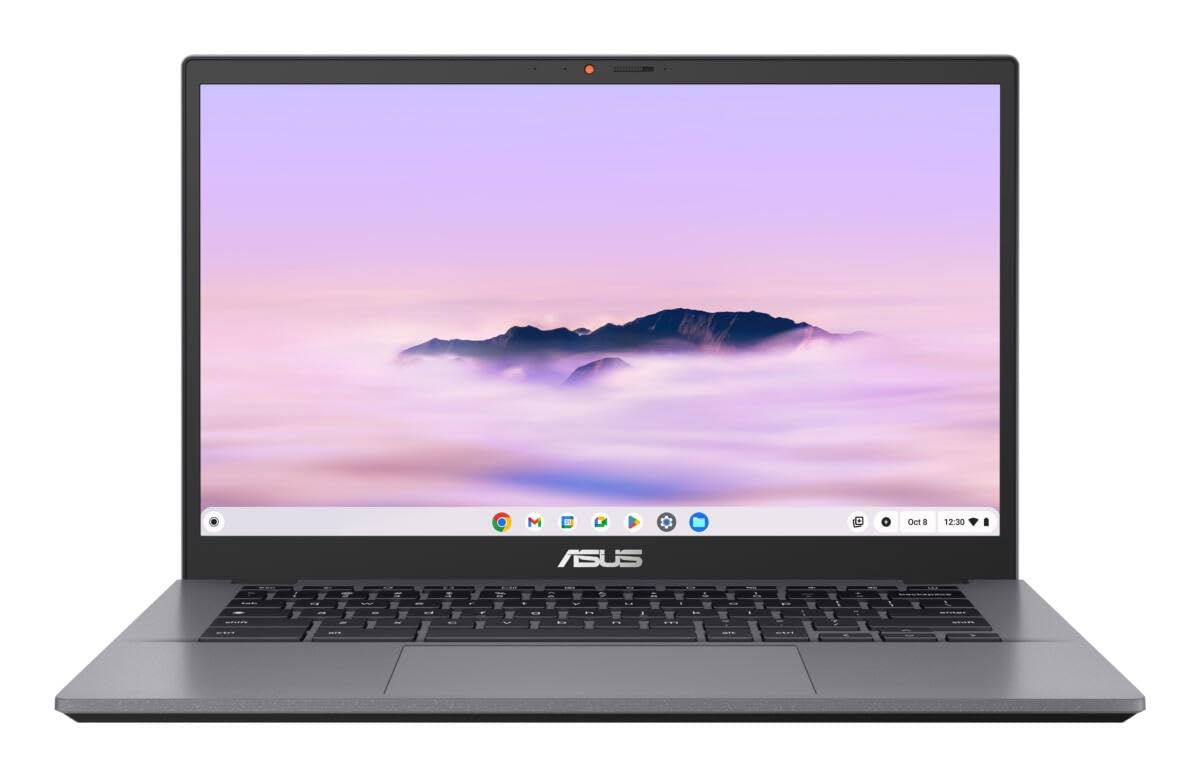
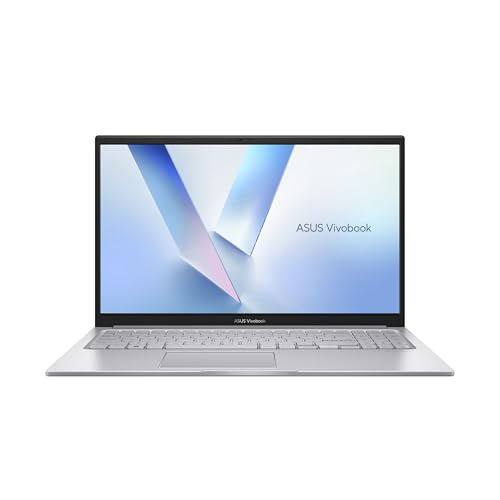
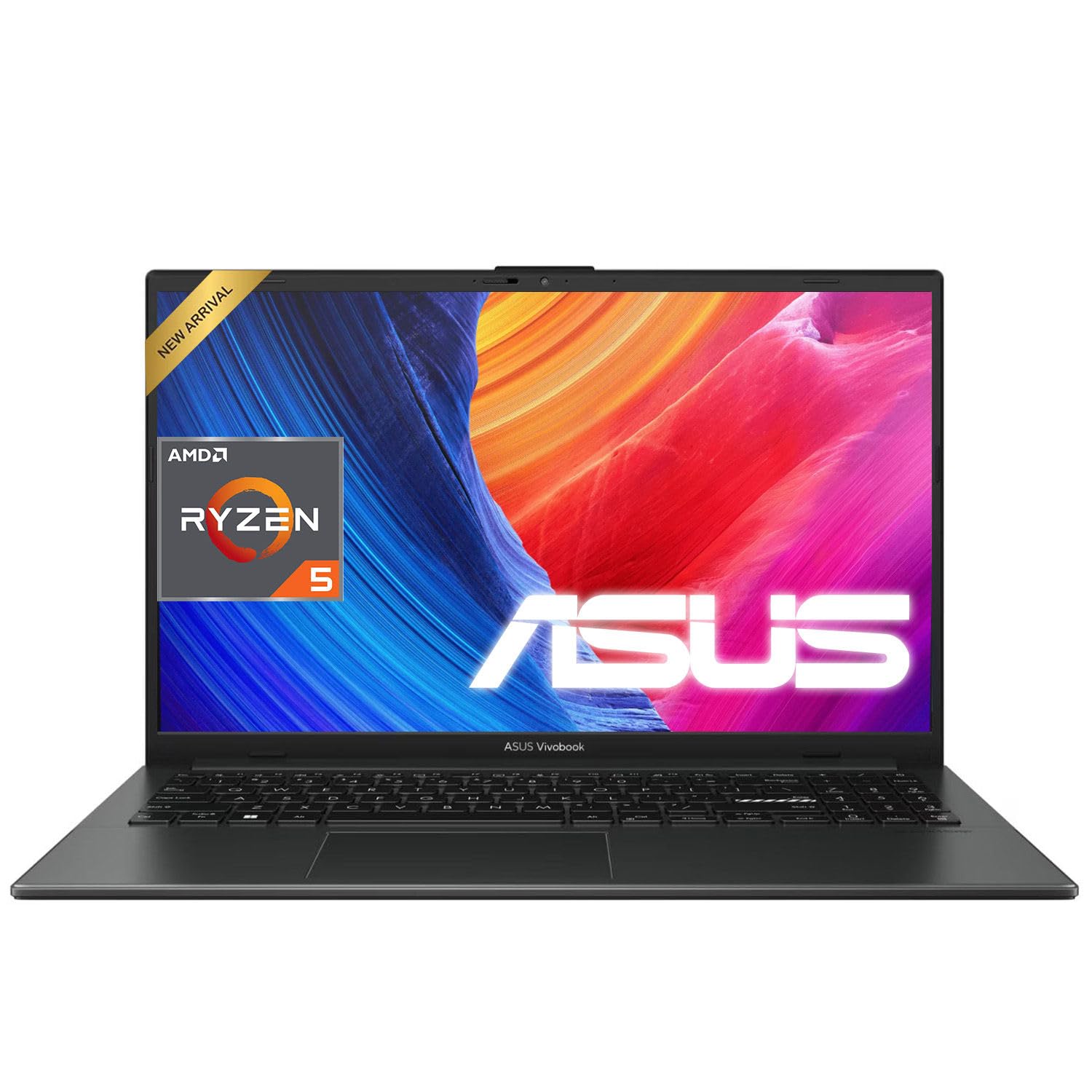



What the Price Tiers Under $500 Deliver
Instead of chasing a single named model, shop by tier, because stock and sale prices change constantly in this range. Each tier below describes what that money generally buys in an Asus laptop, who it suits, and where the limits sit. Match your daily tasks to a tier first, then compare individual listings inside it.
The Entry Tier Around $250 to $350
The entry tier suits browsing, email, documents, video streaming, and light school work. Expect a modest processor, 4 GB to 8 GB of RAM, and 64 GB to 256 GB of storage, often in a Chromebook or a simple Windows notebook. Screens are usually 11 to 14 inches with basic brightness, and bodies are plastic.
The main strength is price, plus battery life that can be excellent on Chromebooks. The limit is headroom, since heavy multitasking and demanding programs strain these machines. This tier works best as a first student laptop, a shared family computer, or a travel spare.
The Middle Tier Around $350 to $450
The middle tier is where value peaks for most buyers. At this level you can find 8 GB of RAM, a 256 GB or 512 GB SSD, and a processor that keeps office apps, video calls, and many browser tabs moving smoothly. Screens step up to Full HD on many models, which makes text sharper and work less tiring.
You still give up premium touches like very bright displays and strong graphics, but the machine feels balanced rather than bare minimum. If your budget is flexible, aim here, because the jump in daily comfort from the entry tier is larger than the jump you get by stretching to $500.
The Upper Tier Around $450 to $500
The upper tier buys breathing room. Look for 16 GB of RAM on sale models, a faster processor, a brighter screen, or a 2 in 1 design with a touch display, depending on which feature the maker chose to fund. Build quality often improves too, with stiffer lids and better keyboards.
No model at this price funds everything at once, so pick your priority. Choose RAM and storage if you keep laptops for many years, a better screen if you read and write all day, or a convertible design if you present or watch media in tent mode.
How to Choose the Best Asus Laptops: Buying Guide
What You Can Realistically Get Under $500
Under $500, expect a capable everyday computer, not a powerhouse. Web work, documents, spreadsheets, streaming, and light photo edits are all fair game. Modern games, heavy video editing, and large virtual machines are not. Screens are serviceable rather than stunning, and speakers are basic.
Never save money on storage type. A model with an SSD feels fast, while old style slow storage makes even a decent processor feel sluggish. Also protect the RAM line of the budget. Dropping from 8 GB to 4 GB to save about $30 is the most common false economy in this price range.
Processor and Performance Tier
The processor sets how the laptop handles busy moments like a video call during a big download. In this range, look for a current Intel Core i3 or Core 5, an AMD Ryzen 3 or Ryzen 5, or a capable Chromebook chip for web based work. These handle everyday tasks with room to spare.
Avoid the slowest entry level chips if you plan to keep the laptop for several years, because apps keep getting heavier. Generation matters as much as the name, so a newer i3 often beats an older i5. When two listings look equal, choose the newer processor and put leftover money toward RAM or storage.
RAM and Storage
Aim for 8 GB of RAM as the minimum for Windows and 16 GB if a sale model offers it, since memory keeps your open apps responsive. Chromebooks can feel smooth with less, because ChromeOS is lighter, but 8 GB still helps with many tabs. If a model allows a later memory upgrade, that flexibility adds real value.
For storage, 256 GB is a workable minimum and 512 GB is comfortable. Your files may be small, but Windows updates, apps, and photo libraries grow steadily. Cloud storage can offload documents and media, yet it cannot replace local space for programs. Check whether storage can be expanded with a memory card or an external drive for cheap breathing room. For a wider view of this budget band, see our guide to the best laptops 500 and under.
Operating System (Windows, macOS, ChromeOS, Android, iPadOS)
Asus laptops in this range run Windows or ChromeOS, and the choice shapes everything else. Windows runs the full range of desktop programs, printers, and school or work software, which makes it the safer pick when requirements are unclear. It also needs more RAM and storage to feel quick.
ChromeOS is lighter, starts fast, and stretches modest hardware further, so a Chromebook at around $300 can feel smoother than a Windows laptop at the same price. The catch is software limits, since some desktop programs have no web version. macOS and iPadOS are Apple systems and do not appear on Asus machines. Match the system to your required apps first, then compare hardware.
Display Size, Resolution, and Brightness
Most models here offer 14 or 15.6 inch screens, with smaller 11 to 13 inch options on travel friendly designs. Choose 14 inches for a balance of comfort and portability, or 15.6 inches if the laptop stays on a desk and you want a roomier view and often a number pad.
Resolution matters more than size for sharpness. Full HD at 1920 by 1080 keeps text crisp, while lower resolutions look grainy on larger screens. Brightness around 250 to 300 nits is typical and fine indoors. Touch and OLED panels appear near the top of this budget on sale, and both are pleasant bonuses rather than essentials.
Battery Life in Real World Use
Advertised battery figures assume light tasks at modest brightness, so real life numbers run lower. For mixed school or office work, expect roughly six to nine hours from a Windows model in this range and often more from a Chromebook. Video calls, high brightness, and many tabs drain the battery fastest.
USB C charging is a practical plus because it lets you top up from compact chargers and many power banks. To stretch runtime, lower brightness a notch and close unused tabs. If you work away from outlets all day, favor efficient models even at a small premium, and compare with the options in our guide to the best computer laptops under 500.
Graphics (Integrated vs Dedicated GPU)
Nearly every laptop under $500 uses integrated graphics built into the processor. That is fine for streaming, casual games, browser games, and light photo work. Modern integrated graphics from Intel and AMD have improved a lot and can even handle older or low demand games at modest settings.
A dedicated graphics card is rare at this price and usually comes with compromises elsewhere, such as less RAM or a dimmer screen. If gaming is your main goal, a sale-priced gaming laptop or a console may serve you better. For everyone else, integrated graphics keep the price, weight, and heat down, which suits this budget well.
Types of Asus Laptops
Ultraportables
Ultraportables are thin and light laptops built for carrying. Under $500 they are less common, but sale models do appear with slim bodies and good battery life. They suit students and commuters who value a light bag over a big screen, at the cost of fewer ports and parts that cannot be upgraded later.
2 in 1 Convertibles
A 2 in 1 convertible has a hinge that folds the screen back into tablet or tent mode, usually with touch support. These suit note taking, presenting, and watching video in tight spaces. The hinges and touch layer add cost, so compare RAM and storage carefully against plain laptops at the same price.
Gaming Laptops
True gaming laptops start above this budget, but entry gaming designs on deep sale can dip near $500. They bring stronger graphics and better cooling at the cost of weight, noise, and short battery life. If you mainly play light games, a standard laptop with good integrated graphics is often the smarter and quieter buy.
Choosing Asus Laptops for Your Situation
Best Asus Laptops under 500 Dollars
When you compare best asus laptops under 500 dollars across stores, judge each listing on three dollar specific checks. First, confirm the price is for the full configuration, not a stripped variant shown with better photos. Second, weigh sale pricing against the regular price of a newer model, since an old design at around $450 can be worse value than a current one at the same figure. Third, reserve a small part of the budget for a sleeve and a wireless mouse, which improve daily comfort more than a tiny spec bump.
Setup and Care Tips
- Update everything on day one. Run operating system and firmware updates before you install your files, since new stock often ships with older software and security fixes matter most at setup.
- Protect the battery. If you work plugged in at a desk, use the charge limit setting if your model offers one, because sitting at full charge for months ages the battery faster.
- Use a padded sleeve when commuting. Most damage in this price range comes from drops and bag pressure, and a simple sleeve prevents cracked lids and screens.
- Clean the vents with compressed air. A few short bursts every few months keeps dust from choking airflow, which helps the laptop stay quiet and cool under load.
- Back up from the start. Turn on cloud sync or schedule copies to an external drive so a failure never costs you documents or photos.
FAQs
Can you get a good asus laptop under $500?
Yes, you can get a good Asus laptop under $500 for school, office, and home use. The key is choosing 8 GB of RAM or more, SSD storage, and a current processor rather than chasing screen size or brand extras. It will not be a gaming or heavy editing machine, but for everyday tasks a well chosen model in this range feels quick and dependable for years.
How much RAM do I need?
For a Windows laptop, 8 GB of RAM is the practical minimum and 16 GB is the upgrade to grab when a sale allows it. That memory keeps browsers, documents, and calls running together without slowdowns. Chromebooks can manage with less because ChromeOS is lighter, but extra RAM still helps heavy tab users. If you keep laptops a long time, more RAM today prevents frustration later.
Is a Chromebook enough for school?
A Chromebook is enough for school when classes use web tools like Google Classroom, online documents, and browser based research. It offers long battery life and simple management at a low price. Problems arise when a course needs Windows only software, offline lab programs, or large local files. Read the course requirements before buying, and choose Windows if any required program has no web version.
How long should an asus laptop last?
An Asus laptop in this range should last about three to five years of everyday use. Budget models age fastest when RAM or storage starts out too small, so buying headroom matters more than any single brand feature. The battery will gradually hold less charge, and gentle habits like avoiding constant full charge and keeping vents clean help the machine reach the top of that range.
Is a dedicated GPU worth it?
A dedicated GPU is rarely worth it under $500. Models that include one usually cut corners on the screen, RAM, or build to fund it, and the card itself is entry level. Integrated graphics handle school, office, streaming, and light games well. If serious gaming is the goal, save toward a higher budget or consider the entry gaming options discussed in our guide to the best laptops under 500 dollars.
Should I buy a laptop or a tablet?
Buy a laptop if this is your main computer. A real keyboard, full file system, and desktop class software make homework and long projects far easier. A tablet is lighter and better for reading and video, but typing and multitasking feel cramped. Most households do best with a laptop first and a tablet later for media.
The Bottom Line
Under $500, the winning formula is simple: a current processor, at least 8 GB of RAM, SSD storage, and a Full HD screen, bought at the tier that matches your routine. Skip flashy extras, check the product table above against those four points, and the best asus laptops under 500 for your home and budget will stand out quickly.