
Best Astro Binoculars for Clear Night Stargazing 2026
Disclosure: We may earn a commission when you buy through links on this page, at no extra cost to you. As an Amazon Associate I earn from qualifying purchases. Learn more

Choose the best astro binoculars for stargazing with clear advice on magnification, lens size, eye relief and tripod mounts.
Choosing best astro binoculars starts with a simple question about how you plan to watch the night sky. A pair made for quick looks from a balcony needs different strengths than a pair made for long sessions under dark skies. This guide explains the checks that matter most, so you can compare options without getting lost in vague claims.
Use the checklist in this article alongside the product table. It covers magnification, lens size, comfort, and support, plus safety habits that protect your eyes.
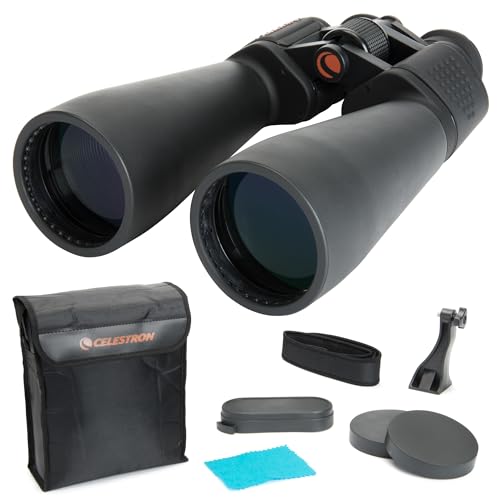


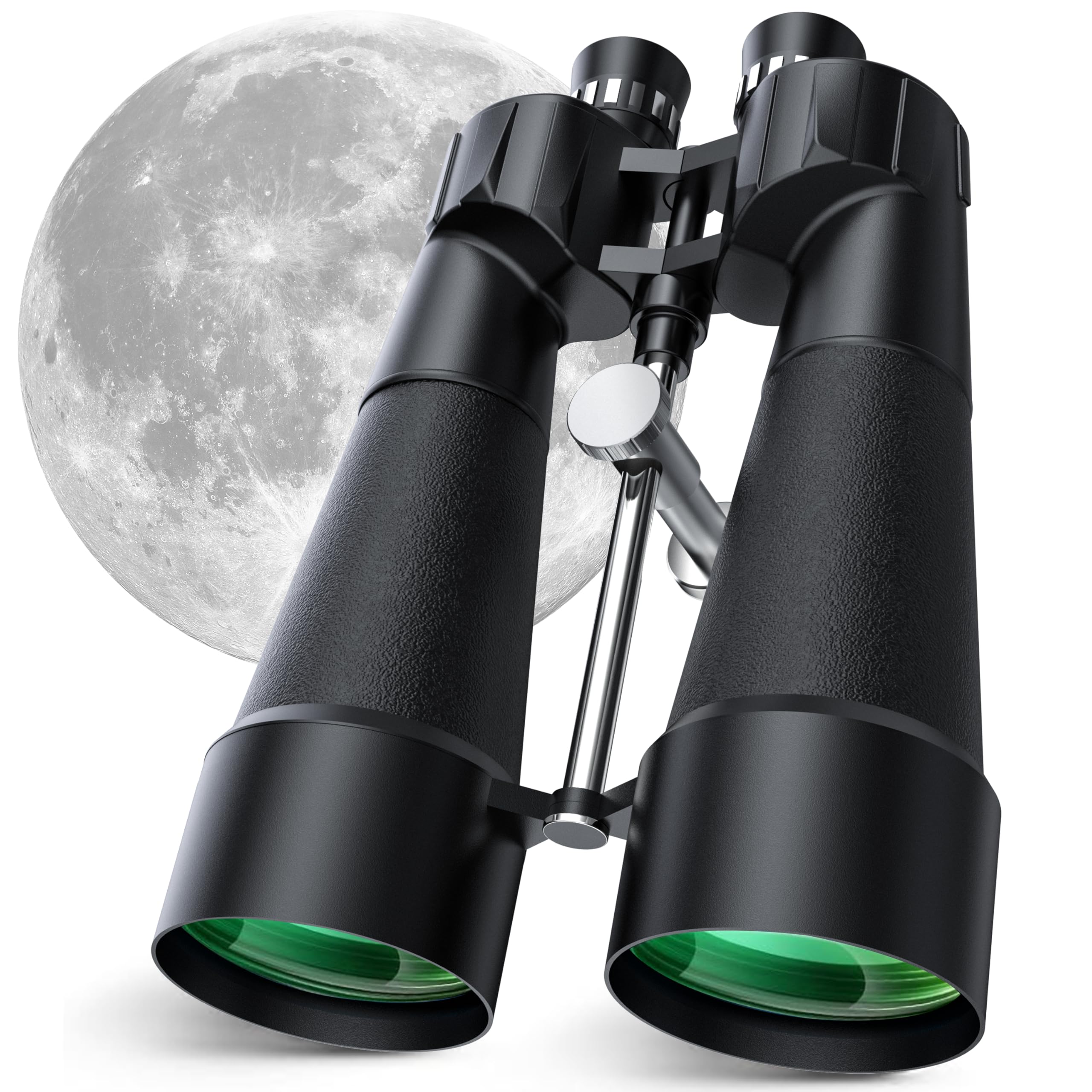
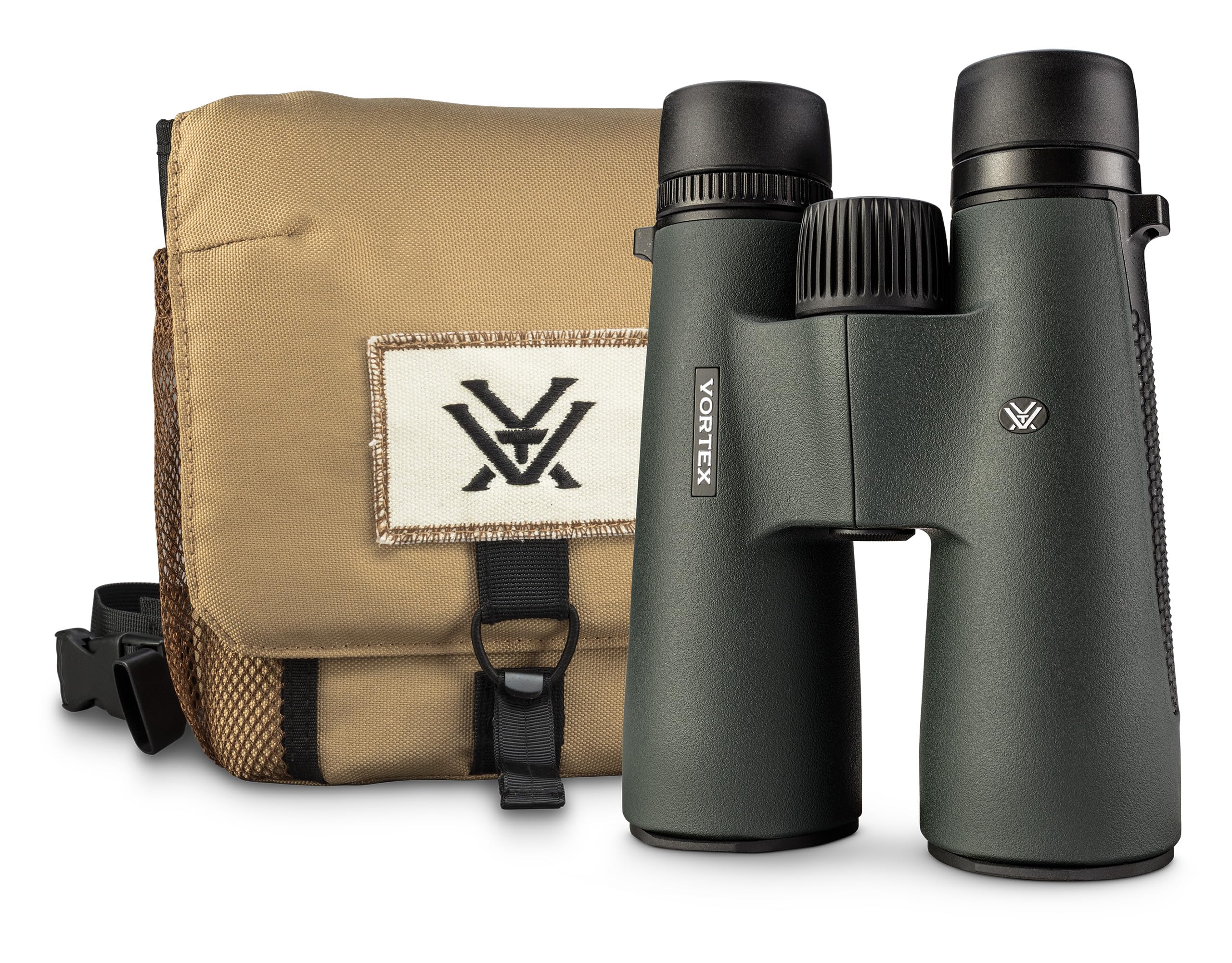
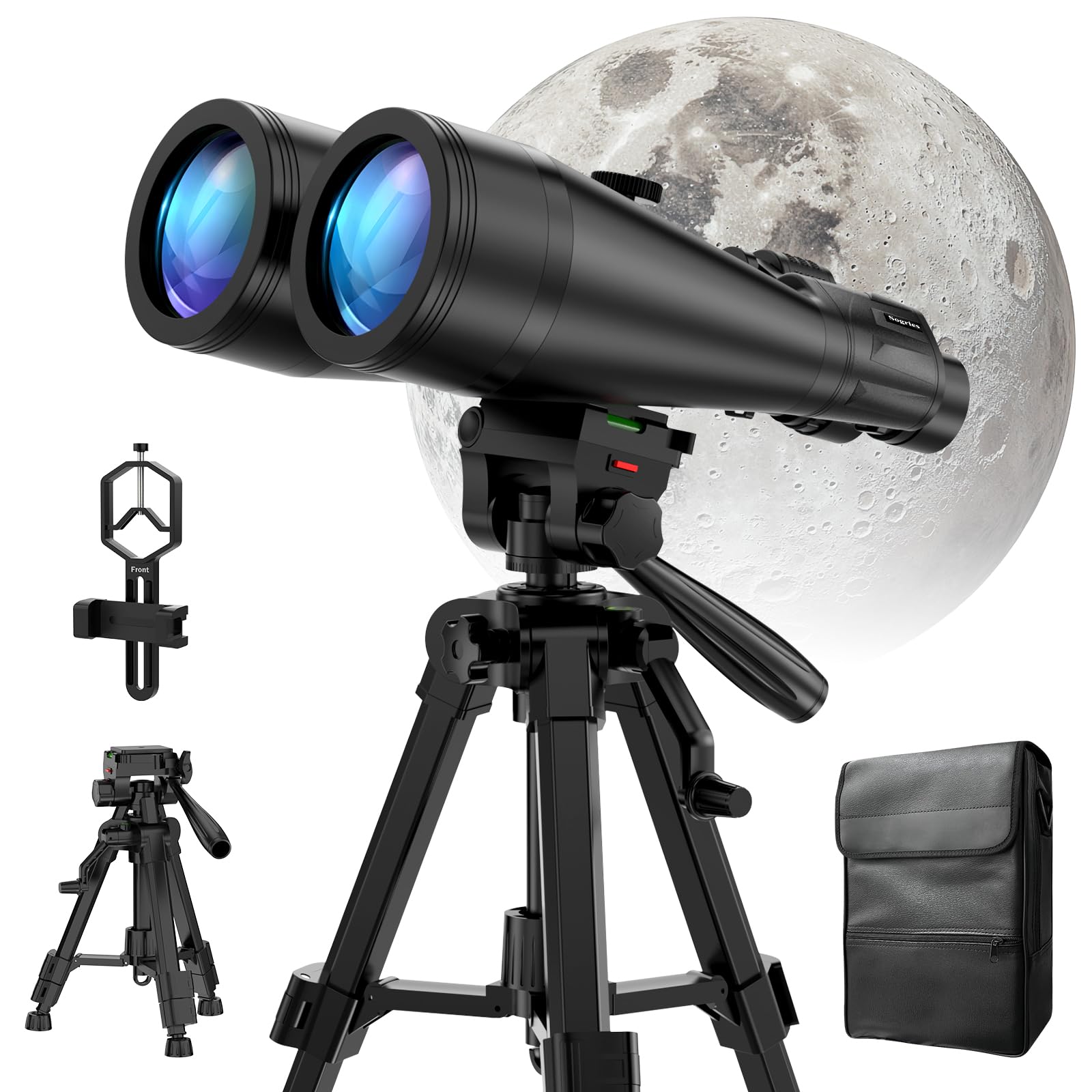
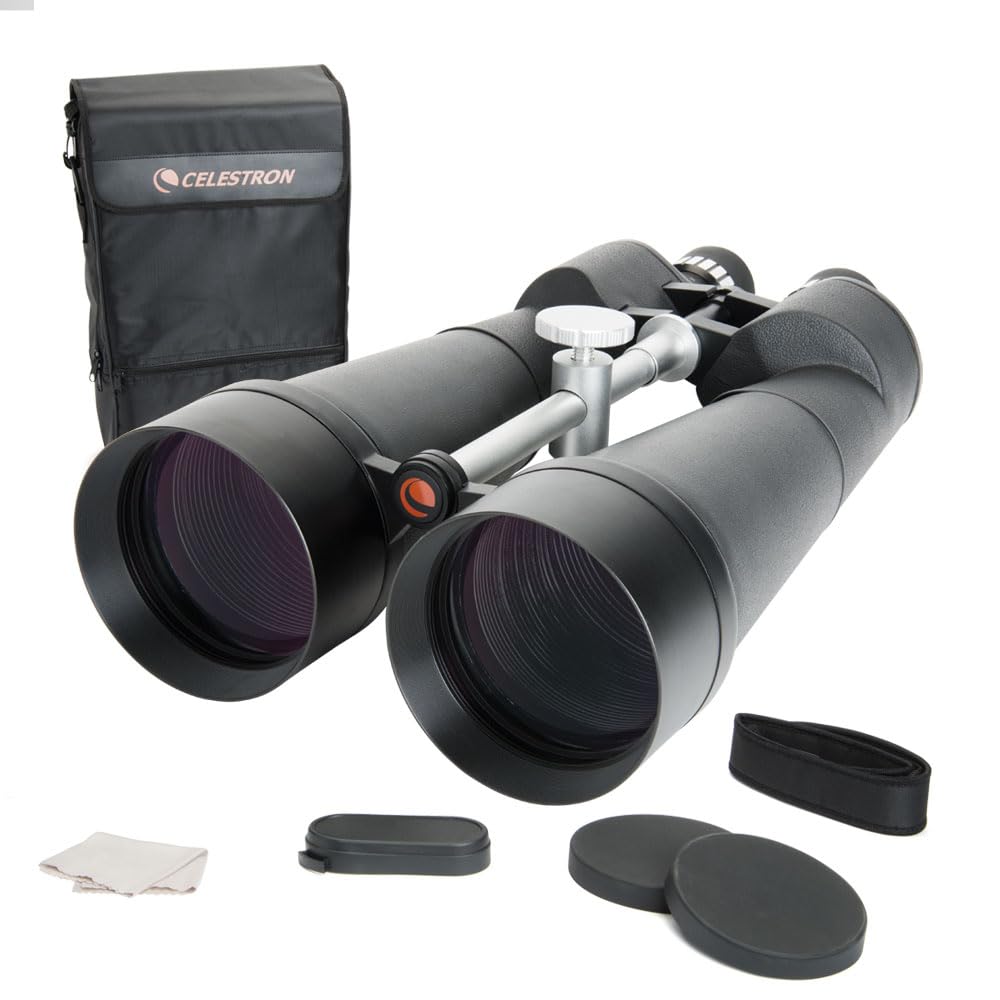


Who Benefits Most From Sky Watching Binoculars
Night sky binoculars suit people who want a wide, bright view without telescope setup time. They also help anyone learning constellations, because two eyes and a wide field make star patterns easier to follow.
Backyard Viewers Who Watch in Short Sessions
If you step outside for twenty or thirty minutes at a time, comfort matters more than extreme power. Moderate magnification keeps the view steady, and a wide field helps you find targets fast. Look for balanced shape, a smooth focus wheel, and enough eye relief for relaxed viewing.
Dark Sky Travelers Who Drive to Clear Sites
Travelers need a pair that packs well, survives cool night air, and works well on a simple support. Larger lenses gather more light under truly dark skies, but they also add weight, and a tripod adapter can turn a heavy pair into a steady viewing tool. If portability matters most, compare our guide to best rated compact binoculars.
Learners Mapping Stars and the Moon
New sky watchers benefit from a forgiving view that shows whole star patterns at once. A wider field makes it easier to star hop from a bright star to a fainter target. Clear optics and steady handling matter more than raw power, because a shaky, narrow view frustrates learning.
How to Choose the Best Astro Binoculars Before You Buy
Night sky binoculars call for different checks than daytime or camera optics. The points below focus on the factors that shape what you actually see after dark. For a broader view of general optics, see our guide to best rated binoculars.
Magnification and a Steady View
Magnification tells you how much larger a target looks, and numbers such as 7, 8, and 10 are common for sky use. Higher power shows more Moon detail, but it also magnifies hand shake and narrows the field. Most people hold 7 or 8 power steadier than 10 power, so plan on a tripod if you want higher power.
Objective Lens Size and Light Gathering
The objective lens is the large lens at the front, and its size controls how much light reaches your eyes. A 42 mm lens suits casual viewing, while a 50 mm or larger lens helps with faint clusters and nebulae under dark skies. Larger lenses also mean more weight, so balance light gathering against holding time. Under heavy city light pollution, a darker viewing spot helps more than a larger lens.
Exit Pupil and Low Light Comfort
Exit pupil is the small circle of light that leaves the eyepiece, and you can estimate it by dividing lens size by magnification. A value near 5 mm to 7 mm often suits night viewing, because it matches how pupils widen in darkness. Judge this number with magnification, since a high power pair with small lenses can look dim even on a clear night.
Prisms, Coatings, and Image Clarity
Prisms fold light inside the body and shape image quality, and Porro and roof prism designs both work well when built carefully. Fully coated or fully multi coated lenses reduce glare and help faint detail stand out. A clean, sharp image at the center of the field matters more than edge perfection for most sky watchers.
Eye Relief, Focus, and Field of View
Eye relief is the distance from the eyepiece to the point where you see the full image, and it matters most if you wear glasses. Twist up eyecups and long eye relief let glasses wearers see the whole field without pressing close. Field of view tells you how much sky fits in one look, and a wider field makes finding targets easier.
Weight, Balance, and Mounting Options
Weight shapes every session, because tired arms shake and a shaky view hides faint detail. Check total weight, balance, and whether the pair accepts a tripod adapter. Some larger pairs include a tripod socket, and others need a separate adapter, so confirm this before you order.
Weather Sealing and Night Durability
Night air brings dew, cold, and sudden temperature changes, so sealing matters for sky gear. Nitrogen filled bodies resist internal fog when you move from a warm house to cool air. Store the pair in a dry, padded bag, keep caps on when not in use, and wipe lenses only with a clean lens cloth.
Spending Levels Without Named Picks
Price tiers reflect lens size, coating quality, build, and included accessories rather than brand names. Use the levels below to set a budget that matches your viewing habits.
Starter Range for First Sky Looks
A starter budget, about $75 to $150, suits casual viewers who want a bright Moon view and clear star clusters. Expect moderate magnification, a 42 mm or 50 mm lens, and basic weather resistance. Spend the savings on a simple tripod adapter if you plan to view for more than a few minutes at a time.
Mid Range for Regular Night Sessions
A mid range budget, about $150 to $300, suits viewers who go out weekly and want steadier, sharper views. Look for better coatings, smoother focus, longer eye relief, and stronger sealing against dew. It is a sensible place to invest if you already enjoy sky watching and want a pair that lasts through many seasons.
Upper Range for Dedicated Sky Study
An upper budget, about $300 to $600, suits dedicated viewers who chase faint targets under dark skies. Expect larger lenses, refined optics, and a body built for tripod use over long sessions. Only spend here after you know your preferred magnification and viewing style.
Quick Buyer Checklist
Run through these questions before you order, and answer each one honestly based on your viewing habits. A clear no on any point is a useful warning, not a reason to rush a purchase.
- Can you hold the pair steady for several minutes, or will you use a tripod for most viewing?
- Does the magnification suit your main targets, with lower power for wide star fields and higher power for lunar detail?
- Is the lens size large enough for your skies, without making the pair too heavy to enjoy?
- Does the eye relief work with your glasses, if you wear them while viewing?
- Does the pair accept a tripod adapter, and do you own or plan to buy a suitable support?
- Is the body sealed against dew and fog, and does it include lens caps and a padded case?
- Does the warranty and maker support give you confidence for a long term purchase?
Red Flags to Watch For
Vague claims are the most common warning sign in sky optics. Be cautious when a listing promises extreme magnification without stating lens size, coatings, or field of view. Check maker guidance for weight, eye relief, and mounting options before you decide.
- Extreme magnification claims with no lens size, exit pupil, or field of view stated.
- Brightness claims with no coating details or prism type given.
- No tripod socket or adapter information for a large, heavy pair.
- Short or unclear warranty terms and no clear maker support channel.
- Reviews or listings that focus on daytime use only and say nothing about night viewing.
Tips to Get the Most From Your Pair
Good habits make a modest pair perform better than a costly pair used carelessly. Let the binoculars adjust to outdoor temperature before you judge sharpness, since warm lenses can fog in cool air. A reclining chair or a simple tripod reduces shake and lets you study one target longer.
Never look at the Sun through binoculars, and never point them toward the Sun, even for a moment. Solar viewing needs special filters made for that purpose, so follow the manufacturer's instructions, and remember that ordinary sunglasses are not designed for it. Keep small parts, caps, and straps away from children, and store the pair where children cannot reach it unsupervised.
Frequently Asked Questions
What does 8x42 or 10x42 mean for sky viewing?
The first number is magnification, and the second number is the objective lens size in millimeters. An 8x42 pair makes a target look eight times larger and uses a 42 mm front lens, while a 10x42 pair gives more power with the same light gathering lens. Higher power narrows the field and magnifies shake, so 8 power often feels steadier for wide star fields. For lunar detail, 10 power can help, but a tripod becomes much more important at that level.
Which option is better for low light skies?
A larger objective lens and a moderate magnification usually give the brighter night view, because the exit pupil stays generous. A 7x50 or 8x50 combination often suits dark skies better than a high power pair with small lenses. Coatings and clean optics also matter, since glare and haze can hide faint stars. Remember that light pollution limits any pair, so a darker site often improves the view more than a larger lens alone.
Is a smartphone enough instead of sky binoculars?
A smartphone helps you identify constellations and plan a session, but it cannot match the light gathering and wide sky view of binoculars. Phone screens also spoil night vision, while binoculars let both eyes adapt to darkness. Many viewers use both tools together, with the phone for charts and the binoculars for actual viewing. If you want to see star clusters, the Moon in detail, and faint Milky Way structure, binoculars add a clear step up.
What specs matter most for beginners?
Beginners should focus on steady magnification, a wide field of view, comfortable eye relief, and a weight they can hold with ease. These factors decide whether you enjoy the first sessions and keep going out. Coatings and sealing matter too, but they support the core experience rather than replacing it. Choose a pair that feels good in your hands, then learn the sky with it before chasing larger lenses or higher power.
How much should I spend on my first pair?
Most first time sky watchers do well in the starter to mid range, about $75 to $300, depending on how often they plan to view. A lower budget suits occasional balcony viewing, while a higher budget suits weekly sessions and darker sites. Put part of the budget toward a tripod adapter if you choose a larger pair. Avoid spending at the top of the range until you know your preferred magnification, because that choice shapes every other decision.
Final Thoughts
The right choice balances magnification, lens size, comfort, and support for the way you actually view. A steady, well sealed pair with a wide field will teach you the sky faster than a powerful pair that shakes and tires your arms.
For most readers, best astro binoculars means a pair bright enough for faint targets, steady enough for relaxed viewing, and comfortable enough to use often. Start with that standard, add a tripod if you choose larger lenses, and keep solar safety in mind on every outing.


