
Best Asics Shoes for Nurses: Comfort, Grip and Support Guide
Disclosure: We may earn a commission when you buy through links on this page, at no extra cost to you. As an Amazon Associate I earn from qualifying purchases. Learn more

Nurses need all-day cushioning, grip on wet floors, and easy-clean uppers. See how to choose the best asics shoes for nurses, from fit to care.
Nurses stand, walk, and pivot for 12 hours, often on hard floors that are sometimes wet. Shoes that feel fine at the start of a shift can become painful by hour ten. This guide to the best asics shoes for nurses explains how cushioning, support, grip, and cleaning ease work in Asics shoes, so you can compare the product table with a clear checklist.
Most nurses choose Asics running or walking styles for their cushioning and stability. Keep in mind that not every Asics shoe is made for wet work floors, so check the outsole and your workplace rules.

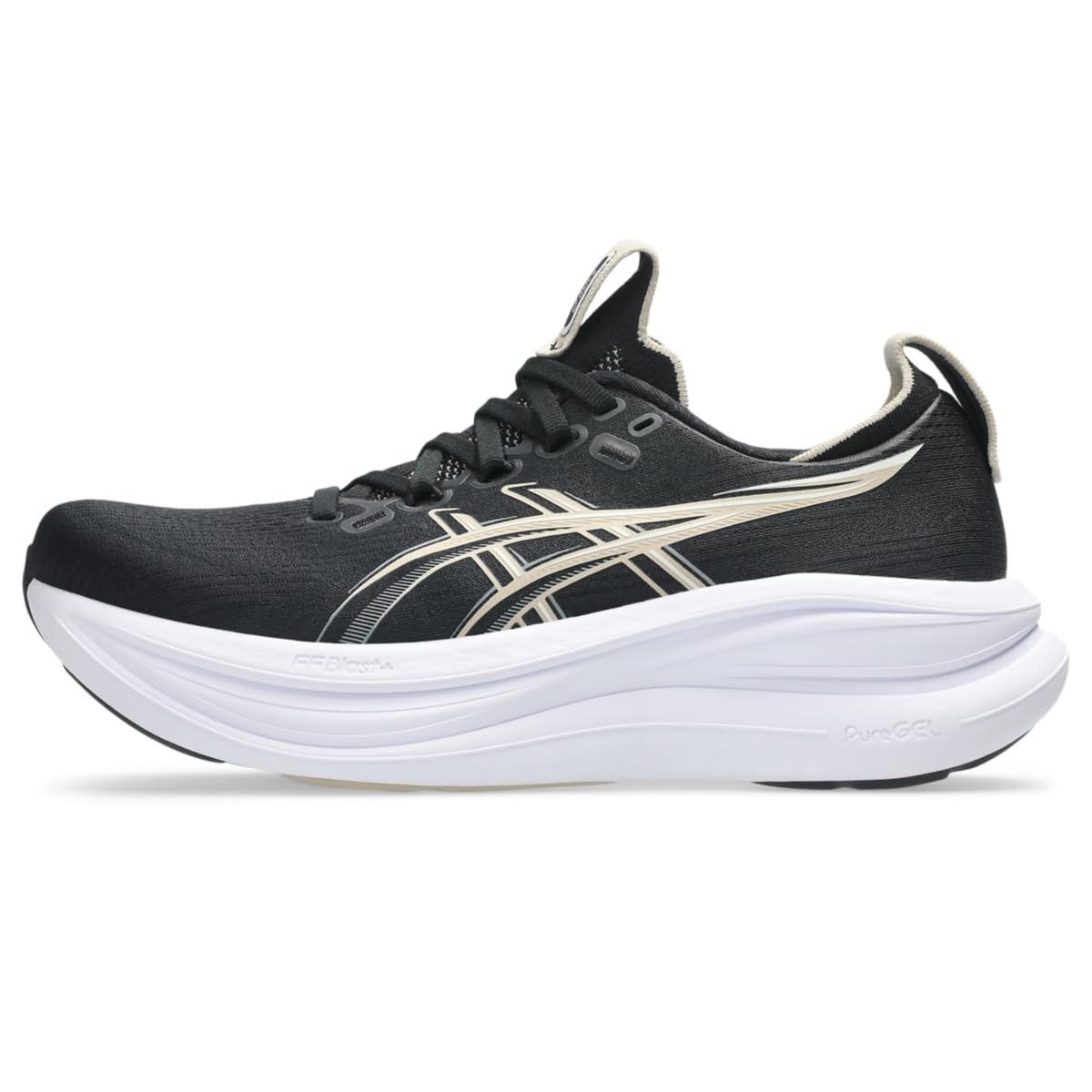
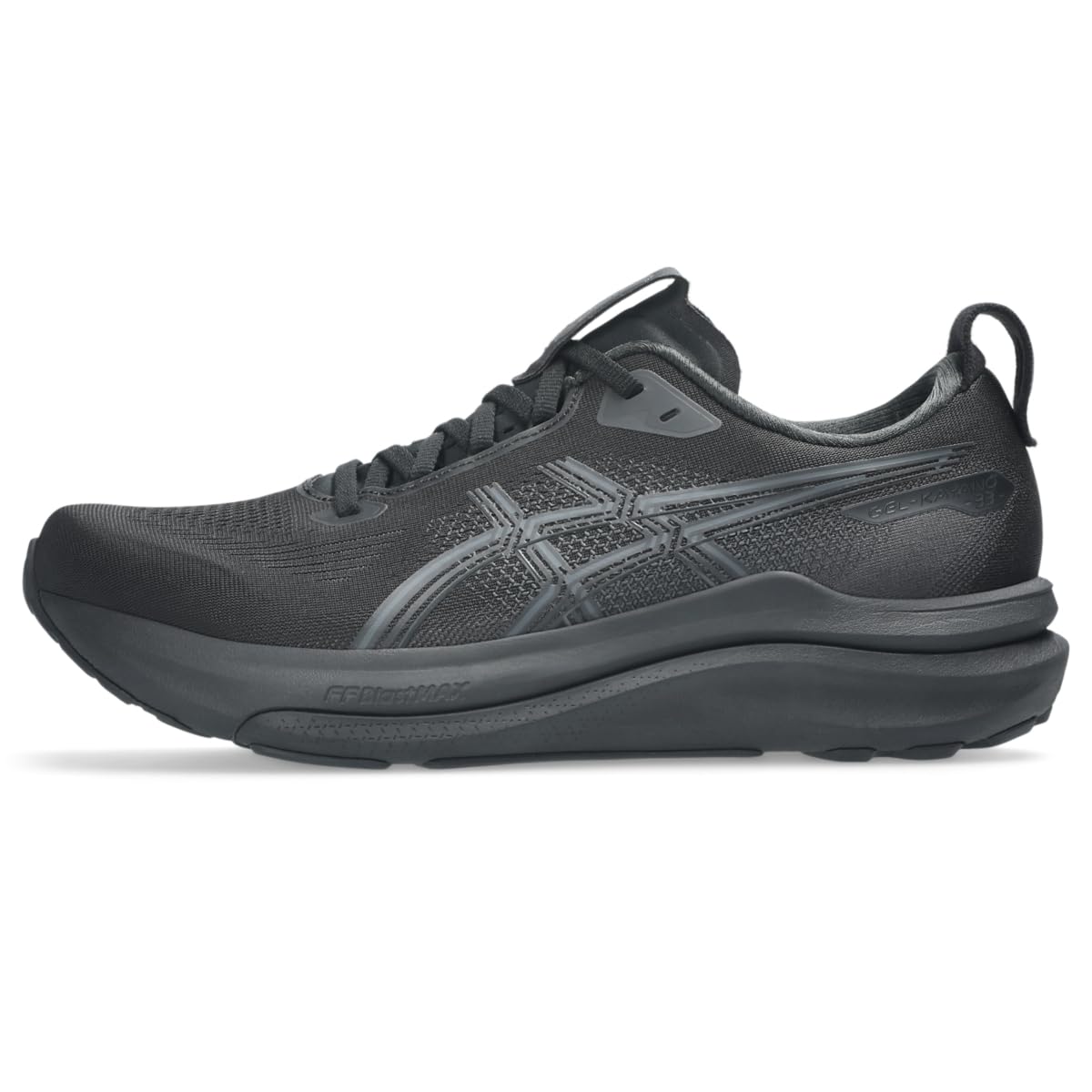

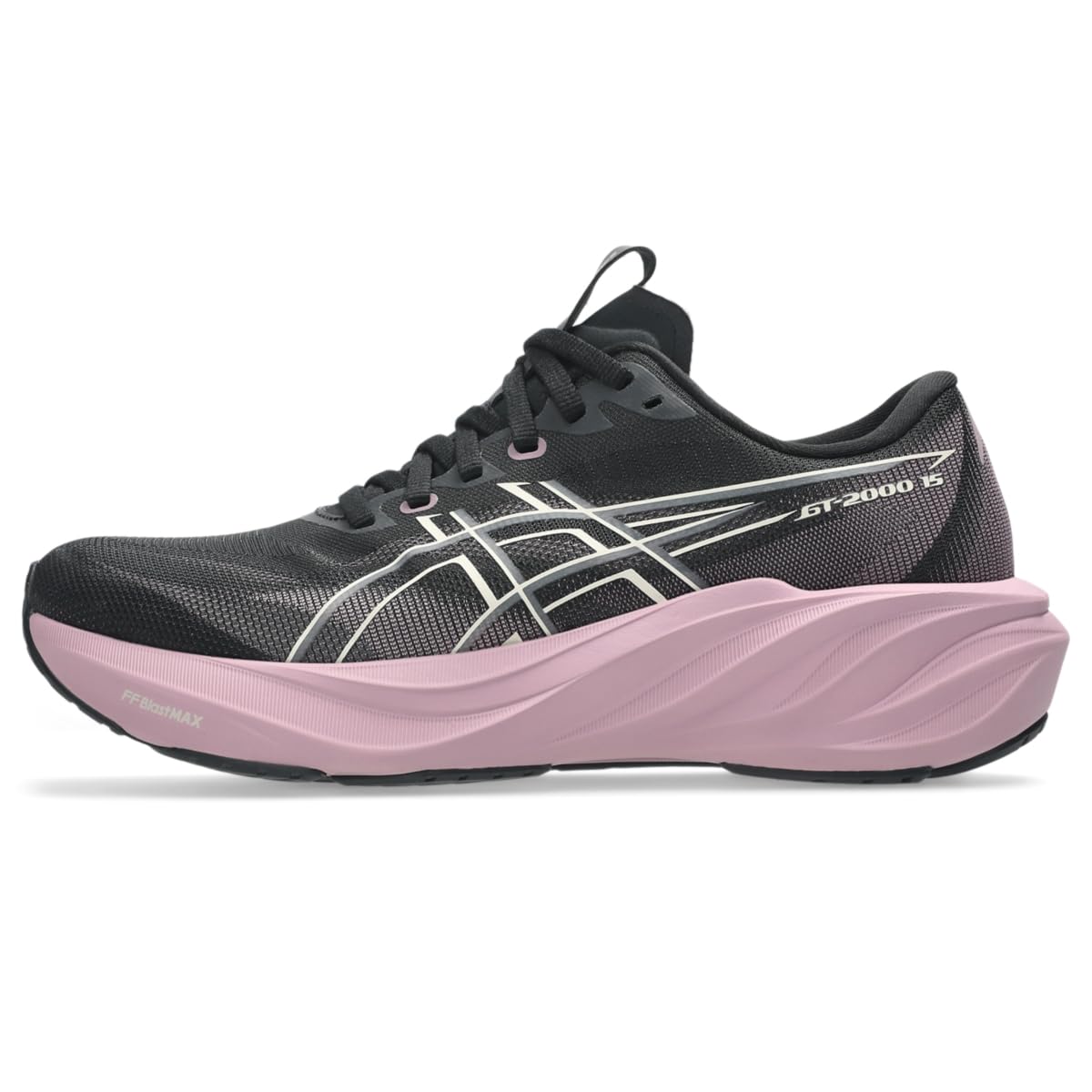
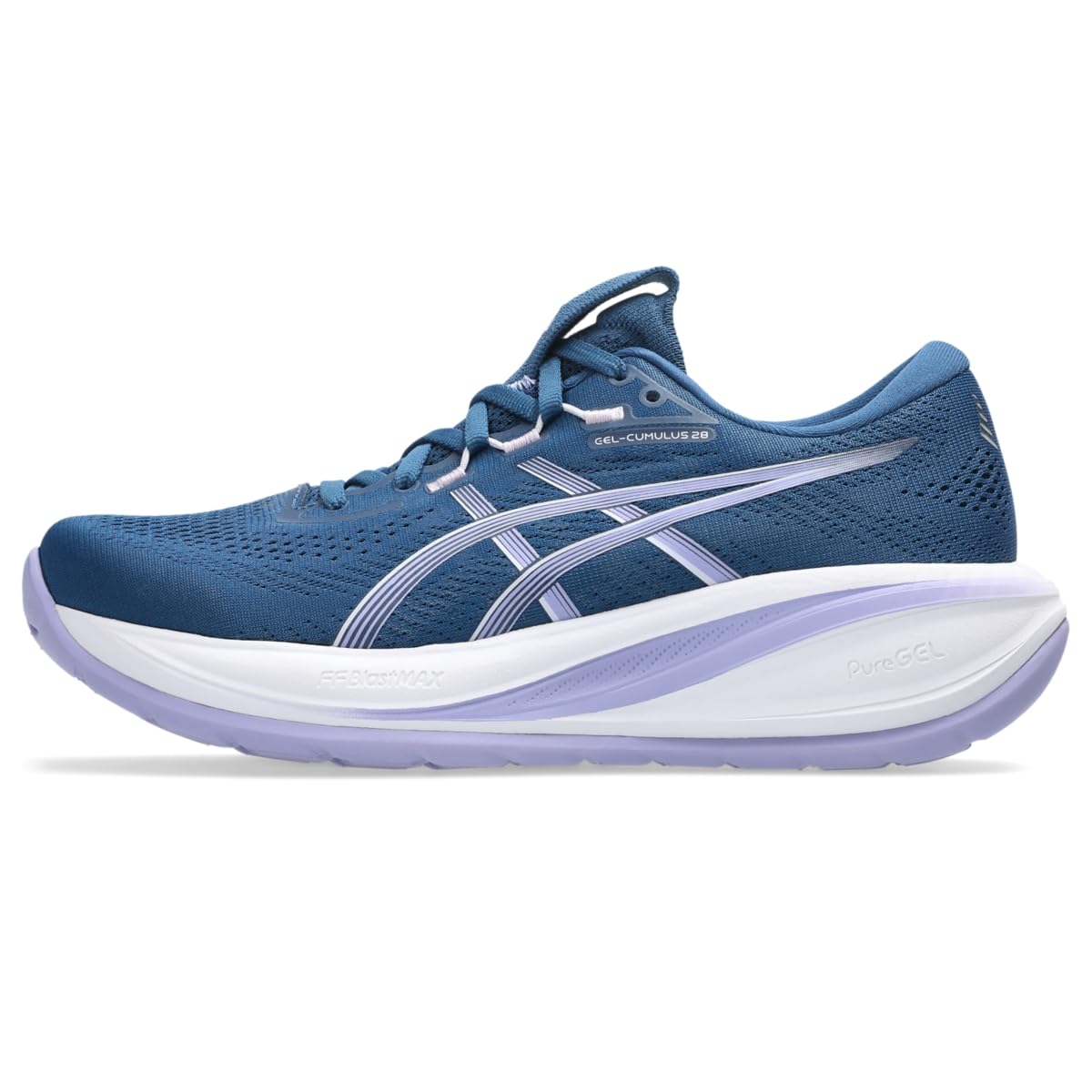

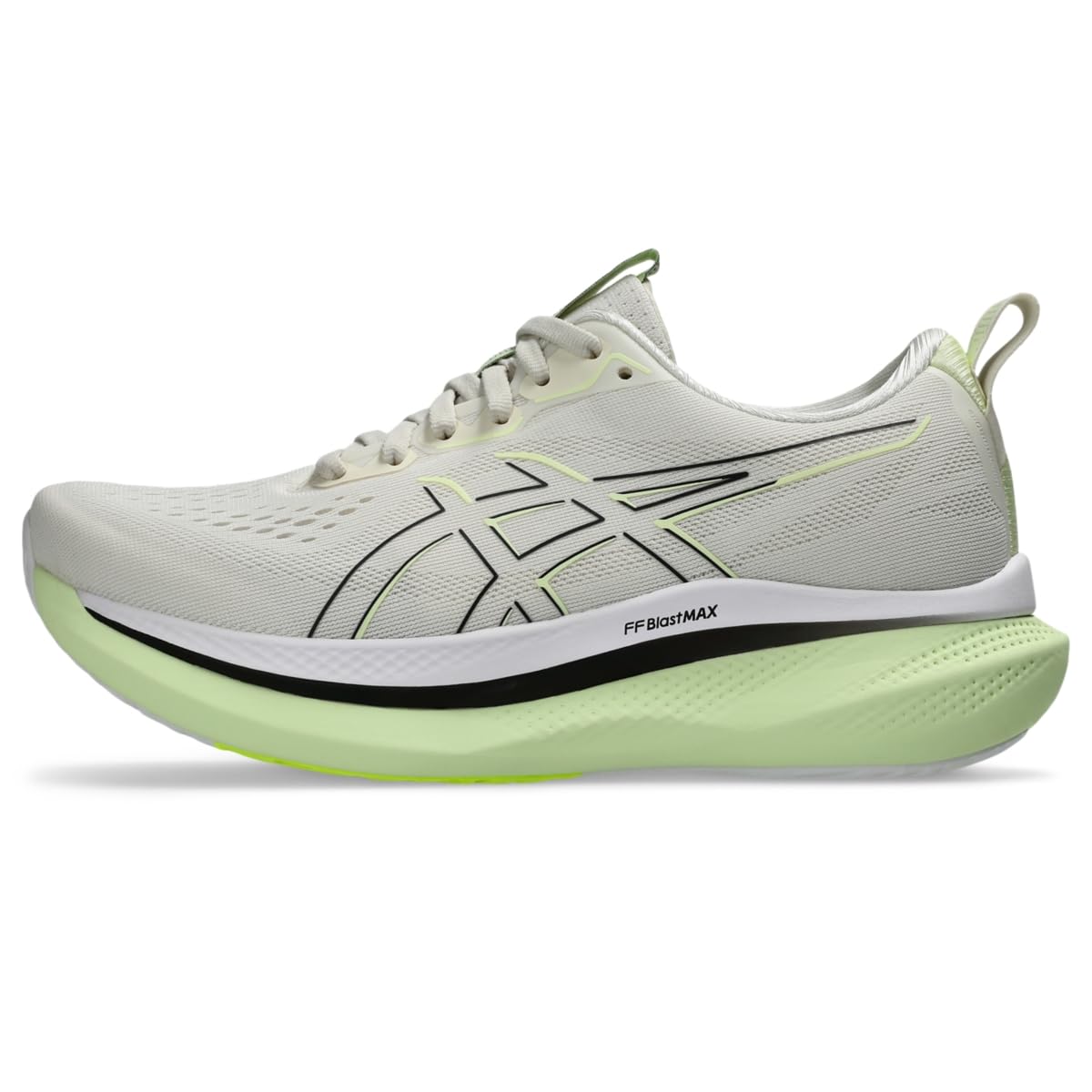
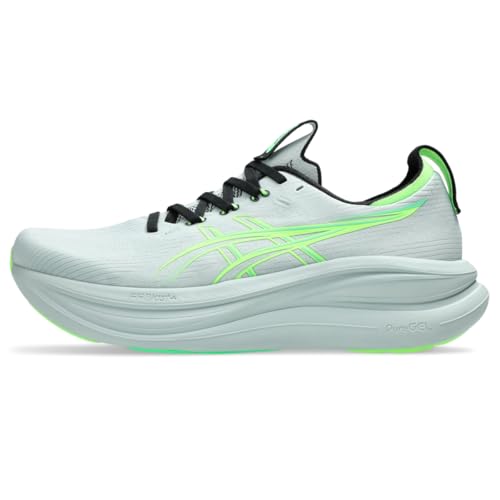

Who Should Buy These Shoes
These shoes suit nurses, nursing assistants, care workers, and anyone who spends a full shift on their feet. They suit people who want a sneaker-style shoe rather than a clog, and who value cushioning and arch support. They are less suitable for sterile or operating areas with strict footwear rules, so confirm your employer's policy before you buy.
Types of Asics Shoes Nurses Choose
Cushioned walking and running shoes
Soft midsoles and a flexible forefoot suit nurses who cover long hospital corridors. Look for a cushioned heel and a stable platform so turns feel secure.
Stability shoes
Stability models add support for nurses whose feet roll inward or whose arches tire. They feel firmer at first, so break them in over several shifts.
Wide-fit versions
Feet often swell during a shift. A wide width gives room for the forefoot, but make sure the heel still holds firmly.
What to Check in the Best Asics Shoes for Nurses
All-day cushioning
Cushioning should feel comfortable at hour ten, not only hour one. Foam that feels plush in the store can flatten under constant standing, so favor a balanced midsole over the softest one.
Slip resistance
Wet and soapy floors are a real hazard. Look for a rubber outsole with a deep, channeled pattern, and check whether the maker rates the shoe for wet environments. Replace shoes when the tread wears smooth.
Support and fit
Match arch support to your foot: stability for flat or rolling feet, neutral cushioning for neutral feet. Try shoes in the afternoon with your work socks, and check toe room, heel hold, and ankle rubbing.
Cleaning and hygiene
Smooth, synthetic uppers wipe clean after spills, while open mesh traps moisture and stains more easily. Choose removable insoles you can air out, and rotate two pairs so each dries fully between shifts.
Mistakes to Avoid
- Buying running shoes without checking the outsole for wet-floor grip.
- Choosing a pair that fits in the morning but pinches by afternoon.
- Ignoring cleaning needs, then struggling with stained mesh.
- Working through persistent foot pain instead of asking a professional.
Care and Replacement
Air shoes after each shift, wash insoles regularly, and wipe uppers with a damp cloth. Nurses who work full time often need new shoes every six to twelve months, depending on hours and floors. Replace them sooner if the cushioning flattens, the grip wears smooth, or new aches appear.
Wear moisture-wicking socks, and talk with a doctor or podiatrist if foot, ankle, or back pain persists despite well-fitted shoes.
Related Guides
For a wider view, read the best shoes for nurses and best shoes for nurses female guides. Asics fans can also compare the best asics shoes and best asics running shoes roundups, and nurses who like a court-style shoe can read the best tennis shoes for nurses guide.
Frequently Asked Questions
What makes a good nursing shoe?
A good nursing shoe combines all-day cushioning, slip-resistant grip, easy cleaning, and a fit that stays comfortable as feet swell. It should support your arch without feeling rigid, and it should be light enough for 12 hours.
Are running shoes good for nurses?
They can be, if they offer good cushioning and grip. Not every running shoe is slip resistant, though, and an outsole designed for dry roads may slip on wet floors. Check the outsole and any wet-grip rating.
How often should nurses replace shoes?
Full-time nurses often replace shoes every six to twelve months. Rotating two pairs extends the life of each and lets shoes dry between shifts.
Should nurses wear wide shoes?
Wide shoes help if your forefoot feels cramped or your feet swell. Try them in the afternoon and make sure the heel still holds firmly.
When should a nurse see a podiatrist?
See one for persistent foot, ankle, knee, or back pain, recurring blisters in the same spot, or swelling that does not settle after rest. Anyone with diabetes should ask a doctor about foot care.
Final Thoughts
The best asics shoes for nurses are the ones that stay comfortable and grippy at the end of a long shift. Compare the options in the product table, check the outsole and fit with your work socks, and replace worn shoes on time. If foot pain persists, talk with a doctor before you decide.


