
Best Ash Vacuums For Fireplaces 2026: A Buying Guide
Disclosure: We may earn a commission when you buy through links on this page, at no extra cost to you. As an Amazon Associate I earn from qualifying purchases. Learn more

Ash vacuums clean cold fireplace ash without spreading dust. Compare heat resistance, filters, capacity, and safety in the best ash vacuums for fireplaces.
The best ash vacuums for fireplaces clean cold ash from a fireplace, stove, or grill without spreading fine dust through your home. This guide explains heat resistant hoses, filters, capacity, and safety so you choose a vacuum that handles ash safely and lasts. The product table below brings together the main options, so you can compare features side by side before reading the detailed guidance.
Ash vacuums suit people with wood stoves, fireplaces, pellet stoves, or charcoal grills who clean ash regularly. They are a poor fit if you only clean ash once a year, because a standard vacuum with a fine dust bag may cope, though it risks damage and dust spread.
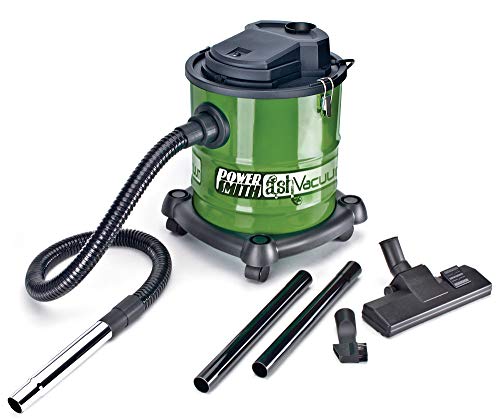

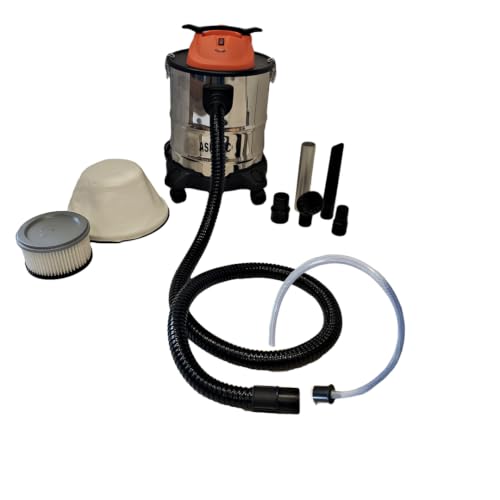


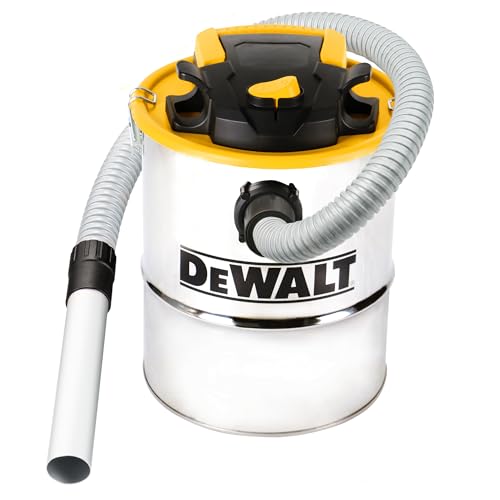
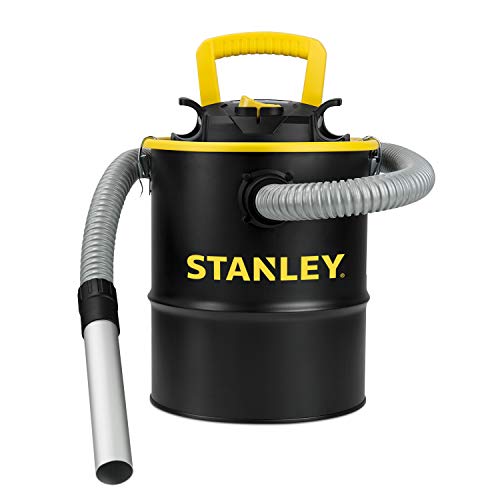

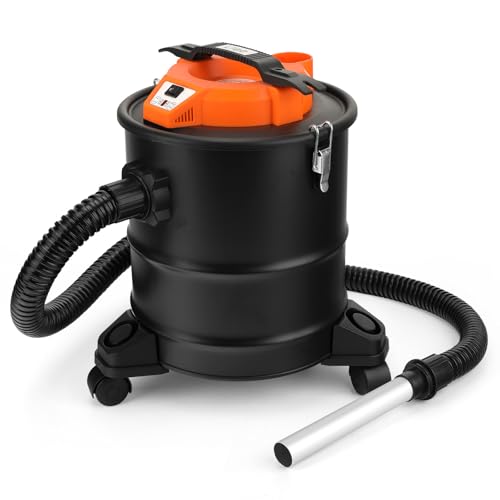

Who Should Buy These and Who Should Skip Them
Start with how you will use the vacuum most days, not with the longest feature list. A product that matches your main use will feel right quickly, while a product chosen for rare extras often disappoints in daily use.
Think about your space, your budget, and how long you expect the product to last. The product table summarizes the main choices, and the sections below explain each factor so you can weigh trade offs with confidence.
Types to Compare
Different types of ash vacuums for fireplaces suit different routines, so compare them by how you will actually use the product. The descriptions below focus on practical differences you will notice in daily use.
Small ash vacuums
A small vacuum suits a single fireplace or stove with light ash. It is easy to store, but it fills quickly, so check capacity against how much ash your stove produces between cleans.
Large capacity vacuums
A large vacuum suits frequent use and large stoves, with fewer trips to empty. It is heavier and bulkier to store, so check that you can lift it when full and that it fits your storage space.
Ash vacuums with blowers
Some models include a blower to clear light ash from grates and corners. A blower helps in a stove, but it can spread dust if used carelessly, so use it only on cold ash in a well ventilated area.
Pellet stove vacuums
Pellet stoves produce fine ash that clogs standard filters quickly. Look for a fine dust filter and a metal hose, and check whether the maker rates the vacuum for pellet ash specifically.
Grill ash vacuums
A grill vacuum handles charcoal ash and small embers after cooling. It needs a heat resistant hose and a metal canister, because plastic parts can warp if ash is still warm.
Key Features Explained in Plain Language
Feature lists can hide what matters, so this section explains each key feature in plain language. Use it to shortlist products that meet your needs, then check the remaining details before you order.
Heat resistance
The hose, nozzle, and canister should be metal or heat resistant, because ash can stay hot far longer than it looks. Never vacuum warm ash, even with a heat resistant model, and wait at least 24 hours after the last fire.
Filter type
A fine dust filter traps ash particles that would otherwise blow back into the room. Look for a washable or replaceable HEPA style filter, and check filter cost, because frequent replacement adds up.
Capacity and emptying
Capacity decides how often you stop to empty, while a simple emptying design decides whether dust escapes. A bottom emptying canister or a bag system keeps dust contained better than a top opening bin.
Suction and hose length
Strong suction lifts ash from corners and grates, while a long hose reaches into a deep firebox without moving the vacuum. Check hose flexibility too, because a stiff hose is hard to guide inside a stove.
Safety features
Look for a metal canister, a secure lid, and clear warnings about cold ash only. Some models include a thermal cut off, which adds safety if the motor overheats, but it does not make warm ash safe to vacuum.
Mistakes to Avoid
Most disappointing purchases come from a few common mistakes, not from a single bad product. Avoiding them saves time, money, and the hassle of a return.
- Vacuuming ash that is still warm, which can damage the vacuum and start a fire.
- Using a standard vacuum for fine ash, which clogs filters and spreads dust.
- Choosing a tiny capacity that needs emptying halfway through every clean.
- Forgetting filter replacement cost when comparing prices.
Setting Up and Getting the Most From Your Choice
Empty the vacuum outdoors after every use, tap the filter clean, and store the vacuum dry. Inspect the hose for cracks and the filter for tears regularly, and never store ash in a plastic bag indoors, because hidden embers can smolder for hours.
Related Guides Worth Reading
If you are still comparing options, these related guides cover nearby choices that readers often consider alongside best ash vacuums for fireplaces: best ash vacuums, best fireplace vacuums and best fireplace ash bucket. Each guide focuses on a different use or audience, so you can narrow your shortlist without starting your research again.
Frequently Asked Questions
Can I use a regular vacuum for fireplace ash?
A regular vacuum can handle a small amount of cold ash, but fine ash clogs filters, damages motors, and can blow dust back into the room. An ash vacuum uses a metal canister, heat resistant hose, and fine filter designed for ash. For frequent fireplace use, a dedicated ash vacuum is safer and lasts longer.
How long should ash cool before vacuuming?
Wait at least 24 hours after the last fire, and check that ash feels completely cold to the touch. Embers can hide under ash and stay hot for a day or more, especially in a stove with good insulation. When in doubt, wait longer, and never vacuum ash that feels warm in any spot.
How do I empty an ash vacuum safely?
Empty it outdoors into a metal container with a lid, away from dry leaves and wooden structures. Wear a dust mask, avoid shaking the canister vigorously, and keep the metal container outside for a day before disposing of ash. This guards against hidden embers that could smolder after emptying.
What filter does an ash vacuum need?
An ash vacuum needs a fine dust filter that traps small particles, ideally a washable HEPA style filter. Check whether the filter is washable or replaceable, and factor replacement cost into your budget. A torn or clogged filter lets dust escape, so inspect it before each use.
Can an ash vacuum clean a pellet stove?
Yes, if the maker rates it for pellet ash, which is very fine and clogs standard filters quickly. Look for a fine dust filter, a metal hose, and a capacity suited to your stove. Clean the filter after each pellet stove clean, because fine ash builds up faster than wood fireplace ash.
Final Thoughts
The right choice among best ash vacuums for fireplaces is the one that fits your main use, your space, and your budget, not the one with the longest feature list. Compare the product table, check the features that matter for your routine, and give yourself time to test the product in real use.
If you are still unsure, shortlist two options that meet your core needs and compare them on the factors in this guide. A careful choice now will serve you better than a rushed order.

