
Best Automatic Floor Vacuums by Budget: Smart Picks for 2026
Disclosure: We may earn a commission when you buy through links on this page, at no extra cost to you. As an Amazon Associate I earn from qualifying purchases. Learn more

Compare the best automatic floor vacuums at every price point. Learn what you get at budget, midrange, and premium levels and where spending more pays off.
Automatic vacuums range from simple random path models under $150 to mapping robots well past $500, and the price gap hides real differences in navigation and emptying. This guide to the best automatic floor vacuums explains what each budget level actually cleans well. You will see where extra money buys smarter routes and stronger pickup, and where it only buys extras you may never use.
Start with the comparison table below to compare runtime, dustbin size, and floor types at a glance. Then read the tier notes with your home in mind, especially your mix of hard floors, rugs, and pet hair.


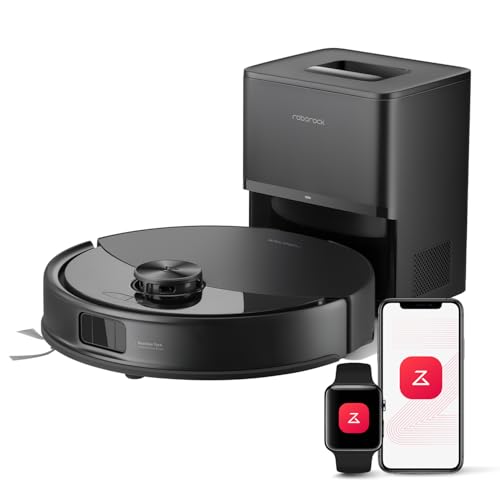
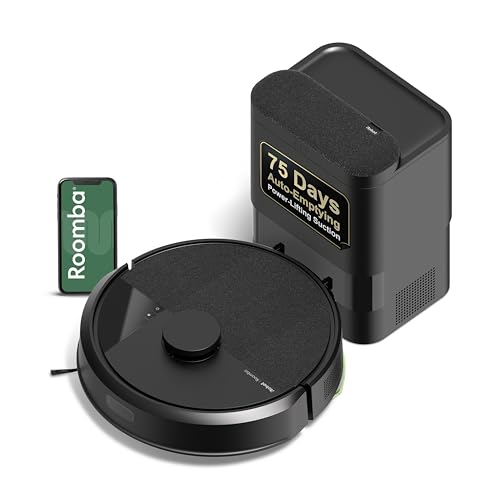
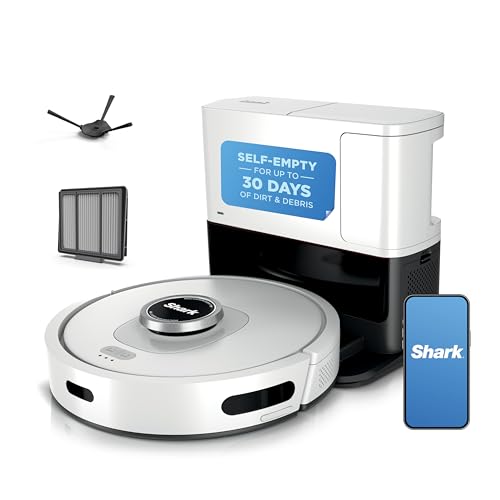


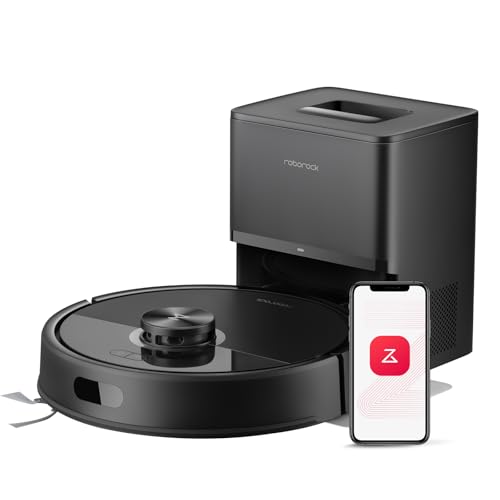
What to Expect at Each Budget
Treat these three tiers as three different tools. The right tier depends on your floor plan, your pets, and how much of the cleaning you truly want to hand over.
Budget Level
A budget tier model, around $150 to $250, suits small flats and mostly hard floors with one or two low rugs. Expect basic navigation that bounces between obstacles, a small dustbin you empty after most runs, and app control that may be limited or absent. Pickup on hard floors is usually good, while deep carpet cleaning is modest. The honest trade off is attention. You will rescue it from cables and chair legs more often, but for a compact space it still removes daily grit with very little effort from you.
Midrange Level
Midrange models, around $250 to $450, add methodical mapping, so the vacuum cleans in neat rows and remembers your rooms. That change alone improves coverage and shortens cleaning time. Brush design improves too, with tangle resistant rollers that handle hair better between cleanings. If your home mixes surfaces, our guide to the best vacuums for carpet and floors shows how brush and suction needs shift by surface. For most family homes, this tier removes the daily floor chore without premium pricing.
Premium Level
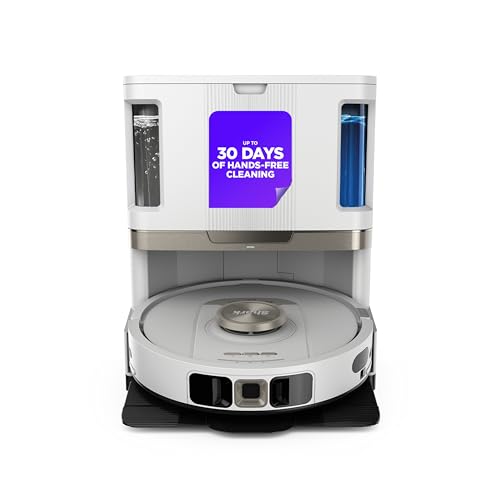
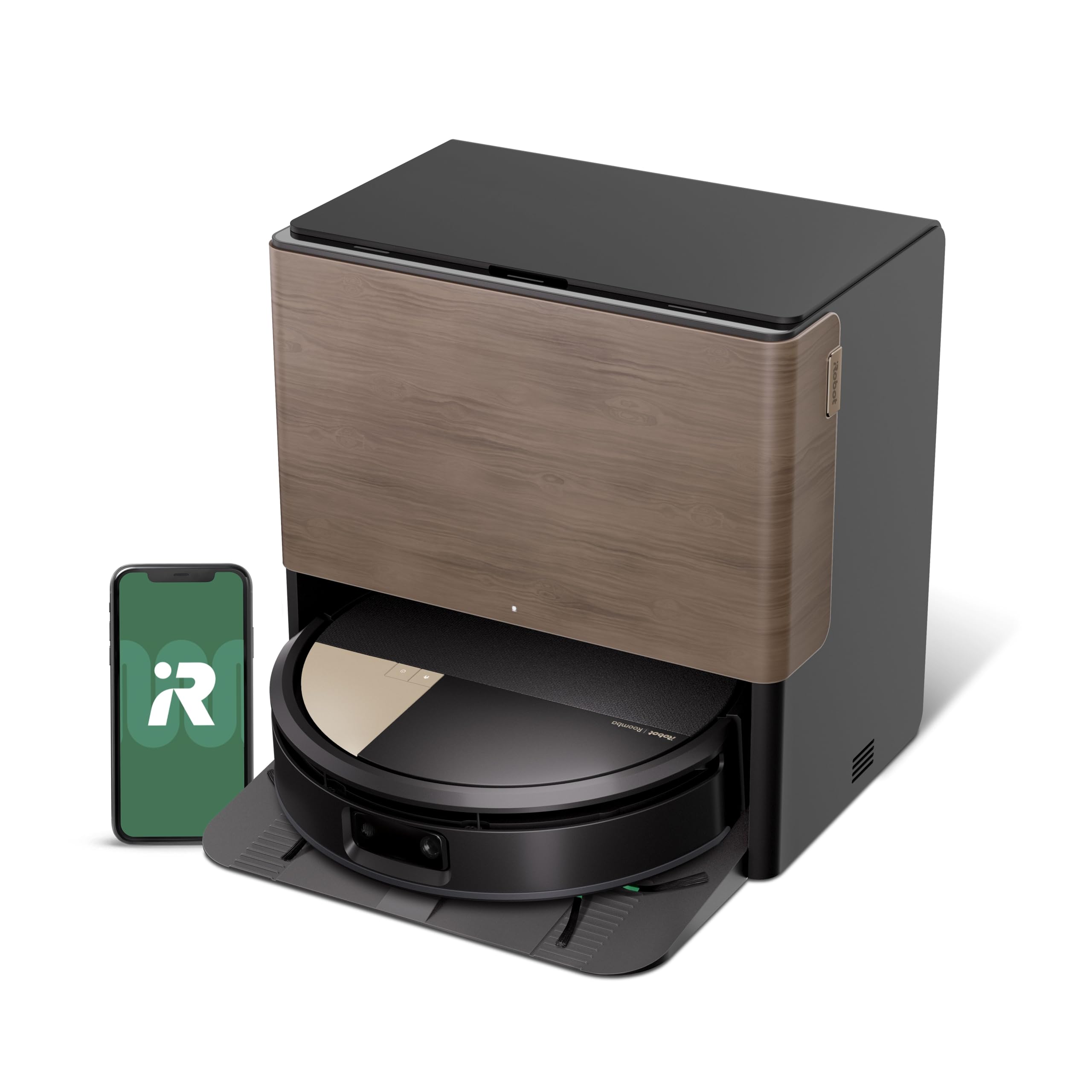
Premium models, around $450 to $800 and above, add an automatic emptying dock, obstacle recognition, and often a mopping pad with lift on carpet. The dock holds weeks of debris in a bag or a bagless base, which matters for allergy control and for pet homes. Navigation becomes precise enough to clean one room, avoid pet bowls, and return to a missed spot. You pay for independence. If you want to think about floors once a month rather than once a day, this tier earns its price.
What Your Money Gets You at Each Price Tier
Each step up buys a specific upgrade in navigation, pickup, or hands off time. Knowing which upgrade you are paying for keeps you from buying features that do not match your home.
Budget Tier: What to Expect
Budget models clean by pattern and persistence rather than by map. Run times of about 90 minutes are common, and most return to a charging base when the battery fades, though some need you to carry them back. Suction is fine for crumbs, dust, and surface pet hair on hard floors. Expect to prep the room by lifting cables, socks, and small toys. Buy at this level for a small, tidy space, and accept that a separate upright or stick vacuum still handles deep carpet days and stairs.
Midrange Tier: The Sweet Spot for Most Buyers
Midrange models map your home, let you set no go zones in an app, and resume cleaning after charging on long jobs. That resume feature matters in larger homes, because the vacuum can finish a whole floor across two charges. Filtration improves, and replacement parts are widely available. Buyers focused mainly on timber, tile, and laminate can compare our guide to the best vacuums for hard floors for surface specific advice. For open plan family spaces, this tier balances price, coverage, and upkeep best.
Premium Tier: When Spending More Pays Off
Premium money buys time and trust. An automatic emptying dock cuts bin chores to a monthly task, object recognition avoids shoes and pet waste far more reliably, and stronger suction lifts grit from carpet pile. Some models wash or lift mop pads to keep carpets dry. Spending more pays off in large homes, homes with shedding pets, and homes where someone has limited mobility and cannot bend to empty a small bin daily. In a small flat, the same money mostly buys convenience you will rarely notice.
Features Worth Paying For (and Ones to Skip)
Five features decide how well an automatic vacuum fits your floors. Judge each one against your rooms rather than against a marketing checklist.
Floor Types (Hardwood, Carpet, Area Rugs)
Hardwood needs a brush that sweeps without scattering debris or marking the finish, and many robots use a soft roller or a rubber roller for this job. Carpet needs stronger suction and a brush roll that agitates pile. Area rugs add edge cases, literally, because dark rug patterns can confuse cliff sensors and thick fringe can catch rollers. If rugs cover much of your floor, see our guide to the best vacuum for rugs and floors for pile height guidance before you buy.
Suction Power and Airflow (AW, Pa)
Makers quote suction in pascals, shown as Pa, or in air watts for some vacuum types. Higher numbers help on carpet, but airflow and brush design matter just as much, because moving air carries debris into the bin. A midrange robot with a well sealed path often beats a stronger rated rival with a leaky bin on real floors. Use the numbers to compare within a brand range, then weigh mapping quality and brush type. On hard floors, even modest suction performs well, since debris sits on the surface.
Vacuum Type (Upright, Canister, Stick, Robot, Handheld)
An automatic model in this category is a robot, designed to maintain floors between deeper cleans. Upright and canister vacuums still win for stairs, upholstery, and deep carpet extraction. Stick and handheld models fill gaps for quick spills and car interiors. The practical setup for most homes is a robot for daily upkeep plus one corded or cordless partner for everything the robot cannot reach. If you expect one machine to do every job, you will be disappointed by any robot, at any price.
Weight and Maneuverability
Robots weigh only a few pounds, but height matters more than weight. Measure the gap under your sofa, beds, and kitchen kick boards, then compare it with the height of any model with a raised navigation tower. A tower can add about an inch and block access to the dustiest areas. Dock placement also matters. The base needs clear space on both sides and in front, plus a hard floor surface for reliable docking. Homes with many thresholds should check the climbing rating, often around 20 mm.
Corded vs Cordless Runtime
A robot is cordless by nature, and runtime of about 90 to 180 minutes covers most homes in one session. The useful figure is cleaning area per charge on standard suction, since max suction drains the battery far faster. Models that recharge and resume make runtime less critical in big homes. Battery health is the long term point. Keep the dock plugged in as makers advise, avoid storing the robot in a hot garage, and expect a battery replacement cost after a few years of daily use.
Long Term Costs to Factor In
Budget for filters, side brushes, main rollers, and dock bags if your model uses them. A typical pattern is a filter change every two to three months, a roller change about once a year, and dock bags every one to two months in pet homes. These parts can add around $50 to $150 per year depending on tier. Warranty cover of one to two years is common. If you also shop for general floor care, our guide to the best vacuums for floors helps you plan one budget across robot and partner vacuums.
Automatic Floor Vacuums: Your Questions Answered
How often should I replace the filter?
Replace the filter about every two to three months with daily use, and sooner in pet homes. You can extend its life by tapping dust out over a bin each week, but never wash a filter unless the maker calls it washable, since trapped moisture breeds odor. A clogged filter quietly cuts suction and strains the motor, so a stale smell or weaker pickup is your cue. Keep one spare filter on hand so a swap never delays a cleaning day.
Is HEPA filtration necessary?
True HEPA filtration is worthwhile if someone at home has asthma or strong dust allergies, because it traps very fine particles instead of blowing them back into the room. Look for a sealed system, since a HEPA filter in a leaky bin loses much of its benefit. One extra point is emptying. An automatic emptying dock with a sealed bag reduces your contact with dust far more than filtration grade alone, so allergy households should weigh the dock as a health feature, not a luxury.
What type of automatic floor vacuum is best for my home?
The best type for your home depends on floor mix and layout. Mostly hard floors in a small space suit a budget or midrange robot with a soft or rubber roller. Carpet heavy homes need stronger suction and a brush that agitates pile. Large open homes benefit most from mapping and recharge and resume behavior. If you want a broader shortlist of robot styles first, our guide to the best automatic vacuums compares robot formats by home size and layout.
Are cordless vacuums strong enough for carpet?
Modern cordless stick vacuums are strong enough for most carpet, and robot vacuums handle daily surface cleaning on low and medium pile well. Deep pile and heavy grit still favor a corded upright, which holds full power without battery limits. The honest way to judge is by task. Use the robot to keep carpet looking fresh all week, then use a stronger partner vacuum every week or two for a deep pass. That pairing keeps carpets cleaner than either machine used alone.
Our Verdict
Choose by navigation first, brush and suction second, and emptying style third. Budget models serve small hard floor homes, midrange mapping models serve most families, and premium dock models serve pet homes and large spaces. Compare your finalists among the best automatic floor vacuums in the product table above, measure your under furniture gaps tonight, and buy the tier that matches the home you actually live in.

