Best Artists Tablets 2026: A Buying Guide for Creative Work
Disclosure: We may earn a commission when you buy through links on this page, at no extra cost to you. As an Amazon Associate I earn from qualifying purchases. Learn more
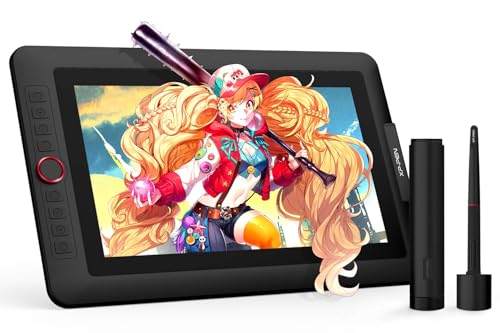
Compare the best artists tablets by pen accuracy, screen type, pressure levels, and software support to find the right tool for drawing and design.
Choosing among the best artists tablets can feel confusing, because the options look similar at first glance yet suit very different routines. This guide explains the main types, including screenless drawing tablets, pen display tablets, and standalone creative tablets, so you can match a model to how you will actually use it. No single model suits every buyer, and the right choice depends on your space, your budget and your daily routine.
The product table below gives a quick overview of the main choices. The sections that follow explain the types, the features that matter, and the mistakes to avoid, so you can choose with confidence.
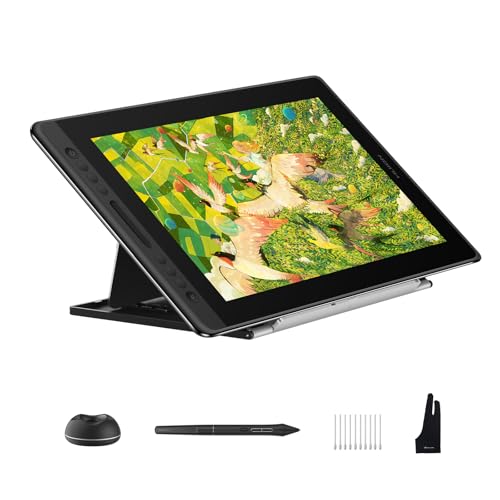

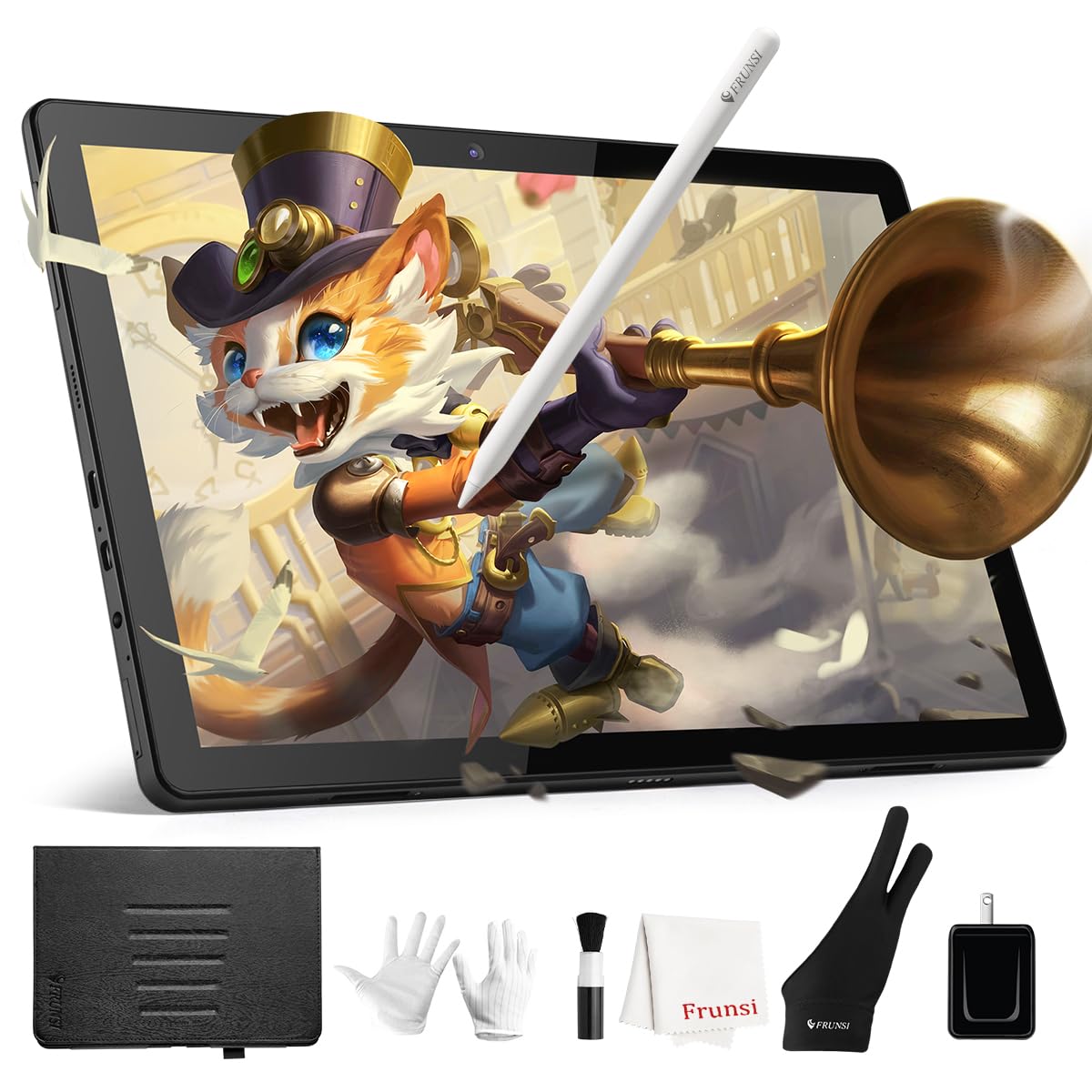
Who Should Buy
This guide suits artists, illustrators, designers, and hobbyists who want a clear way to compare drawing tablets without wading through marketing claims. If you need a professional grade display for color critical work, use the feature checks below to judge higher end models.
Types Compared
Screenless drawing tablets
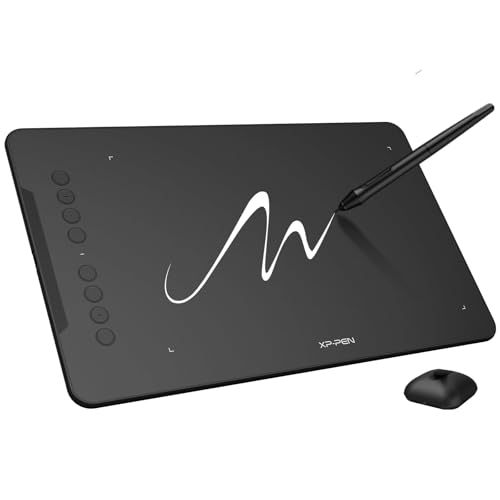
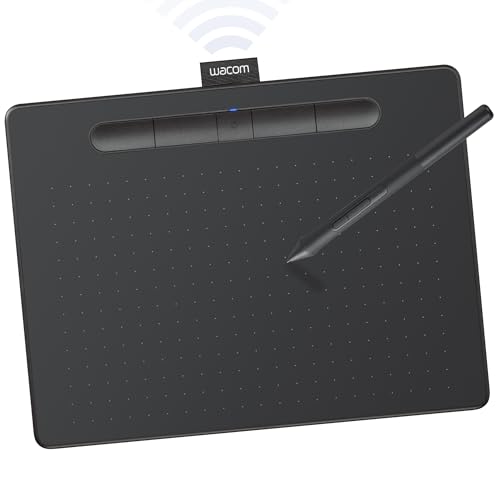
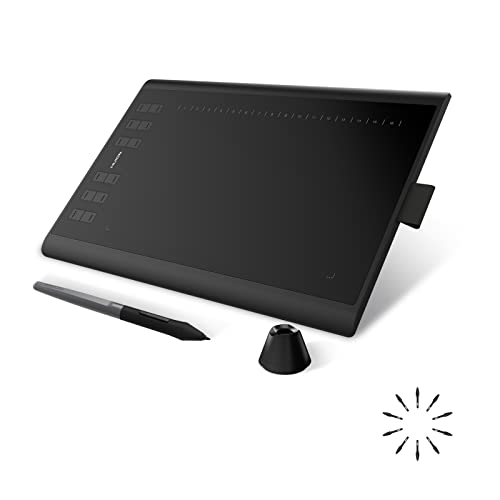
A screenless tablet suits a beginner or a budget buyer who draws while looking at a computer monitor. It is light, portable and affordable, though it takes practice to coordinate hand and screen.
Pen display tablets
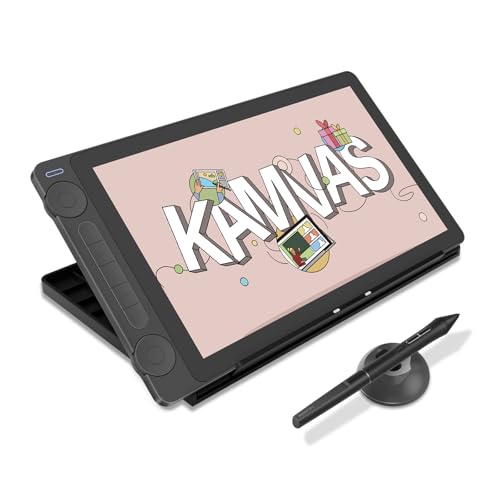
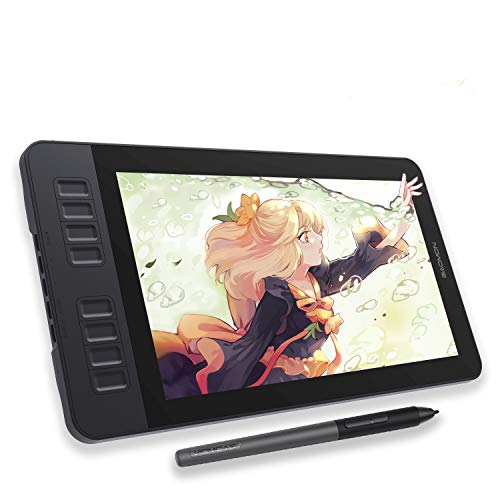
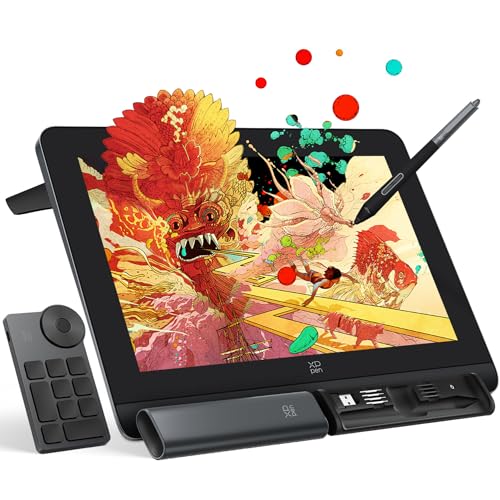
A pen display suits an illustrator or designer who wants to draw directly on the screen with natural hand eye coordination. It costs more and needs desk space, but it feels closer to drawing on paper.
Standalone creative tablets
A standalone tablet suits an artist who sketches away from a desk and wants apps, a pen and a screen in one device. It offers freedom, though pen accuracy and app choice vary more than on a dedicated drawing tablet.
Key Features to Check
Pen accuracy and parallax
Look for low parallax and a pen that tracks steadily at the edges, since drift at the corners frustrates detailed line work.
Pressure and tilt
More pressure levels help with subtle shading, and tilt support matters if you shade with the side of a digital brush.
Active area and size
A larger active area suits broad arm movements, while a compact tablet suits small desks and travel, so match size to your workspace.
Software compatibility
Check that your drawing, painting and photo apps support the tablet and pen, since driver support varies by system.
Related Guides Worth Comparing
For a closer look at best pc tablets, see best pc tablets. That guide covers a related choice that many buyers compare before they settle on one option.
If best tablets for tattoo artists sounds relevant to your routine, read best tablets for tattoo artists. It explains a neighboring option that often appears on the same shortlist.
Buyers who compare this category also look at best graphics tablets for artists. That guide helps you judge whether the related option suits your needs better.
To compare a related option, see best drawing tablets for artists. It is worth reading when your routine sits between two similar choices.
Another useful comparison is best tablets for digital artists. It covers a related product that shares some features but serves a slightly different routine.
Common Mistakes to Avoid
A common mistake is choosing by price alone, or by a single headline feature, without checking fit, size and running cost. Another is skipping the return terms, which matter when a model looks good in a shop but disappoints at home.
Budget and Long Term Value
Screenless tablets start around $30 to $60, pen displays run from about $200 to several hundred dollars, and standalone creative tablets cost the most. A mid range model often gives the best balance, while a premium model suits artists who need color accuracy or a large screen. Allow for spare nibs, a stand, and software in your total budget, not only the purchase price.
Frequently Asked Questions
Do I need a screen on my drawing tablet?
No, many artists work well with a screenless tablet. You draw on the tablet while looking at your monitor, which feels odd at first but becomes natural with practice. A pen display feels more direct, but it costs more and takes more desk space.
Beginners often start screenless and upgrade later if they want direct drawing.
What pen pressure level is enough?
For most artists, a mid range pressure level is enough for smooth lines and shading. Very high levels help only if your software and style use subtle pressure changes. Pen accuracy, tilt and driver stability matter more than a headline number.
Try the pen with your own apps before you judge it by specifications alone.
Can a tablet replace paper sketching?
A tablet can replace paper for many tasks, especially when you need layers, undo and easy sharing. Some artists still sketch on paper first, then refine work digitally. The best workflow depends on your style, your clients and your comfort with digital tools.
Many professionals mix both, using paper for ideas and a tablet for finished work.
How important is tablet size?
Size matters for comfort and desk space. A small tablet suits travel and small desks, while a large tablet suits broad strokes and long sessions. Your monitor size also matters, since mapping a small tablet to a huge screen can feel twitchy.
Match tablet size to your desk, your monitor and your drawing habits.
Do drawing tablets work with all software?
Most drawing tablets work with major art apps, but check driver support for your system and your specific apps. Some apps handle pen pressure and tilt better than others, and older systems may lack current drivers. Check the maker support pages before you buy, and keep drivers updated after purchase.
Good driver support prevents most pen problems.
Final Thoughts
Compare the types, features, and budget guidance above, and the best artists tablets choice becomes much clearer. Use the product table to compare your shortlist, then pick the model that fits your space, your software, and your daily drawing habits.