
Best Army Tactical Boots in 2026: The Buyer Checklist
Disclosure: We may earn a commission when you buy through links on this page, at no extra cost to you. As an Amazon Associate I earn from qualifying purchases. Learn more

A checklist for the best army tactical boots covering fit, cushioning, traction and waterproofing, plus care tips and common buying errors.
A boot that feels fine in a store can punish you by mile six of a ruck or hour eight on concrete. This checklist scores the best army tactical boots on fit, support and grip first, and on comfort claims last. Use it to read the comparison table below and sort real duty needs from marketing noise.
Start by naming the main job for the pair. Garrison days reward light weight and leather that takes polish, field weeks reward ankle support and drainage, and road marches reward stable cushioning under a pack.
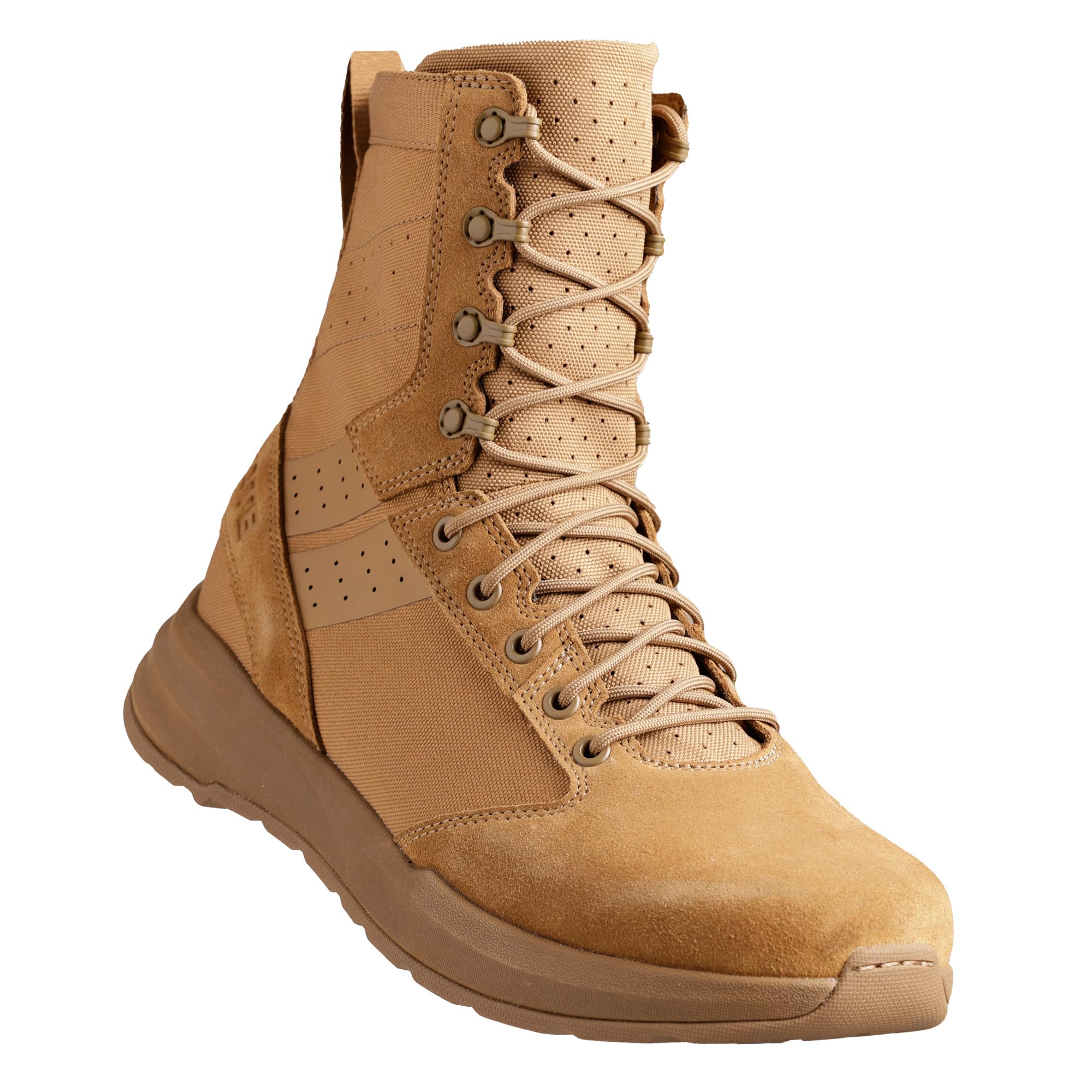

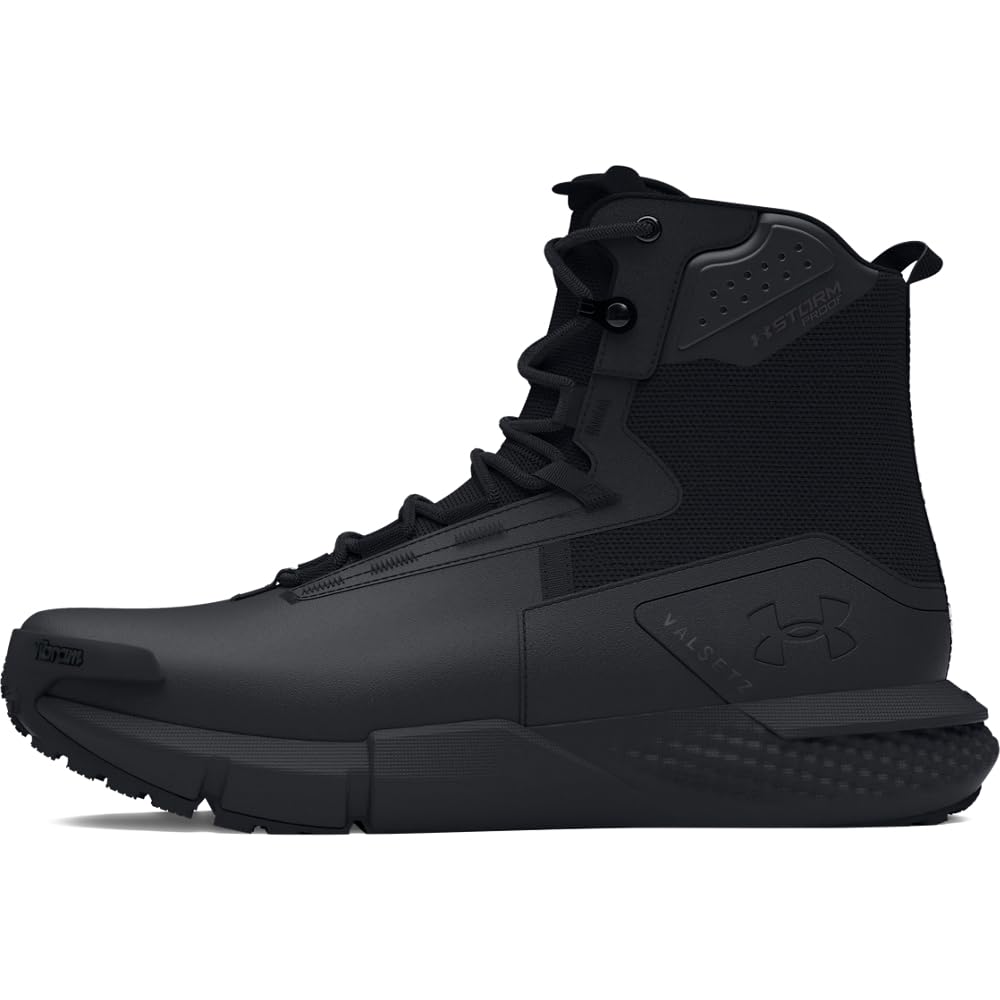


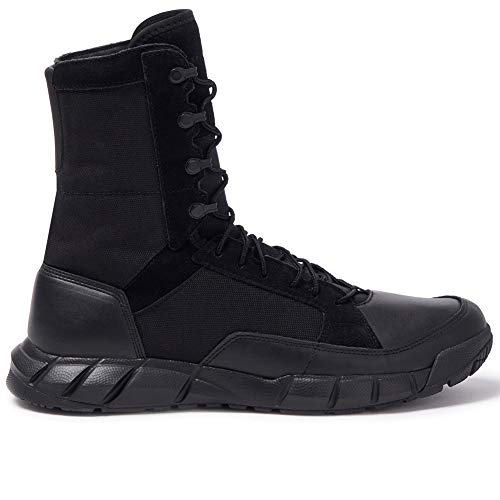


Who Should Buy Which Army Tactical Boots?
Match the pair to the work you do most weeks, not to the hardest day you can imagine.
Soldiers in Garrison and Daily Duty
Your day mixes office floors, motor pool concrete and short walks across post. Choose a lighter boot with a plain toe, smooth leather that takes polish, and cushioning that stays kind during long standing. Skip aggressive lugs here, since deep lugs feel clumsy on hard floors and wear faster on pavement.
Soldiers and Trainees Who Ruck and March
You carry load over gravel, grass and broken ground. Choose stronger ankle support, a firm heel counter and lugs that bite without packing full of mud. Cushioning matters, but stability under a pack matters more. For load specific guidance, see our guide to the best boots for rucking army before you buy.
New Recruits and First Time Buyers
You need a uniform ready pair that fits training from week one and leaves room for feet to swell. Start with the height and color your unit requires, then focus on fit instead of extras. Buy early enough to finish the break in period before a long march. A proven mid priced style serves most recruits better than a costly specialty model.
Key Features to Compare
Work through these six factors in order, because the best army tactical boots on paper can still fail you in the wrong size. Fit comes first, so settle size before you judge any membrane, lug or leather claim.
Sizing and Toe Room for All Day Duty Wear
Measure both feet late in the day while wearing duty socks, since feet swell under heat and load. Leave about a thumb width ahead of your longest toe as you stand. The toe box should let toes lie flat and spread a little without pressing the sides. Keep heel slip minimal, since a loose heel raises blisters on marches. For width notes across brands, see our guide to the best men's tactical boots.
Shaft Height, Ankle Support and Uniform Fit
Most army styles stand about 8 inches tall, which covers the ankle and meets common uniform rules. The collar and lacing limit side roll on uneven ground. A taller shaft guards against brush, dust and stones in the field. Check your unit rules for height, color and toe style before you order, since a boot that fails those rules stays in the locker. For uniform focused options, see our guide to the best army boots.
Arch Support, Cushioning and Heel to Toe Drop
Your arch shape guides the insole you need. Flat feet often do better with added stability at the midfoot, while high arches need more cushioning under the heel and forefoot, and a neutral foot can use either style. Heel to toe drop often sits around 8 to 12 mm, and a sudden switch to a much lower drop can strain calves on marches. If pain, numbness or lasting swelling shows up, stop and ask a medical professional what support suits your feet.
Waterproofing, Gore Tex and Breathability
A waterproof membrane such as Gore Tex keeps rain and shallow puddles out during cold, wet duty. The trade off is heat, since the same barrier slows sweat vapor on warm days. Boots with open nylon panels breathe better and dry faster after a full soaking, which suits hot climates and water crossings. Drainage ports on some field styles shed water fast, but they also admit fine sand.
Outsole Traction for Mud, Gravel and Pavement
Look at lug shape before lug depth alone. Wide spaced lugs shed mud and grip loose soil, while tighter patterns feel smoother and quieter on pavement and rock. The angled front edge of the heel helps you brake on steep descents under load. Rubber hardness matters too, since softer compounds grip wet stone better but wear sooner on concrete. Match the pattern to the ground you cross most days.
Upper Materials, Weight and Durability
Most uppers pair full grain or suede leather at the toe and heel with strong nylon panels. Leather guards against scrapes and holds its shape, while nylon cuts weight and speeds drying. Stitching should look even, with no loose threads at stress points. Wear shows first at the heel lining, eyelets and outsole edges. Very light builds feel fresh, yet they can flex too much under heavy loads.
Army Tactical Boot Types Compared and Quick Buyer Checklist
Three broad types cover most needs. Standard duty boots pair leather and nylon with cushioning and cost about $110 to $170 for mixed garrison and field use. Waterproof field boots add a membrane and cost about $150 to $220 for cold rain and mud. Lightweight training boots trim the upper and outsole and cost about $90 to $140 for road marches in warm weather. For a wider view of the category, see our guide to the best tactical boots.
No type wins on its own. Work through the checklist below, and treat any no answer as a reason to keep looking.
- Did you measure both feet late in the day in duty socks?
- Does the toe box leave a thumb width ahead of your longest toe?
- Do height, color and toe style match your unit rules?
- Does the outsole pattern match the ground you cross most often?
- Did you pick waterproofing or breathability for your climate, not from habit?
- Can you finish the break in period before your next long march?
- Does the price leave room for socks and a spare insole?
Common Mistakes to Avoid
Most returns and sore feet trace back to a short list of buying errors.
- Buying by street shoe size alone leaves no room for swelling, so toes strike the front on descents.
- Choosing the tallest boot for office duty adds weight and heat that tire your legs by midday.
- Skipping the break in period and marching far in a new pair invites blisters and hot spots.
- Trusting vague claims with no stated height or materials hides a weak build until the upper fails early.
- Ordering a color your unit bans wastes money, since the pair cannot be worn on duty.
- Wearing cotton socks in a well fitted boot still soaks skin and raises friction every mile.
Care and Maintenance Tips for Army Tactical Boots
Brush mud off after field use and rinse heavy grit with plain water, since packed dirt dries leather and grinds stitching. Pull the insoles out and air dry the pair away from direct heat, since hot air cracks leather and warps cushioning.
Condition leather once it looks dry and pale, and reproof suede when water stops beading. Rotate two pairs on back to back duty days when you can, since rest lets cushioning recover and linings dry fully. Check laces, eyelets and heel lining weekly, and replace worn laces before they snap on a march. Retire a pair when the outsole runs smooth or the upper tears beyond repair.
FAQ
Are expensive army tactical boots worth it?
Yes, a higher price can be worth it when the extra money buys better leather, stronger stitching and a more stable midsole. Those gains show up as slower wear. Price alone proves nothing, though. A costly pair with the wrong toe shape still hurts, while a mid priced pair that fits can serve for years.
How often should I replace my army tactical boots?
Replace army tactical boots when support and grip fade, not on a fixed calendar date. Watch for a smooth outsole at the heel, a midsole that feels flat after short days, and lining worn through at the heel. Heavy field use shortens life, while a rotated garrison pair lasts longer.
Can I wear army tactical boots all day?
Yes, you can wear army tactical boots all day when the fit leaves toe room and the insole matches your arch. Standing duty needs cushioning that resists packing down on concrete. Change socks at midday on long shifts, since dry socks cut friction. If one spot rubs daily, adjust your lacing before the skin breaks.
Do I need waterproof army tactical boots?
No, waterproof army tactical boots are optional, and soldiers often prefer open panels in hot regions. Choose the membrane version when cold rain and mud fill most of your season. Skip it when heat and river crossings dominate, since a soaked waterproof boot dries slowly from the inside. Let climate decide, not fear of one wet day.
How long is the break in period for army tactical boots?
Most army tactical boots need one to two weeks of growing wear before a long march. Start with short walks, then add distance every other day. Leather at the ankle softens in stages, and pressure points fade as the collar shapes to your leg. Tape known rub spots during the first week to protect skin while the boot adjusts.
How should army tactical boots fit?
Army tactical boots should fit snug at the heel and midfoot, with clear space ahead of the toes. Lace firmly over the instep so the foot stays back on descents, but leave the top eyelets a touch looser for ankle bend. Your toes should wiggle freely while the heel barely lifts. Try the pair on stairs in the store when staff allow it.
Final Thoughts
Fit, support and the right outsole decide more days than any membrane or brand story. Settle your size with duty socks, match height and color to your unit, and pick waterproofing only where your climate earns it. Then compare weight, price and build in the product table above.
When you judge best army tactical boots by that order, the short list gets short fast. Buy the pair that serves your most common week, break it in with patience, and it will serve you well beyond a single season.


