
Best Army Boots for Ruck Marches for 2026: Types Compared and How to Choose
Disclosure: We may earn a commission when you buy through links on this page, at no extra cost to you. As an Amazon Associate I earn from qualifying purchases. Learn more

Compare army boots for ruck marches by type, fit, cushioning, traction and waterproofing, with sizing tips, common mistakes and care advice for loaded miles.
A ruck march asks more of a boot than a normal day on your feet. You carry a loaded pack over long miles, your feet swell as the distance builds, and small fit problems turn into hot spots and blisters. The best army boots for ruck marches support that load, grip the route, and stay comfortable to the last mile. The comparison table below lets you check the main types side by side.
This guide compares boot types rather than naming models, then walks through the fit and features that matter under a pack. Your usual route, pack weight, and weather narrow the choice faster than price alone.


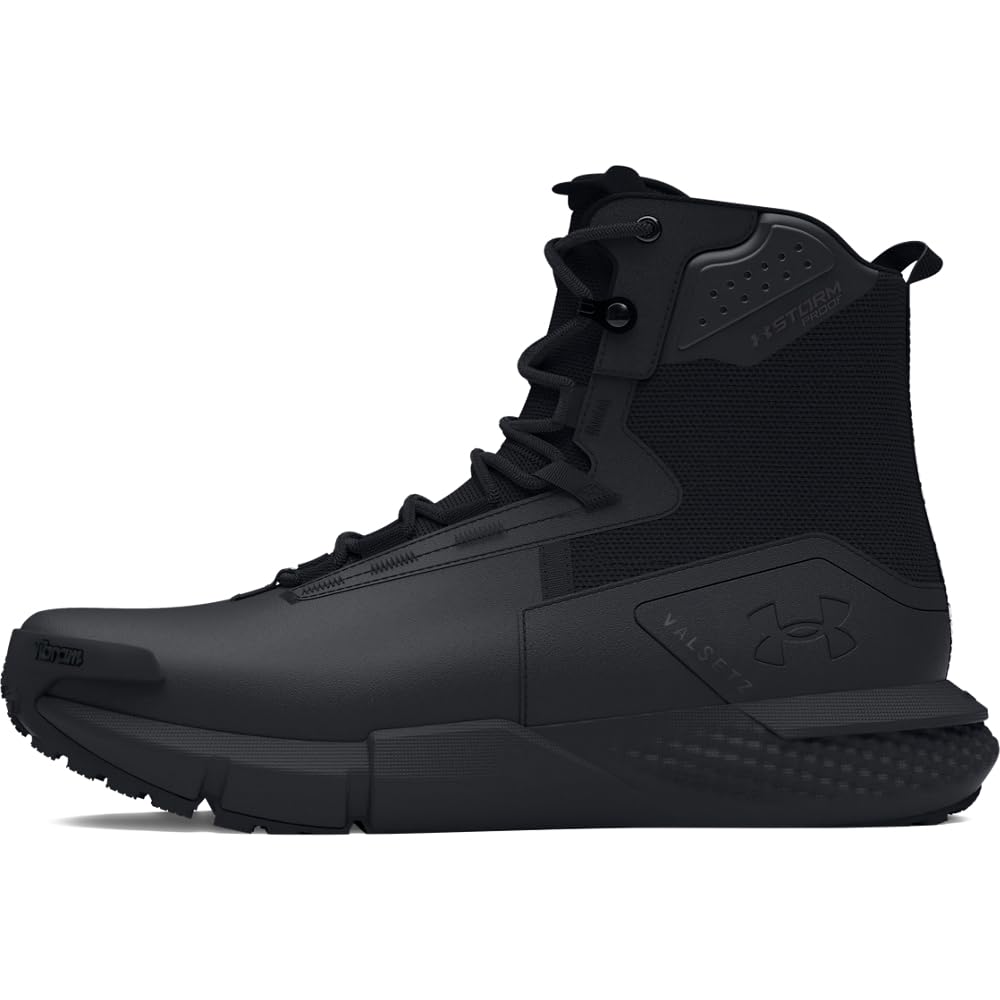
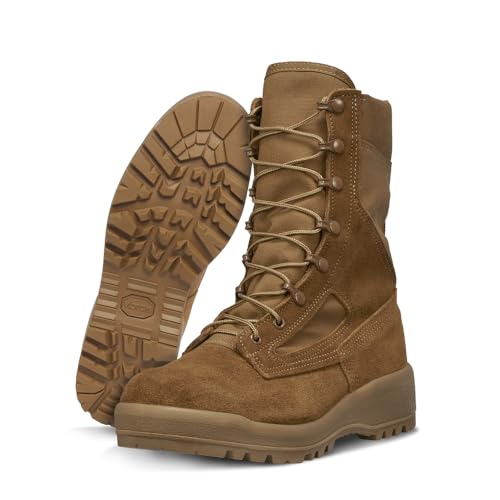
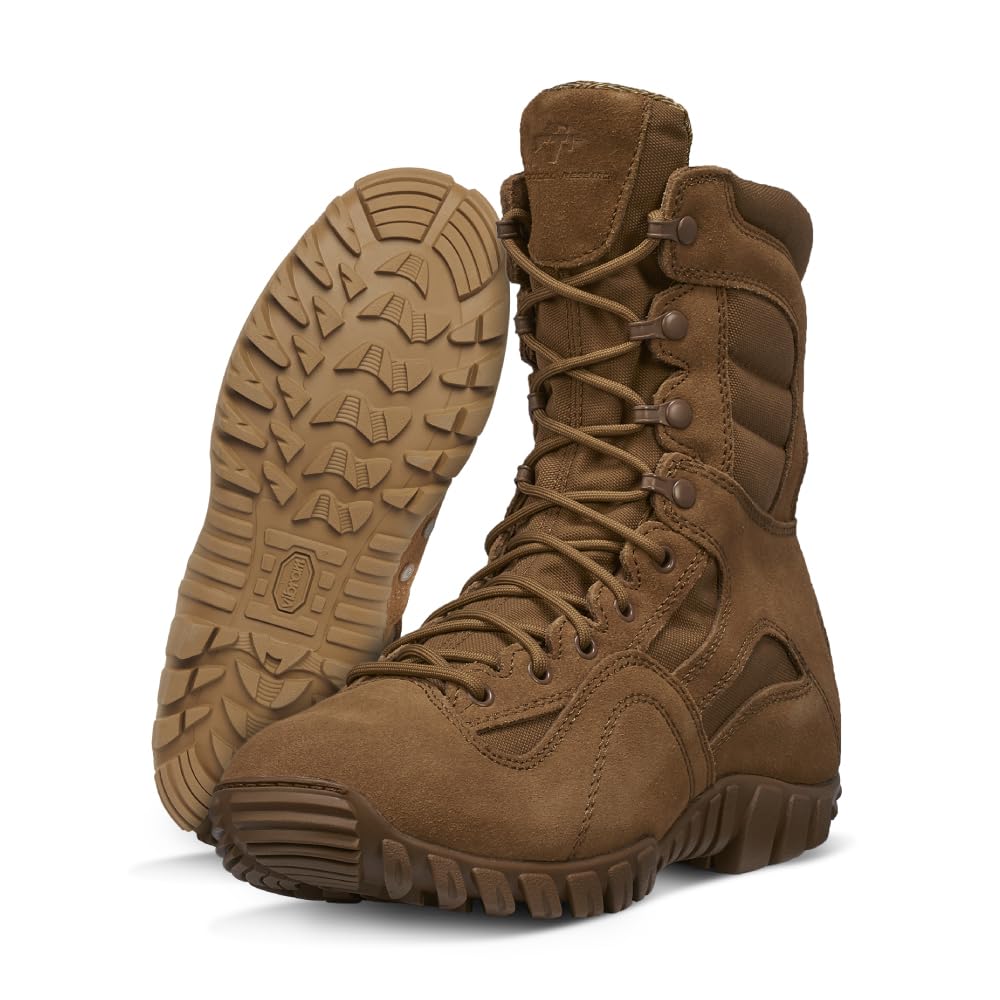


Types of Army Boots for Ruck Marches Compared
Army boots for loaded marching fall into three broad types, and each one trades weight, protection, and weather cover in a different way. For the wider category first, see our guide to the best army boots for general duty and everyday wear.
Lightweight Boots for Fast Road Rucks
Lightweight boots pair a fabric and leather upper with a soft, flexible sole, and many pairs weigh about 2 to 2.8 pounds per pair. They feel quick on paved roads and packed tracks, need little break in time, and dry fast after a wet crossing. The trade off is support, because a soft sole flexes more under a heavy pack and thin panels wear sooner on rocky ground. Choose this type for timed road events and moderate pack weights, where speed matters more than rough terrain protection.
Traditional Full Leather Boots for Rough Ground
Traditional boots use thicker leather, a stiffer sole, and a taller shaft, often about 8 inches high, and pairs often weigh about 3 to 4 pounds. That build resists abrasion from brush and rock, holds the ankle steady on uneven ground, and stands up to years of use. The costs are a longer break in period, slower drying, and extra weight on every step. Choose this type for heavy packs and off road routes, where durability and stability matter more than a light, quick feel.
Waterproof Membrane Boots for Wet Routes
Waterproof boots add a membrane lining inside a leather or mixed upper, so rain and shallow puddles stay out while you march. They suit cold, wet seasons and routes with stream crossings. The lining also holds heat and moisture in, so feet can feel warm and damp on dry summer roads. Choose this type when wet ground is your normal condition, not an occasional problem, and accept slower drying once water gets in over the top.
Lightweight Boots or Full Leather Boots: Which Should You Choose for a Ruck March?
Match the type to the route you repeat most. On flat pavement with a pack of about 35 pounds, a lightweight boot usually wins, because lower weight and a flexible sole reduce leg fatigue over high step counts. On rocky or muddy ground, the stiffer leather boot protects your feet from sharp edges and supports the ankle when the pack shifts.
Consider weather and distance next. Short rucks in dry weather favor the lighter type, while long winter routes with wet grass favor leather or a membrane boot. When in doubt, pick the type that fits your heel and toes best, because fit problems grow worse with every mile under load.
How to Choose the Right Army Boot for a Ruck March
Choosing the best army boots for ruck marches comes down to a short checklist you can work through in order. Start with fit, then check support, upper, and outsole against your route and pack.
Membrane Waterproofing for Wet Ruck Routes
A waterproof membrane such as Gore Tex blocks outside water at the lining, which helps in rain, wet grass, and shallow crossings. The same lining slows the escape of sweat vapor, so breathability drops as your work rate rises. On mostly dry routes, a breathable non waterproof boot often ends the day with drier socks, because sweat can leave freely. Pick the membrane only when outside water is the bigger threat.
Cushioning, Arch Support, and Heel to Toe Drop Under Load
The midsole spreads the pressure of each loaded step, and a boot that feels fine unloaded can feel thin after ten miles with a pack. Look for firm cushioning that does not bottom out, an insole that supports the arch without pushing into it, and a heel to toe drop of about 8 to 12 mm, which suits a steady marching stride. If you use aftermarket insoles, bring them when you try boots on, since they change the space inside.
Upper Materials and Breathability on Long Marches
Full leather uppers resist abrasion and hold their shape, but they breathe slowly and gain weight when soaked. Mixed uppers combine leather at high wear areas with nylon panels that vent heat and cut weight, which many marchers prefer in warm weather. Suede splits the difference, with decent durability and a softer first fit. Check the seams around the toe and heel, because stitching failures there end a boot early. Choose the upper for your climate first.
Fit, Sizing, and Toe Box Room for Feet That Swell
Try boots on in the afternoon, when your feet are at their largest, and wear the socks you plan to march in. Look for a toe box that allows about a thumb width of space in front of your toes when you stand, so they can spread and slide on descents without striking the front. The heel should sit snug with little lift, while the midfoot feels held but not squeezed. Feet often grow close to half a size over a long loaded day, so a morning fit that feels exact can turn painful later. If you feel numbness that does not fade, sharp pain, or a blister with redness and warmth, stop and seek medical care, and talk with your clinician about your personal needs.
Outsole Traction and Boot Weight on Mixed Routes
The outsole decides how the boot grips wet pavement, loose gravel, and mud. Deep, widely spaced lugs shed mud and bite on soft ground, while a flatter, finer pattern feels steadier on hard roads and wears more slowly. A harder rubber compound lasts longer but can feel slick on wet rock, so match the lug pattern to the surface you march on most.
Common Mistakes to Avoid
Most ruck march foot problems start with one of these avoidable errors.
- Buying your normal shoe size without trying boots on in thick ruck socks leaves no room for swelling and invites blackened toenails on descents.
- Marching a long event in brand new boots turns small pressure points into blisters that can end your day early.
- Choosing a waterproof boot for hot, dry routes traps sweat inside and softens skin until it tears more easily.
- Tying laces loosely at the ankle lets the heel lift with each step and rubs the skin raw over long miles.
- Ignoring a hot spot at the first stop lets a small rub grow into a blister that changes how you walk.
- Picking the lightest boot for a heavy pack leaves the sole flexing under load and tires your feet and calves sooner.
Care and Maintenance for Army Boots Used on Ruck Marches
After each march, pull the insoles out, loosen the laces, and let the boots air dry away from direct heat, since strong heat can crack leather and weaken glues. Brush dried mud from the upper and lugs, and wash heavy dirt off with plain water and a soft brush.
Condition leather once it looks dry and pale, following the maker directions, and check stitching, eyelets, and lug wear before each long outing. Rotating two pairs across a heavy training week gives each pair time to dry fully. Store boots upright in a dry room, not sealed in a bag.
Army Boots for Ruck Marches: Your Questions Answered
What features matter most in army boots for ruck marches?
Fit, support under load, and outsole grip matter most, in that order. One point buyers often miss is lace hardware, because smooth eyelets and strong hooks let you adjust tension by zone, tighter at the ankle and looser at the forefoot. That small adjustment can prevent both heel lift and toe pressure on the same march.
Do I need waterproof army boots for a ruck march in dry weather?
No, you do not need waterproof army boots for a dry weather ruck march. A breathable boot usually serves you better there, and you can carry spare socks in a sealed bag for unexpected rain. Save the membrane boot for seasons when wet ground is certain, and your feet will finish dry marches cooler.
How should army boots fit at the start of a long ruck march?
Army boots should feel snug at the heel and midfoot, with clear space in front of your longest toe. A useful extra check is a short walk down a slope or stairs before you commit, since toes that touch the front on a brief descent will suffer over miles of it. If one foot is larger, fit the boots to that foot.
How often should I replace army boots used for ruck marches?
Replace army boots when the midsole feels flat and harsh, the lugs are worn smooth, or the upper cracks, even if the boot still looks intact. A practical sign is new aches in the knees or shins on routes that used to feel normal. Track your rough mileage in a training log so the decline does not surprise you before an event.
How long is the break in period for new army boots?
The break in period for new army boots is usually about 1 to 2 weeks of gradually longer walks. Start with short, unloaded walks, then add the pack for brief outings before any long march. Leather boots sit at the longer end of that range, while lightweight fabric boots often feel ready sooner.
The Bottom Line
Pick the boot type for your route and weather, then insist on a fit that leaves room for swelling and a sole that supports your pack weight. Use the product table above to compare types against those points. When you choose best army boots for ruck marches with fit and support first, long miles feel steady.


