Best Area Rugs for Under Kitchen Table 2026: Everything to Know Before Your First Purchase
Disclosure: We may earn a commission when you buy through links on this page, at no extra cost to you. As an Amazon Associate I earn from qualifying purchases. Learn more
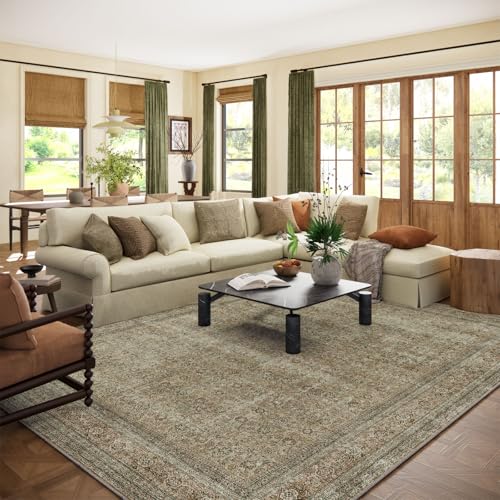
Learn how the best area rugs for under kitchen table use are sized and cleaned, with plain English specs, starter steps and rookie mistakes to avoid.
Buying your first rug for under a kitchen table sounds simple until you picture real life there. Chairs scrape several times a day, breakfast spills happen weekly and the rug sits steps from a sink and stove. If you have never bought one before, this friendly guide to the best area rugs for under kitchen table use starts with the basics, explains each spec in plain English and shows you the mistakes that waste money.
By the end you will know how big the rug should be, why low pile matters, which fibers forgive spills and how to set the rug up on day one. The comparison table below lets you compare sizes and materials while you read.
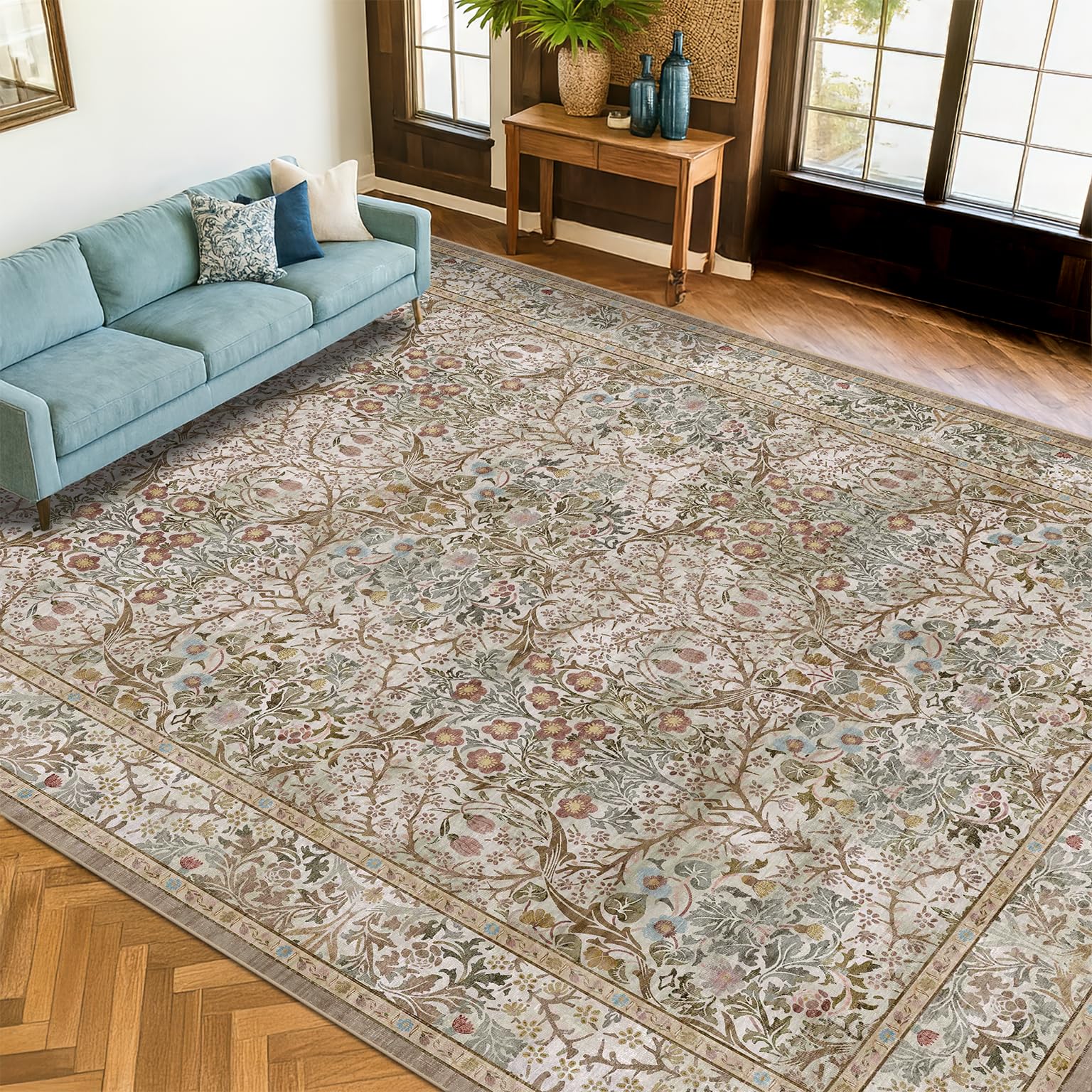


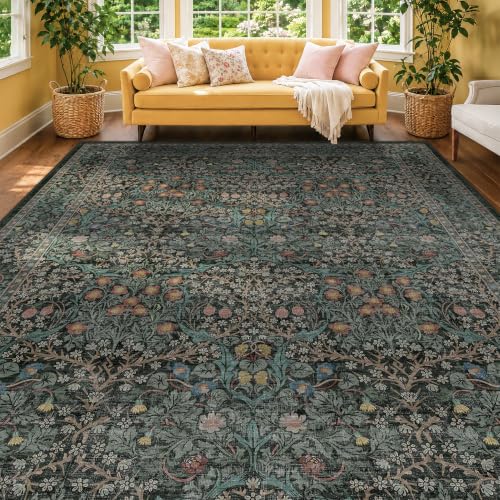
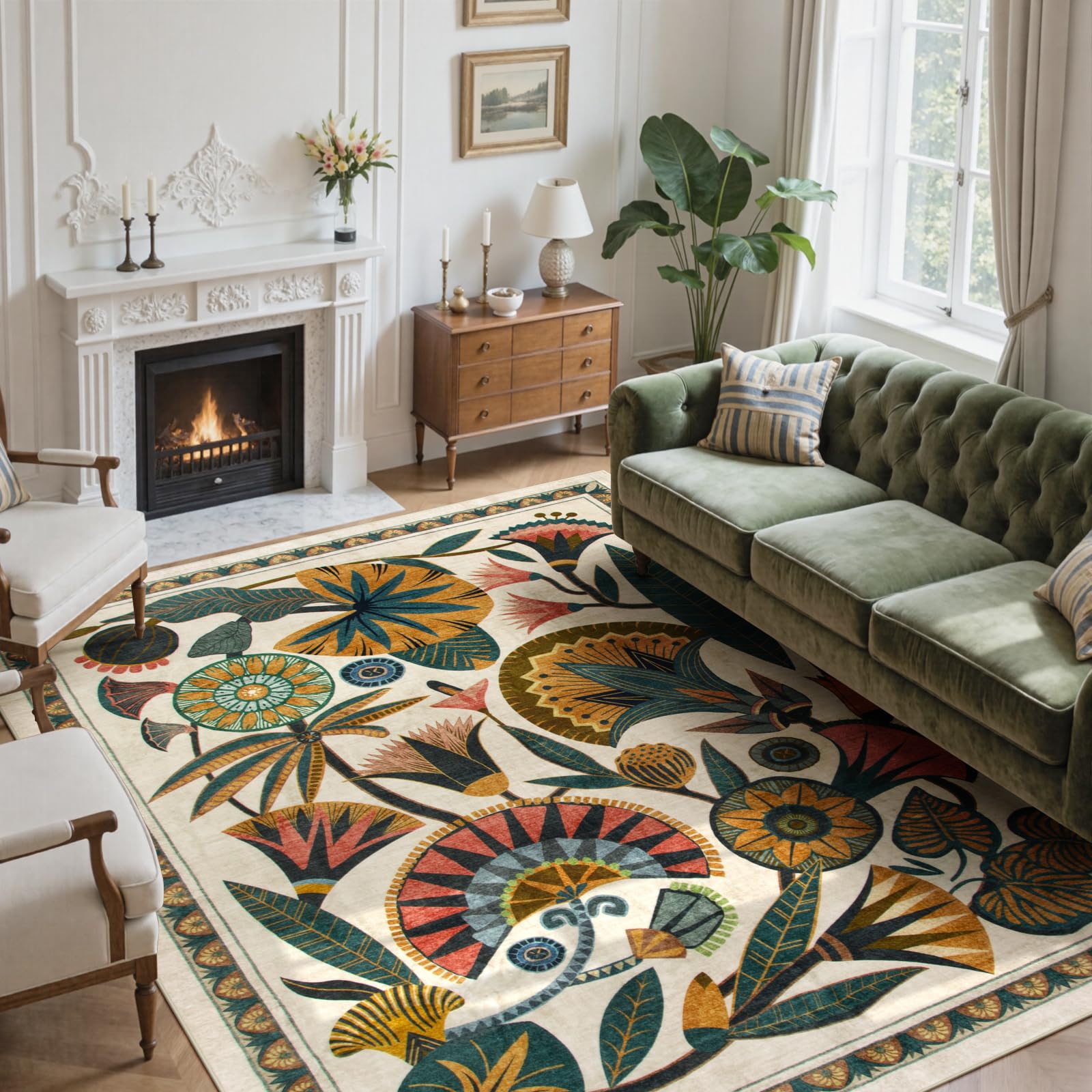

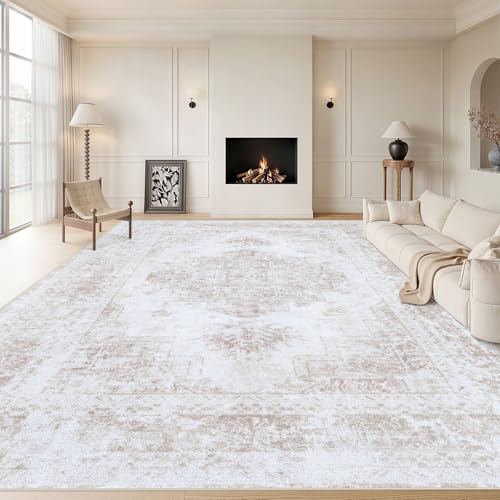
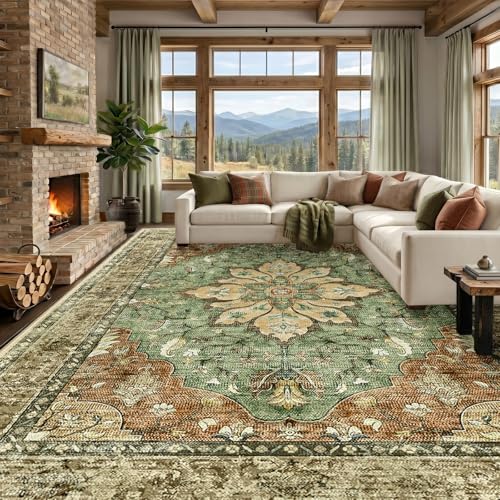
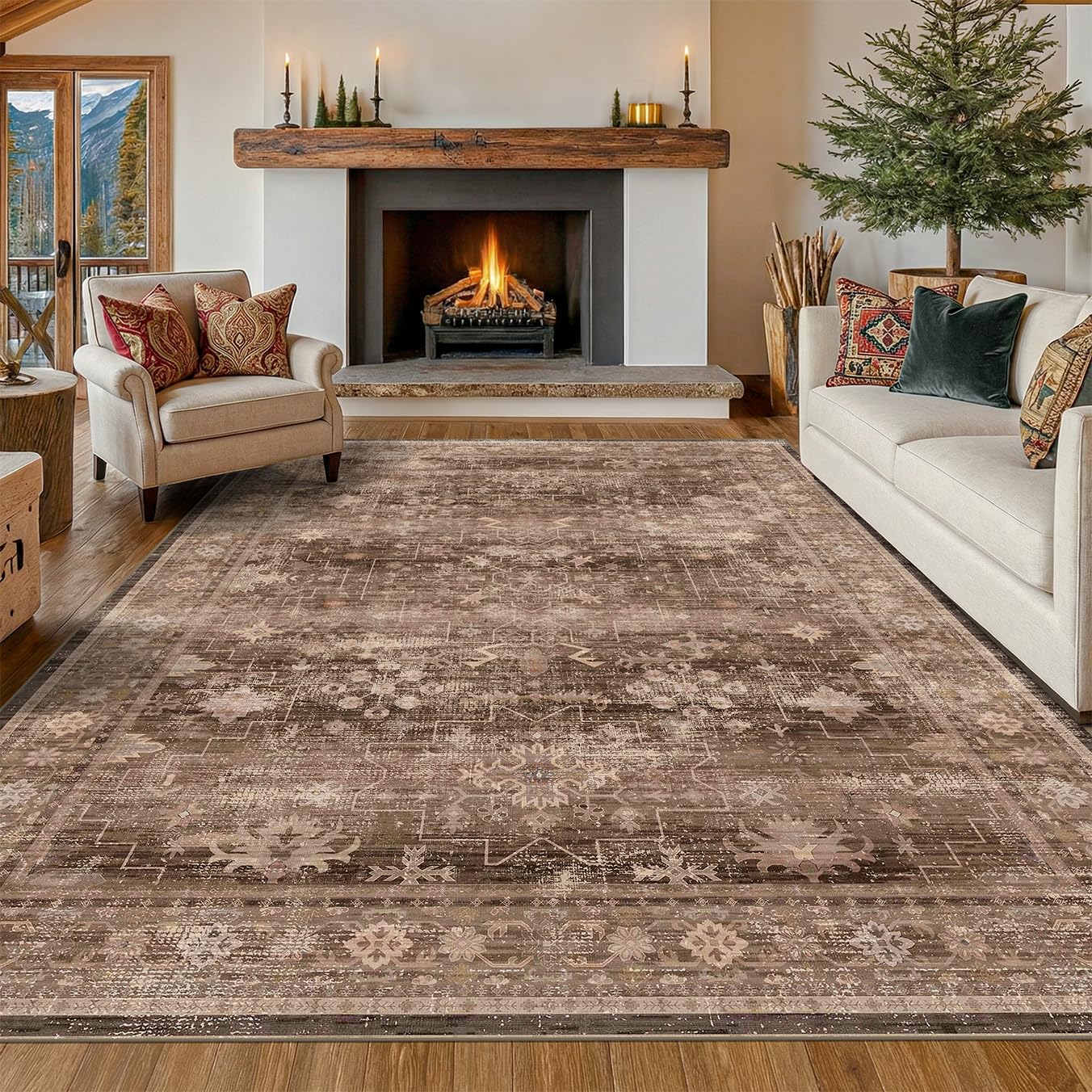
Area Rugs 101: The Basics
An area rug is a floor covering that sits on top of your hard floor rather than being fixed wall to wall. Under a kitchen table, its jobs are to protect the floor from chair legs, soften sound, add warmth underfoot and define the eating zone, especially in an open plan room. A rug never works alone. The thin pad beneath it stops sliding, adds a little cushion and protects the floor finish, so budget for both pieces from the start.
Three terms explain most listings. Pile means the fiber surface you see and feel, and pile height is how tall it stands. A pad is the underlayer, usually felt, rubber or a blend. Size is given as width by length in feet, and orientation matters, so note which number runs parallel to your table. With those basics, the specs below become easy to judge.
Key Specs Explained in Plain English
Features That Matter for Under Kitchen Table
Kitchen tables work harder than dining tables because the room adds water, grease and heavy daily traffic. Your rug needs a low dense pile that chairs can glide over, a surface that releases crumbs and spills, and enough size that chair legs never drop off the edge mid meal. Aim for at least 24 inches of rug beyond the table on all sides. When listings for the best area rugs for under kitchen table mention stain resistance, check whether that means a washable rug or only a coating, because the care effort differs a lot.
Material
Material simply means what the fibers are made of. Polypropylene and polyester are the forgiving starter fibers, since they resist water based stains, dry fast and cost less in large sizes. Wool is the durable natural option, pleasant underfoot and good at hiding soil, but it needs gentler cleaners and a bigger budget. Cotton flat weaves feel casual and some are washable, though they wrinkle more easily. Skip delicate viscose look rugs here, because kitchen moisture marks them quickly and chairs flatten the pile.
Size and Fit
Measure your table, then add at least 24 inches on every side for chairs. A table that is 36 by 60 inches therefore needs a rug around 7 by 9 feet or larger. Use painter tape on the floor to outline the rug size and sit in every chair, pulling each one out as you normally would. If a back leg lands off the tape, go bigger. Round tables need a round or square rug with the same 24 inch rule measured from the table edge at its widest point.
For more size examples, see our guide to the best rugs for under kitchen table setups, which walks through small breakfast nooks as well as family size tables.
Safety Labels
A label such as OEKO TEX means the rug was screened for certain harmful substances, which is a reasonable check for a floor where kids drop food and pick it up again. It does not promise stain proof performance or long wear, so read it as a safety note, not a quality grade. If a new rug smells strongly, air it near an open window for a day. Families with asthma or scent sensitivity should favor low odor descriptions backed by a real label.
Pile Height and Everyday Use
Pile height is the chair glide test. Low pile, roughly under a third inch, lets chair legs and high chair wheels move without digging in, and it leaves less room for crumbs to hide. Medium pile feels softer for bare feet during slow weekend breakfasts but needs more vacuuming. Tall shag is a poor fit here, because it traps food, wobbles under chairs and is hard to clean under a table. When in doubt, choose lower and add comfort with a thin felt pad.
Warmth and Breathability
Kitchens run warm from cooking, so heavy insulation is rarely the goal. A flat weave or low pile rug over a breathable felt pad keeps the eating area comfortable without trapping heat and cooking odors. Breathability also helps after mopping or a spill, since air flow lets the pad dry. If your kitchen floor is cold in winter, a low pile wool blend adds gentle warmth without the cleaning burden of a thick rug. Match the stack to your climate, not to a marketing label.
Wider kitchen planning helps too. Our guide to the best area rugs for kitchen covers sink and stove zones, and our guide to the best rugs for kitchen table use compares shapes for eat in kitchens.
Rookie Mistakes to Avoid
- Buying the table size, not the chair size. A rug that only fits under the table leaves chair legs half off and edges curling.
- Choosing shag for looks. Tall pile traps crumbs and makes chairs drag from the first meal.
- Skipping the pad. Without grip, the rug creeps, wrinkles and becomes a trip risk near hot food.
- Picking a pale solid color. Kitchen tables produce stains, so a patterned midtone hides life between washes.
- Ignoring the wash instructions. A rug that needs professional cleaning may not suit a home with toddlers and pets.
One more option worth knowing is the general category covered in our guide to the best under table rugs, useful if your table sits in a shared living space rather than a closed kitchen.
Getting Started: Setup and First Use
Start by sweeping and mopping the floor, then let it dry fully so the pad grips clean tile, wood or vinyl. Lay the pad first, trimmed about an inch smaller than the rug on each side, with any rubber side facing the floor. Unroll the rug over it, center the table and give corners a day to relax, weighting them with books if they curl. Set chairs on the rug and test the pull out distance at every seat before your first meal.
During the first week, check daily for creeping or wrinkles and adjust the pad once early rather than repeatedly moving the table. Keep a small cloth and mild cleaner nearby so first spills get blotted within minutes, which is when most stains are easiest to lift. Vacuum twice in the first week, because new rugs shed loose fibers that look alarming but settle quickly. Photograph the setup once it looks right, so you can restore the alignment after deep cleaning.
If your kitchen and dining spaces connect, the sizing logic in our guide to the best area rugs for under dining room table use will help you keep both zones consistent.
Area Rugs: Your Questions Answered
What features matter most in area rugs for under kitchen table?
Size, low pile and cleanability matter most. The rug must extend about 24 inches past the table so chairs stay on it, the pile should be low and dense so legs glide and crumbs vacuum up, and the fiber should handle blotting or washing without special products. Add a grip pad, choose a forgiving pattern and you have covered the daily realities of an eat in kitchen.
Will a rug make my kitchen too warm?
Not if you choose well. A flat weave or low pile rug with a breathable pad will not trap warmth around the table. In a cold kitchen, pick a slightly denser low pile for comfort.
How often should I replace my area rug?
Plan on about three to six years for a synthetic kitchen rug in daily use, and longer for wool that gets rotated and cleaned gently. Replace it sooner if edges curl into a trip risk, the surface stays stained after washing, or chair paths look threadbare. Pads wear faster, so a fresh pad can revive a rug that has started to slide.
How do I wash area rugs safely?
Read the label before the first spill, not after. Many low pile synthetic rugs can be spot cleaned with mild detergent and water, and true washable rugs can go in a machine if they fit without forcing. Wool needs a gentle cleaner and no hot water. Always dry the rug flat and fully before replacing it, because a damp pad under a table can smell within days.
Does pile density matter more than thickness?
Yes. Density means how closely fibers are packed. A dense low pile sheds crumbs, survives chair legs and cleans faster than a loose tall pile. If a listing shares the rug weight, a heavier rug in the same size usually signals denser construction.
What pile feels steady when cooking and clearing?
A low pile rug over a thin felt pad feels stable and avoids the wobble of thick padding, which is safer around hot dishes. Keep edges flat and wear supportive shoes for long cooking sessions.
Wrapping Up
Your first kitchen table rug is a success if three things hold true: chairs stay on it, spills clean up without drama and it lies flat with a good pad. Measure with tape, choose low dense pile in a forgiving fiber and pattern, and set it up carefully on day one. Compare your shortlist in the product table above against those checks, and the best area rugs for under kitchen table pick for your home will be clear without any guesswork.