Best Area Rugs for Under Dining Room Table 2026: Complete Buying Guide
Disclosure: We may earn a commission when you buy through links on this page, at no extra cost to you. As an Amazon Associate I earn from qualifying purchases. Learn more

Choose the best area rugs for under dining room table setups with advice on size, low pile, stain care and chair movement for daily meals.
A dining rug has a hard job. Chairs slide in and out several times a day, food and drinks fall, and the rug still needs to look calm under the table. Too small, and chair legs catch the edge at every meal. Too thick, and chairs drag. This guide to the best area rugs for under dining room table use focuses on the measurements and pile choices that make daily dining easier.
Instead of named products, you will find three buying profiles, a sizing method you can do with tape, and care advice for spills. Start with the comparison table below to compare sizes, then use the rules here to narrow the field.


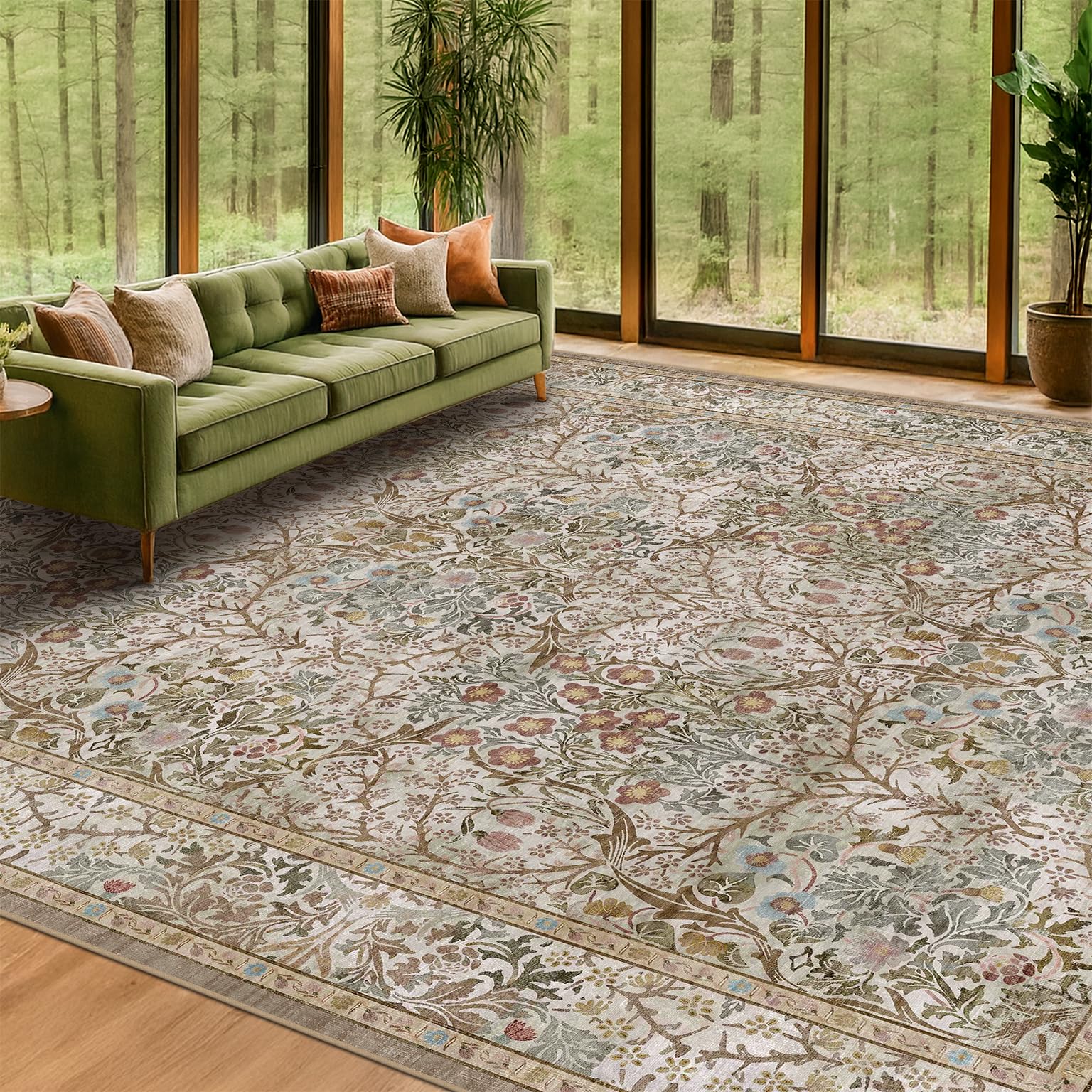
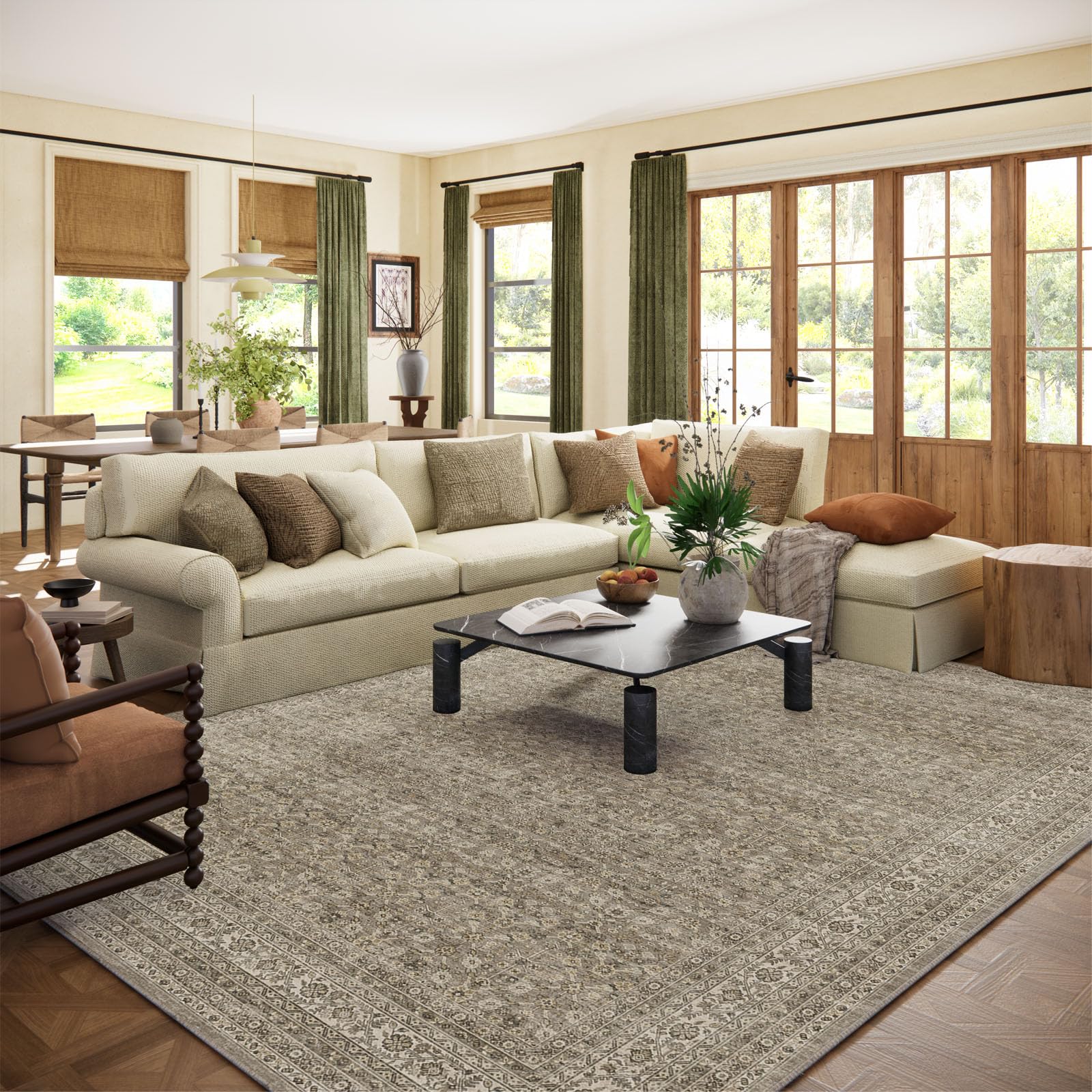
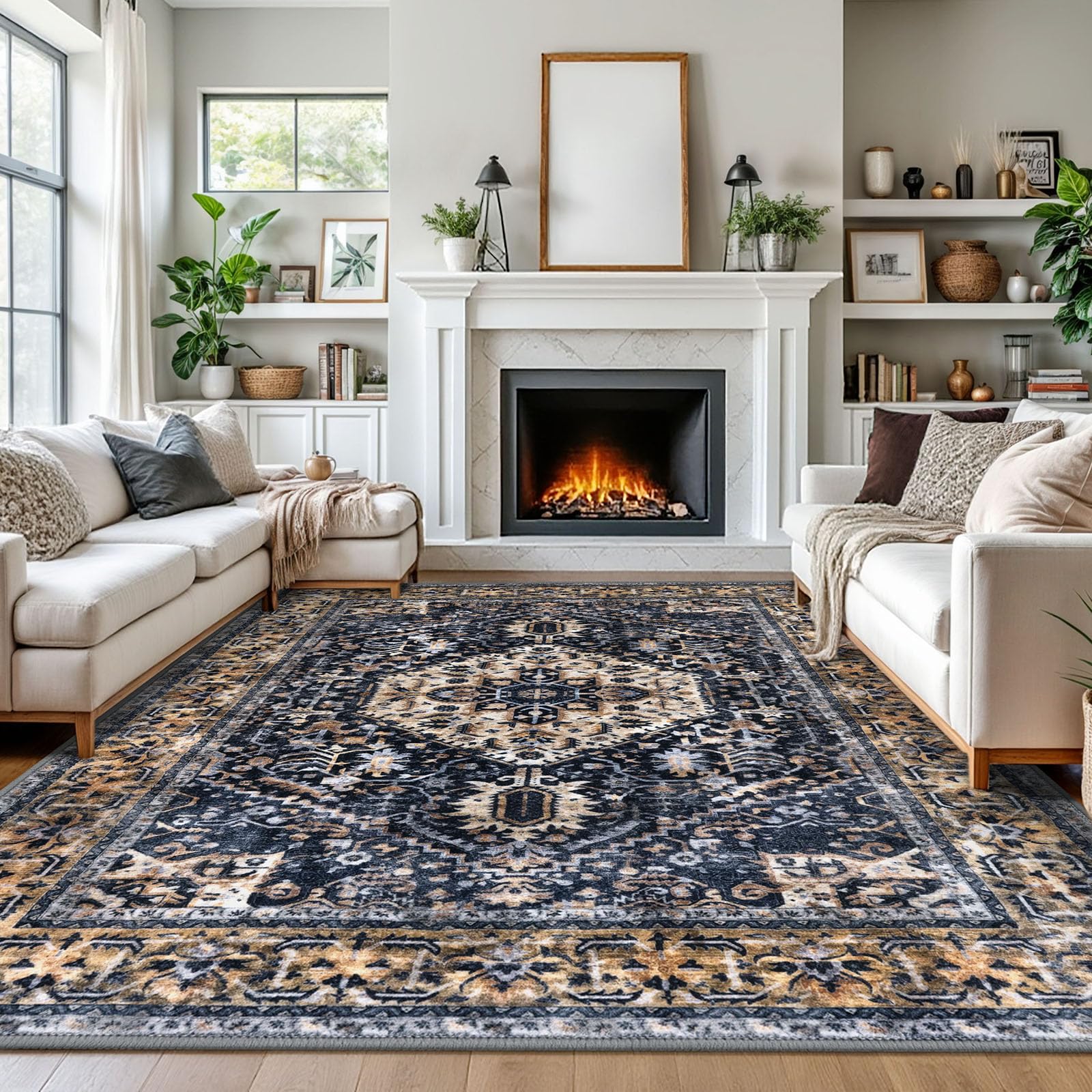


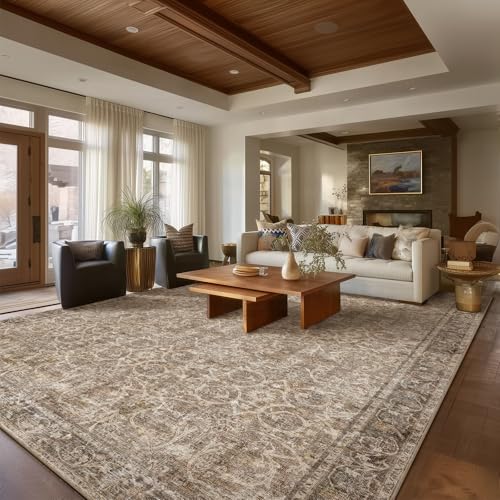
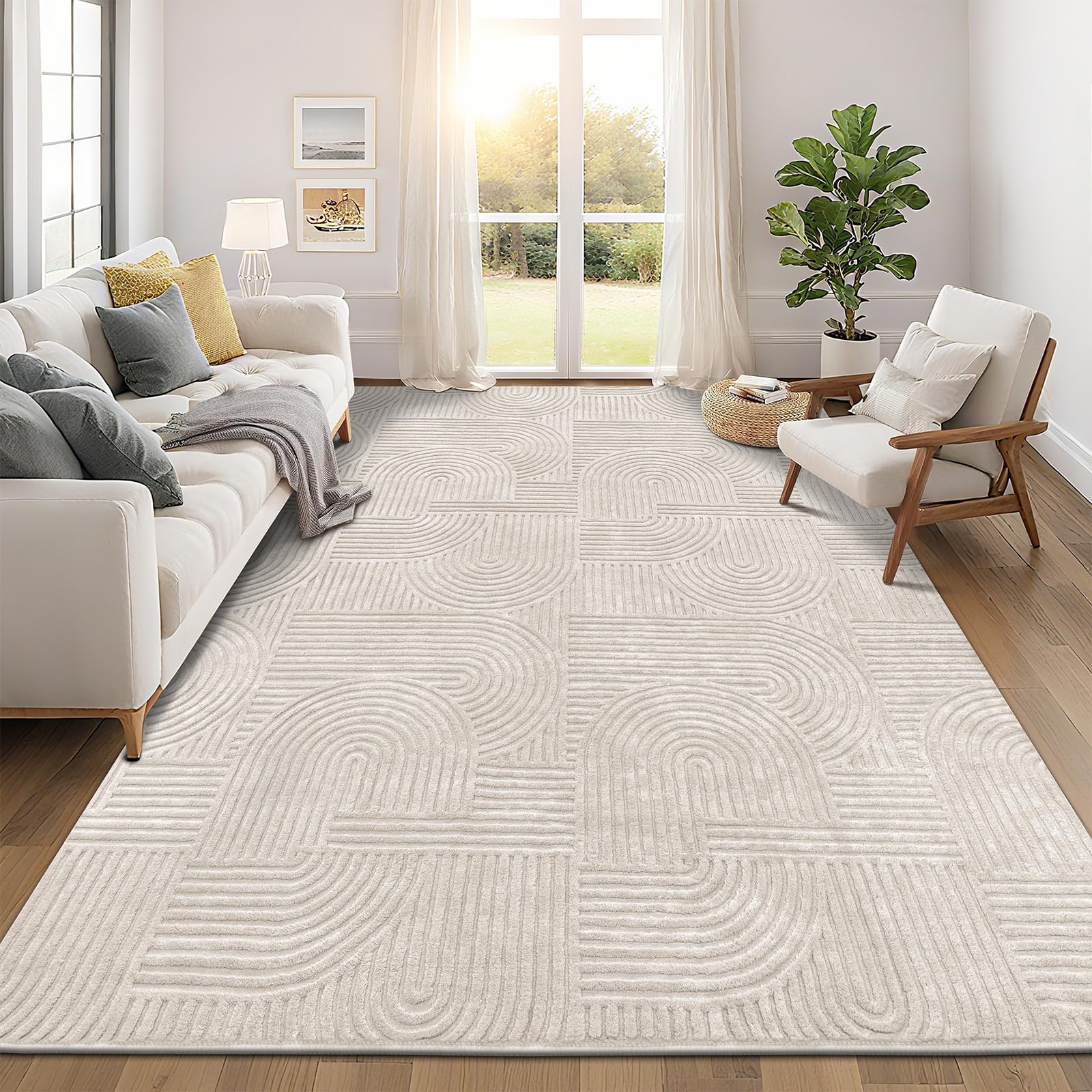
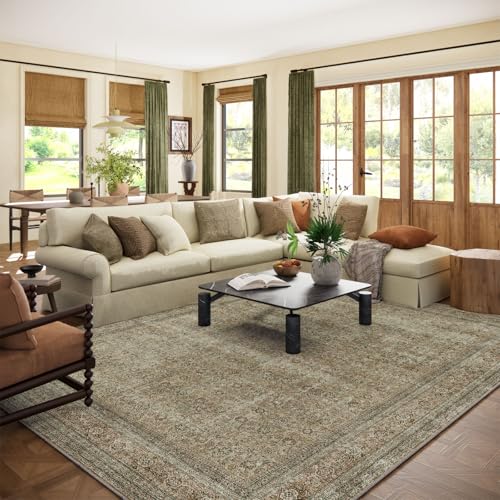
Three Buying Profiles at a Glance
The All Around Profile
The all around dining choice is a low to medium pile rug, about a quarter to a third inch thick, in a stain friendly synthetic or wool blend, sized at least 24 inches beyond the table on all sides. Chairs glide, crumbs vacuum up, and the pattern hides small marks between cleanings. Expect about $120 to $300 for a rug that seats six. The limit is plushness, since dining rugs trade softness for chair movement. This profile suits most family dining rooms used every day.
The Value Profile
The value route is a flat weave or very low pile synthetic rug, often about $60 to $150 for common dining sizes. Flat weaves shrug off chair traffic, cost less in large sizes and clean easily after spills. You give up cushion and sound softening, and light colors will show stains sooner, so choose a patterned midtone. This profile works well for renters, first dining sets and homes with toddlers where the rug may be replaced as habits change.
The Premium Profile
The premium choice is a dense wool rug with a tight low pile and a quality pad, often about $300 to $600 or more for large sizes. Wool resists crushing from chair legs, repels many spills long enough to blot them and looks refined for formal rooms. Care takes more effort and professional cleaning costs more. Choose this profile when the dining room is a long term space for hosting and you want a rug that holds its look through years of gatherings.
How to Choose the Best Area Rugs for Under Dining Room Table
Features That Matter for Under Dining Room Table
Chair movement rules every decision here. Add at least 24 inches to each side of your table, and 30 inches if chairs are large or your room allows it, so back legs stay on the rug when guests sit down. Keep pile low and dense so legs slide rather than dig in. When you compare the best area rugs for under dining room table options, size and pile height matter more than fiber brand names or decorative borders.
Material
For dining rugs, material means fiber and weave. Polypropylene handles red wine, juice and pet accidents with the least stress, and it wipes clean with mild detergent. Wool costs more but resists soiling naturally and springs back from chair dents. Blends try to balance both. Avoid silk look viscose in busy dining rooms, because it marks easily with water and flattens under chairs. A woven back or dense tuft both work if the pile stays low and the pad holds the rug steady.
For a broader look at table focused options, see our guide to the best rugs under dining room table for extra shape ideas for round and extendable tables.
Safety Labels
An OEKO TEX style label means the rug was screened for certain harmful substances, a sensible check for a room where children eat and sometimes play on the floor. It does not rate stain resistance or durability, so use it as a final safety check. Low odor matters too, since dining rooms are enclosed and used for long meals. Air a new rug for a day if it arrives with a strong packaging smell, and keep the room ventilated during that first day.
Pad and Edge Support
Under a table, you want a surface that stays smooth under chair legs and feet. A thin felt pad adds slight cushion without the rocking feel of a thick foam pad, and it stops the rug from creeping as chairs move. Edge support matters at the rug border, where a pad cut about an inch smaller than the rug lets the edge taper down, so chair legs and shoes do not catch a lifted lip. If an edge curls, flip and weight it rather than taping it.
Pile Height and Chair Movement
The real dining test is to sit, scoot and stand. Low pile under about a third inch lets wood and metal chair legs glide, while tall pile traps legs and collects crumbs deep in the fibers. Try a sample or use the return window to try your actual chairs. Hosts who use benches need even more extension on the bench side, because benches slide straight back. Armchairs at the table ends need extra width as well.
Warmth and Breathability
Dining rugs do not need special climate features, but room comfort still counts. A dense rug insulates a cold floor during long winter meals, which guests notice. In a warm sunny room, a flat weave feels cooler and dries faster after mopping around it. Breathability matters most over wood floors, where a pad that allows some air flow reduces moisture risk after spills. Whatever you choose, dry the rug and pad fully after any large spill before the next use.
If you are comparing nearby options, our guide to the best rugs for dining room table looks at table shapes, while our guide to the best area rugs for dining room covers whole room layouts beyond the table zone.
Types of Area Rugs
Flat Weave Rugs
Flat weaves are the easiest dining choice for chair movement and crumb cleanup. They lie smooth, cost less in big sizes and work with almost any pad. They feel firm underfoot and offer little sound damping, so pair them with a felt pad in echo prone rooms. Busy patterns hide daily wear best.
Low Pile Tufted Rugs
Low pile tufted rugs add a little softness and warmth while still letting chairs move. They suit family dining rooms that double as homework and project space. Choose dense construction so chair legs do not leave deep tracks, and vacuum with suction or a high beater setting to protect the tufts.
Wool Rugs
Wool is the long term dining material. It resists stains better than most people expect because liquids sit on the fiber surface briefly, giving you time to blot. It costs more and needs gentler cleaners, but it keeps its texture under heavy chair use. A wool rug suits formal rooms and households that host often.
Washable Rugs
Washable low pile rugs take the stress out of meals with young children. You trade some body and warmth for the ability to machine wash after a major spill. Check the rug size against your machine capacity, and confirm the grip layer works with your floor. Larger washable rugs may need a commercial machine at a laundromat.
Kitchen tables face similar chair and spill issues, so our guide to the best area rugs for under kitchen table is a useful cross check, and our guide to the best rugs for dining area covers open plan dining zones.
Care and Maintenance Tips
- Blot, never rub. Rubbing pushes food and drink deeper and spreads the stain.
- Vacuum after gatherings. Crumbs ground in by chairs wear fibers faster than foot traffic.
- Lift chairs weekly to check the pad. A shifted pad causes wrinkles that catch chair legs.
- Rotate the rug twice a year. This evens out the heavy wear at the most used seats.
- Use chair glides. Smooth felt glides protect both the rug pile and the chair legs.
Frequently Asked Questions
What features matter most in area rugs for under dining room table?
Size extension and low dense pile matter most. The rug should reach at least 24 inches past the table on every side so chair legs stay on it, and the pile should stay under about a third inch so chairs glide. Add a thin felt pad for grip, choose a pattern that hides crumbs, and pick a fiber you can clean without stress.
How often should I replace my area rug?
Replace a dining rug when chair paths look worn flat, stains no longer lift, or edges curl and catch legs. Busy family dining rugs often last about four to seven years, while a wool rug with rotation can last much longer. If only the pad has compressed or shifted, replace the pad first and reassess the rug.
Will a rug make a dining room too warm?
Not usually. A flat weave rug feels cooler and dries faster in a warm room, while a denser low pile rug insulates a cold floor during long meals. Choose by your floor temperature and spill habits.
Does pile density matter more than thickness?
Yes for dining rugs. A tight flat weave or dense low pile sheds crumbs and survives chair legs better than a loose tall pile. Weight for the size is a handy proxy, since heavier usually means more material packed in.
What pile feels steady when serving and clearing?
A low pile rug over a thin felt pad feels steady when you stand to serve or clear, without the wobble of thick padding. Keep edges flat to reduce trip risk, and ask your doctor if standing causes ongoing discomfort.
Our Verdict
Measure first, then choose pile, then pick a pattern you can live with after real meals. Extension past the table, low dense pile and a grip pad do more for daily comfort than any decorative detail. Use the product table above to check sizes against your tape measurements, and the best area rugs for under dining room table choice for your home will be the one your chairs glide on at breakfast and your guests never notice at dinner.