Best Area Rugs for Basements 2026: Beat Damp and Cold Floors
Disclosure: We may earn a commission when you buy through links on this page, at no extra cost to you. As an Amazon Associate I earn from qualifying purchases. Learn more

Choose basement area rugs that handle moisture, concrete floors, and low light: materials, backing, cleaning, and mould prevention explained simply.
Picking the best area rugs for basements starts with moisture, not pattern. Basements sit partly below ground, so concrete floors run cold and damp air lingers, and a rug that thrives upstairs can trap moisture, smell musty, and grow mould below. This guide explains materials, backings, and care routines that keep a basement rug fresh and safe.
The comparison table below lists rug materials, backing types, and cleaning needs side by side. Use it to match a rug to your basement, whether it serves as a family room, a playroom, a gym, or a guest space. Before buying, check your basement for leaks, damp patches, and musty smells, since no rug fixes a water problem that needs repair first.
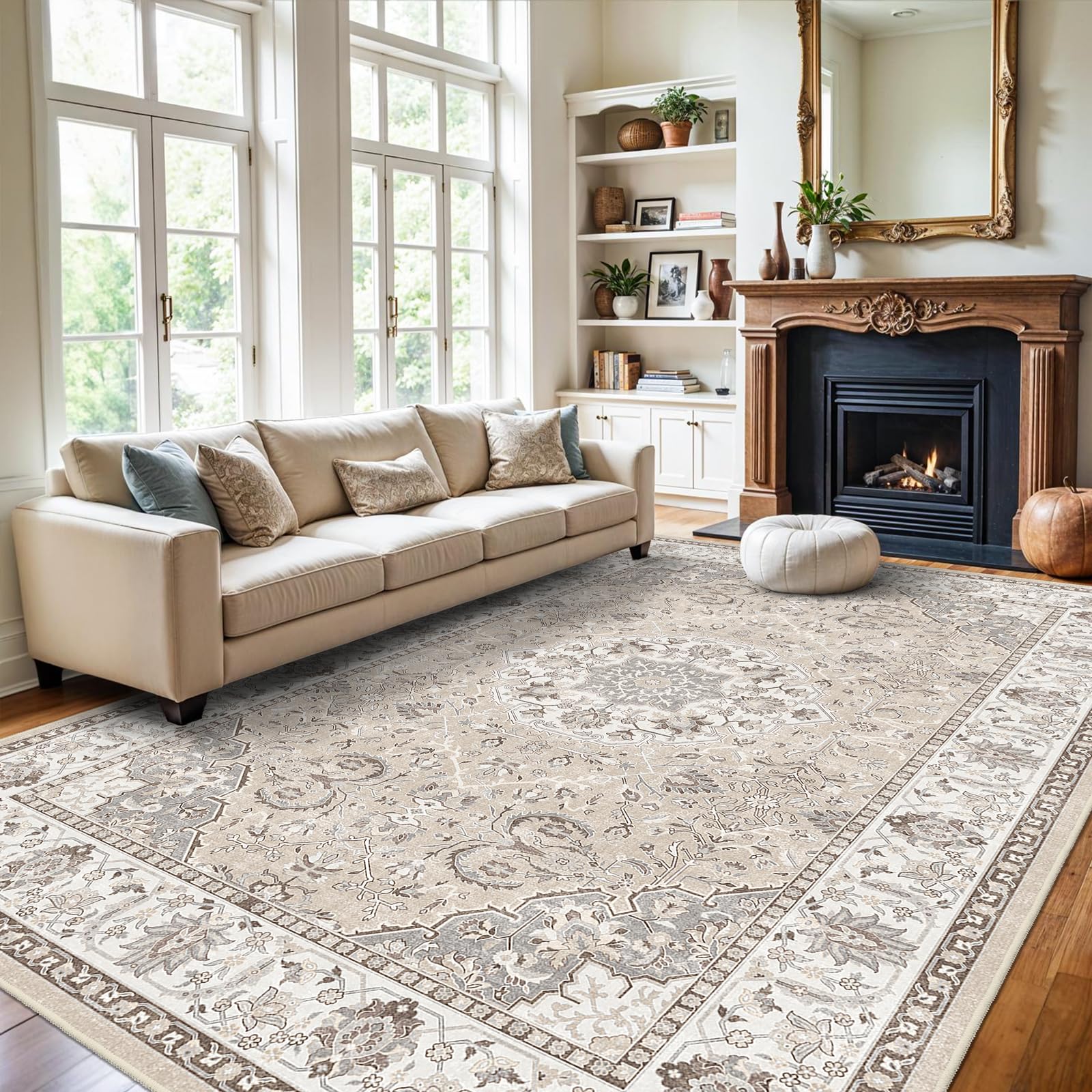

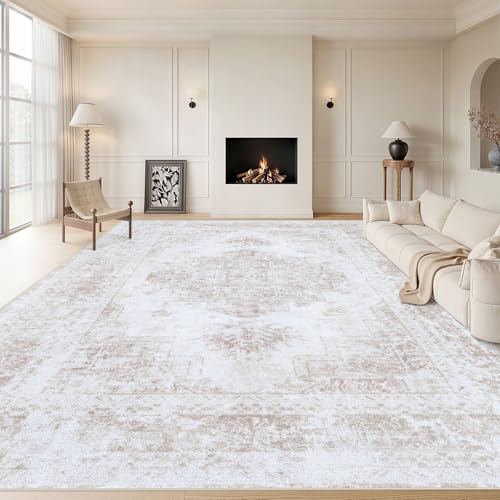
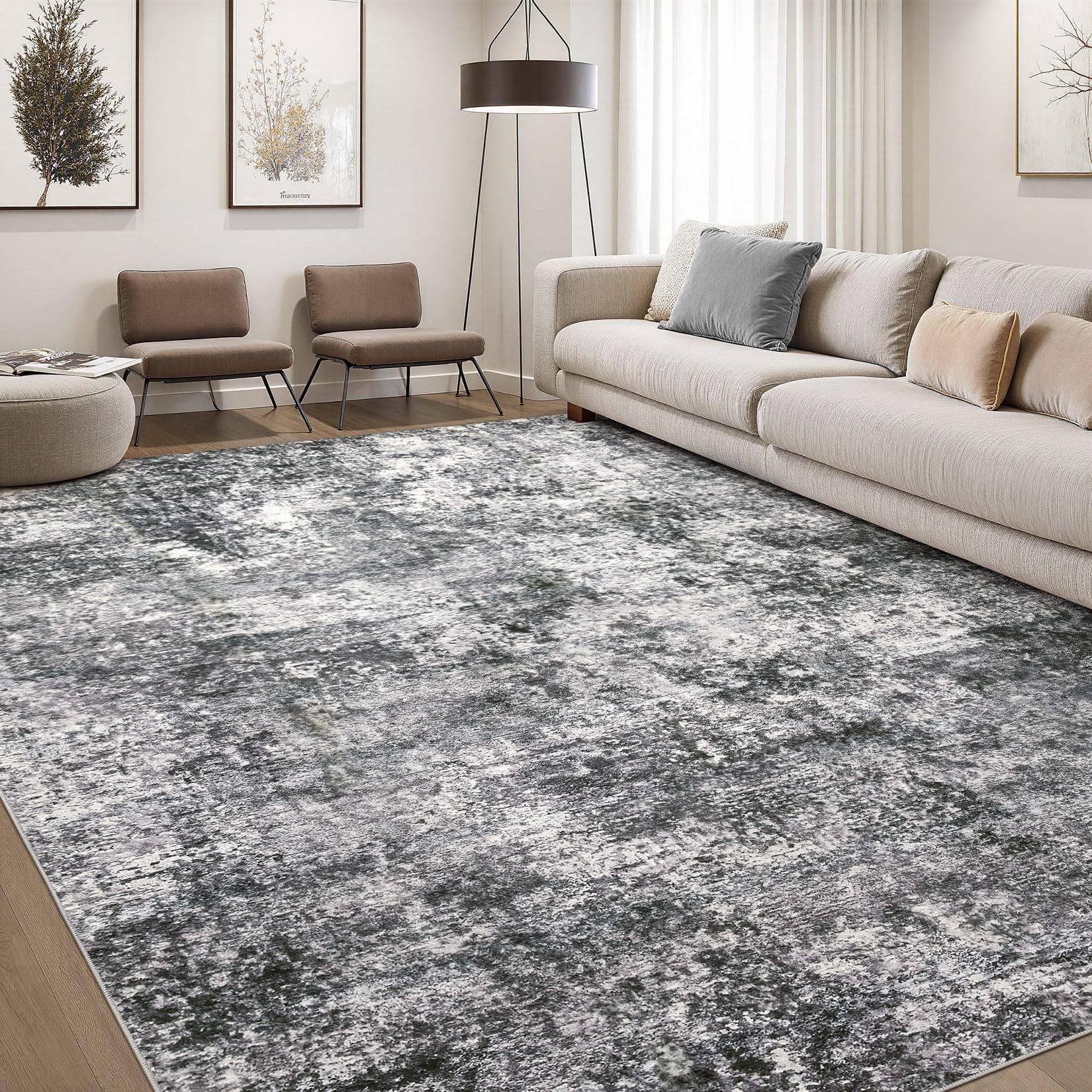






Moisture First, Pattern Second
Basement damp comes from ground moisture, condensation, and occasional leaks, and rugs sit directly in that path. A rug with a solid rubber backing can trap moisture beneath it, creating a hidden damp layer that feeds mould and odours. Breathable or open backings let moisture escape and let you lift the rug to check the floor, which matters more than any pattern choice.
Test your floor before buying by taping a square of clear plastic to the concrete for a day or two and checking for condensation beneath it. If moisture appears, improve drainage, ventilation, or dehumidification first, and choose a rug you can lift and dry easily. A rug should never hide a damp problem, since hidden damp damages floors, rugs, and air quality together.
Materials That Cope With Basements
Synthetic fibres such as polypropylene and nylon resist moisture, dry quickly, and clean easily, which suits basement life well. Polypropylene in particular resists staining and mildew, and it handles damp better than natural fibres. Nylon adds durability and a softer feel, though it costs more and still needs drying after any soaking.
Natural fibres need more care below ground. Wool feels warm and luxurious but absorbs moisture and can mildew if it stays damp, while cotton and jute absorb water readily and dry slowly. If you love natural fibres, use them only in dry, well ventilated basements, and lift them promptly after any spill or leak. For most basements, synthetics are the practical choice.
Backing, Pads, and Airflow
Backing decides whether moisture escapes or stays trapped. Open mesh or breathable backings suit basements, while solid latex or rubber backings suit dry rooms upstairs. A rug pad can add cushioning and insulation, but in a basement it must also breathe, so choose an open, moisture resistant pad rather than a dense felt pad that holds water.
Lift the rug and pad regularly to inspect the floor beneath, especially after rain or humid spells. Airflow under furniture matters too, since heavy furniture traps damp against the rug. Leave small gaps where possible, and run a dehumidifier in humid months to keep relative humidity in a healthy range for both the rug and the room.
Size, Layout, and Cold Floors
Basement floors feel cold, so a rug that covers the main seating or play area adds real comfort. Measure the furniture plan and choose a rug large enough for front legs to sit on it, which anchors the room visually and keeps feet off cold concrete. Very large rugs are harder to lift for drying, so balance coverage against the practical need to move the rug for cleaning and checks.
Low light affects colour choice, since dark basements dull deep colours and make rooms feel smaller. Lighter tones and simple patterns brighten the space and show dirt sooner, which actually helps cleaning routines. Avoid very pale rugs in playrooms or gyms, where dirt and scuffs appear fast, and choose a mid tone that hides light soiling while still lifting the room.
Cleaning and Mould Prevention
Vacuum basement rugs often, including edges and beneath furniture, since dust and damp together encourage odours. Deal with spills at once by blotting and drying thoroughly, using fans and airflow rather than sealing the room. A wet rug left to dry slowly in a closed basement is a mould risk, so speed matters more than cleaning products.
Watch for musty smells, discolouration, or allergy symptoms that worsen in the room, since these can signal mould beneath the rug. If mould appears, remove the rug, clean the floor, and address the moisture source before replacing it. Never place a new rug over a damp or mouldy floor and hope the problem fades, since it will return and damage the new rug too.
When to Skip a Rug Entirely
Some basements suit hard flooring better than rugs, especially rooms with recurring leaks, standing water, or very high humidity. In those cases, washable mats in small zones, such as beside a sofa or a play table, give comfort without covering large damp areas. Small mats lift easily for washing and drying, and they let you monitor the floor beneath.
If your basement serves as a gym, choose mats designed for exercise rather than a large decorative rug, since sweat and heavy equipment need a surface built for that load. Whatever you choose, keep the focus on dryness first. A basement that stays dry makes any rug choice easier, while a damp basement punishes even the best rug quickly.
The broader guide to rugs for basement covers room types, from playrooms to guest spaces, in more detail. best rugs for basement
For construction and durability detail, the guide to quality area rugs explains pile, weave, and backing across rug types. best quality area rugs
Dining zones need stain resistance, and the guide to rugs for dining area looks at spill care and chair movement. best rugs for dining area
Machine washable options feature in the guide to washable area rugs, with notes on drying and backing care. best washable area rugs
Cleaning tools matter below ground, so the guide to vacuum for area rugs covers suction and brush settings for different piles. best vacuum for area rugs
Frequently Asked Questions
Can I put a normal living room rug in a basement?
A normal rug can work in a dry, well ventilated basement, but it risks moisture damage in a damp one. Wool and cotton rugs absorb water and dry slowly, while solid backings trap damp beneath the pile. Choose moisture resistant synthetics with breathable backing for most basements, and lift the rug regularly to check the floor. Fix leaks and humidity first, since no rug survives a genuinely wet floor.
How do I stop a basement rug smelling musty?
Musty smells usually mean trapped moisture, so lift the rug, dry the floor with fans, and improve ventilation or dehumidification. Vacuum often, clean spills promptly, and avoid solid rubber backings that seal damp underneath. If the smell persists after thorough drying, the rug or pad may hold mould and need replacement. Address the moisture source before laying a new rug, or the smell will return.
Do I need a rug pad in a basement?
A pad adds cushioning and insulation on cold concrete, but it must breathe and resist moisture. Choose an open, synthetic pad rather than dense felt, which holds water and feeds mould. Lift the pad with the rug during regular floor checks, and replace it if it stays damp or smells. In very damp rooms, a small washable mat without a pad may prove more practical.
What rug size suits a basement family room?
Choose a rug large enough for the front legs of sofas and chairs to sit on it, which anchors the seating area and keeps feet off cold concrete. Measure the furniture plan rather than guessing, and leave a margin of floor visible around the rug for balance. Very large rugs are harder to lift for drying, so weigh coverage against the need to move the rug for cleaning and floor checks.
Are washable rugs good for basements?
Washable rugs suit basements well, since you can launder them after spills, damp spells, or musty episodes. Check that the rug truly fits your machine and that the backing survives washing without stiffening. Air dry fully before relaying, since a damp rug returned to a basement floor restarts the moisture cycle. Keep a spare rug so the room stays usable during washing and drying.
Final Thoughts
The best basement rug resists moisture, breathes enough to let you check the floor, and dries quickly after spills. Synthetics with open backings suit most basements, while natural fibres suit only dry, well ventilated rooms. Regular lifting, vacuuming, and drying keep the rug fresh and protect the floor beneath.
Use the product table above to compare materials and backings, then fix damp and ventilation before you buy. A dry basement makes every rug choice easier, and a rug you can lift, clean, and dry will serve a below ground room far longer than a beautiful rug that traps moisture.
Use this guide when you compare the best area rugs for basements choices above, and let fit, features, and honest needs guide the final call.