Best Archery Hunting Boots for 2026: A Buyer Checklist
Disclosure: We may earn a commission when you buy through links on this page, at no extra cost to you. As an Amazon Associate I earn from qualifying purchases. Learn more

Bowhunters get a clear checklist for the best archery hunting boots: quiet soles, insulation, fit, scent control and what each budget buys.
Archery season asks more of a boot than rifle season does. You close the distance on foot, often in the dark, and every snapped twig or squeaky sole can end a stalk. This checklist breaks down the best archery hunting boots by the traits that keep you quiet, warm, and steady on uneven ground.
You will see how to judge soles, insulation, fit, and scent control before you spend, plus the warning signs of a boot that will let you down by mid season. The product table lines up the picks side by side.


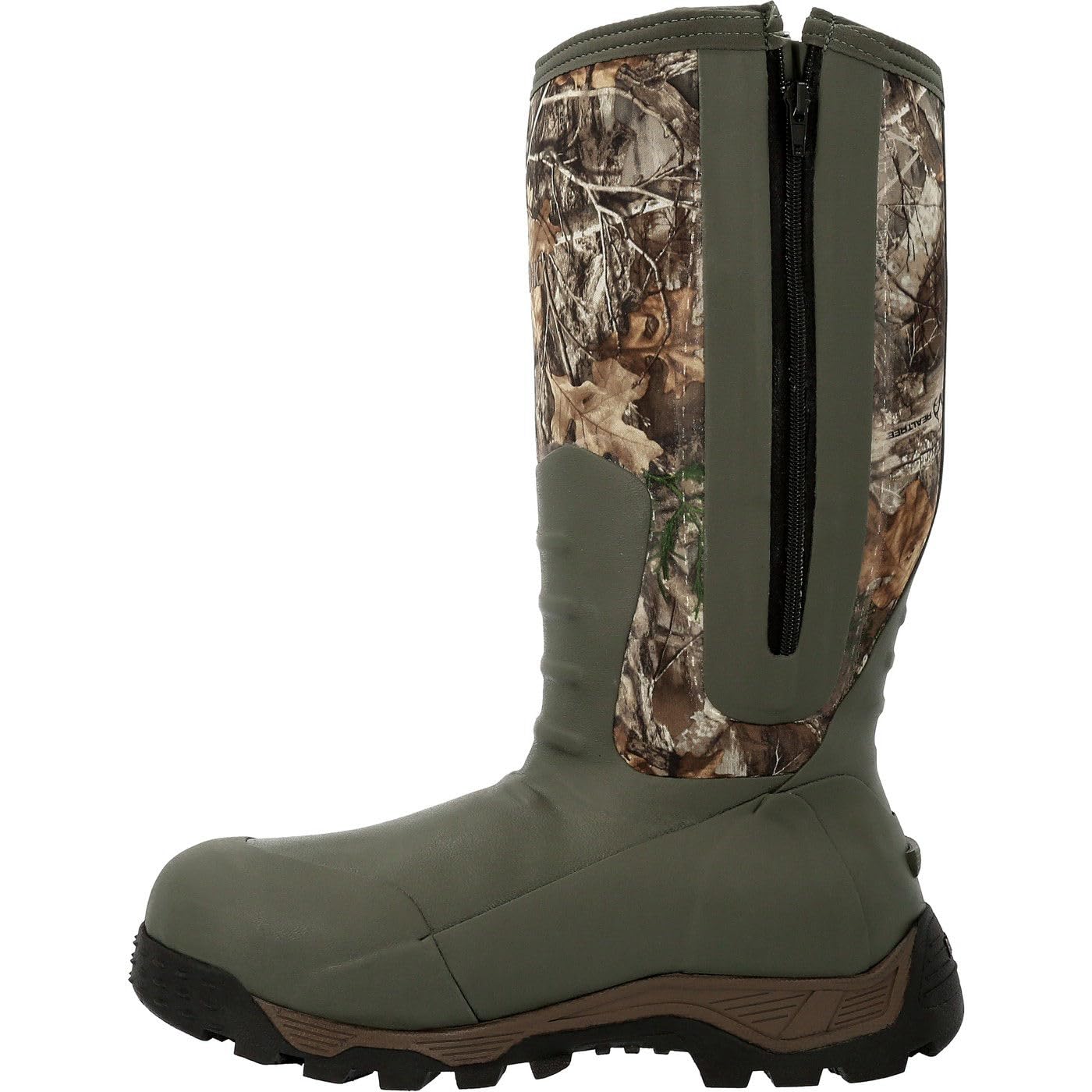

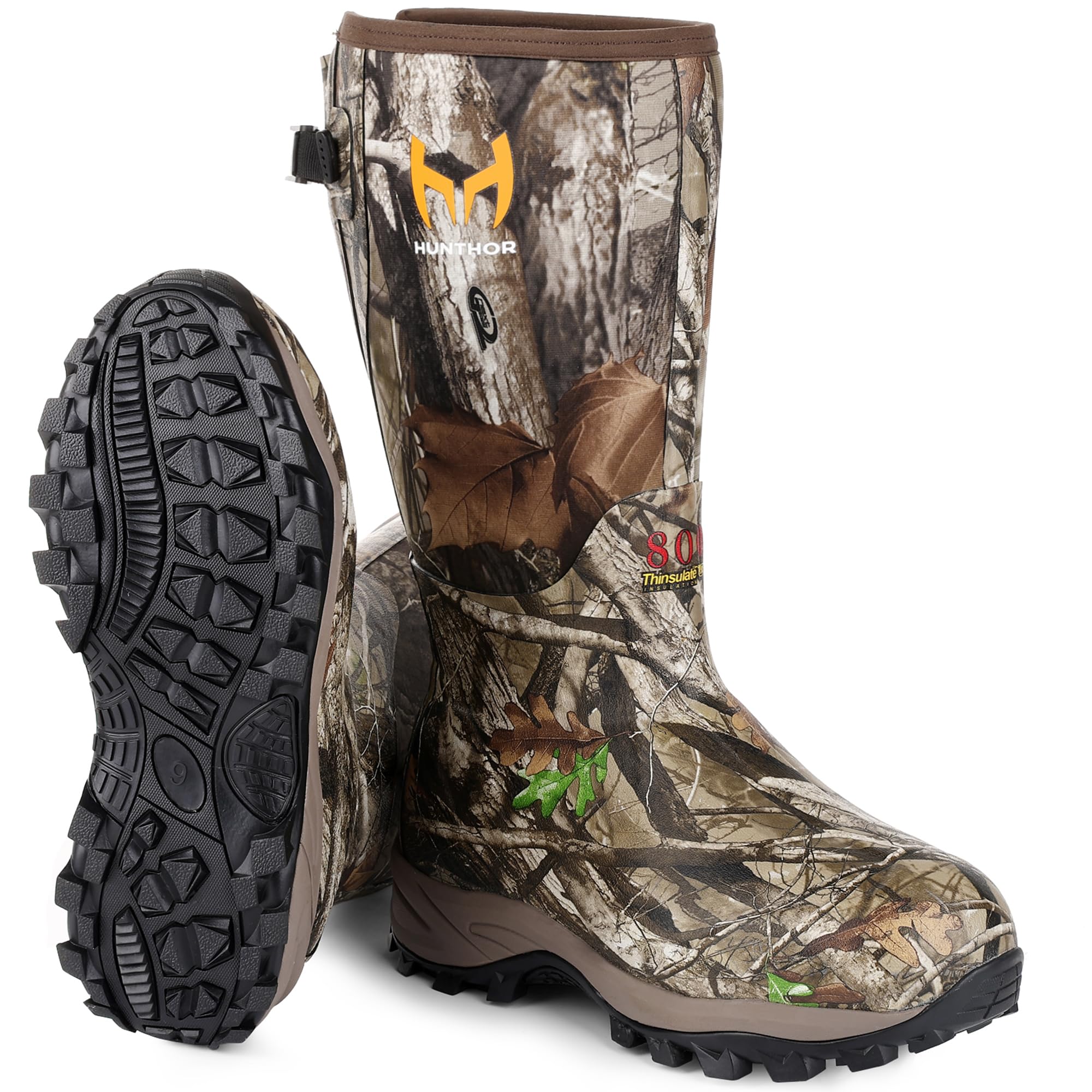
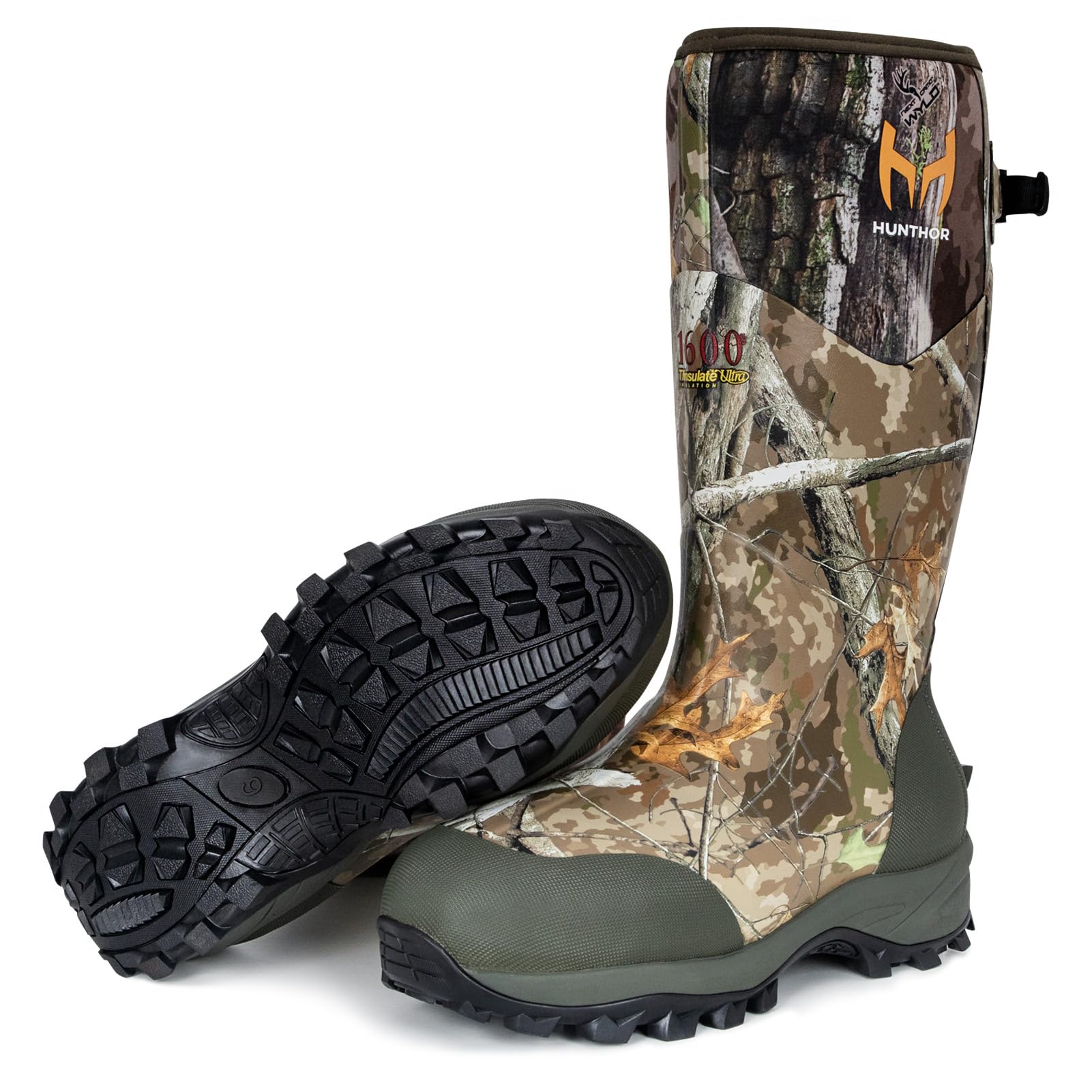

The Checklist: Key Features to Compare
Score any boot against these six checks, in this order. A boot that fails the quiet test fails the whole list, no matter how warm it is.
Hunting Style and Terrain
Treestand hunters sit still for hours, so they need insulation and a sole that grips ladder steps without scraping. Spot and stalk hunters walk far and finish close, so light weight and a flexible sole that lets you feel twigs before they snap matter more. Ground blind hunters fall between the two, and those heading into steep elk country should see our guide to the best boots for archery elk hunting. Check local hunting rules before the season, since some states require blaze orange during overlapping firearm seasons, and no boot replaces safe hunting practice.
Quiet Soles and Scent Control
Soft rubber compounds flex quietly over sticks and dry leaves, while hard lugged soles can crunch with every step. Look for shallow, closely spaced tread on stalking styles and deeper tread only if your ground is steep or muddy. Scent control linings and rubber uppers hold less odor than plain leather, but no boot is fully scent proof. Quiet feet and hunting into the wind still decide most close encounters.
Materials and Construction
Full grain leather is tough and molds to your foot over a season, but it is heavier and needs regular care. Synthetic panels cut weight and dry faster after creek crossings, though they scuff sooner on rock. Full rubber boots are waterproof and kind to scent control, yet they offer less ankle support on side hills. A waterproof membrane in a lace up boot keeps water out while adding warmth, so early season hunters may find it hot.
Insulation Weight and Warmth
Insulation is rated in grams, and the right amount depends on how much you move. Uninsulated boots suit early season stalks, about 400 grams fits cool sits in a stand, and 800 to 1,200 grams serves late season sits in cold states. Too much insulation makes walking feet sweat, and damp socks chill fast once you stop. Match the rating to your coldest planned hunt, then adjust with sock weight on milder days.
Fit, Sizing, and Ankle Support
Try boots on with the socks you actually hunt in, late in the day when feet have swollen a little. Your heel should lock in place without lifting, and toes need room to spread on downhill walks. Shaft heights of about 8 to 10 inches support ankles under a pack, while taller rubber styles protect in swamps but can chafe. If foot pain lingers after hunts, or numbness in your toes does not fade within a day, see a doctor rather than blaming the boots.
Durability and Warranty
Seams at the flex point above the toes fail first, so look for double stitching or a protective toe cap there. Cemented soles are lighter, while stitched soles can often be repaired by a cobbler. Most makers warranty boots for about one year against defects, and longer coverage is a good sign of confidence. Keep your receipt, since warranty claims on hunting boots usually need proof of purchase.
What Your Budget Buys
Most archery boots sell between about $80 and $350, inside the wider market covered by our guide to the best hunting boots. Extra money mainly buys better insulation, lighter materials, and longer warranties rather than a different kind of boot.
Ground Level Money: About $80 to $140
Entry level boots are usually synthetic or plain rubber, with light insulation and basic scent control. They handle early season hunts and short walks to a stand well. Expect glued soles, modest ankle support, and about one to two seasons of regular use. For a new bowhunter trying the sport, this tier makes sense, as long as you accept that late season cold will end your sits early.
The Long Season Middle: About $140 to $220
This tier adds real waterproof membranes, better scent control linings, and stitched or higher grade soles. Insulation options widen, so matching a boot to your season gets easier. Most hunters find this the honest value zone: warm enough for November sits, quiet enough for stalking, and durable for about two to four seasons. If you bowhunt more than a few weekends a year, start your shopping here.
Cold Country Money: About $220 to $350
Premium boots combine high gram insulation with light weight, premium leather or advanced synthetics, and the best ankle support. They shine on late season sits in northern states and on western hunts that mix long walks with long waits. You also tend to get longer warranties and better lacing hardware. Pay this much only if cold or rough ground has cut your hunts short before, because the warmth is wasted on mild early season hunts.
Quick Buyer Checklist
- Can you flex the sole by hand without it feeling stiff as a board?
- Does your heel stay locked when you walk downhill on a ramp or slope?
- Is the insulation matched to your coldest planned hunt, not your average day?
- Did you try the boots on with your hunting socks, late in the day?
- Does the maker state a waterproof membrane or a full rubber build?
- Is the return window long enough for a weekend walk at home?
Red Flags to Watch For
- Insulation described only as warm or extra warm, with no gram rating listed anywhere.
- A sole so stiff you cannot feel the ground through it, which means noisy steps on stalks.
- No stated waterproofing method on a boot sold for late season use.
- A warranty shorter than one full season, or no return option for unworn boots.
- Strong chemical odor out of the box that does not fade after airing, which game can catch downwind.
How to Make Your Archery Hunting Boots Last Longer
- Clean off mud and air dry your boots after every hunt, away from direct heat that cracks leather and rubber.
- Store boots out of direct sun and away from extreme heat, such as a hot truck cab between hunts.
- Check soles, seams, and laces for wear before each use, so small damage never ruins a hunt.
- Condition leather uppers once a season to stop them drying out and cracking at the flex points.
Frequently Asked Questions
Are premium archery hunting boots worth the money for a beginner?
For most beginners, not yet. A mid priced boot covers early and mid season hunts while you learn how far you walk and how long you sit. Premium warmth and light weight only pay off once cold or distance starts ending your hunts. Spend the savings on practice arrows and a spare release, then upgrade boots in your second or third season with a clear idea of what your first pair lacked.
How long do archery hunting boots last before the soles wear smooth?
Most archery hunting boots last about two to four seasons of regular use before the sole tread rounds off and quiet steps get harder. Soft stalking soles wear fastest on gravel and pavement, so save them for dirt and leaf litter. Leather uppers often outlast the soles, which is why stitched soles that a cobbler can replace add real value. Retire boots when the heel counter collapses, since support loss leads to rolled ankles.
Can I wear archery hunting boots for rifle season or hiking?
Yes, and many hunters do, since the same insulation and support serve both seasons. The trade off is noise: rifle hunting rarely needs a soft, quiet sole, and soft soles wear faster on rocky hiking trails. Scent control linings do no harm on the trail, but they add cost you may not need for summer hiking. If you hike often, a second, firmer pair will save your hunting boots for the season that matters.
How do I keep archery hunting boots scent free between hunts?
Store them in a sealed plastic tote with a lid, away from garage fumes, fuel, and cooking smells, which rubber and leather absorb easily. Air them outdoors after each hunt before sealing the tote, since trapped moisture grows odor of its own. Some hunters add baking soda or carbon scent pads inside the tote. Never store hunting boots next to work boots or scented laundry products, because the fabrics pick up those smells within days.
What size archery hunting boots should I order online?
Order your measured size first, and if the retailer allows it, order a half size up as well, then keep the pair that fits with your thickest hunting socks. Your toes should clear the front on a downhill slope check, and heel lift should stay under about a quarter inch. Many boot brands run narrow, so wide feet should look for wide sizes rather than sizing up in length. Try them indoors on carpet so returns stay simple.
The Bottom Line
Quiet soles, honest insulation, and a locked heel fit matter more than any brand story. The best archery hunting boots for you are the ones matched to your style of hunting and your coldest day, not the priciest pair on the shelf. Work through the checklist, compare your shortlist in the product table, and break your boots in well before opening day.