
The Best Arch Support Indoor Slippers: A Buying Guide for 2026
Disclosure: We may earn a commission when you buy through links on this page, at no extra cost to you. As an Amazon Associate I earn from qualifying purchases. Learn more

A friendly buying guide to the best arch support indoor slippers, with fit advice, cushioning and support explained, care tips, and price guidance.
Hours at home still count as hours on your feet, and hard kitchen tile does not care that you took your shoes off. If your arches ache by evening, the best arch support indoor slippers can make home feel like rest again instead of a slow shift on concrete.
This guide covers fit, cushioning, and support in plain terms, what each price tier really buys, and the small details that decide whether a pair still feels good in month six. Use the comparison table below to compare shapes and soles as you read.
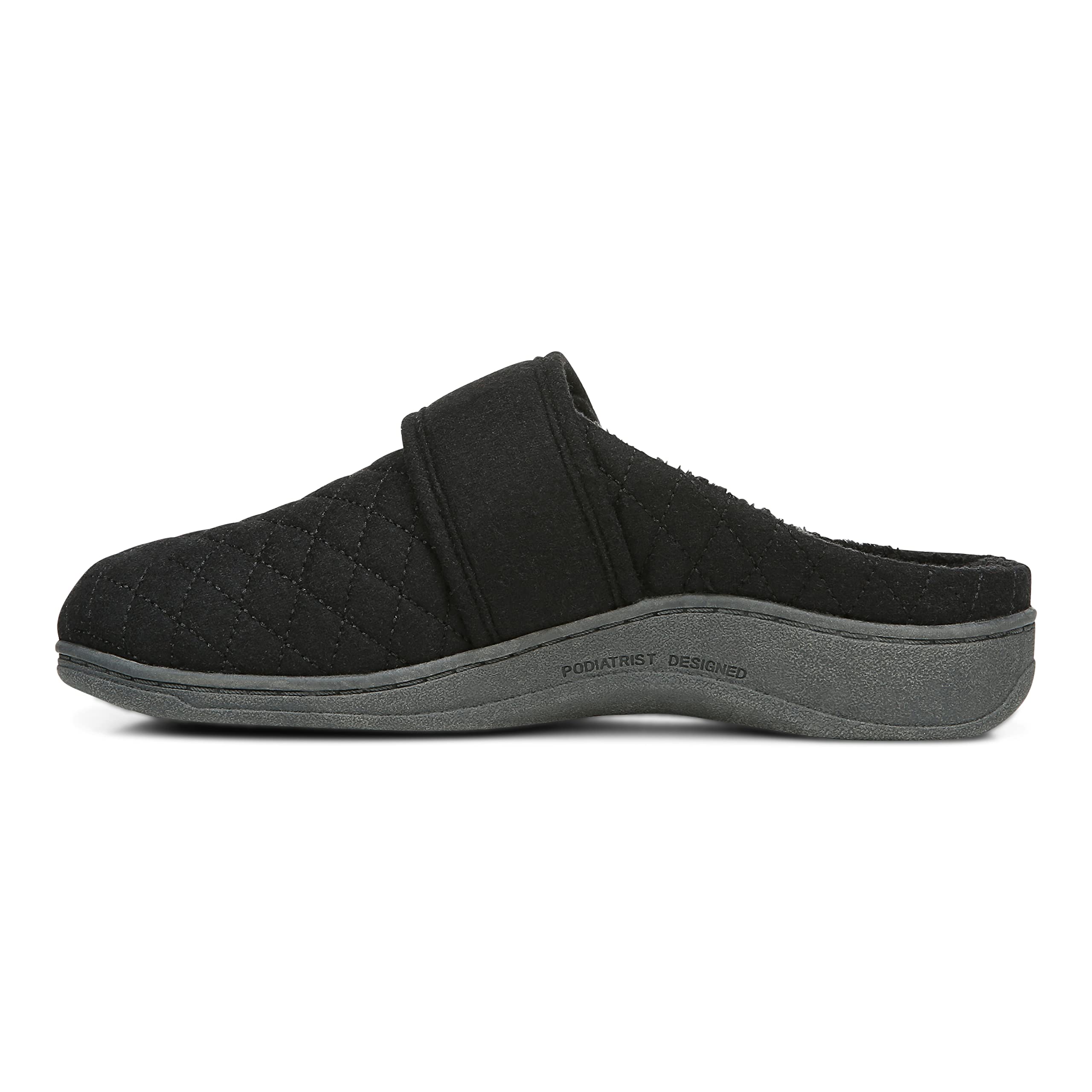
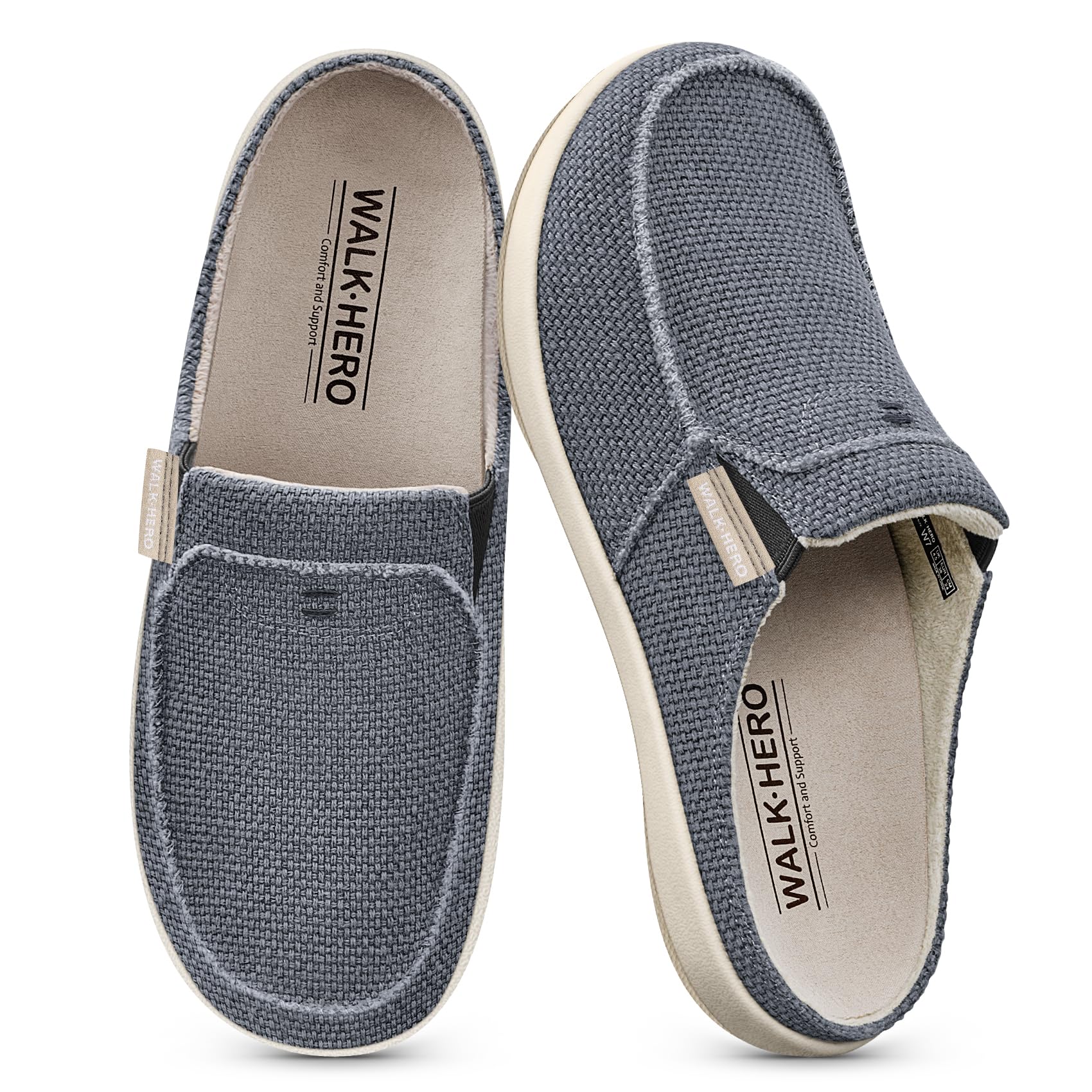

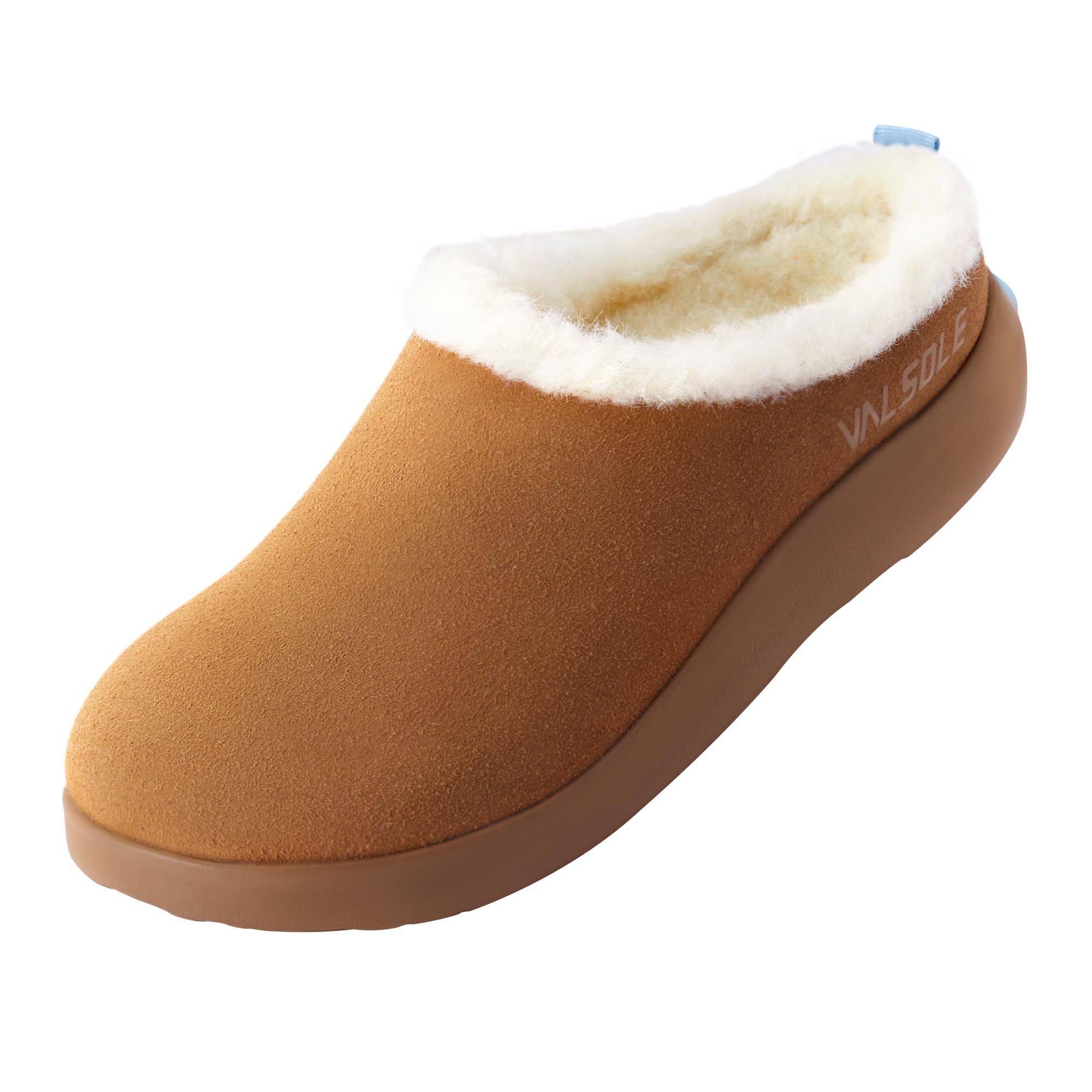


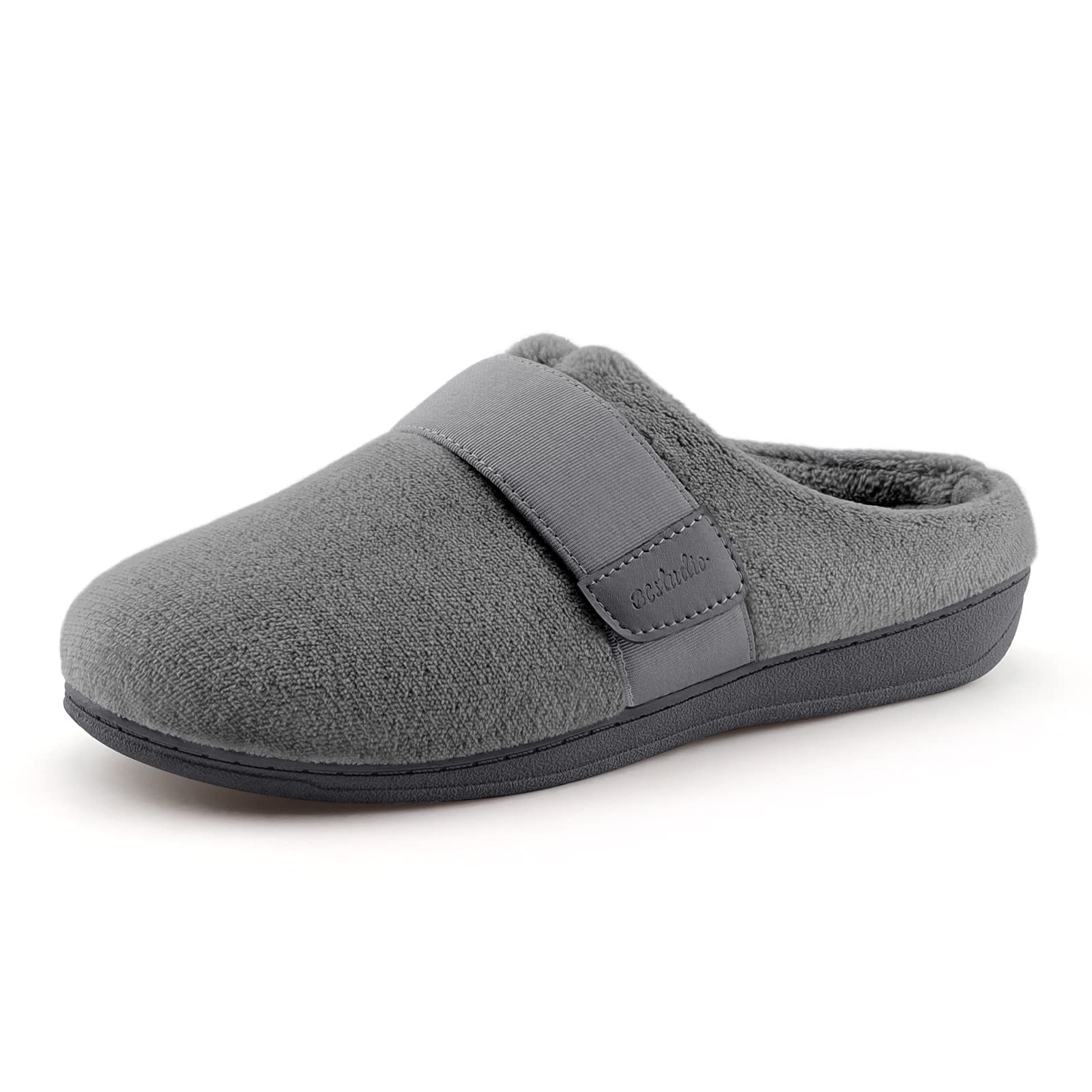

Price Tiers at a Glance
Budget Tier
Budget slippers, usually under $30, give you a foam footbed with a gentle arch bump and a soft upper. They suit light use, guest rooms, and short morning routines. The limits show up fast with daily wear: thin foam packs down within a few months, the arch flattens, and flimsy soles offer little grip on smooth floors. Buy this tier to test whether supported slippers help your feet at all.
Mid Range Tier
Mid range slippers, about $30 to $60, are the sweet spot for most homes. Expect a molded footbed with a real arch contour, a deeper heel cup, and a firmer outsole you can trust for a quick trip to the mailbox. Uppers get sturdier, and many pairs add removable insoles. For all day home wear, this tier delivers the support and durability that budget pairs promise but rarely keep.
Premium Tier
Premium slippers, about $60 to $120, use higher grade foams or cork style footbeds that mold to your feet, quality suede or wool uppers, and outsoles built like light shoes. They suit people with ongoing foot pain, those who work from home on hard floors, and anyone replacing worn slippers every season. You are paying for materials that hold their shape for a year or more, not for a label.
How to Choose Arch Support Indoor Slippers: Buying Guide
Fit, Sizing, and Toe Box
Measure your feet in the afternoon, when they are at their largest, and match the numbers to the brand size chart rather than your usual shoe size, because slipper sizing varies a lot. Your heel should sit fully inside the heel cup, not perched on its back edge. Look for a toe box wide enough for your toes to spread naturally; cramped toes change how your arch loads and can undo the support you paid for. If you fall between sizes, size up and use thicker socks.
Break In Period and Comfort Out of the Box
A supportive footbed should feel present, not painful, on day one. Molded arches often feel firm for the first few days while your feet adjust, and cork or foam footbeds gradually take your shape over one to two weeks. Wear new slippers for a few hours at a time at first. Sharp pain, numbness, or a feeling like standing on a golf ball means the arch shape is wrong for you, and no amount of patience fixes a mismatch.
Weight and Flexibility
Lightweight slippers feel effortless and suit quick on and off wear around the house. Heavier, structured pairs protect better on hard floors and during long cooking or cleaning sessions. The sole should flex at the toes so your foot can push off naturally, while staying stiff through the arch; a slipper that folds in half at the middle is offering cushioning, not support, whatever the label claims.
Waterproofing and When You Actually Need It
Most indoor slippers are not waterproof, and for pure indoor use that is fine. What helps in real homes is a water resistant upper that shrugs off kitchen splashes and a sole that will not soak through on a wet bathroom floor. Fully waterproof membranes like those in outdoor shoes add warmth and reduce breathability, which most feet do not want indoors. If you regularly step outside in your slippers, look at the guide to the best indoor outdoor slippers with arch support for models built for both worlds.
Cushioning and Support
Cushioning absorbs impact; support controls how your foot moves. You need both, in balance. A thick, soft footbed with no contour lets your arch collapse slowly all evening, while a hard contoured footbed with no cushioning can bruise tender heels. Look for a shaped footbed with moderate padding on top, a stable base below, and a modest heel to toe drop that keeps your weight spread rather than dumped into your heels.
Arch Support and Foot Type
Flat feet need a firmer, more defined arch that resists rolling inward, plus a heel cup that keeps the heel straight. High arches need support that rises to meet them, with extra cushioning because high arched feet absorb shock poorly. Neutral feet do well with moderate contour. If you are unsure of your type, the wet footprint test on a dry floor or paper shows your arch shape in ten seconds, and our guide to the best indoor slippers with support explains support levels in more depth.
Types of Arch Support Indoor Slippers
Lightweight Slip Ons
Lightweight slip ons have low backs or no backs, soft uppers, and thin but shaped soles. They are the easiest pair to live with for warm homes and quick tasks, and they pack flat for travel. Their support ceiling is lower than structured styles, so think of them as your easy hours pair rather than your all day answer.
Slides and Recovery Style Slippers
Slides and recovery styles leave the toes open, with a wide strap and a deeply molded footbed. They shine in summer, after workouts, and for feet that overheat in closed slippers, and many wearers with heel pain love the open design paired with a firm arch. Our guide to the best house slippers with arch support compares closed and open home styles side by side if you are torn between the two.
Closed Back Slippers
Closed back slippers wrap the heel, which keeps the foot centered on the arch support with every step. That secure fit matters for stairs, for anyone unsteady on their feet, and for long wear, because a foot that slides forward inside the slipper no longer sits on the support at all. They run warmer, so breathable linings help in summer.
How to Make Your Arch Support Indoor Slippers Last Longer
- Air them out nightly. Stand slippers upright in open air so moisture leaves the footbed, which slows odor and foam breakdown.
- Rotate two pairs if you wear them daily. A rest day lets compressed foam recover, and both pairs last noticeably longer.
- Air dry wet slippers away from direct heat. Radiators and dryers warp footbeds and crack soles; room air and patience are safer.
- Wash only as directed. Many supportive footbeds are spot clean only, and a machine wash can destroy the arch shape you bought them for.
- Replace when the arch feels flat. Support fades gradually; most daily wear pairs need replacing every 8 to 12 months.
FAQs
Do arch support indoor slippers need to be waterproof?
No, true waterproofing is rarely needed indoors and usually makes slippers warmer and less breathable. A water resistant upper and a solid rubber outsole handle splashes and damp floors well. Save fully waterproof designs for slippers that double as garden or dog walking shoes, where puddles are a daily reality rather than an accident.
How often should I replace my arch support indoor slippers?
Most people replace daily wear pairs every 8 to 12 months. Replace sooner if the arch feels flat, the heel cup has cracked, or the outsole has worn smooth, because smooth soles raise your fall risk on tile and wood. A quick check is standing in them on a hard floor: if your arch fatigue returns, the support has retired.
How long is the break in period for arch support indoor slippers?
Expect about one to two weeks of part time wear for a molded footbed to feel natural. Foam footbeds soften in days, while cork style footbeds take the full two weeks to mold to your feet. Mild arch awareness is normal during this period. Pain that grows instead of fading means the shape does not suit your foot.
Are expensive arch support indoor slippers worth it?
They are worth it when the extra cost buys durable footbed materials, a real outsole, and an upper that will not stretch out in a month. Heavy daily wear on hard floors justifies the spend quickly. If your home has carpet everywhere and your feet rarely ache, a mid range pair gives you most of the benefit for much less money.
Can I wear arch support indoor slippers all day?
Yes, a well fitted supportive pair is designed for all day home wear, and many people with plantar fasciitis are advised to avoid barefoot hours on hard floors. Vary your day where you can, and take pain that builds despite good support as a signal to seek advice. Our guides to the best arch support slippers for ladies and the best men's slippers for arch support cover fit differences for women and men in more detail.
How should arch support indoor slippers fit?
Your heel should sit deep in the cup, your arch should meet the contour without a gap or a painful peak, and your toes need room to lie flat. The slipper should stay on without toe gripping when you walk. If you must curl your toes to keep a backless pair on, the fit or the style is wrong for all day wear.
Wrapping Up
Prioritize a footbed shaped to your arch type, a fit that keeps your heel in the cup, and an outsole with real grip. Compare your finalists in the product table above, and talk with your clinician about personal needs if foot pain is part of your life. Chosen well, the best arch support indoor slippers quietly turn hard home floors from a daily strain into a non issue.


