Best Apartment Size Sectional Sofa (2026): Layouts, Size and Fit
Disclosure: We may earn a commission when you buy through links on this page, at no extra cost to you. As an Amazon Associate I earn from qualifying purchases. Learn more

Best Apartment Size Sectional Sofa guide: compare chaise, modular and sleeper layouts by footprint, seat depth and delivery fit.
A sectional gives you corner seating and a place to stretch out, but a full size model can block walkways and swallow a small living room. The best apartment size sectional sofa solves that tension by keeping the corner shape you want in a footprint that leaves room to move. It seats three or four people, anchors the room, and still lets doors, drawers, and foot traffic work as they should.
This guide compares three apartment friendly types by ergonomics and adjustability, build quality and materials, and size and weight capacity. You will also find measuring advice, fabric guidance, and clear budget ranges. Start with the product table below, then use the sections that follow to narrow your choice. If your room turns out to be larger than you thought, see our guide to the best sectional sofa for full size layouts.


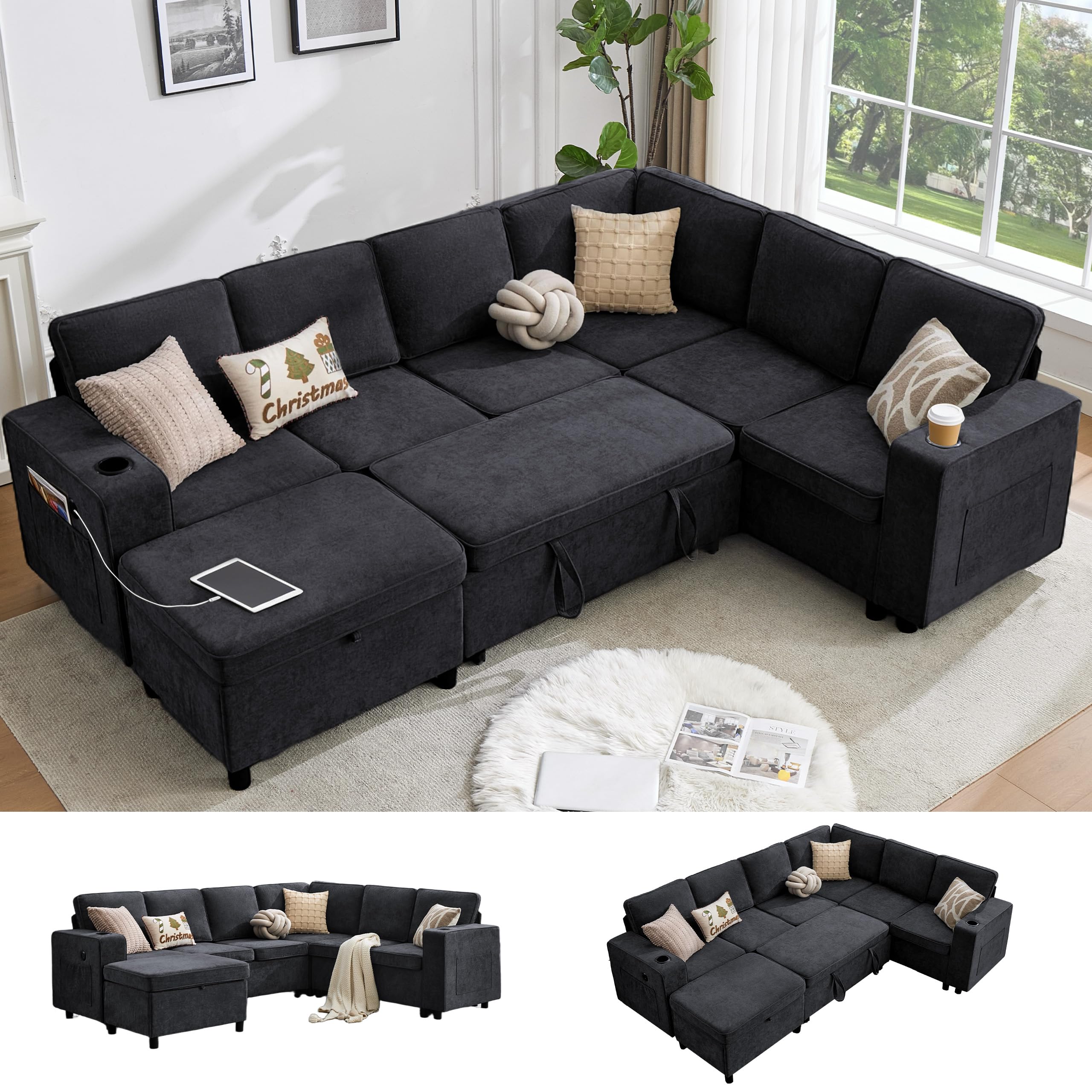
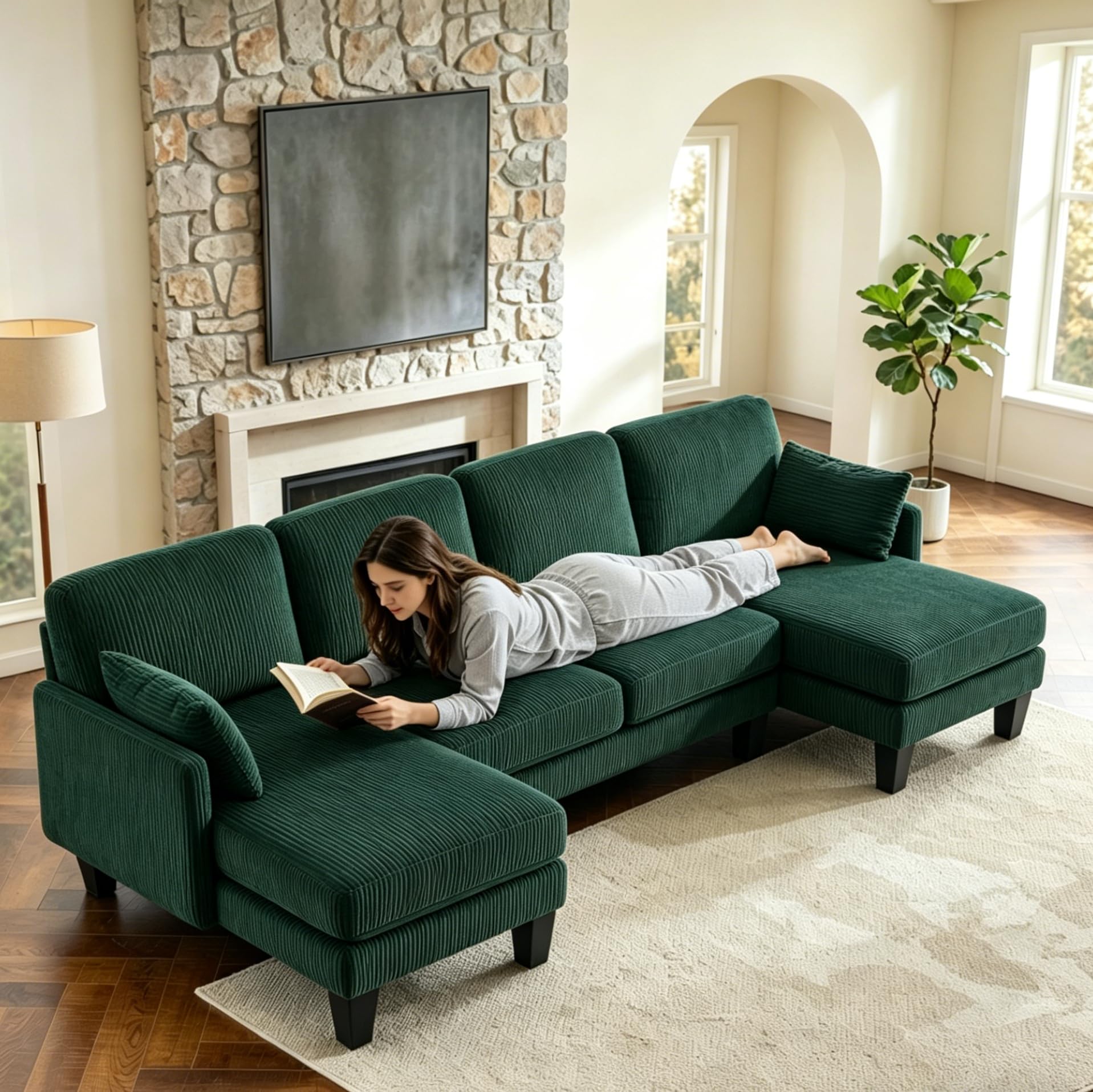
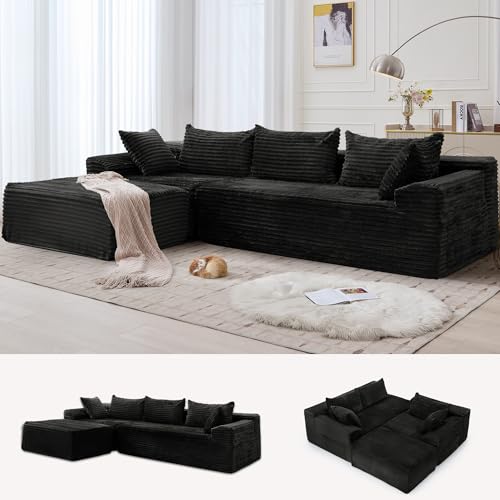


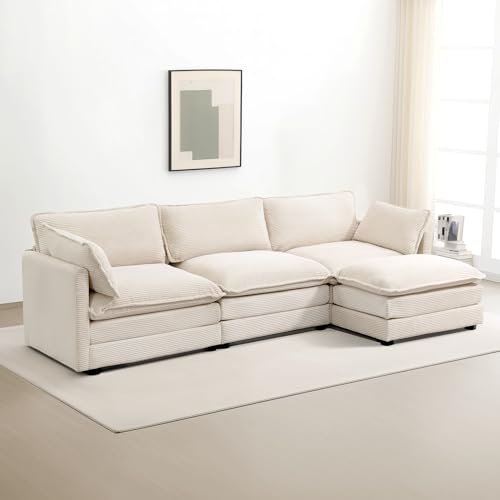

Apartment Size Sectional Types at a Glance
Most apartment sectionals fall into three types, and each one solves a different problem. A fixed chaise model suits a stable layout, a modular model suits renters and odd room shapes, and a sleeper model suits a home with no spare bedroom. The quick summary below shows where each type shines before the detailed comparison that follows.
- Compact chaise sectional: the simplest and often the lightest option, best when your layout will stay the same for years.
- Modular sectional: separate seats you can rearrange, best when you move often or your room has an awkward corner.
- Sleeper sectional: a fold out bed inside a compact frame, best for studios and for hosting overnight guests.
Three Apartment Friendly Types Compared
Compact Chaise Sectional for a Fixed Layout
This is the classic apartment choice. One sofa section joins a chaise in an L shape, and total width often runs about 78 to 92 inches, so it fits walls that a standard sectional would overrun. A reversible chaise adds real value here, since you can place the long seat on the left or the right after you see how the room actually flows. The trade off is flexibility over time. The shape is fixed, so a future move to a room with the door on the other side can leave the chaise pointing the wrong way.
Modular Sectional You Can Rebuild Around Your Room
A modular sectional arrives as separate armless seats, a corner piece, and often an ottoman that clips or links together. You can run it as an L shape today, split it into a sofa and a chair later, or add one seat when you move to a larger place. Each piece is small enough for tight stairs, narrow halls, and apartment elevators, which is a major plus for renters. The downsides are visible seams between seats, cushions that can drift if the connectors are weak, and a higher price for the same seating count.
Sleeper Sectional for Guests Without a Guest Room
A sleeper sectional hides a fold out mattress, usually under the sofa seats, while the chaise often lifts to reveal storage for bedding. That pairing makes it the hardest working type for a studio, since one piece of furniture covers sitting, lounging, and sleeping. Check the open length before you buy, since an extended bed needs far more floor space than the closed sofa suggests. If guests stay often, compare options in our guide to the best sleeper sectional sofa before you commit to this heavier type.
How to Evaluate Apartment Size Sectionals
A sound way to judge any model is to score it on five points. Look at ergonomics and adjustability, meaning seat depth, back height, and whether the chaise or ottoman can move. Check build quality and materials, then size and total weight capacity for the people who will use it daily. Finish with assembly effort and warranty terms. Maker specifications and patterns in verified buyer reviews, such as repeated notes about sagging cushions or sturdy frames, tell you more than a single star rating does.
How to Choose the Right Sectional Sofa
Size and Form Factor
Measure the wall the sectional will sit against, then measure the full path from the building entry to that wall, including door widths and stair turns. Most apartment models run about 78 to 100 inches wide and 32 to 36 inches deep, with a chaise reaching about 55 to 65 inches into the room. Leave about 30 to 36 inches for main walkways and at least a few inches behind the back for cords and curtains. A sofa that fits the wall but blocks a walkway will annoy you every day.
Type and Layout Options
An L shaped layout is the default for apartments since it tucks into a corner and wastes little floor. A reversible chaise protects you if you are unsure which side suits the room. Modular pieces suit renters and rooms with radiators, pillars, or odd angles that a fixed frame cannot work around. U shaped models almost always need more width than an apartment offers, so treat them as the exception. A sleeper layout only makes sense if guests truly stay over, since the mechanism adds weight you move every time you relocate.
Features Worth Paying For
Storage earns its keep in a small home, so a chaise or ottoman with a lift up lid is worth paying for. Removable cushion covers also earn their price, since one spill does not have to stain the sofa for good. A movable ottoman works as a footrest, a coffee table stand in, or extra seating. Features to skip in most apartments include bulky cup holder arms and power reclining backs. Both add width, weight, and cost, and a power model also needs wall space behind it and an outlet within cord reach.
Body Size and Weight Capacity
Seat height shapes comfort more than most buyers expect. A seat about 17 to 19 inches high suits most adults and is easier to rise from, while a very low seat can strain knees. Seat depth of about 20 to 22 inches lets shorter legs rest against the back, and deeper seats suit taller people who lounge more than they sit upright. Check the stated weight capacity for the whole frame and per seat, and choose a rating with real margin above the combined weight of your regular users and guests.
Adjustability for Comfort
True adjustability is rare at this size, so judge it in practical terms. Loose back cushions you can plump and rotate, a chaise you can switch from side to side, and an ottoman you can pull up or push away all change how the sofa fits your body and your evening. Adjustable headrests help taller readers and movie watchers, but they add moving parts. Low arms suit people who lie sideways with a pillow, while higher arms give better support when you sit and read for an hour.
Materials and Durability
Start with the frame. Kiln dried hardwood and sturdy plywood hold joints tight for years, while thin particle board frames tend to loosen and creak. Sinuous springs or firm webbing under the cushions support weight evenly, and dense foam keeps its shape longer than soft, light foam. For fabric, tightly woven polyester handles daily wear and pets well, performance fabrics resist stains, velvet and boucle add texture but show wear sooner, and real leather costs the most and needs conditioning. Removable covers make any fabric choice more forgiving.
Assembly and Warranty
Apartment sectionals usually arrive in two or three boxes, and most join with brackets or bolts in about 30 to 60 minutes with a second person helping. Confirm that each box fits your door and elevator before ordering, since the sofa sections themselves are rarely the problem. Our walkthrough on how to assemble a sectional sofa shows a sensible order for connecting pieces. On warranty, frame coverage should run longer than fabric or cushion coverage, and you should read what counts as normal wear before you buy.
How Much Should You Spend?
Expect three broad tiers. Entry models at about $500 to $900 give you a simple chaise shape, lighter frames, and basic fabric, and our guide to the best cheap sectional sofa explains what corners get cut at this level. The middle tier at about $900 to $1,500 usually buys denser cushions, stronger frames, and better fabric. Above about $1,500 to $2,500 you pay for modular freedom, a sleeper mechanism, or premium upholstery. Spend on the frame and cushions first, since you feel those daily.
Is an Apartment Size Sectional Sofa the Right Size for You?
This size is right for you if you live in a studio or a one or two bedroom apartment, want seating for three or four without adding separate chairs, and need one piece to anchor a combined living and sleeping space. It also suits a den, a first apartment, or a small family room where a standard sectional would crowd the walls. Before you decide, read our comparison of sectional vs sofa and loveseat to see how the two setups use the same floor space.
It is the wrong size if you regularly host six or more people, since the corner seat is awkward and total seating stays limited. It is also a poor fit if your room is long and narrow, where a straight sofa and one chair often leave better walkways. In those cases a standard sofa, or a larger sectional in a bigger room, will serve you better than forcing a compact corner unit into a space it was not shaped for.
FAQ
What size sectional sofa do I need?
Most apartments do well with a sectional about 78 to 100 inches wide. To test a specific size at home, mark its outline on your floor with painter tape, including the chaise, then live with the tape for a day. Walk your normal routes, open every door and drawer, and sit on the floor inside the outline. That simple test reveals blocked paths and cramped corners that a tape measure alone can miss.
How long does a sectional sofa last?
A well built apartment sectional usually lasts about 7 to 10 years of daily use. Placement affects that span more than most owners realize. Keep the sofa out of constant direct sun, since strong light fades fabric and dries leather unevenly. Move it a short distance from heat vents as well, because dry heat can crack wood joints and shorten cushion life over time.
Is a sectional sofa worth it in a small apartment?
Yes, if you compare cost per seat rather than total price. A compact sectional often seats four for less than a sofa and two chairs bought separately, and it uses the corner that separate pieces leave empty. It is less worthwhile if you rearrange your room often for exercise, work, or hobbies, since even a compact sectional is the least flexible large item you will own.
How do you clean a sectional sofa?
Start with the care code on the tag under a cushion. W means water based cleaners only, S means solvent cleaners, WS allows either, and X means vacuum only. Whatever the code, test any cleaner on a hidden spot first and wait for it to dry fully before treating a visible area. For step by step methods by fabric type, see our guide on how to clean a sectional sofa.
What is the most reliable sectional sofa brand?
No single brand is most reliable at every price, so judge reliability by evidence you can check. Look for a maker that sells replacement cushions, covers, and connector hardware for its current models, since parts support shows the design is meant to last. Fast, clear answers from customer support before you buy are another good sign. A brand that will not state its frame material or weight capacity in writing is telling you something worth hearing.
Final Thoughts
Measure first, choose the type that matches how you live, and spend on frame and cushions before extras. The product table above pulls the current options together so you can compare footprints side by side. When you match size, fabric, and layout to your room with care, the best apartment size sectional sofa gives you full corner comfort without giving up the floor space your apartment needs.