Best Anti Snore Pillows for 2026: Which One Fits the Way You Use It?
Disclosure: We may earn a commission when you buy through links on this page, at no extra cost to you. As an Amazon Associate I earn from qualifying purchases. Learn more

Match an anti snore pillow to your sleep position, loft and fill, with plain guidance on shapes, materials, care and when snoring needs a clinician.
There is no single pillow shape that suits every sleeper, because the way you sleep decides what your head and neck need through the night. Readers comparing best anti snore pillows do better when they start with their own routine rather than with a feature list. This guide works through sleep position, loft, shape and fill in that order, and the comparison table below gathers the main shapes in one place.
A pillow in this class aims to hold your head at an angle that keeps your airway posture comfortable while you sleep. It is a comfort aid, not a treatment, and the sections below keep that line clear while helping you choose well.

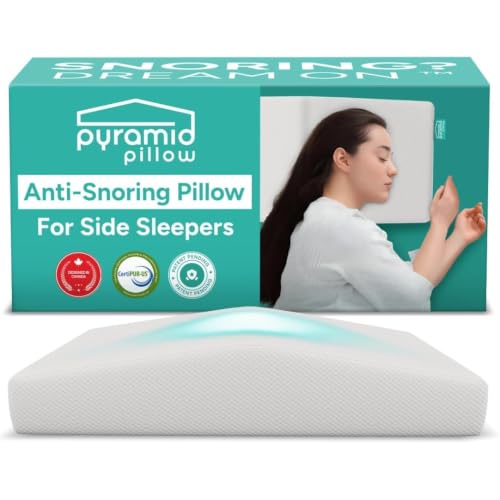

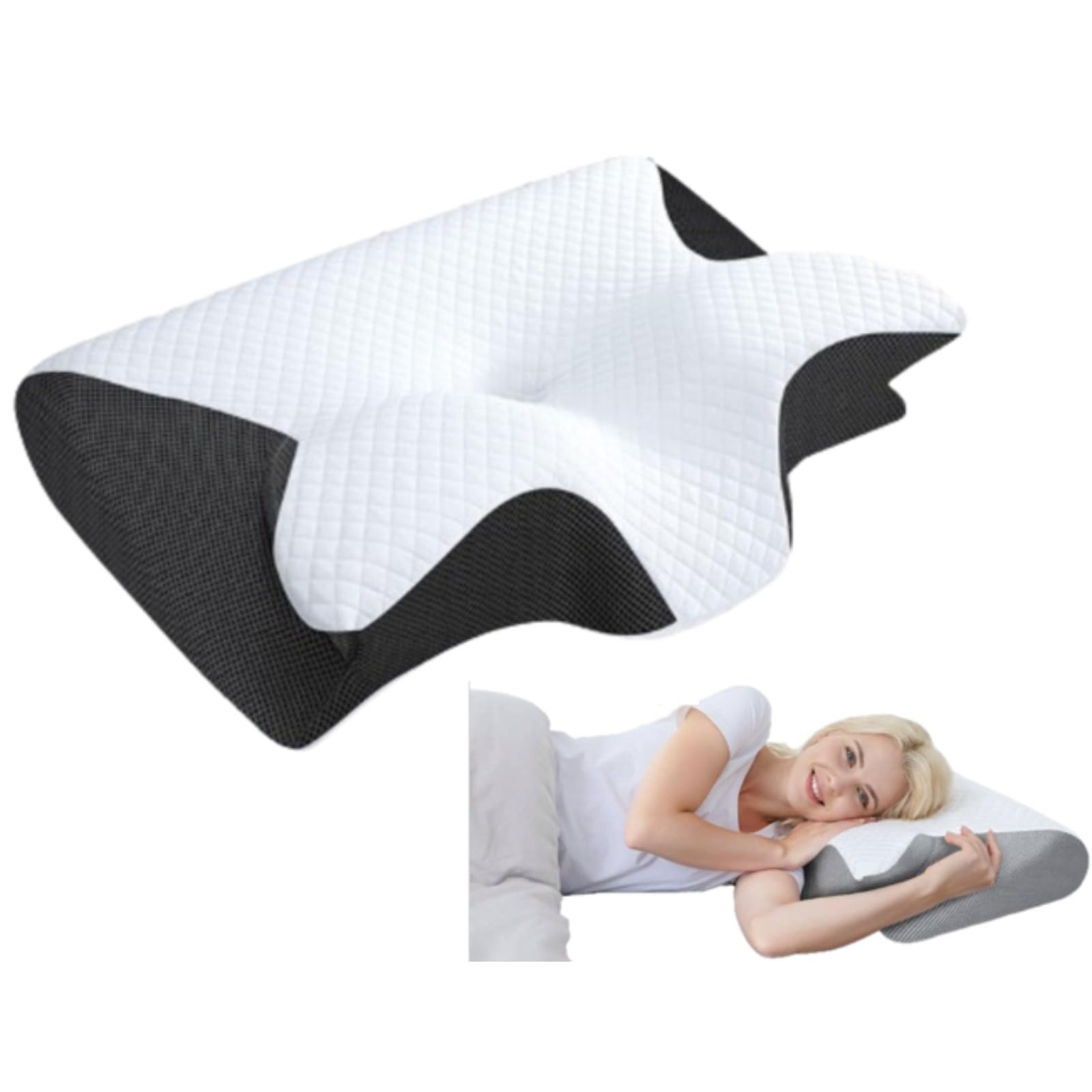
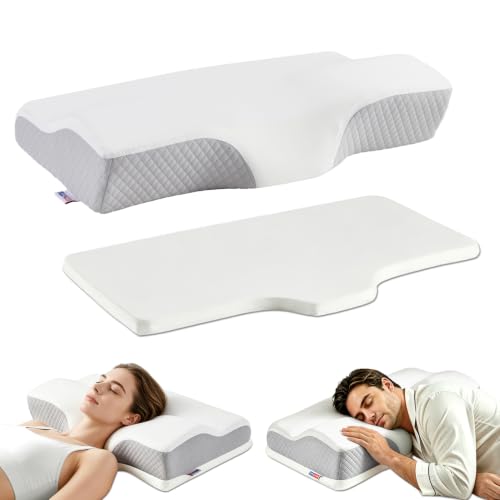
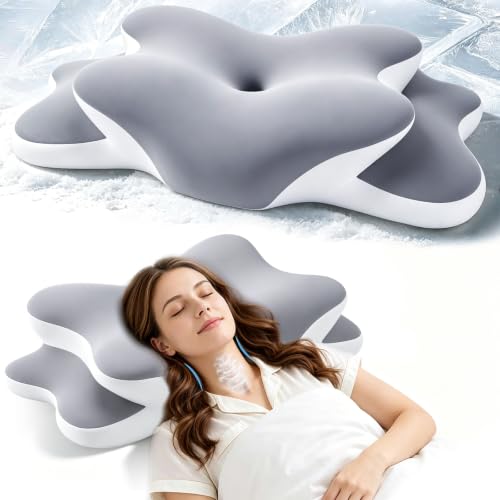
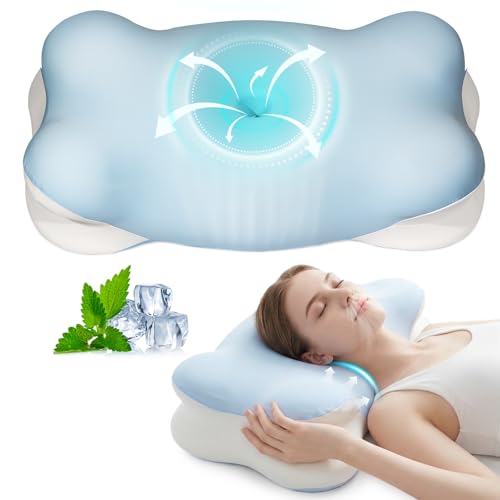
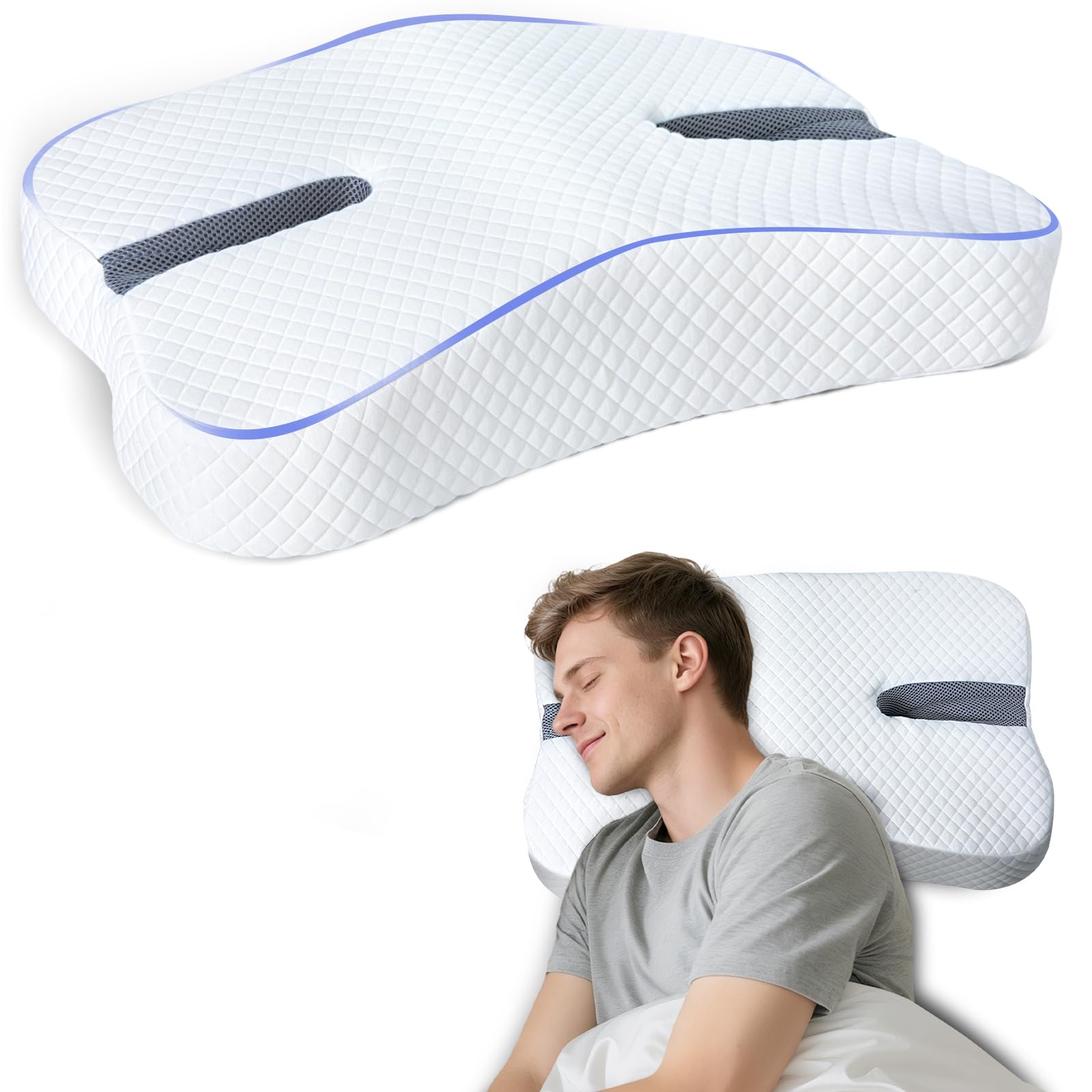
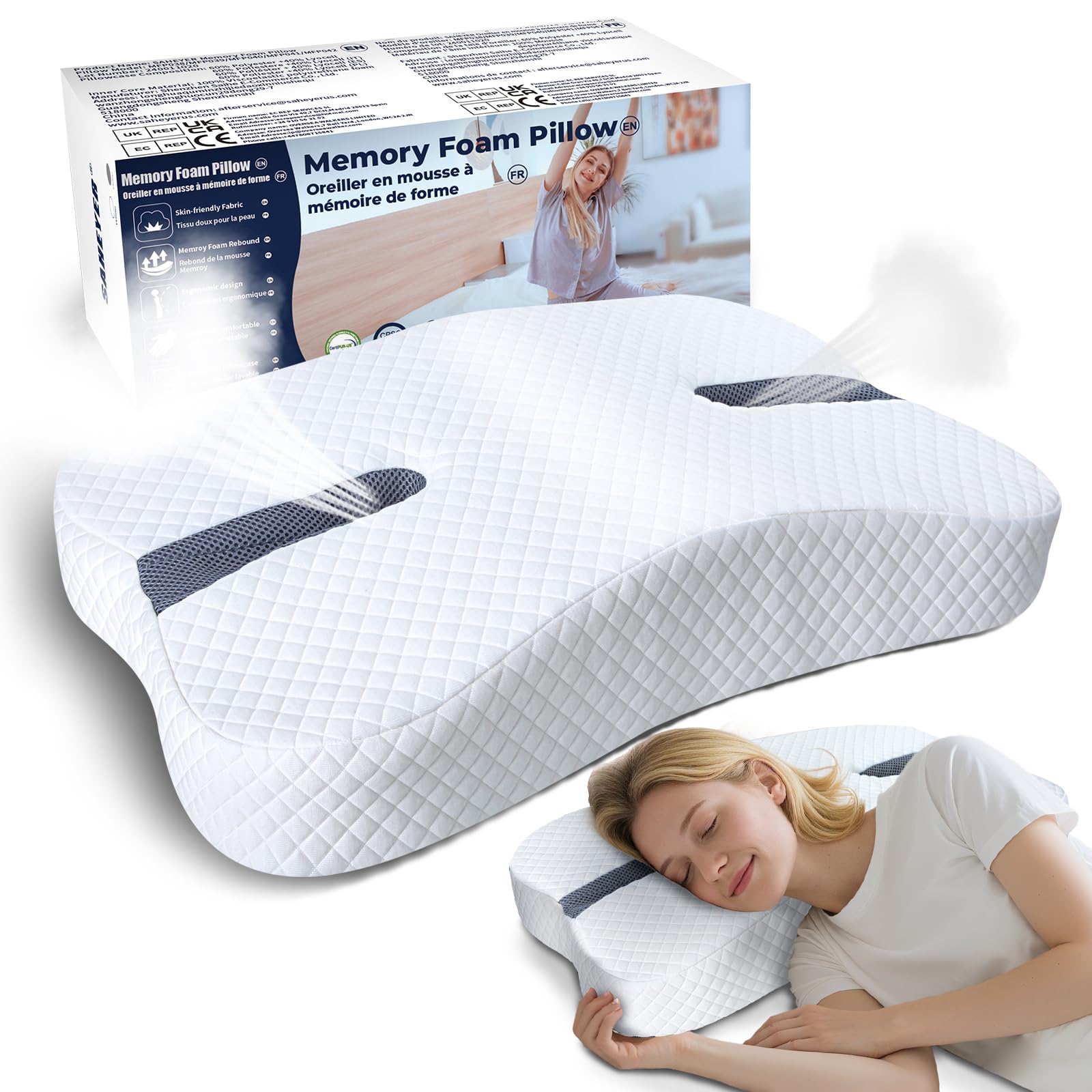
Who Should Buy Which Anti Snore Pillows?
Start with position, because your sleep position governs the pillow shape that can help you. Back sleepers usually need a shape that supports the neck curve without pushing the chin down, while side sleepers need height that fills the shoulder gap. A pillow treats no snoring on its own, and shape alone never guarantees a quiet night. Match the shape to the position you actually hold for most of the night, not the one you fall asleep in.
One warning belongs before any talk of price. Loud snoring with gasping, choking or pauses in breathing, or heavy daytime sleepiness, can point to sleep apnea, and that pattern needs a clinician rather than a new pillow. See a doctor or sleep clinician first if any of those signs sound familiar. A pillow can support comfort while you wait for that advice, but it should never stand in for it.
For People Who Want the Best Performance
Performance here means a shape that holds its form all night and a fill that responds without collapsing. Contoured memory foam and shaped latex designs lead this group, with covers you can remove and wash. Expect to pay about $60 to $120 for this level of shaping and material quality. Readers who have already tried flat pillows and woke with a stiff neck gain the most from this group.
For First Time Buyers
First time buyers should choose a simple shaped pillow with a clear trial period and a medium feel. Adjustable fill designs suit this group well, because you can remove or add fill during the first week and learn your loft without buying twice. Prices around $35 to $60 cover most starter options. Keep the packaging until the trial ends, and judge the pillow after several nights rather than one.
For Value Seekers
Value seekers should weigh cost against service life, because a shaped pillow that flattens in months costs more per year than a firmer one that lasts. Solid foam and latex hold shape longer than loose fiber fills at similar prices. Look at about $40 to $80 for a durable middle ground. A washable cover and a warranty of at least one year protect the spend better than extra accessories in the box.
Key Features to Compare
Loft, Shape and Sleep Position
Loft is the height of the pillow under your head, and it governs comfort only, never a cure. Side sleepers generally do well with a higher loft of about 5 to 6 inches, while back sleepers often prefer about 4 to 5 inches that cradle the neck. Contoured shapes add a dip for the head and a raised edge for the neck. Stomach sleeping loads the neck at an angle, so a low and soft shape is the kindest option in that position.
Support, Pressure Relief, and Edge Support
Support means the pillow holds your head and neck in line with your spine instead of letting the head tilt or sink. Pressure relief comes from fills that spread weight, such as memory foam that softens with body heat. On a pillow, edge support means the raised sides of a contoured shape, which matter most to side sleepers who rest near the pillow edge. If you wake with shoulder or neck ache, note the ache pattern for a week before changing firmness.
Motion Isolation and Noise
Partners notice two things: movement and sound. Dense foam shapes absorb small movements, so a restless sleeper disturbs the bed less than with a springy loose fill. Noise comes from the fill and the cover, since crisp covers and shredded fills can rustle when you turn. Cotton percale covers tend to feel cooler and can sound crisper, while sateen feels smoother and quieter. If your partner wakes easily, quiet materials deserve priority over small shape differences.
Certifications (CertiPUR US, OEKO TEX, RDS)
Certifications speak to what is inside the pillow and how it was tested. CertiPUR US covers foam content and emissions standards for foam made without certain chemicals of concern. OEKO TEX labels textiles tested for substances that can irritate skin. RDS applies to down fills and tracks animal welfare through the supply chain. None of these marks says a pillow will quiet snoring, so read them as safety and sourcing information only.
Material and Fill
Memory foam gives the closest contour and suits shaped designs, though it can feel warm and slow to respond. Latex feels springier, breathes better and holds shape for years, at a higher price. Down and down alternative fills feel soft and adjust easily but rarely hold a shaped angle all night. Hybrid designs layer foam shaping under a soft top. Readers with allergies should check our guide to best anti allergy pillows for the fill and cover details that matter most there.
Common Mistakes to Avoid When Buying Anti Snore Pillows
- Choosing by price alone, because the cheapest shaped pillow often loses its loft within months and the shape was the whole point.
- Ignoring your sleep position, because a high loft that helps a side sleeper can push a back sleeper chin down and make the night worse.
- Skipping the trial terms, because a pillow needs several nights of adjustment and a no return policy turns that learning period into a gamble.
- Expecting a pillow to fix loud snoring with gasping or daytime sleepiness, because that pattern needs a clinician, as the warning above explains.
- Forgetting the partner test, because a shape that suits you but rustles or shifts all night can trade one disturbed sleeper for another.
Setup and Care Tips
Give any new shaped pillow a fair setup. Use a pillow protector from the first night, since it keeps oils and moisture away from foam that cannot go in the wash. Wash sheets weekly in warm water and air the pillow in a dry room between uses. Fluff adjustable fills every few days so the loft stays even, and keep the pillow out of strong sunlight, which breaks foam down faster.
Expect an adjustment window of about one to two weeks while your neck learns the new angle. Mild stiffness in the first nights is common with a firmer shape. Pain that grows, numbness in an arm, or headaches that keep returning are signs to stop and talk with a clinician about your neck and your sleep rather than forcing the pillow to work.
FAQs
Are cooling anti snore pillows worth it for hot sleepers?
They can be, if night heat is what wakes you rather than noise. Cooling covers and gel infused foams feel cooler at first touch, although the effect fades as the material warms to body temperature through the night. Latex and open cell foams move air better over long hours. One point the feature lists skip: a breathable pillowcase and a cooler room do more for hot sleepers than any infused fill.
How do I wash anti snore pillows safely?
Start with the care label, because shaped foam and fiber fills follow different rules. Most solid memory foam and latex shapes should never go in a washing machine; spot clean them and wash only the removable cover. Fiber and down alternative pillows often allow a gentle machine wash and need full drying to prevent clumps and odor. Dry any washable fill completely before use, since trapped moisture shortens the life of every fill class.
What firmness is best for back pain?
No single firmness suits every back, and a pillow supports the neck rather than the back itself. Back sleepers with morning stiffness often do better with a medium firm contour that keeps the head level instead of propped high. If back pain is new, frequent or travels down a leg, a clinician should judge it before you shop for sleep gear. Treat firmness as a comfort choice you test during the trial, not as a remedy.
How often should I replace my anti snore pillow?
Replace a shaped pillow when it stops holding its shape, not on a fixed calendar. Foam shapes often serve about two to three years, while fiber fills may flatten within one to two years of nightly use. A simple check helps: fold the pillow and watch whether it springs back or stays folded. Lingering odor that survives airing and washing is another honest signal that the fill has reached its end.
Is a higher thread count always better on the cover?
No, thread count alone says little about how a cover feels or lasts. Very high counts can trap heat and feel dense, which works against sleepers who run warm. The weave matters as much: percale feels crisp and breathable, while sateen feels smooth and slightly warmer. A moderate count in a well made cotton or bamboo blend usually outlasts an extreme count in a thin fabric, and it washes better over time.
The Bottom Line
Match shape to sleep position first, loft to your shoulder width and comfort second, and fill to your budget and care habits third. When you are ready, return to the product table above, choose the best anti snore pillows shape that fits the way you sleep, and use the trial period honestly before you decide.