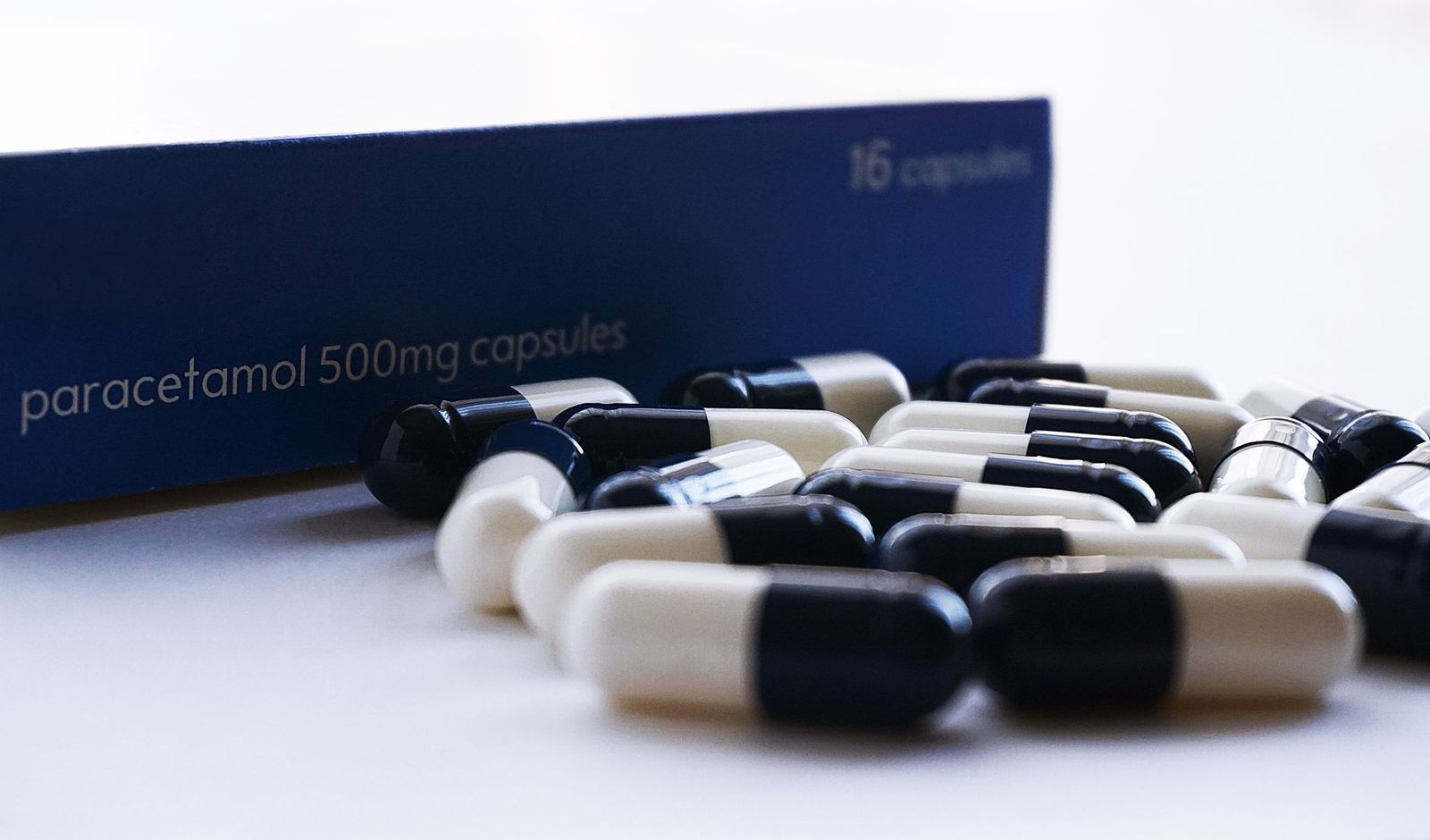
Best Anti Malaria Tablets with Least Side Effects: What Actually Matters Before You Buy (2026)
Disclosure: We may earn a commission when you buy through links on this page, at no extra cost to you. As an Amazon Associate I earn from qualifying purchases. Learn more
Use a clear safety checklist to compare the best anti malaria tablets with least side effects for your destination, health history, and trip length.
Every malaria tablet carries some chance of side effects, so the real question is which risk profile fits your body, your destination, and your trip. This guide uses a simple evaluation checklist to compare the best anti malaria tablets with least side effects in general terms, so you arrive at a travel clinic ready to make a sound decision. It is general information only, and malaria prevention is one area where personal medical advice is not optional.
Read the checklist first, because the right tablet for a two week safari may be the wrong one for a six month posting, and a tablet that suits your friend may be unsafe with your medicines or your health history.
How to Evaluate Anti Malaria Tablets
Why the Least Side Effects Goal Changes the Choice
Chasing the gentlest tablet only works after two filters. First, the drug must actually work where you are going, since malaria parasites in many regions resist older medicines. Second, it must be safe for you personally, given your conditions, allergies, and other prescriptions. A mild tablet that fails either filter is not a gentle choice at all.
Within those filters, side effect profiles differ in kind, not just degree. Some tablets mainly risk stomach upset and sun sensitivity, while others carry warnings about mood, sleep, and balance. Which burden is lighter depends on your history and your trip, which is why our broader guide to the best anti malaria tablets treats destination and personal fit as the first two questions.
Destination Fit and Drug Resistance
Malaria risk varies street by street, not just country by country. Altitude, season, rural versus city stays, and local resistance patterns all shape which tablets a clinic will suggest. A drug that remains effective in one region may be nearly useless in another, and guidelines update as resistance spreads.
Bring your exact itinerary to your appointment, including stopovers and side trips. Travelers heading to South Asia, for example, face a different resistance picture than those visiting southern Africa, and our destination guide to the best anti malaria tablets for india shows how much the details matter. Never buy based on a generic internet list without that destination check.
Side Effect Profiles in Plain Terms
Here is the honest shape of the trade offs, in general terms your clinician can personalize. The daily combination tablet built on atovaquone and proguanil is widely described as well tolerated, with headache and mild stomach upset the common complaints, but it costs the most. Doxycycline, an antibiotic used daily, is inexpensive and effective, yet it commonly raises sun sensitivity and can irritate the stomach and throat.
Mefloquine is taken weekly, which many travelers like, but it carries the strongest warnings about vivid dreams, anxiety, mood change, and dizziness, and it is unsuitable for people with certain psychiatric or seizure histories. Chloroquine is gentle for many users but works in only a few regions now because of resistance. None of these is best for everyone, and your clinician may steer you firmly based on your record.
Schedule Burden and Trip Length
How a regimen fits your calendar affects both side effects and protection. Options differ in whether dosing is daily or weekly, how far ahead of travel it starts, and how long it continues after you return. A short trip often favors a regimen with a brief tail after the trip, while long stays raise cost and adherence questions that change the answer.
Be realistic about yourself. A daily tablet you actually take beats a weekly one you forget to restart after a confusing travel day, and missed doses leave gaps in protection. Set phone reminders, keep tablets in hand luggage, and ask your clinic what to do if a dose is missed or lost to stomach illness.
Interactions, Conditions, and Special Groups
Anti malaria tablets interact with common medicines, including some antibiotics, blood thinners, epilepsy drugs, and acid reflux treatments, and several are unsuitable in pregnancy or for young children. Some require kidney or liver checks. This is the section of the checklist where guessing is most dangerous, because the conflict rarely causes an obvious symptom before harm is done.
Give your clinician or pharmacist a complete list of what you take, including supplements and occasional medicines, and mention conditions such as depression, anxiety, psoriasis, heart rhythm problems, and sun sensitive skin conditions. Travelers who are pregnant, planning pregnancy, or traveling with children should book a specialist travel consultation early, since their safe options are narrower.
Cost, Supply, and Authenticity
Prices vary widely. Generic daily antibiotics can cost a few dollars a week, while the premium daily combination can run to several dollars a tablet, which adds up over a long trip. Prescription and clinic fees add to the total. Compare the full course cost for your trip length, not the price per tablet, and confirm the pharmacy can supply the whole course before you commit.
Buy only from licensed pharmacies. Counterfeit malaria tablets are a documented problem in some markets and can contain little or no active drug. If you will resupply during long travel, ask your clinic how to identify legitimate sources abroad, a topic also touched on in our general guide to the best malaria tablets.
Three Regimen Profiles That Pass the Checklist
Profile One: The Well Tolerated Daily Option
This profile suits travelers who rank a gentle side effect record first and take a shorter trip, where the higher daily cost stays manageable. Its strengths are a mild profile for most users and a short continuation period after the trip ends, as your clinician will confirm. Its limits are price and the discipline of daily dosing, plus restrictions for some medical conditions and for pregnancy that your clinic must screen for.
Profile Two: The Budget Daily Option
This profile, the antibiotic based route, suits longer trips and tighter budgets. It is effective in many regions and inexpensive even over months. The costs are paid in comfort instead of cash: stronger sun protection habits are essential, doses need care to avoid throat and stomach irritation, and it is unsuitable for pregnancy and young children. Travelers with sunny, outdoor itineraries should weigh the sun sensitivity honestly.
Profile Three: The Weekly Option
This profile suits travelers who strongly prefer weekly dosing and have no history that rules it out. Starting well before departure, as your clinician directs, lets you trial it at home and switch if sleep or mood effects appear, which is a genuine safety advantage. Its limits are the seriousness of those possible effects and a long list of people who should not take it, so expect careful screening questions at your appointment.
Quick Buyer Checklist
- Have I confirmed which tablets work for my exact destinations and dates?
- Have I told a clinician about every medicine, supplement, and condition I have?
- Do I know whether my regimen is daily or weekly, and when it starts and ends?
- Have I compared the full course cost for my whole trip, not just the tablet price?
- Am I buying the full course from a licensed pharmacy before I leave?
- Do I have a plan for missed doses, stomach illness, and keeping tablets in hand luggage?
- Have I arranged bite prevention too, such as nets, repellent, and covered skin at night?
Red Flags to Watch For
- Sellers offering prescription malaria tablets with no prescription and no medical questions asked.
- Claims that a tablet has no side effects at all, which no effective option can honestly promise.
- Prices far below licensed pharmacy ranges, a common sign of counterfeit or expired stock.
- Advice that ignores your destination, since resistance makes location the first fact that matters.
- Any suggestion to stop a course early because you feel fine, which leaves you unprotected while parasites may still be developing.
Care and Safe Use Tips
Take each dose exactly as your clinician directs, with food or water when instructed, and finish the full course including the period after you return home. Store tablets in their original packaging, away from heat and bathroom moisture, and check expiry dates before departure. If you develop a fever during the trip or within a year after returning, seek medical care promptly and tell the clinician about your travel, since no tablet is fully protective.
Frequently Asked Questions
How long should I take anti malaria tablets around a trip?
Every regimen brackets the trip itself, starting before you enter the risk area and continuing after you leave, because parasites can develop after a bite near the end of travel. The exact lead in and tail lengths differ by tablet, from days to weeks. Your clinician will write the schedule for your specific prescription, and following it fully is part of how the medicine works.
Which tablet is the best malaria tablet with least side effects for most people?
For many travelers, clinicians describe the daily atovaquone and proguanil combination as the best malaria tablets with least side effects in general use, mainly mild headache or stomach upset. That summary skips the filters that matter, though: destination resistance, pregnancy, age, kidney health, interactions, and cost. Treat it as the start of a clinic conversation, never as a self prescription.
Can I rely on tablets alone to prevent malaria?
No. Tablets greatly reduce risk but none is completely effective, which is why bite prevention remains essential. Use repellent, sleep under a treated net where provided, cover skin in the evening, and choose screened or air conditioned rooms when you can. This layered approach also protects against other mosquito carried illnesses that tablets do not touch at all.
What should I do if side effects start during my trip?
Contact a clinician, your travel clinic, or a local doctor rather than simply stopping, because stopping leaves you unprotected and a switch may be possible. Mild stomach upset often settles with food and timing adjustments your clinician can suggest. Seek urgent help for severe symptoms such as marked mood change, confusion, chest pain, a widespread rash, or signs of an allergic reaction.
Do children and pregnant travelers use the same tablets?
Often they cannot. Several common options are unsuitable in pregnancy or below certain ages and weights, and the safe set is smaller, which is exactly why these travelers need early specialist advice. Never split or share an adult prescription with a child. A travel clinic will weigh the destination risk, the trimester or the age of the child, and the available options together.
Final Thoughts
Work through the checklist in order: destination fit first, personal safety second, side effect comfort third, then schedule and cost. That order keeps the gentlest feeling tablet from quietly being the wrong tablet. Book a travel clinic visit with your itinerary and medication list in hand. With that preparation, choosing the best anti malaria tablets with least side effects for your trip becomes a calm, well informed decision, and please talk with your clinician about your personal needs before you travel.