
Best Ankle Boots for Wide Calves: Our 2026 Checklist for a Roomy, Comfortable Fit
Disclosure: We may earn a commission when you buy through links on this page, at no extra cost to you. As an Amazon Associate I earn from qualifying purchases. Learn more

Best ankle boots for wide calves: how to check the shaft opening, stretch panels, toe box and support before you buy.
An ankle boot can fit your foot perfectly and still fail at the top edge, where the shaft presses or rubs against your leg. Choosing the best ankle boots for wide calves means checking that opening first, then stretch, entry, and support. A short shaft helps because it usually sits below the widest part of your calf, but only if the opening is cut generously.
This guide turns that idea into a simple checklist for any product page or store. You will learn how to measure and which features add real room, then compare your shortlist against the product table.

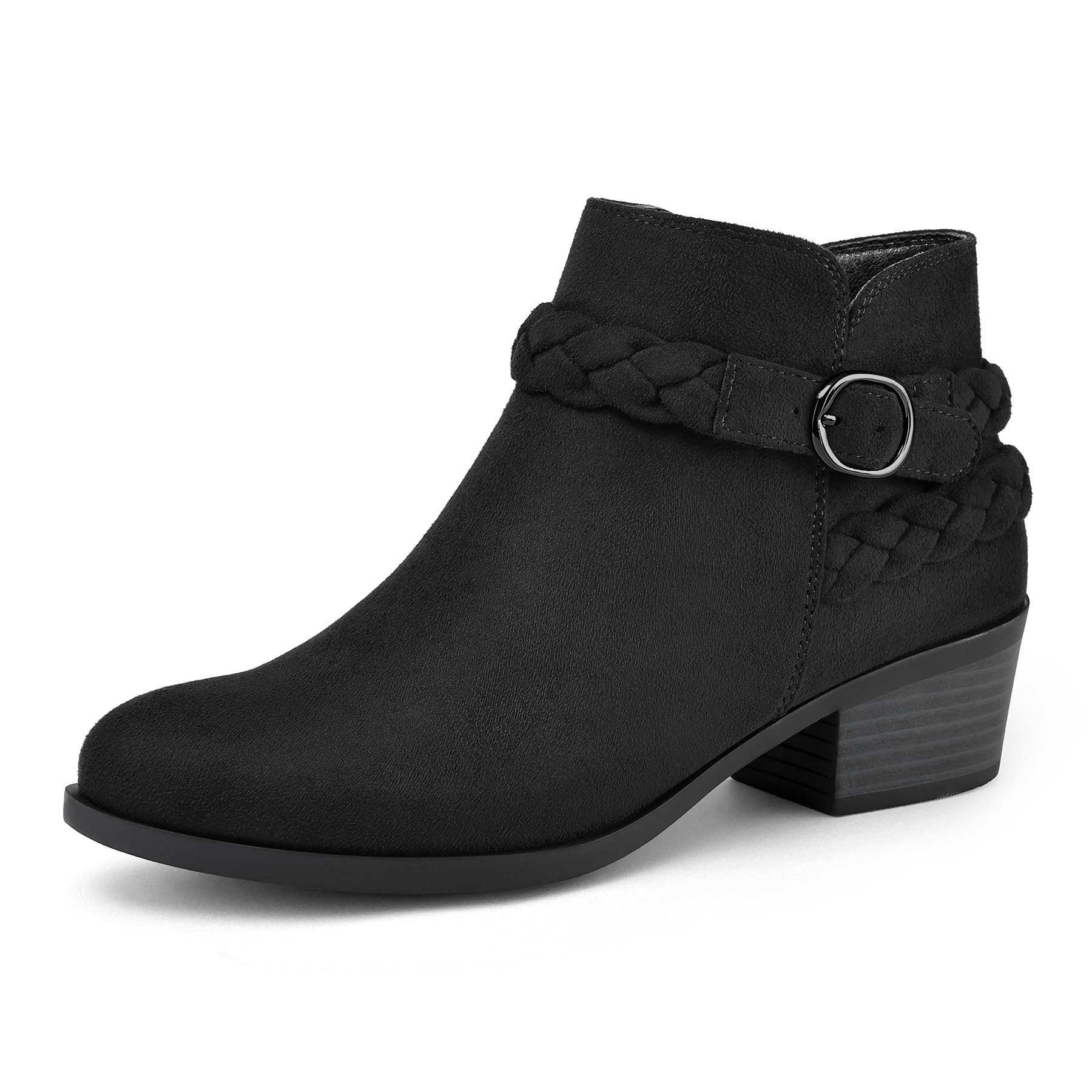
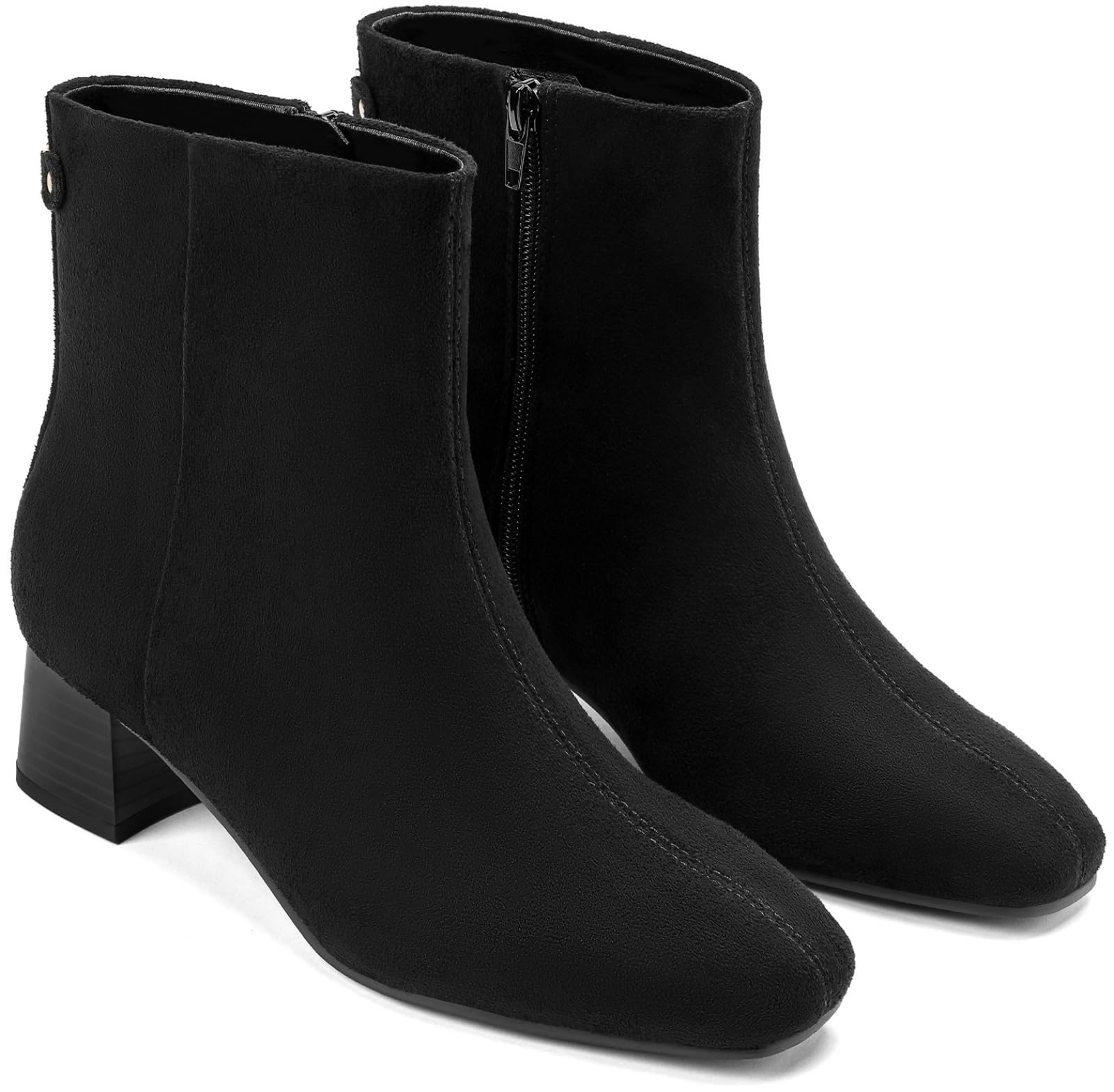

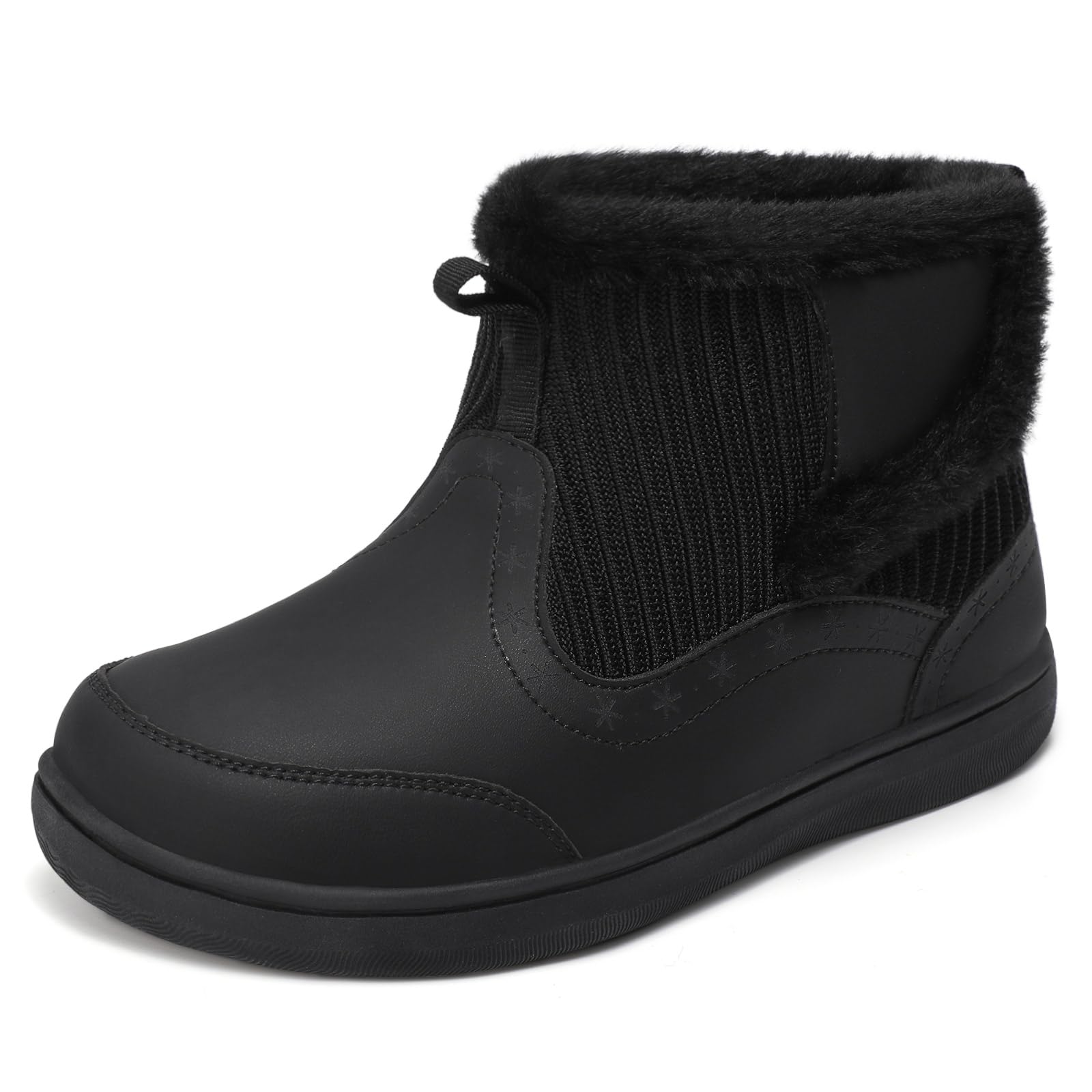

Who Should Buy Ankle Boots for Wide Calves?
Wide calf ankle boots are not just standard boots in a bigger shoe size. The leg opening, the give in the upper, and the entry all change who a pair will suit.
Shoppers Whose Calves Sit Wider Than Standard Size Charts
If regular ankle boots dig in at the top edge or will not zip closed over your usual socks, a wide calf cut is the place to start. Measure where the shaft will actually end, not higher up. If tall shafts have always been the problem, see our guide to the best tall boots for wide calves to compare how much harder a higher opening can be.
Walkers and Workers Who Want Room Without a Tall Shaft
A short shaft gives you boot support without wrapping the full calf, which suits long shifts, school runs, and travel days. Look for cushioned insoles and a stable sole, because hours on your feet magnify small fit flaws. If your foot is wide at the ankle joint as well as the leg, see our guide to the best ankle boots for wide ankles, since that problem needs room lower down.
Style Lovers Who Want a Western or Dress Look Without Squeezing
You do not have to give up a dress boot or a western shape just because you need a wider opening. Short western styles stop before the calf swells, so they often work where taller versions fail. For a feminine western cut, see our guide to the best cowgirl boots for wide calves, and for a classic profile, see our guide to the best cowboy boots for wide calves.
Key Features to Compare
Choosing the best ankle boots for wide calves starts with the opening and works down to the sole. Use the five checks below in order, because a generous toe box cannot rescue a tight shaft.
Shaft Opening Size and Where the Top Edge Lands
The top opening matters most, so look for its circumference in the product details and compare it with your leg measurement at the height where the shaft ends. Leave roughly a finger of ease so the edge does not press when you sit or climb stairs. If a pair leaves deep marks, causes numbness or tingling, or makes your lower leg swell noticeably, stop wearing it and talk with your clinician about your personal needs.
Stretch Panels, Laces and Zips That Add Room
Elastic gore panels let the opening expand as you pull the boot on and flex as you walk, which helps if your calves change size slightly during the day. Laces give the finest adjustment because you can loosen only the top eyelets, while a long side zip makes entry easier without forcing your heel past a tight throat. Adjustable straps add a little range, but check that the strap still fastens securely at its widest setting.
Toe Box Width, Sizing and How to Measure
Measure both calves and both feet late in the afternoon, when legs and feet are at their largest, and shop to the larger measurement. A roomy toe box lets your toes spread, which is separate from calf room, so a boot can offer one without the other. If you fall between sizes, choose the size that keeps your heel seated while your toes clear the front when you stand.
Cushioning, Arch Support, Stability and Heel Height
Cushioning under the heel and forefoot softens hard floors, while arch support that matches your foot type helps your weight spread more evenly. Flat feet usually feel steadier in a firmer, more stable boot, and higher arches often prefer more padding. A modest heel and a small heel to toe drop feel more natural for most walkers, because a tall heel pushes weight forward and makes the top edge press harder into your leg.
Upper Materials, Breathability and Waterproofing
Soft leather and knit uppers tend to give more around the opening, while stiff synthetic shafts hold their shape but offer less ease. Mesh panels feel more breathable in warm weather, though they let water in quickly. A waterproof membrane such as Gore Tex keeps rain out, yet it can make the upper feel less stretchy and a little warmer, so treat waterproof boots as a weather choice rather than a default for daily indoor wear.
Which Ankle Boot Styles Suit Wide Calves Best?
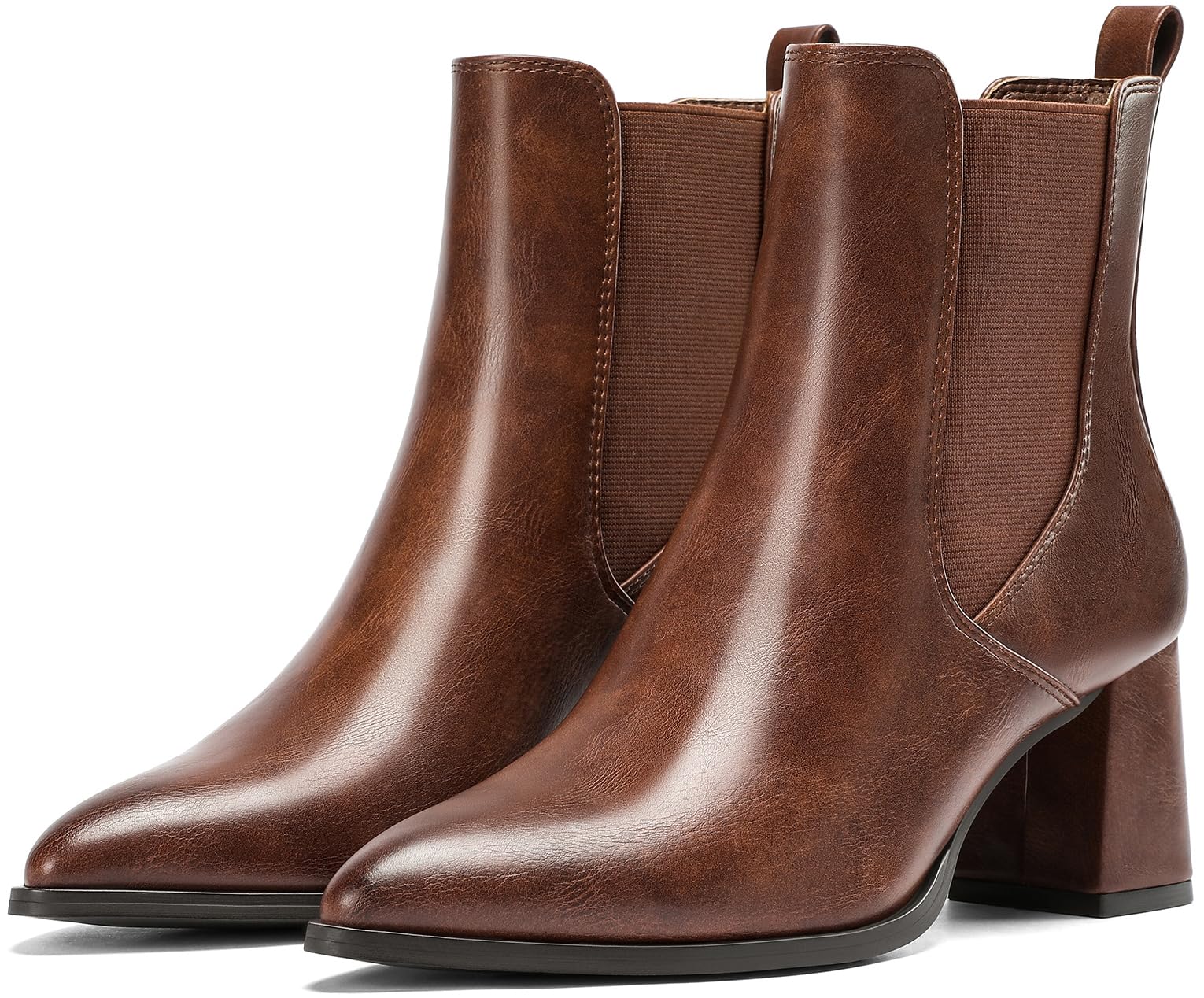
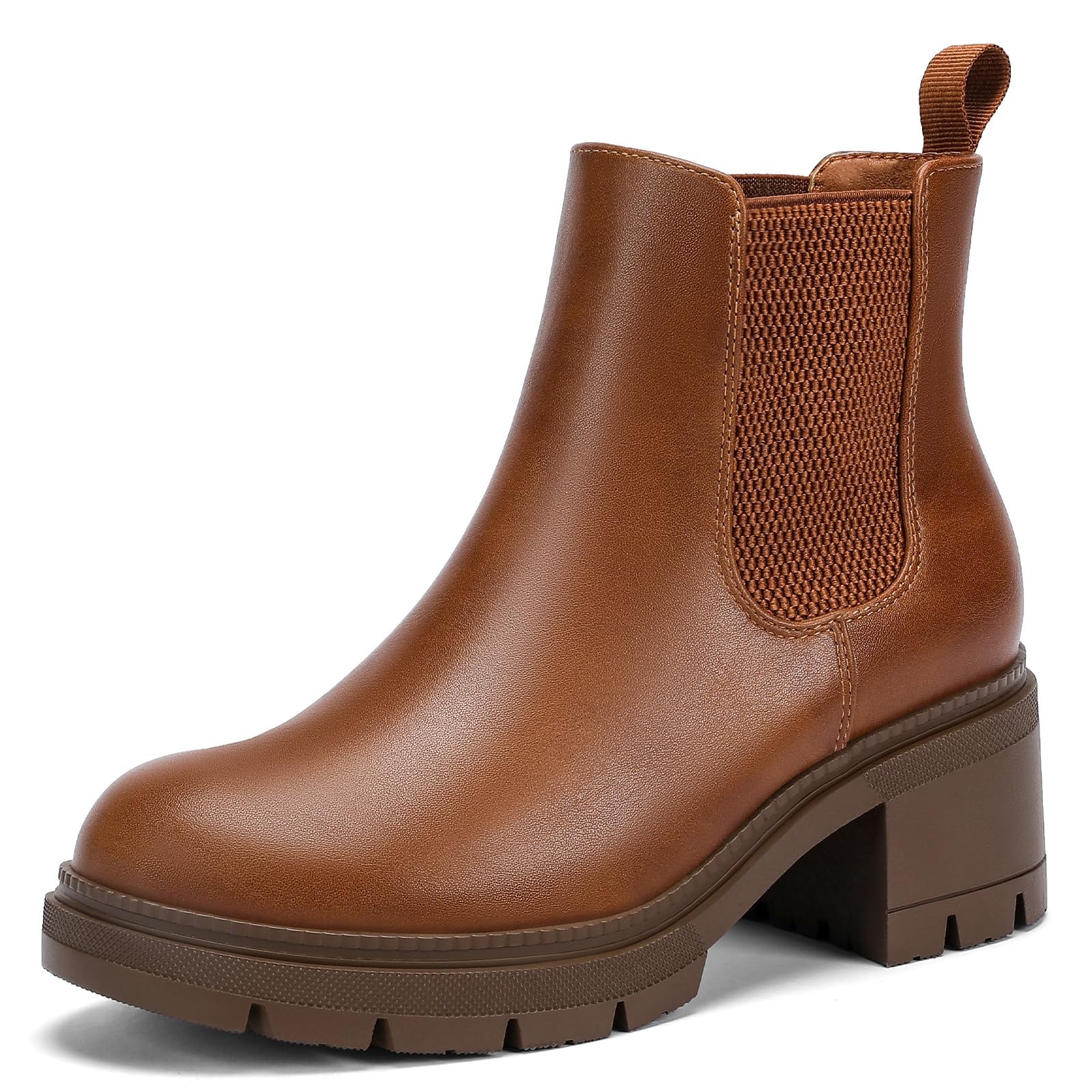
Chelsea styles rely on elastic side panels, so they suit you if the gore is long and supple rather than short and stiff. Try them with your thickest planned socks, because there are no laces to rescue a tight fit.
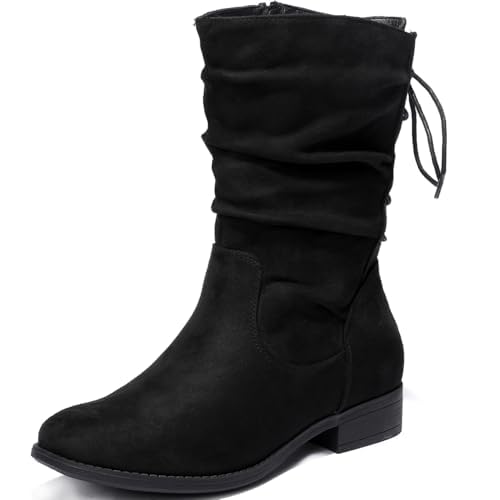
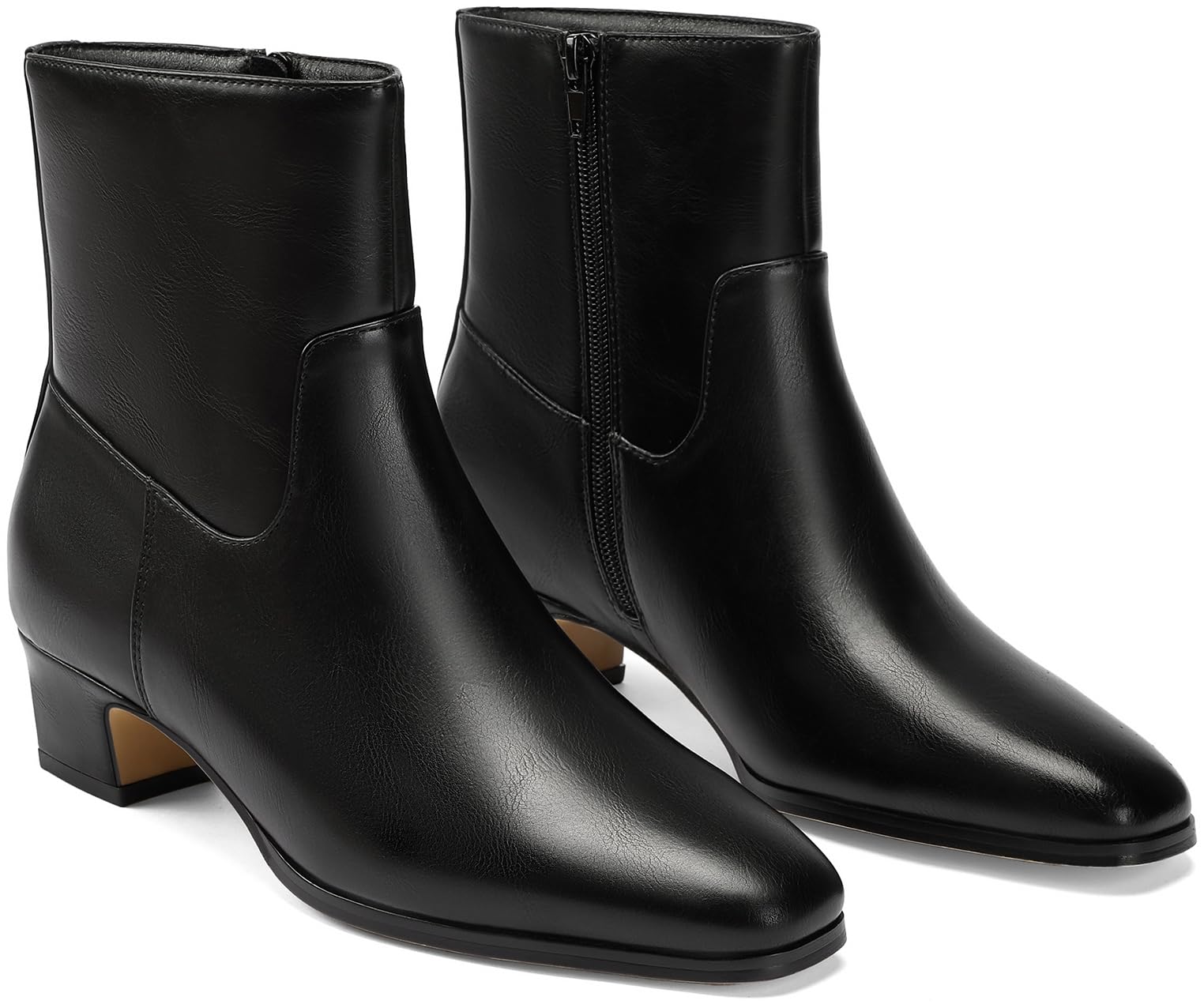
Lace up and zip entry styles give you the most control, so this group is often the safest first purchase if your calves are well above standard charts. Short western ankle boots add a wider, more open top by design, and a dip at the front of the shaft can reduce digging when you bend your ankle.
Quick Buyer Checklist for Wide Calf Ankle Boots
Run through these questions before you order, and treat any no as a reason to keep looking:
- Does the listed top opening exceed your leg measurement at the shaft height comfortably?
- Can you zip, lace, or pull the boot on over the socks you actually plan to wear?
- Does the top edge stay clear of rubbing when you sit, stand, and climb a step?
- Can your toes spread and lie flat without pressing the sides of the toe box?
- Does the heel stay seated when you walk, with only slight movement as the boot is new?
- Does the cushioning feel supportive after several minutes, not just at first?
- Can you return the pair easily if your larger calf does not fit?
Common Mistakes to Avoid
- Ordering your usual shoe size and ignoring the top opening, which leaves a boot that fits the foot but cannot close over the leg.
- Measuring your calf at its widest point instead of at the shaft height, which leads you to reject pairs that would have fit well.
- Assuming a wide foot size also means a wide shaft, which often ends in a roomy toe box paired with a tight opening.
- Keeping boots that cause numbness because you expect them to stretch, which risks ongoing pain since most shafts give only slightly.
- Trying boots on first thing in the morning, which understates daily swelling and makes an afternoon fit feel far tighter.
- Choosing a tall, narrow heel for long walking days, which shifts weight forward and increases pressure at the top edge.
Care and Maintenance for Ankle Boots
Let wet boots air dry at room temperature away from direct heat, and stuff them lightly with paper so the shaft keeps its shape while they dry. Rotating two pairs gives the cushioning time to recover and the lining time to dry fully. Brush off dried mud before it works into seams, and condition leather once it looks dry, following the maker directions for that finish.
Check elastic panels, zips, and laces every few weeks, because a stretched gore or a sticking zip changes how the opening fits long before the sole wears out. Store boots upright so the top edge does not fold and crease.
FAQ
What features matter most in ankle boots for wide calves?
The top opening matters most, followed by stretch or adjustment at the shaft and an easy entry. A useful extra check is to judge every candidate with the socks and insoles you plan to use most. Two pairs with the same shoe size can differ greatly at the opening, so the shaft measurement predicts fit better than the size label.
Do I need waterproof ankle boots for wide calves?
You need waterproof ankle boots only if you regularly walk in rain, wet grass, or slush. Sealed seams and membranes can slightly reduce how far an opening stretches, so recheck the shaft measurement on the waterproof version of a style. A water resistant finish handles light splashes for commuters who are mostly indoors.
How should ankle boots for wide calves fit at the top edge?
Ankle boots for wide calves should fit at the top edge with light contact and no pinching when your leg moves. Test the fit on stairs and on a slope, because your calf changes shape as your ankle bends in ways level floors never reveal. A small gap at the back is usually less troublesome than an edge that presses at the front.
How long is the break in period for ankle boots for wide calves?
The break in period for ankle boots for wide calves is usually a few short wears for soft leather and knit, and longer for stiff leather. Start with an hour or two at home, then add time as hot spots fade. Sharp rubbing at the top edge on day one rarely disappears, so treat that as a fit problem rather than a stage to push through.
Can I wear ankle boots for wide calves all day?
Yes, you can wear ankle boots for wide calves all day if the opening, cushioning, and heel height suit your routine. Plan for mild swelling later in the day by loosening laces or choosing stretch panels, and keep a familiar pair of shoes nearby during the first week. A midday fit check tells you more than a morning try on.
Final Thoughts
Start with your leg measurement at the shaft height, insist on stretch or adjustment at the opening, and then judge cushioning and style. That order keeps the wide calf need at the centre of every choice. Look back at the product table and pick the best ankle boots for wide calves that pass every fit check on your list.


