
Best Ankle Boots for Travel: A First Time Buyer's Guide for 2026
Disclosure: We may earn a commission when you buy through links on this page, at no extra cost to you. As an Amazon Associate I earn from qualifying purchases. Learn more

Best ankle boots for travel: weight, fit, grip and waterproofing explained in plain terms, with break in steps for your first trip.
Buying travel boots for the first time feels confusing because every pair promises comfort, grip, and weather protection in different words. The best ankle boots for travel are simply the pair that fits your feet, suits your itinerary, and packs without drama. This guide starts with the basics, explains each term in plain English, and ends with a simple way to compare the picks in the product table.
Think about your trip before you think about any boot. Count your likely walking miles, the surfaces underfoot, the weather you expect, and how much luggage space you can spare. Those four answers narrow the field fast and turn into clear choices about fit, weight, waterproofing, and price.


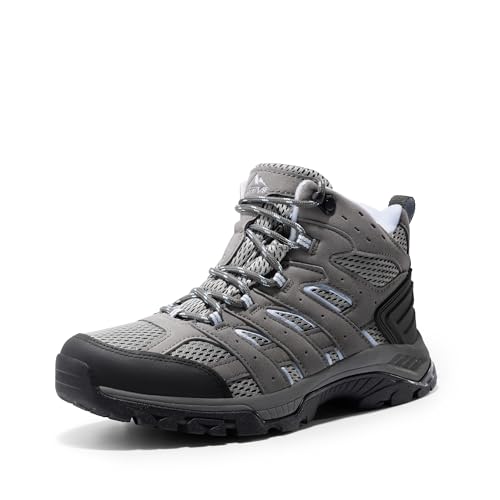
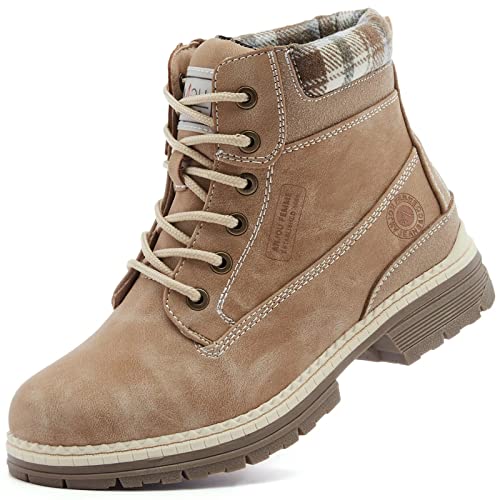

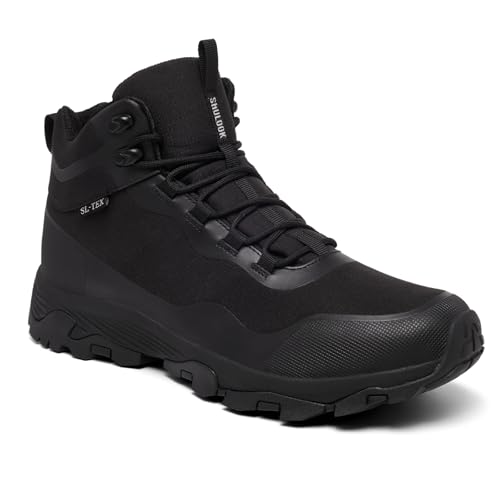
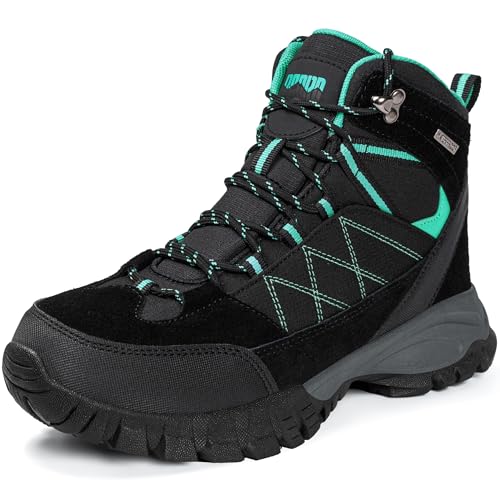
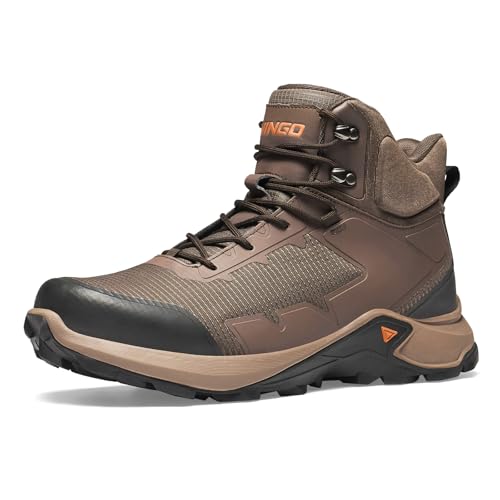
Ankle Boots 101: The Basics for a First Trip
An ankle boot is a closed shoe that rises just above the ankle bone and laces or zips shut. That extra height covers the joint, adds stability on uneven ground, and keeps grit and splashes out better than a low shoe. Unlike a tall boot, it stops low enough to bend easily and pack smaller.
Travel adds demands that everyday wear does not. You may walk farther than usual, stand in lines on hard floors, and wear the same pair several days in a row. That is why the best ankle boots for travel balance cushioning, grip, and versatility instead of chasing one standout feature. For the broader category view, see our guide to the best ankle boots.
Who Should Buy Travel Ankle Boots?
Your itinerary decides which strengths matter most. Match yourself to one group below, then carry that priority through the feature sections.
City Sightseers Who Walk All Day
You spend hours on pavement, museum floors, and station platforms, often with few chances to sit. Put cushioning and a roomy toe box first, and choose a sole with steady grip for wet stone and tile. If most of your miles are on foot, see our guide to the best walking ankle boots for travel.
One Bag Packers Watching Weight and Space
You travel with a single bag, so your boots are either on your feet or taking precious room inside it. Wear them on travel days and pack lighter shoes instead. Favor lighter uppers, a shaft that compresses a little, and a color that works with every outfit you packed.
Travelers Mixing Town Streets With Light Trails
Your days shift from cobblestones to gravel paths and short hillside walks. You need deeper tread than a city pair, a secure lace fit that holds your heel on slopes, and enough coverage to keep stones out. If your routes turn rougher, see our guide to the best travel boots.
Travel Boot Specs in Simple Terms
Read each spec as a choice with a trade off, not as a score where more is always better. The right setting depends on your feet and your weather.
Weight and Packability in a Travel Bag
Boot weight is usually quoted per pair. Light travel pairs often weigh about 1.8 to 2.5 pounds, while sturdy leather pairs can reach about 3 to 4 pounds, and that gap shows up in tired legs by evening. A lower shaft and softer upper pack flatter than a stiff tall collar. For help planning packing space, see our guide to the best backpacks for travel.
Fit, Sizing, and Toe Box Room for Travel Days
Fit your boots late in the day, when your feet are at their largest, and wear the socks you plan to travel in. Leave a thumb width of space in front of your longest toe. Walk down a slope or ramp if the shop allows it, because toes that jam forward on a slope will ache on real descents. A wide toe box suits feet that swell during long flights and walking days.
Underfoot Support for Long Sightseeing Days
Cushioning is the padding under your heel and forefoot, and it matters most on concrete where each step lands hard. Arch support holds the middle of your foot so it tires more slowly, while a firm heel cup and laced collar add stability when a cobble tips your foot sideways. Flat feet often prefer stronger arch support, and high arches often prefer softer cushioning. Persistent foot pain deserves a professional opinion, so talk with your clinician about personal needs.
Membrane Choices for Wet Streets and Sudden Rain
A waterproof membrane is a thin layer inside the boot that blocks rain and puddle water while letting some sweat vapor escape. Gore Tex is the best known name, and many brands use their own versions. Choose waterproof boots for wet seasons and slush. In hot dry climates, skip the membrane, because a plain breathable upper dries faster and feels cooler.
Outsole Grip and Heel to Toe Drop
The outsole is the rubber layer that meets the ground. Deeper lugs, the raised blocks in the tread, bite into mud and gravel, while shallower tread feels smoother on pavement. Heel to toe drop is the height difference between heel and forefoot, often about 8 to 12 mm in travel boots. A higher drop can ease calf strain, while a lower drop feels flatter and steadier.
Durability and Expected Lifespan of Travel Boots
Uppers tell you a lot about lifespan. Full grain leather resists scuffs and can serve for years with basic care, synthetic mesh weighs less but wears sooner at flex points, and stitched soles can sometimes be resoled while cemented soles cannot. Replace a pair when the tread smooths at the heel or the inside padding packs flat and no longer feels supportive.
Getting Started: First Wear and Break In Steps
New boots rarely feel perfect on the first walk, and a trip is the wrong place to find that out. Follow these steps in the weeks before you leave.
- Wear the boots indoors for an hour, checking for rubbing at the heel, ankle bone, and toes.
- Add short walks on flat ground, then longer walks that include stairs and a slope.
- Practice your travel socks and any insoles you plan to use, since both change the fit.
- Adjust lacing zone by zone, snug over the midfoot and firmer at the top hooks to lock your heel.
Address any hot spot as soon as it appears, because a small rub at home becomes a blister by the third day of a trip. Adjust one lace zone or try a different sock thickness before deciding the size is wrong.
Rookie Mistakes to Avoid
First time buyers tend to repeat the same few errors, and each one is easy to prevent.
- Buying boots the week before a trip leaves no break in time and turns small rubs into blisters.
- Choosing style over toe room squeezes swollen feet and makes long walking days end early.
- Packing boots in your bag wastes your largest block of luggage space on the item you could wear.
- Ordering your usual shoe size without measuring ignores the fact that boot sizing varies widely between brands.
- Picking deep trail tread for pure city trips adds weight and makes pavement walking feel clumsy.
Care and Maintenance for Travel Ankle Boots
After a wet day, remove the insoles, loosen the laces, and let the boots air dry away from direct heat, because radiators can crack leather and weaken glue. Stuff them loosely with newspaper if the inside feels soaked. Brush dried mud from the tread before it works into seams.
Clean leather with a damp cloth and mild soap, then apply conditioner once the boots are dry so the surface stays supple. Store boots upright in a dry place, check lace wear and sole edges before each trip, and replace worn laces early, since a snapped lace far from home is an avoidable problem.
Ankle Boots for Travel: Your Questions Answered
What features matter most in ankle boots for a first travel pair?
Fit, weight, and grip matter most in a first travel pair. A boot that fits with room to swell, weighs little enough to wear all day, and grips wet pavement covers most trips well. After those three, match waterproofing to your forecast and rank your own itinerary needs above any feature list a seller promotes.
How should ankle boots for travel fit around the toes and heel?
Ankle boots for travel should feel snug at the heel and midfoot, with open space at the toes. Your heel should lift very little as you walk, while your toes spread naturally and touch nothing at the front. Try one more check: press the toe of the boot while standing, and confirm your toes still have room to move.
Are expensive ankle boots for travel worth the money?
Expensive ankle boots for travel can be worth it when the extra cost buys lighter materials, a resoleable build, or a membrane you truly need. Price alone does not promise comfort, since a costly boot in the wrong last still hurts. Budget pairs around $80 to $150 suit many city trips, while frequent travelers may value a pair about $150 to $250.
Can I wear ankle boots for travel all day on a sightseeing trip?
Yes, you can wear ankle boots for travel all day once they are broken in and fitted with your travel socks. Alternate with a lighter shoe on some evenings, because a change of pressure points helps tired feet recover. Sit breaks matter too: ten minutes off your feet each few hours helps more than any single boot feature.
How long is the break in period for new travel ankle boots?
The break in period for new travel ankle boots is usually about one to three weeks of regular short walks. Soft synthetic pairs may feel ready in a few days, while stiff leather pairs take longer as the upper shapes to your ankle. A clear sign of readiness is finishing your longest planned sightseeing distance with no hot spots.
Final Thoughts
Start with fit, then weigh the pair, then match tread and waterproofing to your route and forecast. Those checks settle most first time decisions and keep style and price as final tiebreakers. Use the product table to compare your shortlist.
When you shop for best ankle boots for travel with your itinerary in front of you, the right pair is the one you forget you are wearing. Buy early and break them in at home.


