
Best Ankle Boots for Skinny Legs in 2026: What Your Money Really Gets You at Every Price
Disclosure: We may earn a commission when you buy through links on this page, at no extra cost to you. As an Amazon Associate I earn from qualifying purchases. Learn more

Best ankle boots for skinny legs: shaft opening, closures, price tiers and fit checks that keep a slim leg looking neat.
Prices for ankle boots run from under $50 to well past $250, and a higher price does not fix a wide shaft on a narrow leg. The best ankle boots for skinny legs close the gap around your ankle and calf, stay put as you walk, and still leave room for your toes. This guide shows where money helps, so you can read the product table with a clear plan.
Start with your leg, not the price tag. Measure around the widest part of your calf and around your ankle, then note the socks and pants you wear most. That detail decides whether a shaft looks neat or sloppy.


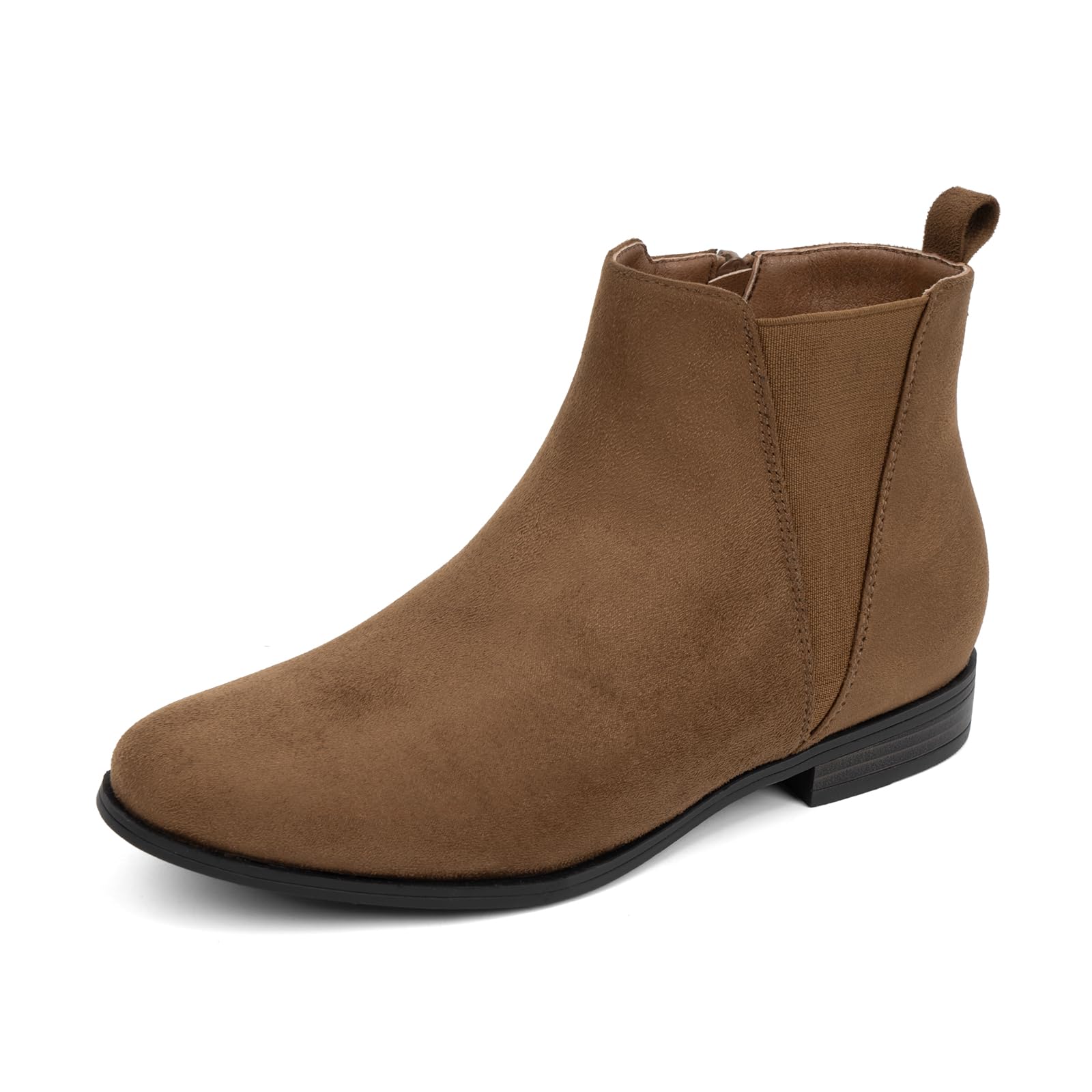
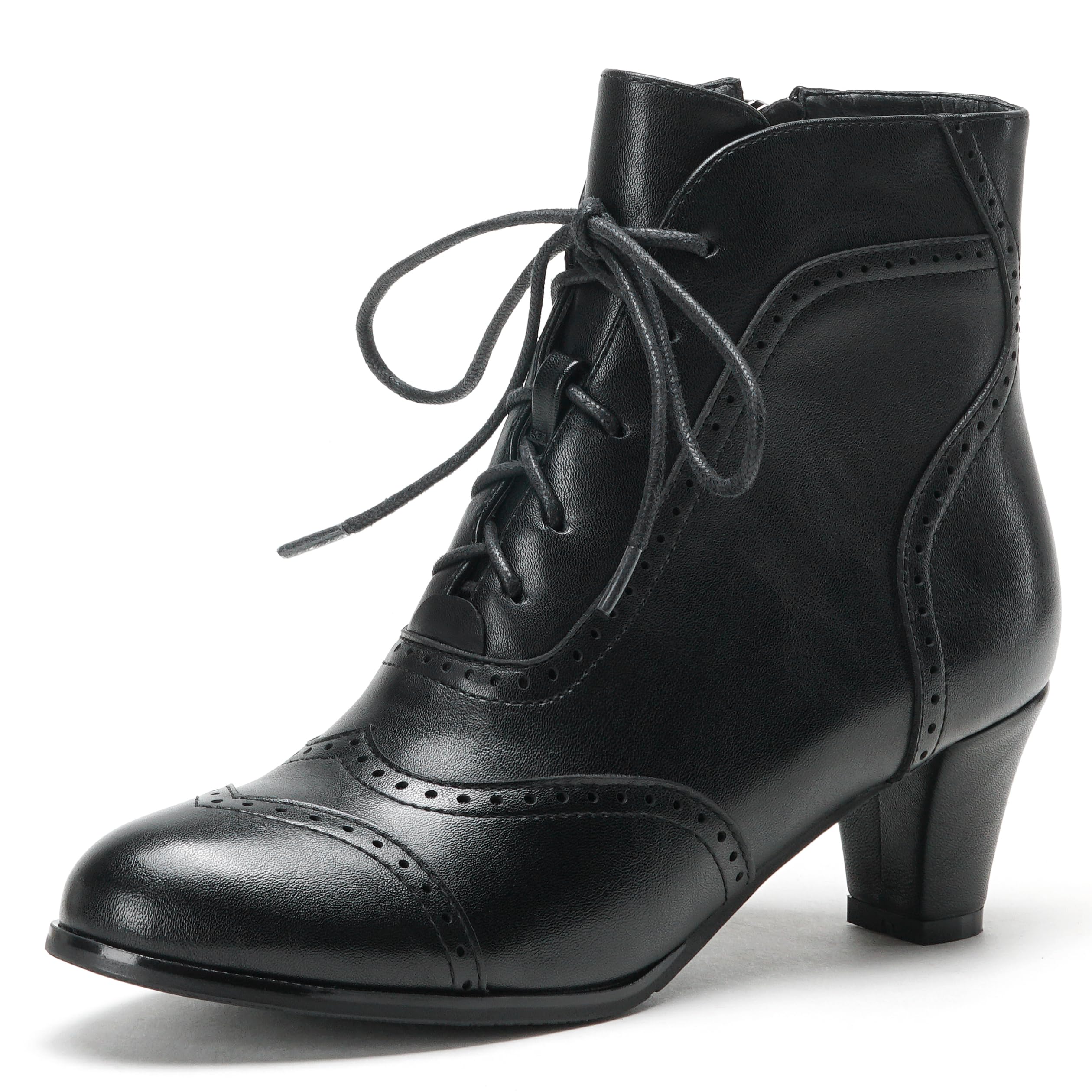

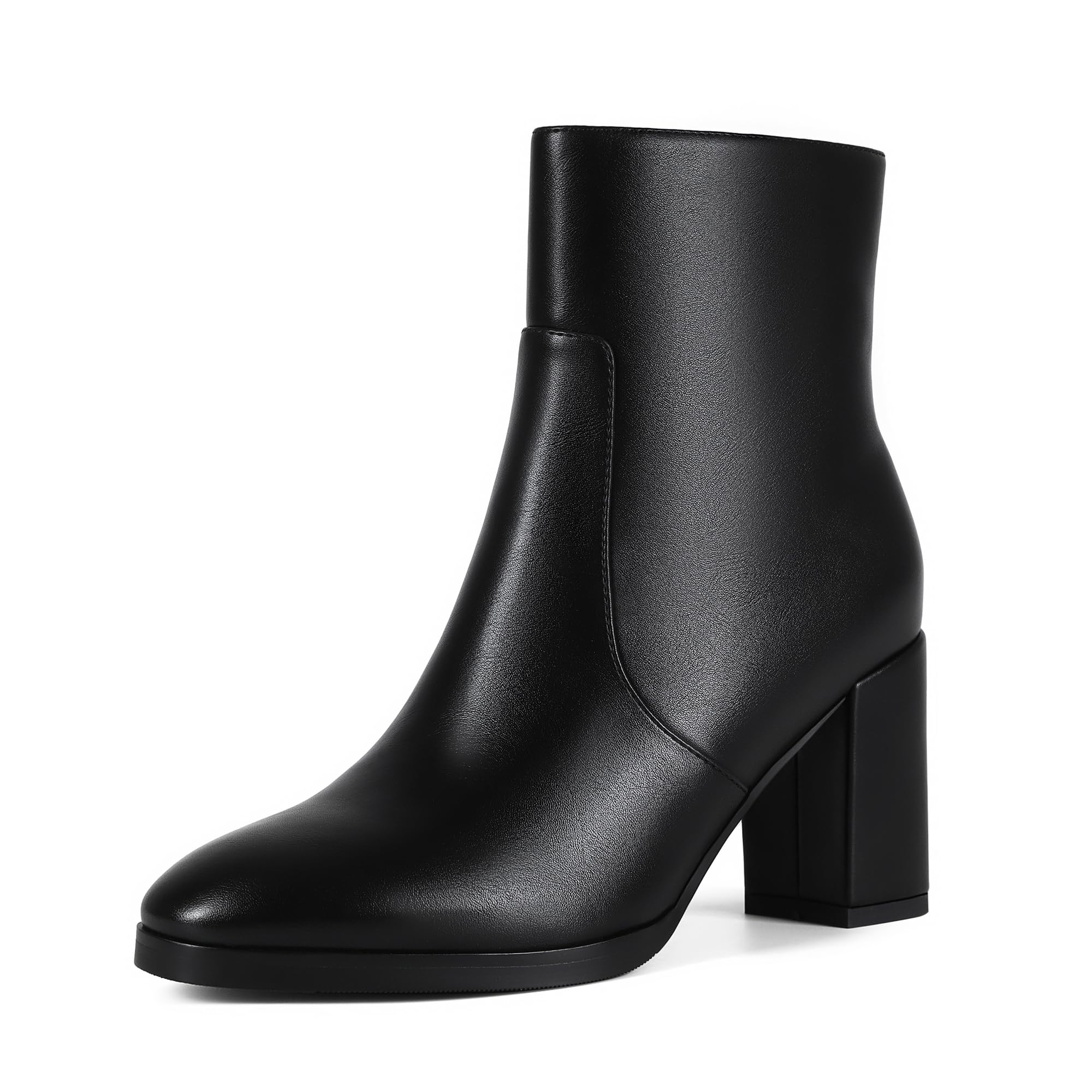


Who Should Buy Which Ankle Boots for Skinny Legs?
Your daily use and leg shape point to different closures, shaft heights and heel shapes. Match the group below that sounds most like you first.
Narrow Calves Who Want a Clean Line Under Pants
You want the shaft to sit close so fabric does not bunch above the boot. Look for a shaft height of about 5 to 7 inches and a listed opening near your own calf measurement. Laces or a buckle strap let you pull the top snug, while a plain pull on shaft often leaves a visible gap.
Slim Ankles Who Struggle With Heel Slip
Your main problem is movement inside the boot, not room at the top. Choose a shaped ankle with padding at the back, a firm heel cup and a closure that locks the midfoot down. A side zip alone does not stop slip if the ankle area is cut wide, so test the boots on carpet at home first.
Petite Buyers Who Need Proportion, Not Just a Small Size
A short leg can look swamped by a tall, stiff shaft even when the foot size is right. Shorter shafts, a slight dip at the front and a modest heel of about 1 to 2 inches keep the line balanced. Avoid heavy lug soles and wide rounded shafts, because both add visual bulk a slim leg does not need.
Key Features to Compare
Compare these factors in order, because fit around a slim leg matters more than any finish or brand name.
Shaft Opening and Shaft Height for Slim Legs
The shaft opening decides whether a boot hugs your leg or stands away from it like a bucket. For many slim calves, an opening of about 13 to 15 inches over your usual pants feels close without squeezing, but your own calf measurement is the guide. Add the thickness of fabric you will wear under the shaft, and compare that total with the listed opening.
Closures That Let You Adjust the Fit
Adjustment is how a standard width boot can work on a narrow leg. Full laces give the most control from toe to top, buckles fine tune the ankle, and elastic panels stretch for comfort but cannot make a wide shaft smaller. A side zip speeds entry yet adds no tightening on its own. Choose at least one real adjustment point if you switch between thick winter socks and thin spring socks.
Toe Box, Cushioning and Arch Support
A slim leg does not mean a narrow foot, so judge the toe box by your toes, not your calves. Your longest toe needs clear space, and a tapered toe suits dressier outfits while a rounder toe gives more room for long days. Cushioning under the heel softens hard floors, and steady arch support helps when a heeled style shifts weight forward. A modest heel to toe drop of about 5 to 10 mm feels natural for most walkers.
Upper Materials, Breathability and Weather Use
Full grain leather molds to a slim ankle over time and often lasts longest, while suede looks soft but marks easily in rain. Knit and fabric uppers feel light and breathable for mild weather, yet they stretch and can lose that close fit. If you walk in wet streets, look for sealed seams and a waterproof membrane such as Gore Tex. Choose the upper for your climate first, then for color.
Outsole Grip, Weight and Flexibility
The outsole decides how secure the boot feels once the fit is right. Shallow tread with rubber lugs grips wet pavement better than a smooth leather sole, and a flexible forefoot lets your foot roll instead of fighting the boot. Very stiff, heavy boots make slim ankles work harder on a long walk. Neutral colors pair with more outfits, but grip matters more than looks on slick ground.
Price Tiers for a Close Fit on Slim Legs
When you compare best ankle boots for skinny legs options by price, spend first on fit features and only then on finer leather. The tiers below use typical Amazon US pricing.
Under About $75: Basic Fit, Shorter Life
Budget boots usually use synthetic uppers, glued soles and simple foam insoles. You can still find laces and buckles at this level, and those matter more than decoration. Expect the shape to soften faster and the padding to compress within a season or two. This tier suits occasional wear and checking whether a shaft height suits your legs.
About $75 to $150: Real Adjustment and Better Materials
This middle range is where leather uppers, stitched soles and replaceable insoles become common, and where listed shaft measurements are more reliable. Padding at the ankle improves and closures feel sturdier. For most buyers with slim legs, this tier gives the best balance, since you pay for fit and durability rather than a name. Long term costs drop too, because new insoles can extend a sound pair.
Above About $150: Finer Leather and Closer Finishing
Premium boots add denser leather, cleaner stitching, shaped lasts and hardware that keeps its finish. Some offer narrow calf versions or extra adjustment, which is the one premium feature that truly helps slim legs. Pay this much if you wear ankle boots several days a week. Skip it if the extra cost only buys a logo or delicate suede you cannot maintain.
Long term costs stay modest if you plan for them. Budget about $15 to $30 a year for insoles, heel tips and leather care, and note that a resole costs far less than a new premium pair. For a taller style for colder months, see our guide to the best boots for skinny legs.
Common Mistakes to Avoid
These errors cost slim legged buyers returns and sore feet.
- Buying your usual shoe size without measuring your calf leaves a wide shaft gaping.
- Choosing a pull on style with no laces or buckles removes every way to tighten the boot.
- Judging fit in thin socks and then wearing thick winter socks makes a close shaft pinch.
- Picking a tall, stiff shaft for short legs overwhelms your frame and shows the gap more.
- Ignoring heel slip on the first try on lets a small slide become blisters later.
- Paying premium prices for suede in a rainy climate leaves you with stained boots.
Care and Maintenance for Ankle Boots
Wipe dust and road salt off after wear and let the boots dry at room temperature, away from direct heat that cracks leather. Use shoe trees or rolled paper in the shaft so a slim fitted ankle keeps its shape. Rotate pairs when you can, because a rest day lets cushioning recover.
Condition leather every few months, brush suede with a dry brush, and refresh water protection on outdoor pairs each season. Check heel tips for uneven wear, since a worn tip changes how your ankle rolls. For the same close fit in warm weather, see our guide to the best sandals for skinny ankles, and store boots upright out of direct sun.
Frequently Asked Questions
What features matter most in ankle boots for skinny legs?
A close shaft opening and at least one working adjustment matter most. After those, check that the ankle area is shaped rather than straight, because a straight tube cut rarely follows a slim leg. Try boots late in the day and walk on a hard floor to feel for movement that carpet can hide.
Do I need waterproof ankle boots for skinny legs?
You need waterproof ankle boots only if you regularly walk in rain, slush or wet grass. A waterproof membrane adds warmth and slight stiffness, which can help a slim ankle feel held, but it reduces airflow in summer. For mostly indoor days, a treated leather upper and a spare pair for wet weather often serve you better.
How should ankle boots fit on skinny legs?
Ankle boots should fit snugly at the heel and midfoot, with the shaft close but never tight enough to leave deep marks. You should be able to slide one finger behind your calf and no more. If the heel lifts with every step, start with a thicker insole, because it changes the foot fit least.
Can I wear ankle boots for skinny legs all day?
Yes, you can wear ankle boots all day if the heel height stays modest and the fit is secure. Movement inside the boot, not the boot itself, causes most end of day soreness for slim ankles. Break a new pair in over short outings first, and carry a thin spare insole for long events.
Are expensive ankle boots for skinny legs worth the extra cost?
Expensive ankle boots are worth it when the extra money buys a narrower shaft option, denser leather or a resoleable sole. They are not worth it when the fit is the same wide cut as a cheaper pair. Compare a Western option in our guide to the best cowgirl boots for skinny legs and a classic style in our guide to the best cowboy boots for skinny legs.
Our Verdict
Measure your calf and ankle first, demand a closure that adjusts, and let price follow fit rather than lead it. Buyers whose main issue is the ankle itself can also see our guide to the best ankle boots for skinny ankles. Use the product table to check shaft opening, heel height and price.
Chosen with those points in mind, the best ankle boots for skinny legs look deliberate rather than borrowed, and they stay comfortable all day. Buy the closest fitting pair your budget allows, and spend the savings on socks and insoles.


