
Best Ankle Boots for Skinny Ankles 2026: A Buying Guide
Disclosure: We may earn a commission when you buy through links on this page, at no extra cost to you. As an Amazon Associate I earn from qualifying purchases. Learn more

Best ankle boots for skinny ankles: opening size, shaft height and adjustment checks, plus boot types and care tips.
A standard boot opening is cut for an average ankle, so a slim ankle can swim inside it. The heel lifts with every step, socks slide down, and the shaft rubs instead of holding. Choosing the best ankle boots for skinny ankles means shopping by opening size and adjustment first, and by looks second. The product table shows how the main styles compare.
This guide starts with fit types, then works through sizing, support, waterproofing and traction, with every check written for narrow ankles.
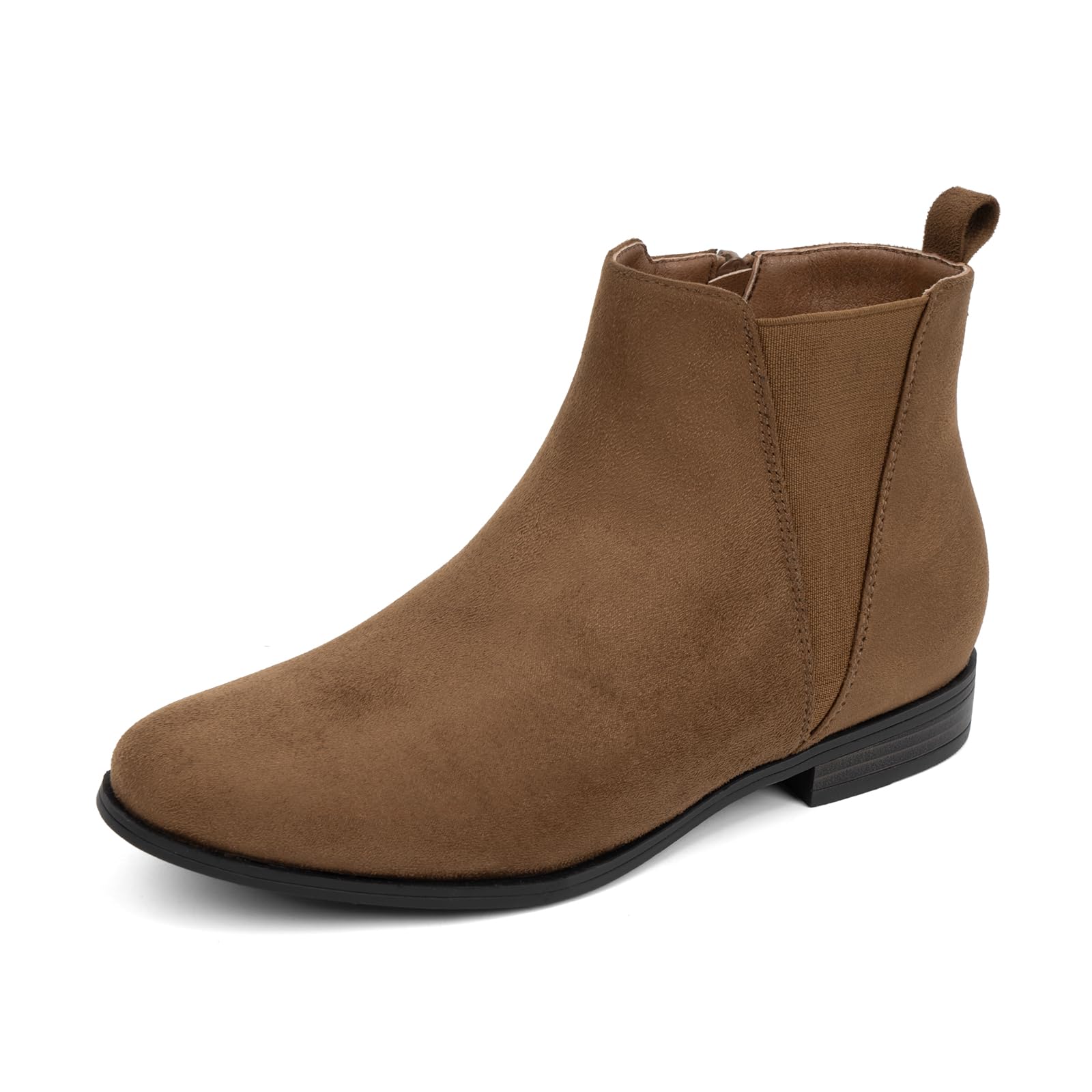


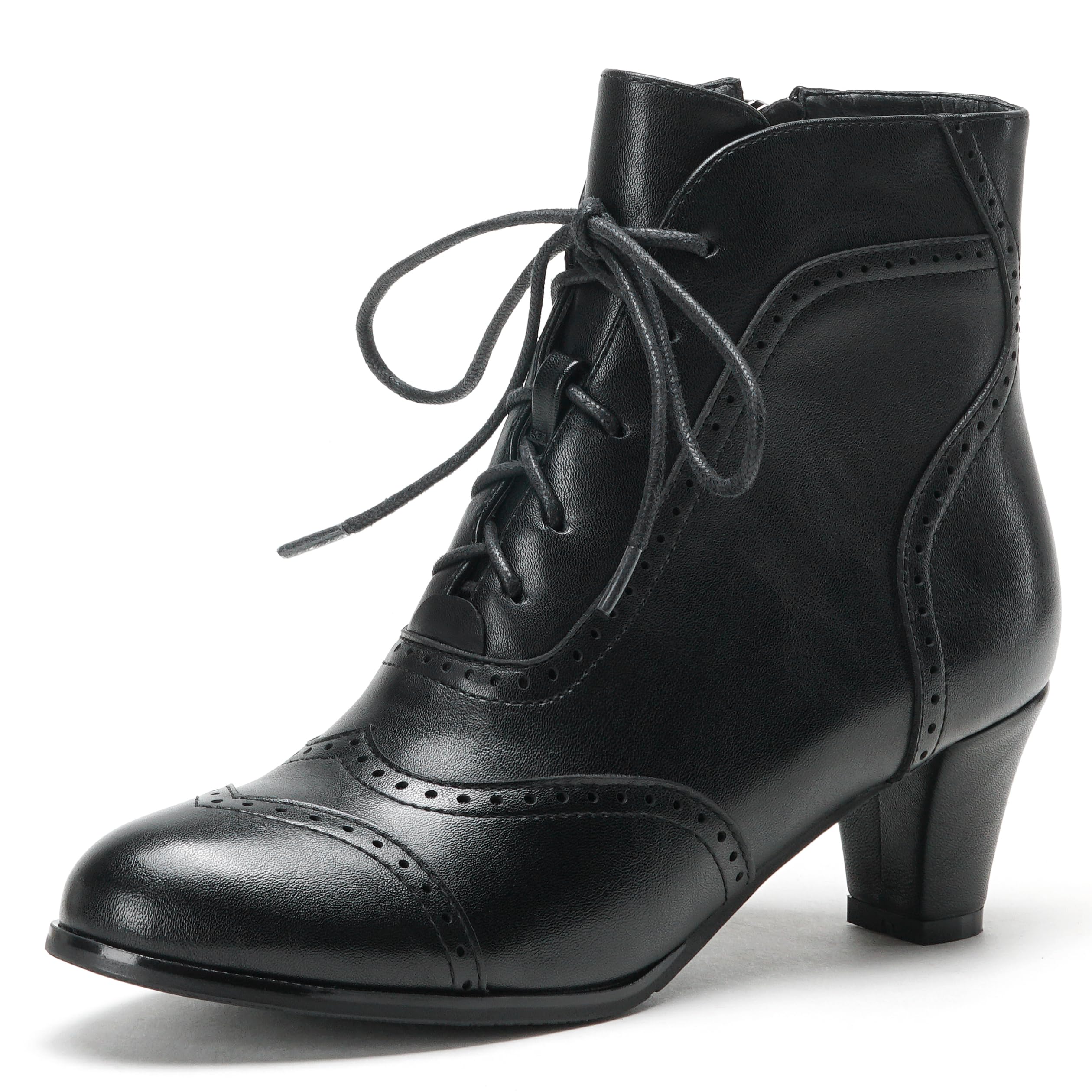
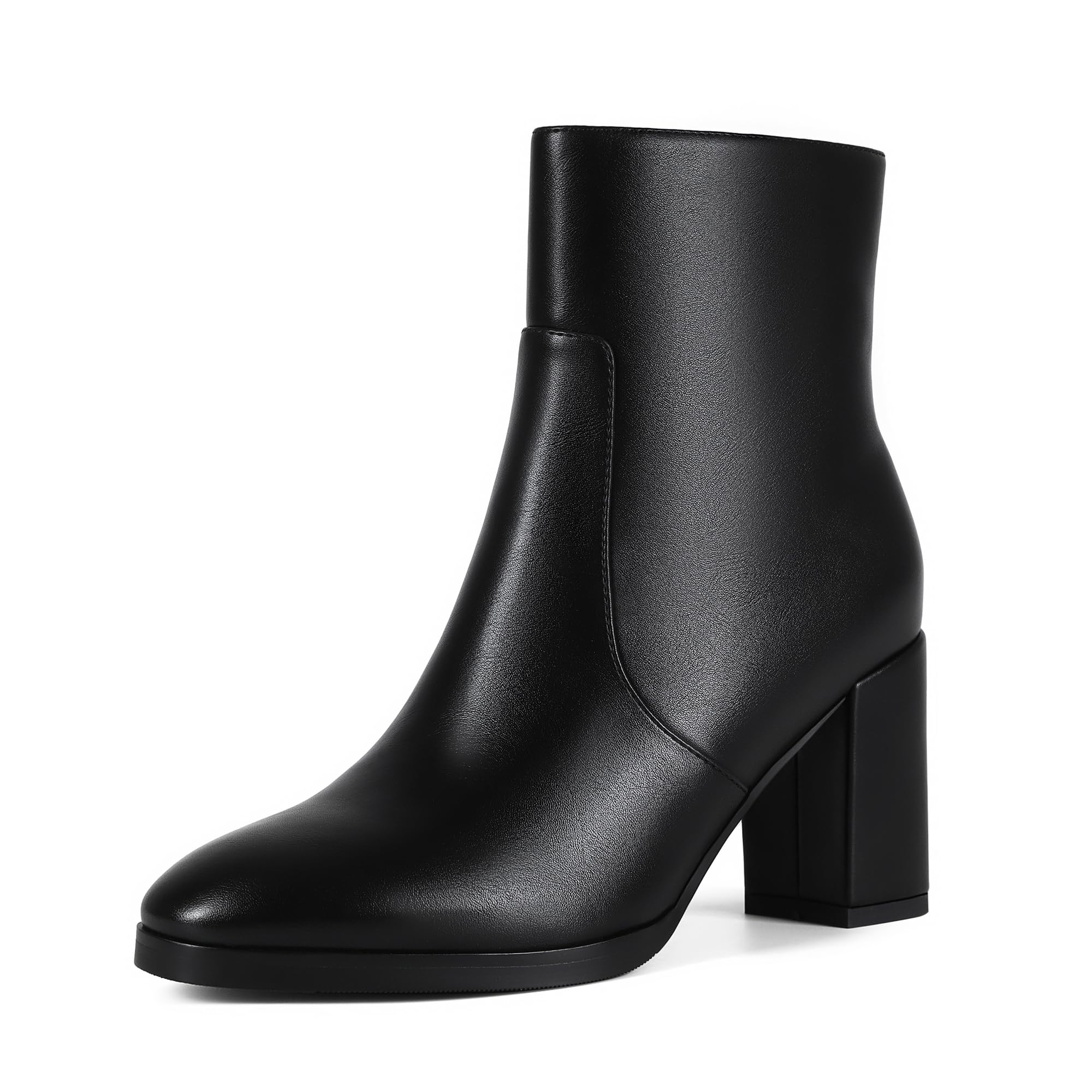

Fit Types to Compare First
Ankle boots for slim ankles fall into three fit types. Each closes the opening in a different way, and the right one depends on how much adjustment your ankle needs.
Narrow Opening Pull On Styles
Start with the gap, because it governs everything else. The wider the opening is past your ankle measurement, the more room the heel has to lift and the shaft has to rub. A narrow last (the foot shape the boot is built on) is the best sign here, because it means the whole boot was cut slimmer rather than a strap added to a standard design. Standard openings often measure about 11 to 13 inches around, while narrow designs measure about 9 to 10.5 inches.
Adjustable Lace Up Styles
A full lace run gives the finest adjustment of any class, because each eyelet pair can be tightened to match the ankle at that height. This class suits ankles that change through the day, since a morning fit can be eased by one eyelet at lunch. Laces also let you lock the heel down at the top eyelets, which stops lift without squeezing the toes.
Strap and Buckle Styles
A strap that wraps the ankle and closes through a buckle gives strong adjustment at the point where slim ankles lose contact. This class suits boots worn with thicker socks in cold months and thinner socks in warm months, because the strap moves between holes as sock volume changes. Check that the strap sits at the narrowest point of your ankle, since a strap placed too high tightens against the lower leg.
How to Choose the Best Ankle Boots: Buying Guide
Work through the checks below in order and the shortlist shrinks fast. Readers comparing the best ankle boots for skinny ankles often find that opening circumference and shaft height rule out most standard styles early.
Features That Matter for Skinny Ankles
Shaft height decides how a boot reads on a slim leg. A short shaft ending just above the ankle bone keeps the visual line compact, while a taller shaft can overwhelm a narrow leg and flare open at the top. Measure your ankle at its narrowest point and compare it with the listed opening. A difference of about half an inch gives a close fit with room for socks, while a difference past one inch usually means gapping.
Fit, Sizing, and Toe Box
Measure both feet late in the day, when they are at their largest, and shop to the larger foot. A boot for slim ankles should hold the heel with only a small lift as you walk, about a quarter inch at most in a new pair, because leather softens and lift grows with wear. The toe box still needs full room for toes to lie flat, since fixing an ankle gap by sizing down crushes the toes. If you sit between sizes, choose the larger size and take up volume with a thin insole.
Arch Support and Foot Type
Support needs follow your foot shape, not your ankle size. Flat feet often feel best with a firmer arch and a stable heel cup, while high arches often prefer more cushioning under the arch. A removable insole is worth seeking, because it lets you swap in your own support without changing boot size. Test pairs on a hard floor, since carpet hides arch pressure and heel lift.
Waterproofing and Membranes
A waterproof membrane guards the foot only up to the height of its inner lining, so a low ankle boot can still take in water over the top in deep puddles. Membranes trade some breathability for that protection, and feet may feel clammy during a long warm day. Choose a membrane for wet commutes, and plain leather for mostly dry wear. Water resistant treatments handle light rain but need renewal.
Weight and Flexibility
Light pairs at about 1.5 to 2 pounds per pair suit long walking days, while sturdier pairs at about 2.5 to 3.5 pounds bring thicker leather and stronger soles. Flex should sit at the ball of the foot, and the shaft should flex slightly rather than acting like a cast. A boot that is too stiff at the ankle forces the heel to lift inside it, recreating the slip you want to avoid.
Outsole Traction and Terrain
Lug depth sets grip: shallow lugs at about 3 mm suit city pavements and office floors, while deeper lugs at about 4 to 5 mm bite better on gravel, wet grass and light trails. Wide spaced lugs shed mud instead of packing flat. Smooth leather soles give the least hold on wet stone, so treat them as dry day footwear.
Types of Ankle Boots
Boot types differ in how they close, and closure is what a slim ankle depends on. The same slim fit logic carries across footwear, which is why best sandals for skinny ankles also rely on straps that close down rather than fixed wide bands.
Chelsea Style Pull On Boots
Elastic side panels make this the fastest class to wear, and a close cut panel can suit slim ankles. The panel stretches for entry, then rests against the ankle all day. There is no way to tighten it further, so the listed opening measure matters more here than in any other class. Choose this type for smart casual wear.
Lace Up Boots
Lace up boots give the most control over fit and suit the slimmest ankles of all. A padded collar adds contact at the top of the shaft, and varied lacing patterns let you leave the toe area roomy while drawing the ankle in close. If the slim line runs past the ankle into the calf, best ankle boots for skinny legs covers shaft height choices for the whole lower leg.
Strap and Buckle Boots
The strap is the heart of this style. Straps deliver adjustment in one quick move at the ankle point, where slim ankles need it most. Double strap designs let you set the ankle strap close and leave the upper strap looser when sitting. Narrow denim sits neatly over these low shafts, and best skinny jeans for ankle boots end right at the top of the boot.
Care and Maintenance Tips
- Rotate two pairs, because a rest day lets cushioning recover and leather dry.
- Air dry wet boots away from direct heat, since radiators crack leather and warp the shaft.
- Lace properly to prevent heel slip, drawing the top eyelets snug so the ankle stays seated.
- Brush dirt off after wear and condition leather when it looks dry.
- Store boots upright with the shaft supported, because a folded shaft sets a crease that rubs.
Ankle Boots: Your Questions Answered
What features matter most in ankle boots for skinny ankles?
Opening circumference and adjustment matter most in ankle boots for skinny ankles. A listed opening close to your ankle measure, plus laces or a strap to fine tune the hold, decides whether the heel stays seated. One point buyers miss is that the two ankles often differ slightly, so judge fit by your slimmer ankle. Nothing rescues an opening that is simply too wide.
Can I wear ankle boots all day if I have skinny ankles?
Yes, you can wear ankle boots all day if the ankle is held and the heel stays seated. A secure ankle stops the rubbing that tires feet by evening, so fit matters more for long days than cushioning alone. Retie or adjust straps once at midday, because feet change volume through the day. Red marks above the ankle bone mean the shaft edge is doing the holding instead of the closure.
How should ankle boots fit around a skinny ankle?
Ankle boots should fit close around a skinny ankle without pinching. You should fit one finger between shaft and leg, but not a whole hand, and the heel should lift only slightly as you step. New leather boots feel firmer than they will after a week, so judge the opening by its measure. Walk down steps in the shop if you can, because downhill steps reveal both ankle gap and toe crowding.
Are expensive ankle boots worth the extra cost for slim ankles?
Expensive ankle boots can be worth the cost when the money buys a narrower last and better materials. Higher price bands at about $150 to $250 often add full grain leather, resolable soles and more width choices. Budget pairs at about $60 to $120 can fit well if the opening measure is right, since fit is a measurement rather than a price point.
How long is the break in period for ankle boots?
The break in period for ankle boots is usually about one to two weeks of short wears. Leather softens fastest where it creases at the ankle, and that crease should form level with your ankle bone. Start with an hour indoors, then short walks, and add time as the shaft learns your shape. Wear the socks you plan to use daily, because sock thickness is part of the fit.
Do I need waterproof ankle boots for everyday wear?
You need waterproof ankle boots for everyday wear only if your days include standing water or long wet walks. A membrane guards against puddles and wet grass, but light rain is handled well by treated leather at lower cost and with better airflow. No ankle boot keeps water out over the top of the shaft, so route and weather matter too.
Final Thoughts
Measure your ankle, match the opening, and choose a closure you can adjust, and the rest becomes simple. The product table gathers the styles in one place. Sport classes solve the same problem their own way, since best snowboard boots for skinny ankles use liners and buckles and best ski boots for skinny ankles use close shell lasts. For daily wear, the best ankle boots for skinny ankles are the pair whose opening matches your measure.


