Best Android Tablets for Reading 2026
Disclosure: We may earn a commission when you buy through links on this page, at no extra cost to you. As an Amazon Associate I earn from qualifying purchases. Learn more

Compare the best android tablets for reading by screen comfort, weight, battery life and reading apps for books and articles.
Reading on a tablet should feel effortless, yet the wrong screen or weight can tire your eyes and hands quickly. This guide to the best android tablets for reading focuses on display comfort, weight, battery life, and app choice. The comparison table below gives a quick side by side view of the leading options. Whether you read novels, news, or study papers, the right balance of screen and comfort matters more than raw power.
Start with where and how long you read. Bedtime reading needs low brightness and warm tones, while daytime reading needs a bright, glare resistant screen. Long sessions favour lighter tablets, while study reading benefits from a larger screen and good annotation tools.


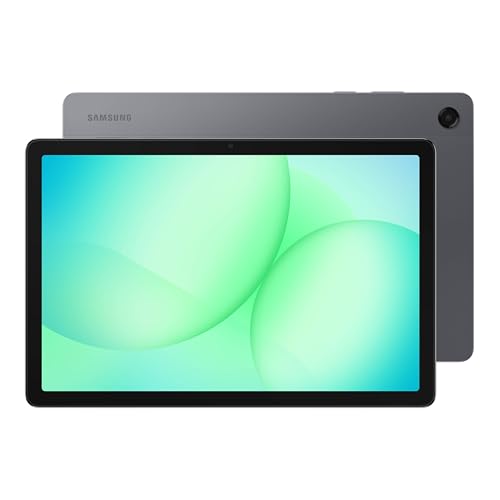
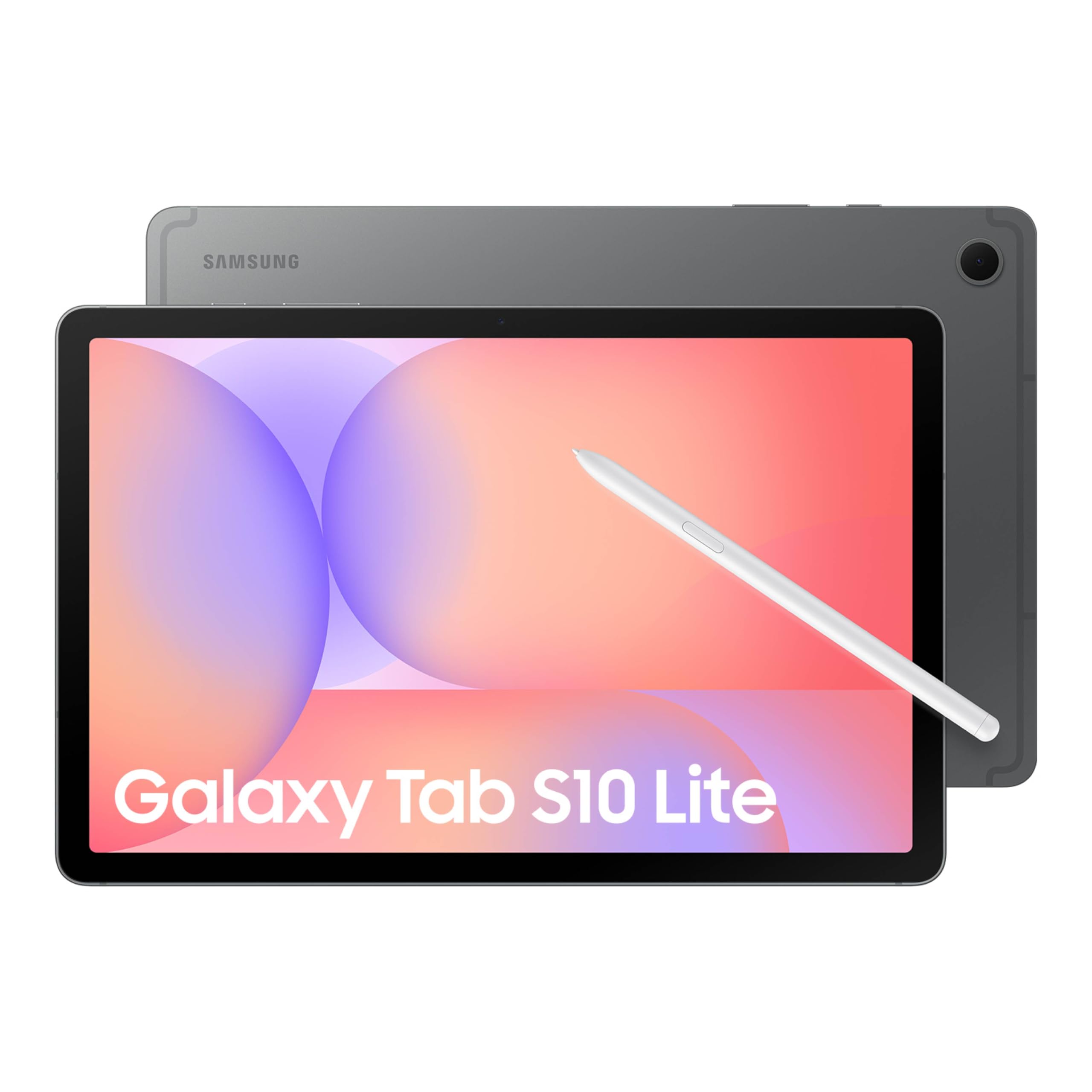

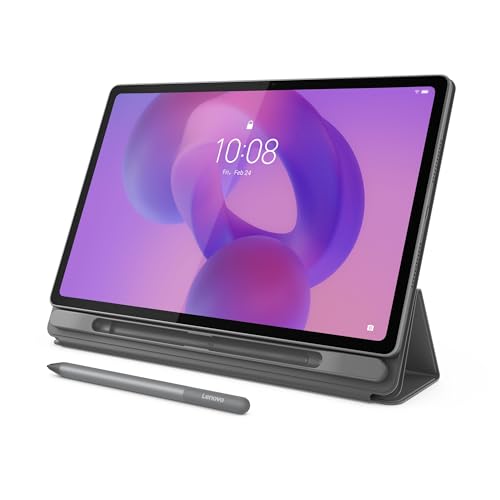
Who Should Buy a Reading Tablet
A reading tablet suits people who read daily and want one device for books, articles, and documents. It is ideal if you travel, study, or read in bed, since it replaces heavy books and keeps your library in one place. It also suits readers who use multiple apps, from ebooks to news and research papers.
A dedicated ereader may suit pure novel readers better, since it is lighter and easier on the eyes for very long sessions. A tablet wins when you also browse, annotate, and switch between formats. If you read mostly novels and nothing else, weigh that simpler option before buying a tablet, as covered in best android tablets.
Key Features of the Best Android Tablets for Reading: Screen, Weight, and Comfort
Screen quality is the top priority. Look for sharp text, accurate colours, and comfortable brightness at both low and high levels. A screen that flickers at low brightness can cause eye strain during bedtime reading, so check comfort at the brightness you actually use.
Weight and balance matter for handheld reading. A tablet that feels fine for ten minutes may tire your wrist after an hour. A lighter tablet, a good case with a stand, or a grip accessory can transform long sessions. Hold the tablet in your normal reading position before deciding.
Reading Apps and Format Support
App choice shapes your library. Check that your preferred reading apps run well and support your ebook formats, bookmarks, and sync. Some readers lock books to one store, so confirm you can access your existing library before switching devices.
Annotation and search features matter for study and work reading. Highlighting, notes, and quick dictionary lookup save time when reading papers. If you read academic material, check PDF handling, since large PDFs can be slow on weaker tablets, as covered in best affordable android tablets.
Battery Life and Storage for Readers
Reading uses less power than video, so most tablets last well for reading, but screen brightness and background apps still affect endurance. A tablet that lasts several days of reading is ideal for travel. Check battery results for reading style use, not just video playback.
Storage needs are modest for ebooks but grow with PDFs, comics, and audiobooks. A tablet with expandable storage or ample built in storage avoids constant library management. If you download audiobooks for travel, favour larger storage.
Reducing Eye Strain While Reading
Use warm tones and moderate brightness in the evening, and take short breaks during long sessions. A matte screen protector reduces glare, though it can slightly soften text. Font size and line spacing also matter: larger text with comfortable spacing reduces strain more than any single hardware feature.
Position matters too. Hold the tablet at a comfortable distance and angle rather than hunching over it. A stand or pillow support helps during long sessions in bed or on a sofa. Good posture protects your neck and shoulders as much as your eyes.
A Closer Look Before You Order
Before buying, try the tablet with your own reading material, since sample content in a shop rarely matches your books, papers, or comics. Load a chapter, a PDF paper, and a news article if possible, and check text sharpness, scrolling smoothness, and annotation tools. Real material reveals comfort issues that generic demos hide, especially for small fonts and dense layouts.
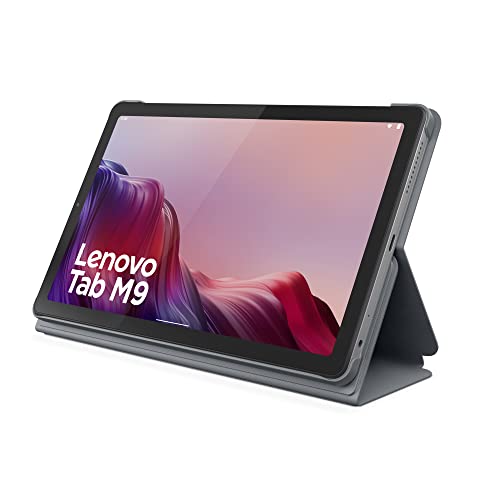
Consider a case with a built in stand, since holding a tablet for long sessions tires hands and wrists. A stand lets you read hands free at a comfortable angle, whether in bed, on a sofa, or at a desk. The right case transforms reading comfort more than a small screen upgrade, and it protects the tablet during travel.
Think about your reading sources and subscriptions, since library access, store purchases, and academic databases each have their own apps and limits. Confirm that your main sources work well on the tablet you are considering, including offline downloads for travel. A tablet that cannot access your library easily will not become a reading habit.
Choosing Reading Apps and Building a Library
Pick one or two reading apps and stick with them, so your library, highlights and reading position stay in one place. Look for an app that supports your ebook formats, lets you adjust font, margins and line spacing, and syncs your place across devices. If you borrow from a public library, check that its lending app works on Android.
Many readers also use a tablet for audiobooks and text to speech. Download titles over Wi-Fi before a trip, keep storage free for updates and organize books into collections by topic so the next read is easy to find.
Frequently Asked Questions
Is a tablet or a dedicated ereader better for reading?
A tablet is more versatile, handling apps, PDFs, and colour content, while an ereader is lighter and gentler for very long novel sessions. Choose a tablet if you read varied formats and use apps, and an ereader if you read only novels for hours at a time. Many readers own both for different situations.
What screen size is best for reading?
A medium tablet around eight to eleven inches suits most readers, balancing text size and portability. Smaller tablets are easier to hold, while larger ones suit PDFs and comics. Try your normal reading material on the size you are considering, since font and layout change the experience.
How can I reduce eye strain when reading on a tablet?
Use comfortable brightness, warm evening tones, and a readable font size with generous line spacing. Take breaks every half hour and avoid reading in complete darkness at high brightness. A matte protector and a good reading position also help during long sessions.
Do I need a lot of storage for ebooks?
Ebooks use little storage, so even modest capacity holds thousands of books. PDFs, comics, and audiobooks need more space, so heavy users of those formats should choose larger storage or expandable storage. Cloud libraries help, but local storage matters for travel.
Can I read comfortably in sunlight?
A bright screen with good anti glare handling helps outdoors, though no tablet matches a dedicated ereader in direct sun. Shade, a matte protector, and higher brightness improve outdoor reading. If you read outdoors often, prioritise peak brightness and glare control.
Final Thoughts
The best reading tablet is the one you can hold comfortably for a long session, with a screen that stays easy on your eyes. Use the product table above to compare the leading options, then try your own reading material on the screen before deciding.
Prioritise screen comfort, weight, and your reading apps over raw power. A tablet chosen that way becomes a daily reading habit rather than a device that gathers dust. In short, choosing the right best android tablets for reading comes down to matching the guidance above to your own needs and routine.