Best Android Tablets for Designers of 2026: Complete Buying Guide
Disclosure: We may earn a commission when you buy through links on this page, at no extra cost to you. As an Amazon Associate I earn from qualifying purchases. Learn more

Compare the best android tablets for designers on color accuracy, pen support, RAM, storage and ports for client ready work.
Design work punishes a weak screen and a lagging pen faster than almost any other tablet use, because clients see the results of both. This guide to the best android tablets for designers focuses on color accuracy, pen control, and file handling, so you can judge models by studio needs rather than entertainment specs. Read the criteria first, then use the comparison table below to check your short list against them before you spend.




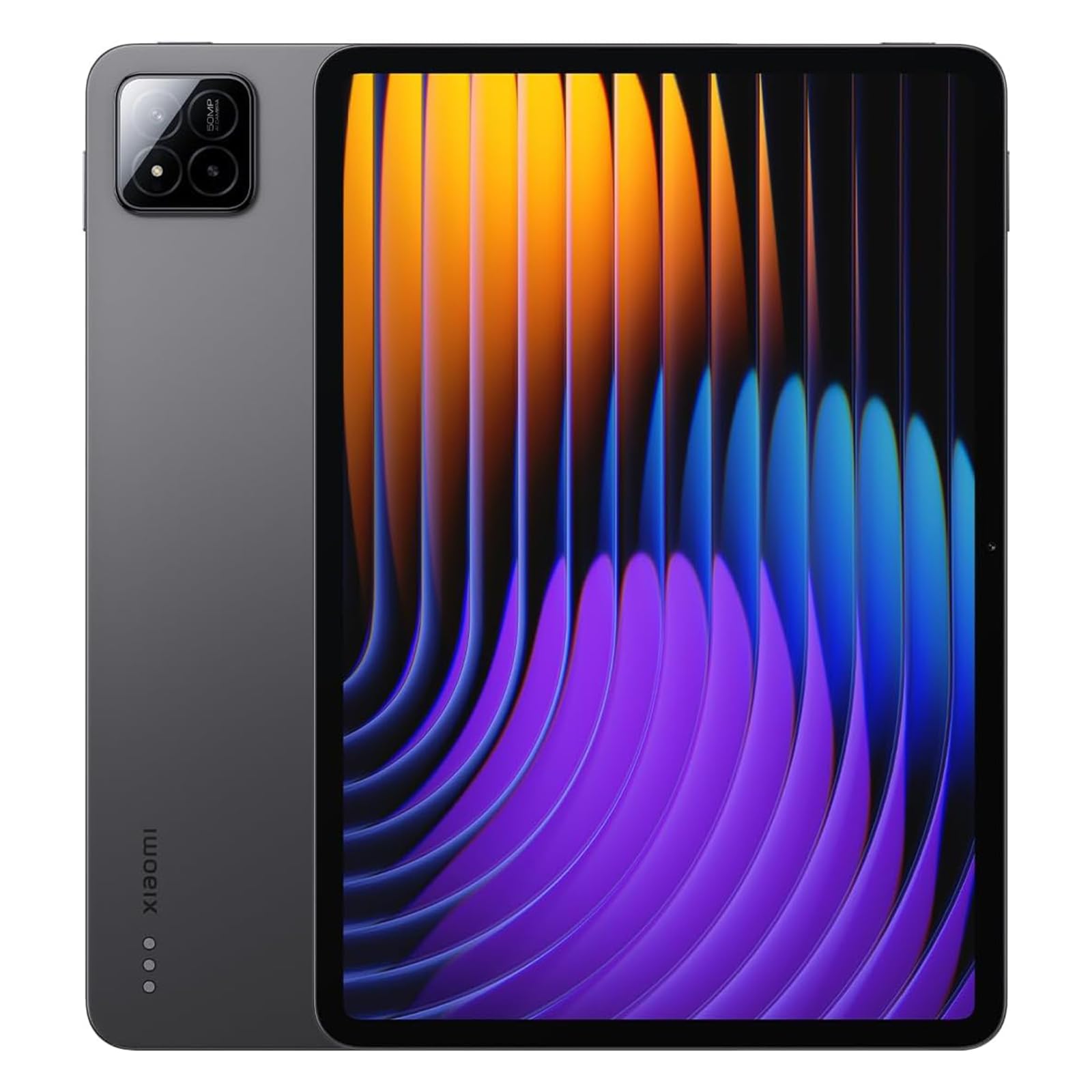

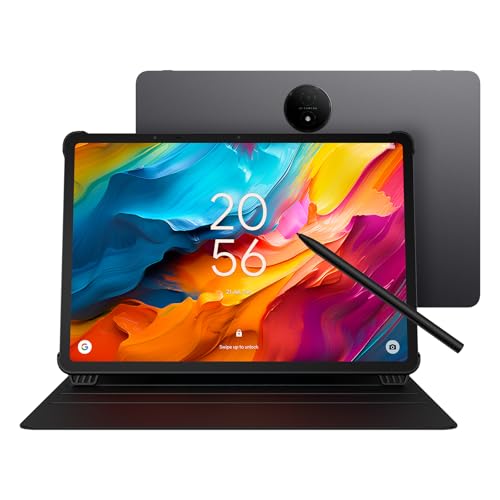

Three Buyer Profiles at a Glance
Balanced Profile
The overall profile targets working designers who need one tablet for concepts, reviews, and light production. Look for an 11 to 12 inch color accurate display, 8 GB to 12 GB of RAM, 256 GB of storage, and a responsive pen included or officially supported. This balance handles interface mockups, illustration, photo edits, and client presentations without the cost of the largest premium models. For most freelancers and in house designers, this is the profile to price first.
Low Cost Profile
The value profile suits students, junior designers, and anyone building a portfolio on a budget. You keep the essentials, which are a sharp screen with full sRGB coverage, reliable palm rejection, and at least 8 GB of RAM, while accepting a smaller display or 128 GB of storage. Cloud storage fills the storage gap for most project workflows. The savings can fund the apps, fonts, and stock assets that turn a capable tablet into a working studio tool.
Upgrade Profile
The upgrade profile is for designers whose tablet is a primary work screen. It adds a large high resolution panel with wide color coverage, 12 GB or more of RAM, fast storage, and the lowest pen latency you can find. An external monitor connection over USB C also belongs here, since presenting and extending your workspace matter at this level. Buy this tier when billable work depends on the tablet daily and delays or color errors carry a real cost.
How to Choose the Best Android Tablets for Designers
Features That Matter for Designers
Designers need color they can trust, a pen that tracks at slow speeds, and apps that exchange files cleanly with desktop tools. Check color coverage in the specifications, confirm that your main design apps have full featured Android versions, and check export formats such as SVG, PDF, and layered files before you commit. A tablet that cannot hand a clean file to your computer creates rework on every project, which no discount can offset.
Processor and Performance Tier
Interface design and illustration run well on midrange processors, but large photo files, many layer documents, and 3D preview tools reward a stronger tier. Pair the processor with RAM, because a fast chip with only 6 GB will still reload apps during multitasking. For client calls with a mockup open, notes in a second window, and reference images nearby, 8 GB is a working minimum and 12 GB feels calm under pressure.
Display Size, Resolution, and Brightness
Your display is both canvas and proofing screen, so it deserves the largest share of the budget. Around 11 to 12 inches gives room for panels and toolbars without shrinking the canvas, and high resolution keeps fine type and thin lines readable. Brightness of 400 to 600 nits helps in bright studios and cafes. Most important for design is color coverage and consistency, so favor panels that state wide gamut coverage and good factory calibration over panels that only advertise size.
RAM and Storage
Design files grow quickly, especially layered illustrations, photo libraries, and video clips for motion work. Choose 256 GB if you keep active projects on the device, or 128 GB with a memory card slot and a disciplined cloud routine. Storage speed also matters when you open large files, though makers rarely state it clearly. Our general guide to the best android tablets covers baseline specs if you want a wider view before narrowing to design models.
Ports and Connectivity
USB C is your main port for charging, file transfer, and, on better models, video output to a monitor or projector. Confirm video output support in writing if presentations are part of your job, because not every USB C port carries a display signal. Fast WiFi keeps cloud libraries and large client files moving, and Bluetooth support for a keyboard and mouse helps during layout tweaks and long naming or organizing sessions in your file manager.
Battery Life in Real World Use
Design apps with bright screens and constant pen input use more power than reading or video. Expect about six to nine hours of active work, and plan your studio setup around that range with a charger or dock within reach. Fast charging softens the limit during client days. If you present work in person, arrive with a full charge and a cable, because a borrowed charger with low output may not keep up while the screen stays on.
Android Tablets vs Other Options
Budget Laptops
A budget laptop runs full desktop design software and handles complex file management, printing, and long typing with ease. Its screen is often its weak point at low prices, with narrow color coverage that makes proofing risky. Choose a laptop when your deliverables demand desktop only programs. Choose a tablet when pen input, portability, and presenting work in meetings matter more, and pair it with cloud tools for handoff.
2 in 1 Convertibles
A convertible runs desktop programs and folds for pen work, which suits designers locked into specific Windows tools. It is heavier in tablet mode and usually costs more for pen quality equal to a good Android tablet. If one device must do everything and your software demands it, a convertible is a fair answer. Designers who already own a capable computer often prefer a lighter tablet as the pen and travel companion instead.
Ultraportables
A thin and light laptop offers a great keyboard, strong performance, and a larger screen for detailed layout work on the road. It lacks a true pen on glass experience on most models, so sketching and annotation feel indirect. Ultraportables suit art directors and managers who review more than they draw. Designers who draw by hand usually get more from a tablet, even at a lower price, because the pen changes what they can do in a meeting.
Gaming Laptops
A gaming laptop brings powerful graphics for 3D design, motion work, and rendering, plus large screens and many ports. It is bulky, loud under load, and poor value if your work is mainly two dimensional design and illustration. Consider one only when 3D or video is central to your paid work. Readers weighing that route can compare with tablet based pen options in our guide to the best pc tablets for a middle path.
How to Make Your Android Tablet Last Longer
- Keep the system and your design apps updated, since updates often improve pen drivers, color handling, and file support as well as security.
- Avoid running at full charge all the time when the tablet lives on a desk dock. Let the battery cycle through the middle range during the week.
- Use a padded sleeve when commuting, and carry the pen in a case slot rather than loose in a bag where the tip can be damaged.
- Back up project files to cloud storage or a computer every day you work. A lost tablet should never mean a lost client deadline.
- Clean the screen with a soft dry cloth, and keep food and drink away from the desk area where the pen and tablet rest.
- Archive finished projects off the device each month, so storage pressure does not slow exports or updates.
Color care is a designer specific habit worth adding. Recheck your screen against a known reference image every few months, and note whether whites still look neutral in your usual lighting. Room light changes how color appears, so do final color judgments in the same conditions your clients or printers expect. Designers comparing dedicated options can also review our guide to the best tablets for designers for pen and software notes beyond Android alone.
Android Tablets: Your Questions Answered
What features matter most in android tablets for designers?
Color accurate display, low pen lag, and clean file export matter most, because they decide whether work made on the tablet survives the trip to a client or printer. Confirm wide color coverage, at least 8 GB of RAM, and strong Android versions of your main apps. A small extra check helps too. Open one of your real project files on a display unit if a store allows it, since your own files reveal lag and scaling issues that demo images hide.
Is a dedicated GPU worth it?
Android tablets do not offer a separate graphics card, so you choose graphics strength through the processor tier instead. That strength pays off for 3D previews, large photo work, and motion graphics, and matters little for interface design, illustration, and layout. If your paid work is mainly two dimensional, put the money into screen quality and storage. Those upgrades improve every project, while extra graphics power would sit unused most days.
How much RAM do I need?
Plan on 8 GB as the working minimum for design, and 12 GB if you keep large layered files, reference boards, and a call or browser open at once. RAM shortages appear as redraw delays and app reloads right when you switch context, which breaks concentration during client sessions. If two models are close in price, the one with more RAM usually ages better for design work, because project files grow every year.
Should I buy a laptop or a tablet?
Buy a tablet when pen input, sketching, annotation, and presenting are central to your process, and when your apps have strong Android versions. Buy a laptop when desktop only software, complex print preparation, or long document work dominates your week. Many designers end up with both over time, but your first purchase should match the work you are paid for now, not a future role you hope to hold.
How long should an android tablet last?
A design tablet should last about three to five years if update support holds and the battery is treated well. Pen tips and nibs are consumables and need regular replacement for consistent line quality. Software is the other limit, since design apps raise their minimum system versions over time. Choosing a model with several promised years of updates protects your workflow better than a small speed advantage today.
Final Thoughts
Judge every model by screen color, pen control, and file handoff first, then by RAM and storage, and only then by price. The comparison table above gathers the current options so you can weigh those points side by side. Chosen that way, the best android tablets for designers pick becomes a studio tool you trust in front of clients, not just a nice screen for media at home.