Best Android Phones and Prices: Every Type Explained Side by Side for 2026
Disclosure: We may earn a commission when you buy through links on this page, at no extra cost to you. As an Amazon Associate I earn from qualifying purchases. Learn more
Compare best android phones and prices by type, from compact to camera focused and flagship models, and see what each budget buys.
Shopping for a new phone can feel confusing when similar screens, cameras, and storage options appear at very different prices. This guide to best android phones and prices sorts phones by type first, then explains what each type usually offers, so you can judge value without chasing one feature in isolation. The comparison table below gives a quick side by side view before the detail that follows.
Prices in this guide are approximate, and they can change with sales, storage choices, and carrier terms. Focus on processor speed, camera quality, screen quality, battery size, and update support for your daily routine. A cheaper phone that fits that routine well is often a better buy than a costly phone whose extra power you rarely use.

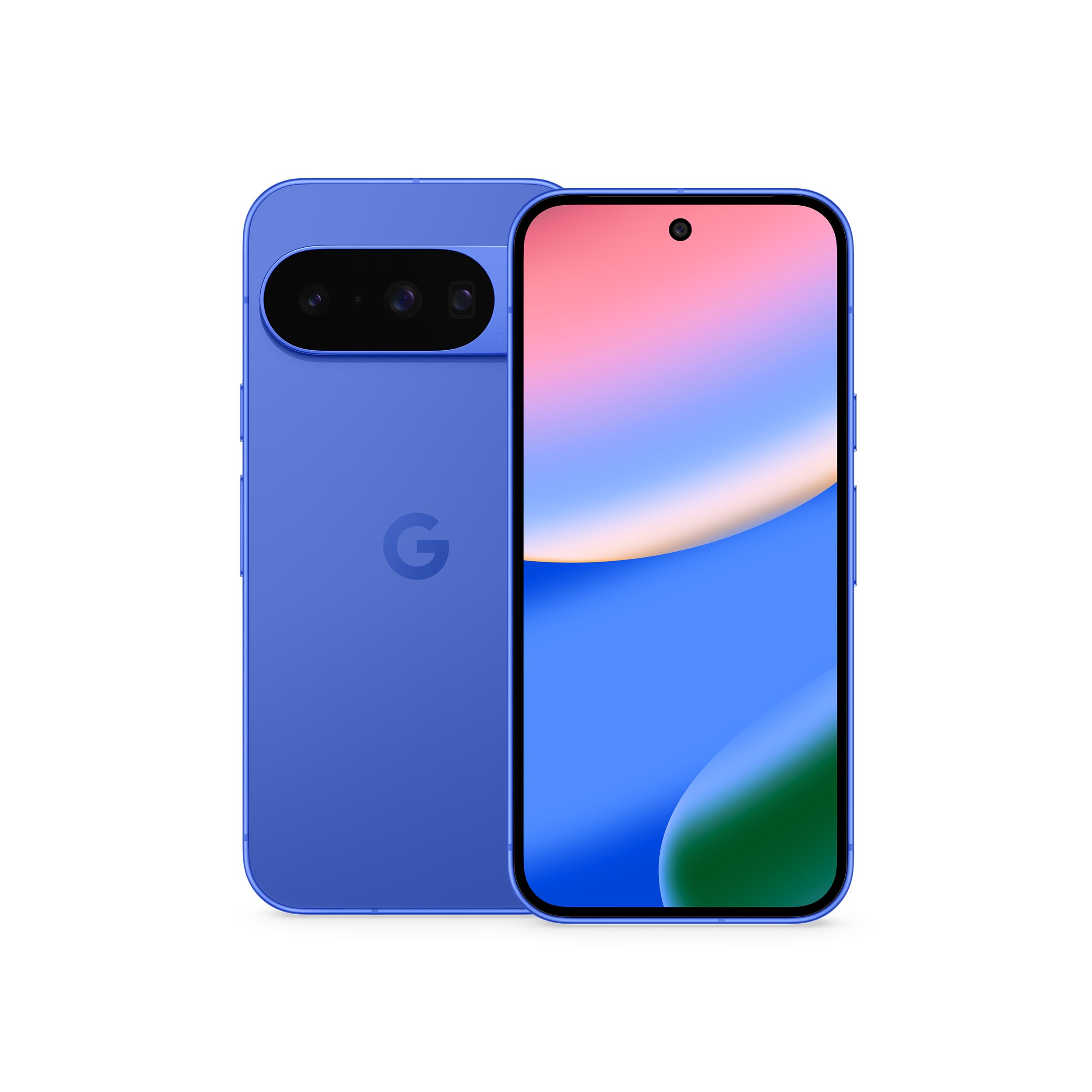
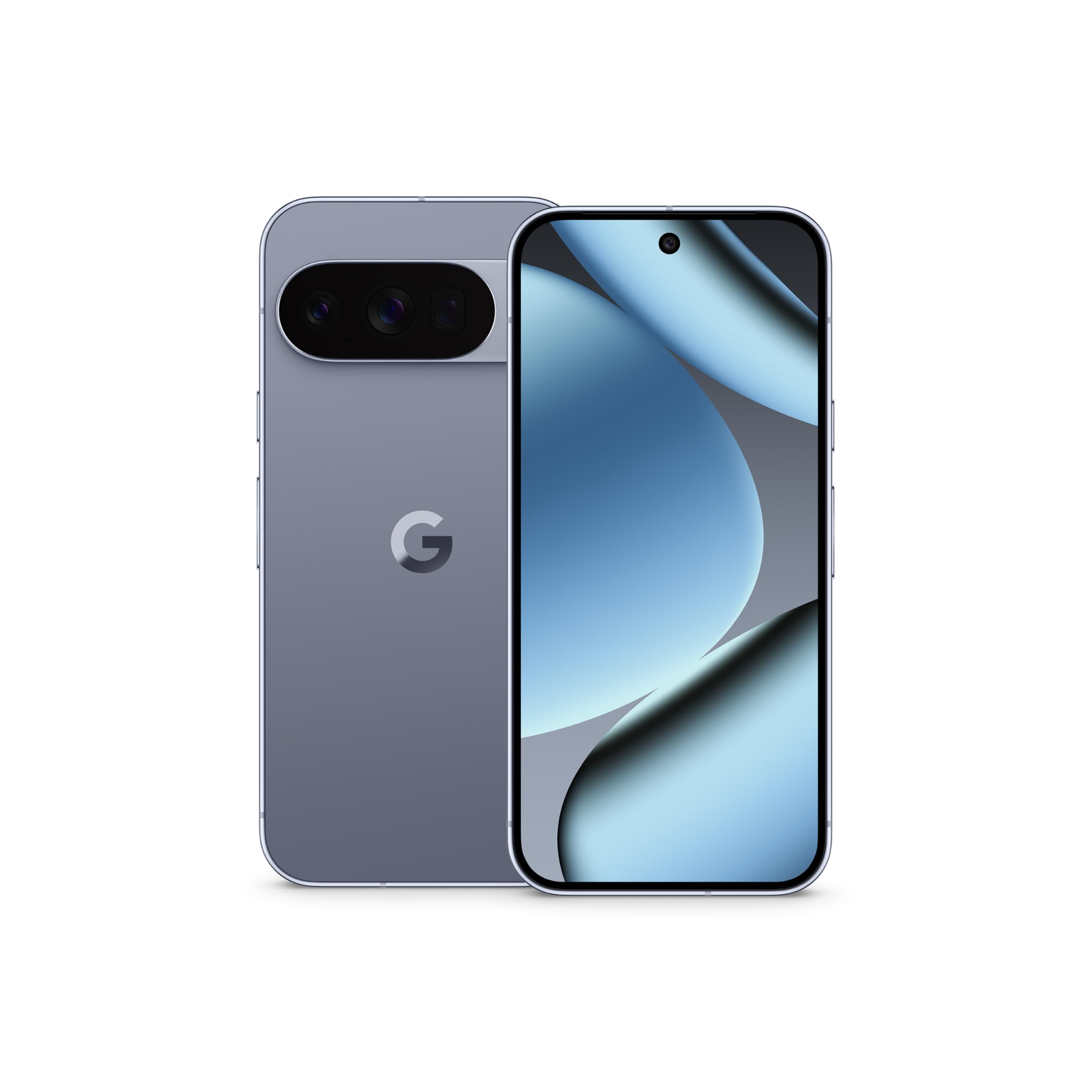


Types of Android Phones and Prices Compared
Phone types differ more in daily feel than in a single specification. A compact phone is easy to hold and carry, a camera focused phone puts more money into lenses and image processing, and a flagship phone tries to do almost everything at a high level. The table below summarizes those trade offs, and the sections after it explain each type in more detail.
| Type | Best For | Pros | Cons | Typical Price |
|---|---|---|---|---|
| Compact phones | One hand use and light pockets | Easy to hold, simple to carry | Smaller screen and battery | around $300 |
| Camera focused phones | Photos, video, and night shots | Strong cameras and processing | Higher cost, larger size | around $700 |
| Flagship phones | Heavy use and long term ownership | Fast performance, bright screens | Highest price, larger size | around $1,000 |
Compact Phones
Compact phones suit readers, callers, and light app users who value a phone that fits comfortably in one hand. The screen is smaller, so typing and video feel less spacious, but the phone is easier to carry and less likely to slip from your grip. Battery capacity is often smaller than in large phones, so check battery size and charging speed if you spend long days away from a charger.
A compact phone is a good choice when comfort matters more than a huge display or the longest battery life. It also tends to cost less than a flagship, which leaves room for a case and a screen protector. Before you buy, hold a similar sized phone if you can, and check whether your hands and pockets make a smaller phone practical.
Camera Focused Phones
Camera focused phones spend more of their budget on the main camera, an ultrawide camera, and sometimes a telephoto camera for distant subjects. Image processing matters as much as hardware, because it affects color, detail in low light, and how well moving subjects stay sharp. Video features also deserve attention, including stabilization and sound in noisy places.
The trade off is usually price and size, since larger camera systems need more space and power. Storage also matters more here, because photos and video fill space quickly, so plan for larger storage or a reliable cloud plan. Look at sample photos in varied light, and check night mode, portrait mode, and focus speed.
Flagship Phones
Flagship phones aim for the fastest processor, the brightest and smoothest screen, the most complete camera system, and the longest software support window in the range. They suit heavy users who edit photos, play demanding games, record long video, or keep a phone for many years. The screen usually offers a high refresh rate and strong outdoor brightness, which makes scrolling and video feel more fluid.
The main drawback is price, and not every buyer needs the full flagship set. If your daily use is mainly calls, messages, maps, and light photos, a mid range phone may feel almost as smooth for far less money. A flagship makes most sense when you plan to keep the phone for years or use demanding apps often.
Compact Phones vs Camera Focused Phones: Which Should You Choose?
Choose a compact phone when size, weight, and easy one hand use matter most, and when your photos are mainly casual snapshots in good light. Choose a camera focused phone when photos, video, or low light shooting are a regular part of your week, and when you are willing to carry a larger phone for that gain. Screen size, battery life, storage, and price should also shape the choice, because a camera phone with too little storage can become frustrating fast.
Think about your last month of phone use before you decide. If most of your time went to messages, calls, maps, and reading, comfort and price may matter more than camera depth. If your camera roll is full of family events and travel, the camera system is worth the extra size and cost.
How to Choose the Right Android Phone and Price
Processor and Everyday Performance
The processor and memory decide how smooth a phone feels when you switch apps, load maps, edit photos, or play games. A strong processor helps demanding apps stay fluid, while enough memory keeps several apps ready in the background. For light use, a modest processor is often enough, but heavy multitasking and gaming benefit from a faster chip and more memory.
Camera System
A good camera system starts with the main camera, then adds an ultrawide camera for wide scenes and, in some phones, a telephoto camera for distance. Night mode, portrait mode, and video stabilization matter more in daily use than extra modes you may never open. Look for natural color, sharp detail in varied light, and fast focus, especially for children, pets, and moving subjects.
Display Size and Quality
Screen size affects reading, typing, video, and one hand use, so a larger screen is not automatically better for every buyer. An OLED screen usually gives deep blacks and vivid color, while a high refresh rate makes scrolling feel smoother. Outdoor brightness matters if you use maps or navigation in sunlight, and a readable outdoor screen can matter more than a small gain in resolution.
Storage Options
Storage decides how many photos, videos, apps, and files you can keep without frequent cleanup. A 128GB phone suits light users who stream most content, while a 256GB phone gives more room for photos, video, and large apps. Some phones accept a microSD card for photos and files, though apps and system files still need internal storage.
Carrier Compatibility and 5G
Carrier compatibility is easy to overlook, yet it decides whether a phone works well on your network and in your area. An unlocked phone can be used with different carriers, but you should still check that it supports the network bands your carrier uses, especially for 5G. Coverage and speeds vary by location, so check carrier terms and coverage maps for the places where you live, work, and travel.
Tips to Get the Most From Your Android Phone and Price
Use a case and screen protector from the start, because a cracked screen can cost far more than basic protection. Keep software updated, since updates often bring security fixes and smoother performance. Avoid charging in extreme heat, because heat can age a battery faster over time.
Set up cloud backup for photos and contacts before you need it, and review storage every few months so the phone does not fill up at an awkward moment. Turn off background features you do not use, and check battery use if a new app drains power quickly. See our guide to the best performing android phones if raw speed is your top priority, and see our guide to the best inexpensive android phones if keeping the total cost low matters most.
Frequently Asked Questions
Should I buy an unlocked Android phone?
Yes, an unlocked phone is often a good choice if you want freedom to change carriers or plans without buying a new phone. An unlocked phone still needs the right network bands for your carrier, so check compatibility before you buy, especially for 5G in your area. Carrier phones can offer financing or promotions, but they may lock you to one network for a set period. Compare the total cost, including the plan, before you decide which route fits your budget.
Do I need 5G on an Android phone?
5G is useful if you download large files, stream high quality video, or use your phone as a hotspot often, and if your carrier offers strong 5G coverage where you live. For calls, messages, maps, and light browsing, a good 4G connection is often enough, and coverage matters more than the label on the box. Check real coverage in your area, not just national maps, and weigh 5G against battery life, storage, and camera quality. A phone with solid 5G support is a sensible future proof choice, but it should not outweigh the features you use daily.
How many years of updates should an Android phone get?
Look for several years of operating system and security updates, because updates keep apps working well over time. Longer support is especially valuable if you plan to keep the phone for four or five years, since older software can miss security fixes and new app features. Check the maker update policy for the exact phone you are considering, because support windows vary widely by price level and maker. A phone with a shorter support window can still be fine for a short term buy, but it is a weaker long term value.
How much storage do I need on an Android phone?
Most light users do well with 128GB, while photo lovers, video recorders, and gamers should consider 256GB or more. Photos, video, and large games fill storage faster than messages and maps, so review how much space your current phone uses before you choose. A microSD card can help on phones that support one, but it does not replace internal storage for apps and system files. When in doubt, choose the larger storage option if the price jump is modest, because running out of space is frustrating.
Is a mid range Android phone good enough?
Yes, a mid range phone is good enough for most calls, messages, maps, social apps, photos, and light gaming, especially when it offers a bright screen and enough storage. It may use a slower processor or a simpler camera system than a flagship, but the gap is smaller than it once was for everyday tasks. The Android phones buyers often overlook are mid range models that balance price, battery, and screen quality well. Choose a mid range phone when value matters most, and save the flagship budget for heavy camera, gaming, or long term ownership needs.
Final Thoughts
The right phone is the one that fits your hands, your daily apps, your camera habits, and your budget at the same time. Compare types first, then check processor speed, camera quality, screen quality, storage, carrier compatibility, and update support for the models in your price range. The product table can help you narrow the field, but your own use pattern should make the final call. That balanced approach is the heart of finding best android phones and prices that feel right long after the first week.
Prices and availability can change, so check the product page before ordering, and confirm carrier compatibility and return terms before you commit.