Best and Warmest Winter Boots by Budget for 2026
Disclosure: We may earn a commission when you buy through links on this page, at no extra cost to you. As an Amazon Associate I earn from qualifying purchases. Learn more
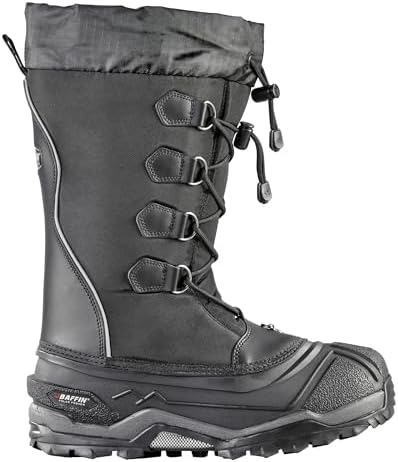
Compare the best and warmest winter boots at every price point. Learn what you get at budget, midrange, and premium levels and where spending more pays off.
Prices for insulated winter boots stretch from under $100 to well past $250, and price alone tells you little about how warm a pair feels at a bus stop in January. The best and warmest winter boots for your winter depend on insulation, waterproofing, traction and time outside, so use the comparison table below to match each tier to your coldest day.
This guide skips named picks and explains what each price level actually buys, which features matter in deep cold, and how fit with thick socks changes the warmth you feel.


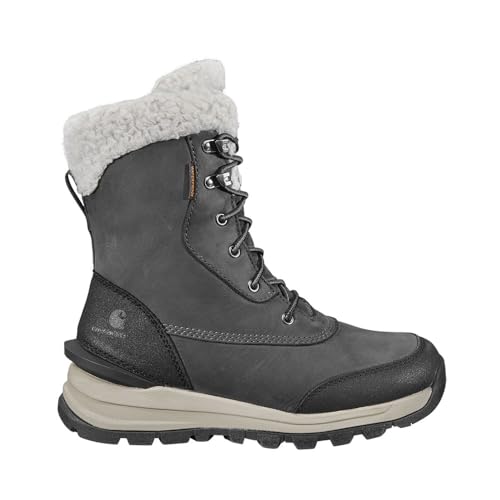

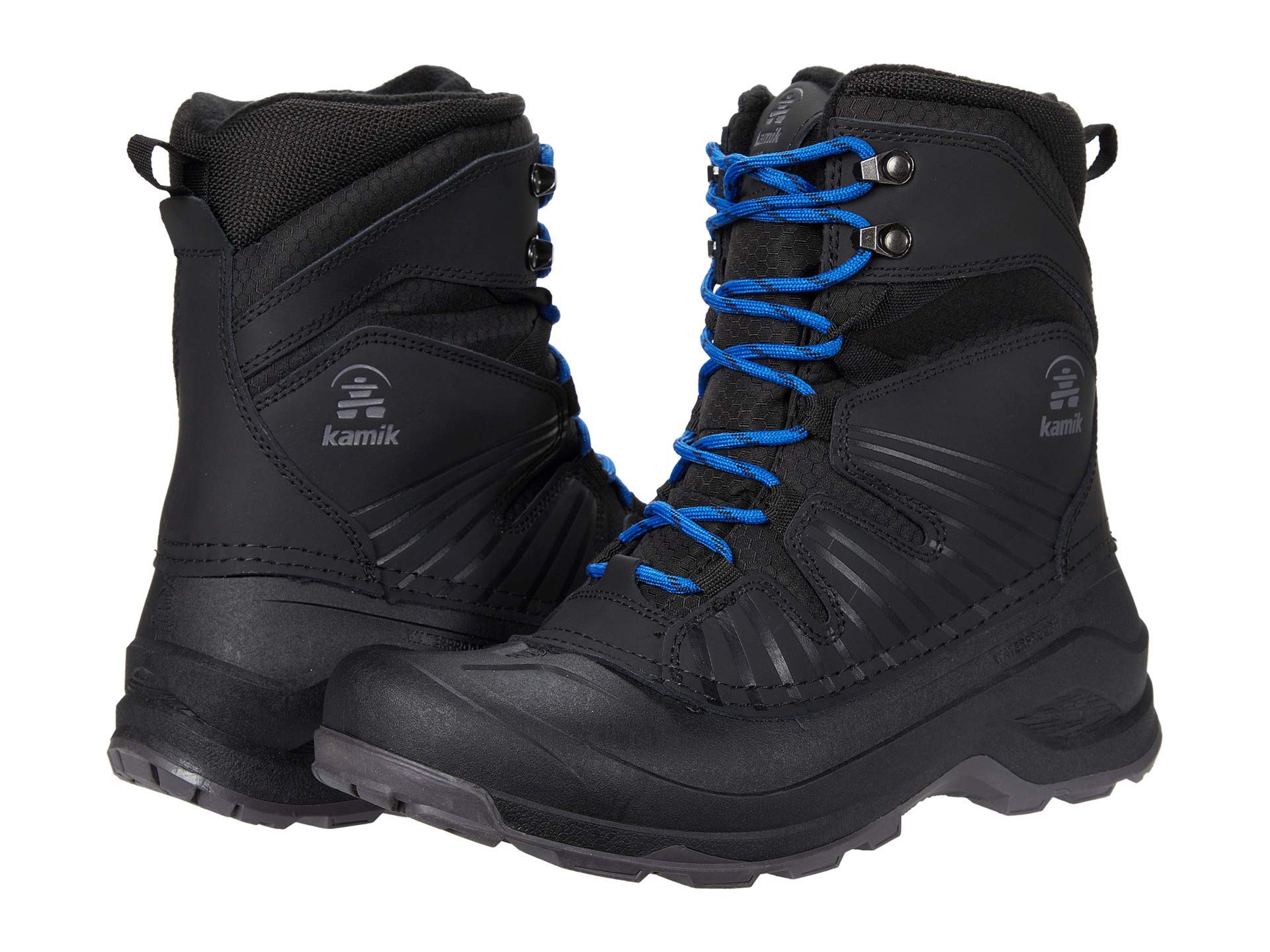
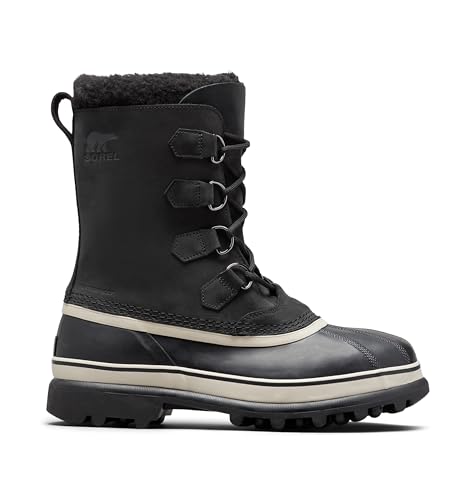

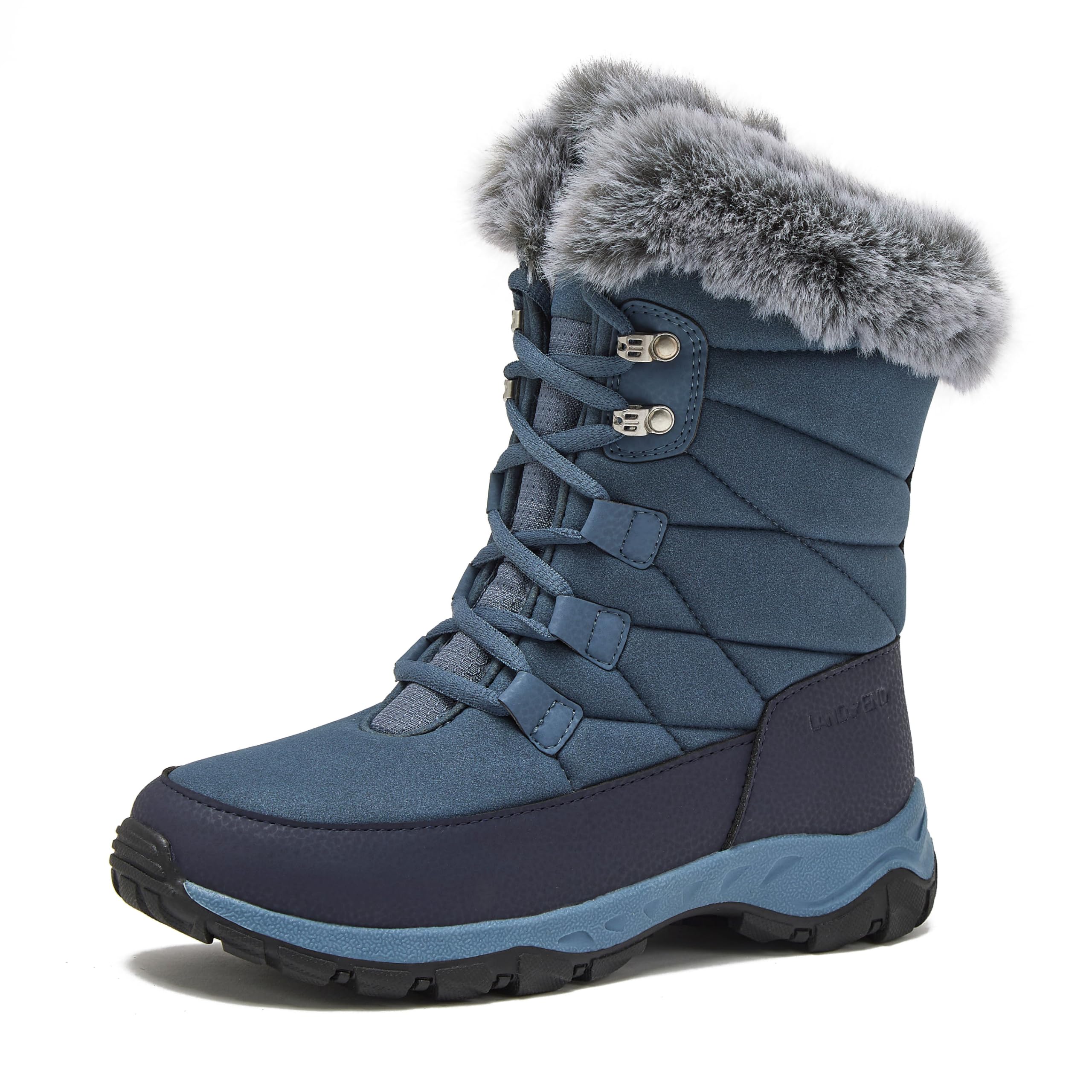
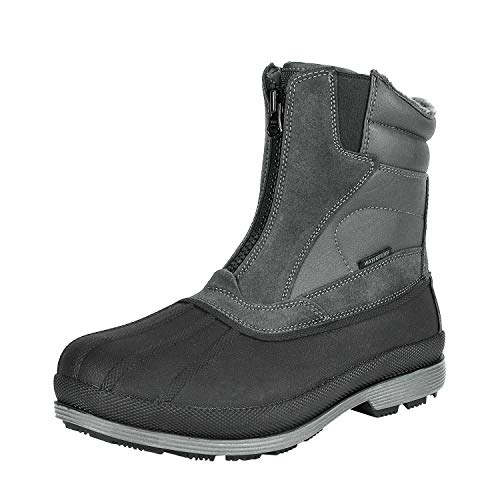
Who Should Buy the Warmest Winter Boots?
Warmth needs differ by routine. A short walk on cleared pavement asks far less than hours standing still on snow, where cold creeps in through the sole and your feet generate little heat.
Commuters Who Wait Outside in Deep Cold
You stand on frozen platforms and walk slushy blocks before reaching a warm train or office. Choose strong insulation through the whole boot, not only around the toes, and a waterproof shaft that keeps slush out at crosswalks. Moderate weight helps, because heavy boots tire your legs by evening.
Outdoor Workers on Snow and Ice All Shift
You may spend six or more hours outside with few chances to warm up, so warmth while standing still matters more than warmth while moving. Look for thick insulation, a roomy fit for work socks and an outsole that grips packed snow at job sites. If your search is mainly for work use, see our guide to the best boots men winter for more options in that lane.
Winter Campers, Hunters and Ice Anglers
You sit or stand in one place for long stretches, and still air lets cold settle into your feet faster than walking does. Choose the highest insulation level you can afford, a tall shaft for deep snow and room for a heavy sock plus a liner. Buy for that still hour, not for the walk in.
Key Features to Compare
Compare these factors in order. Insulation and fit decide warmth first, then waterproofing and traction decide whether that warmth survives a full day outside.
Insulation Weight and Fill Type
Insulation is usually listed in grams, describing how much fill wraps the foot. Around 200 grams suits active use in moderate cold, 400 grams suits most very cold days, and 600 to 1000 grams suits still work in severe cold. Synthetic fill keeps some warmth when damp and costs less, while premium fills can feel warmer at a lower weight. More fill also means a bulkier boot, so match the gram weight to your activity level.
Temperature Ratings and Their Real Limits
Many boots carry a comfort rating such as minus 25 or minus 40 degrees Fahrenheit, but brands test those numbers in different ways and no shared standard controls them. Treat a rating as a rough guide, not a promise, and assume it reflects a moving wearer in dry conditions. If you stand still or run cold, choose a boot rated well below the coldest temperature you expect.
Waterproof Membrane and Sealed Construction
A waterproof membrane inside the boot blocks melt water while letting some vapor escape, and membranes sold under names such as Gore Tex are one common form of this layer. Sealed seams and a gusseted tongue matter just as much, because water enters at stitch lines and down the lace opening. Wet insulation loses warmth fast, so waterproofing protects comfort even on days that end in slush.
Outsole Traction on Snow and Packed Ice
The outsole decides whether you stay upright on plowed lots and icy sidewalks. Look for deep lugs, about 4 to 6 mm, that bite into snow, plus a rubber compound that stays flexible in cold rather than turning hard and slick. A wider, stable base helps on uneven frozen ground. No rubber lug fully grips smooth black ice, so shorten your steps on glare ice even in the best tread.
Fit, Sizing and Toe Box Room for Thick Socks
Warm boots must fit looser than your summer shoes. Try them late in the day, wearing your thickest winter socks, and leave about a thumb width in the toe box so toes can move and warm air can circulate. A tight boot restricts blood flow and feels colder, even with heavy insulation. Women comparing narrower lasts can see our guide to the best warmest women's winter boots for fit notes in that range.
Shaft Height, Weight and Flex
Shaft height controls how deep you can step before snow spills in, and boots around 8 to 12 inches tall suit most deep snow use. Weight rises with insulation and height, and a pair can range from about 2 to 5 pounds. A little ankle flex suits drivers and walkers, while a stiffer build suits uneven ground. Choose the lightest boot that still covers your deepest usual snow.
Warm Boot Tiers: Insulation and Grip at Each Price
Budget sets the ceiling on insulation quality, waterproofing and outsole rubber. When you compare best and warmest winter boots across tiers, the gains below show where extra money truly changes a cold day.
Budget Tier: Short Trips and Light Snow
Boots under $100 usually offer about 200 grams of insulation, basic water resistance rather than a full membrane, and shallower lugs. That mix handles short errands and cleared sidewalks in milder regions. Expect heavier materials and a shorter working life, often one or two seasons of daily use.
Midrange Tier: Fuller Insulation for Most Cold Days
Boots at about $100 to $180 commonly step up to 400 grams of insulation, a true waterproof membrane and deeper, more cold flexible tread. Fit choices widen too, with more half sizes and widths. This is the tier where warmth for commuting and winter walks becomes dependable rather than hopeful, and most buyers in cold states find their best value here.
Premium Tier: Deep Cold Builds That Last Longer
Boots at about $180 to $300 add 600 grams or more of insulation, full grain leather or advanced synthetic uppers, and outsoles built to stay grippy in severe cold. Removable insulated liners appear here, letting you dry the warmth layer fully overnight, and a premium pair can serve several winters. Readers who do not need this level of protection can see our guide to the best winter boots for the broader category.
Common Mistakes to Avoid
- Buying boots that fit snugly with thin socks leaves no room for thick socks, so your toes chill faster outdoors.
- Trusting a temperature rating alone ignores your activity level, so a still hour outside can defeat a highly rated boot.
- Choosing fashion height over shaft height lets snow spill in at the top and soak your socks.
- Skipping waterproofing for dry cold backfires when slush and melt water soak insulation and drain its warmth.
- Wearing cotton socks traps sweat against your skin, so your feet feel cold even inside well insulated boots.
- Storing boots wet after each outing weakens materials and leaves insulation flat and less warm.
Care and Maintenance for Warmest Winter Boots
Remove the insoles or liners after wet outings and let everything dry at room temperature, away from direct heat. Stuffing the boots loosely with newspaper for the first hour pulls moisture from the insulation. Never use a hot dryer or place boots against a radiator, because strong heat can crack leather and damage the waterproof membrane.
Brush off road salt once boots are dry, since salt left on leather draws moisture and stains the surface. Retreat leather uppers as the maker directs, and check lug depth and seam stitching at the start of each season. Store boots upright in a cool, dry spot so the shaft keeps its shape.
Frequently Asked Questions
How should warmest winter boots fit with thick socks?
Warmest winter boots should feel roomy with thick socks, with your heel held and your toes free to wiggle. Push your foot forward until your toes touch the front, then confirm you can slide one finger behind your heel. If the shop allows it, walk a ramp in the store, because heel lift there predicts blisters on winter walks.
Are premium warmest winter boots worth the extra cost?
Premium warmest winter boots are worth the cost if you face severe cold often or stay outside for hours. The clearest gain is not a warmer first hour, but warmth that holds in year three, since better insulation and uppers resist packing down and cracking. If your winters are short and mild, that durability rarely pays you back.
Can I wear warmest winter boots all day indoors and outdoors?
You can wear warmest winter boots all day, but heavy insulation often feels too warm indoors and your feet may sweat. Sweaty socks then cool quickly when you step back outside, which undoes the comfort you gained. If your day mixes both settings, carry lighter indoor shoes or choose a midweight boot and add a cushioned insole with arch support for long hours on hard floors.
How often should I replace warmest winter boots?
Replace warmest winter boots when the insulation feels flat, the tread is worn smooth or the upper cracks at the flex point. One useful check is to stand in shallow slush for a few minutes: if one foot chills much faster than the other, the membrane or insulation on that side has likely failed. Boots used daily often reach this point after about three to five winters.
Do warmest winter boots need to be waterproof?
Warmest winter boots need waterproofing in any climate where snow melts during the day or streets turn to slush. In a very dry, very cold region where snow stays powdery, water resistance alone can serve for short outings. Remember that your own foot heat melts snow against the boot all day, so even dry regions create some moisture at the surface over hours.
Our Verdict
Start with your coldest, stillest hour outside, then choose insulation and fit to survive that hour. Spend first on insulation weight, a roomy toe box and a waterproof build, and let style come last. Use the product table above to check gram weights, shaft heights and price tiers.
Chosen that way, the best and warmest winter boots are simply the pair whose warmth, traction and fit match your winter, at the lowest tier that honestly covers it.