
Best Analog Quartz Watches: A First Time Buyer's Guide for 2026
Disclosure: We may earn a commission when you buy through links on this page, at no extra cost to you. As an Amazon Associate I earn from qualifying purchases. Learn more

New to best analog quartz watches? Learn case size, water ratings, crystals, and battery care in plain English before you choose your first watch.
Buying your first watch with hands and a battery sounds simple until listings throw terms like lug to lug, mineral crystal, and 5 ATM at you all at once. The best analog quartz watches for a first time buyer are accurate, comfortable, and easy to read, and they do not need winding or daily attention. This guide starts with how these watches work, translates each key spec into plain English, and ends with the mistakes that waste money most often, so you can use the comparison table below with real confidence.
Quartz is a forgiving place to start. You get precise time, low prices at every level, and a watch that is ready whenever you pick it up.

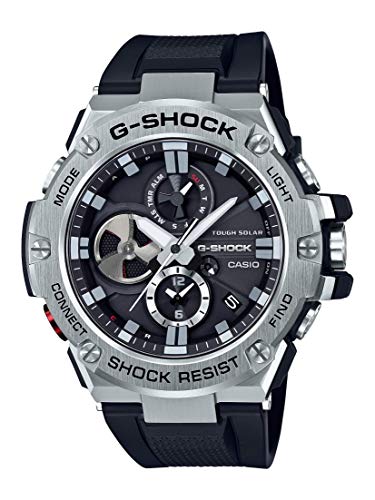


Analog Quartz Watches 101: The Basics
An analog quartz watch tells time with hour, minute, and often second hands moving across a dial. Inside, a battery sends a tiny electric current through a quartz crystal, which vibrates at a very steady rate. A small circuit counts those vibrations and moves the hands in exact steps, which is why even an inexpensive quartz watch can stay accurate within seconds per month.
That accuracy is the main reason quartz became the default for everyday watches. There is no winding, no need to wear the watch daily to keep it running, and no delicate balance of springs to service. Care is mostly a battery change every one to three years, a strap replacement when it wears, and sensible storage away from strong magnets and hard knocks.
The word analog simply means hands and a dial rather than a numeric screen. It says nothing about price or quality, which is why learning the specs below matters more than learning brand names.
Key Specs Explained in Plain English
Movement Type: Quartz, Automatic, Solar, and Smart
The movement is the engine that drives the hands. Quartz movements use a battery and win on accuracy and price. Automatic movements are mechanical, wind themselves from wrist motion, and appeal to collectors, but they cost more, drift by seconds each day, and need service every five to seven years. Solar movements are quartz at heart, with a light powered cell that removes most battery changes.
Smart movements add screens, apps, and health sensors, but need charging every few days. For a first watch you plan to rely on, plain quartz or solar quartz gives the calmest ownership experience.
Readers who want a deeper movement comparison can see our guide to the best quartz movement watches after finishing the basics here.
Water Resistance Rating
Water resistance is listed in meters or ATM, and the numbers mislead many first time buyers. A 30 m rating means splash resistance only, suitable for rain and hand washing, not for a shower or a pool. A 100 m rating handles swimming and snorkeling in calm water, while 200 m with a screw down crown is the level expected for diving watches.
The rating reflects a fresh seal tested in still water, so heat, soap, aging gaskets, and pressing buttons underwater all reduce real protection. When in doubt, choose one level higher than your planned use.
If water use is central to your plans, compare the requirements in our guide to the best quartz dive watches before you buy a fashion watch for the pool.
Smart and Fitness Features
Most classic quartz watches have no smart features at all, and that is a strength if you want a watch that only tells time well. A smaller group of hybrid models adds step counting, vibration alerts, or a small secondary display while keeping hands and a normal dial. These hybrids trade some simplicity for light phone connection and usually run for weeks on a charge or a coin cell.
Full fitness tracking, GPS routes, and heart rate data belong to smartwatches, which are a different purchase. Do not pay for hybrid features you will disable in the first week, and remember that wrist health data is general wellness information, not a medical tool.
Crystal and Case Materials
The crystal is the clear cover over the dial. Sapphire is the hardest common option and resists scratches best, which keeps a watch looking new for years. Mineral crystal is a hardened glass that costs less and handles daily wear well, though it can scratch on stone or metal edges. Basic acrylic is light and can be polished, but marks most easily.
For the case, stainless steel is the safe default because it resists corrosion and can be refinished. Titanium is lighter and kind to sensitive skin but costs more, while coated alloy cases keep prices low and show wear sooner.
Case Size and Wrist Fit
Case diameter is the width across the case, and most adults find 36 to 42 mm comfortable. Lug to lug length, the full span where the strap attaches, decides whether a watch overhangs your wrist, so check it as well as diameter. Thickness matters too: a case under about 12 mm slips under most shirt cuffs, while thick cases feel sporty and can catch on sleeves.
A practical know how point is to measure a watch you already own and like, then shop near those numbers. If you own none, cut a paper circle to a listed diameter and rest it on your wrist for a quick visual check.
Choosing the Best Analog Quartz Watches for Your Situation
Best Men's Analog Quartz Watches: Tips for First Time Buyers
When shopping for best men's analog quartz watches, focus on three men specific points that listings often blur. First, proportions run larger, so a 40 to 42 mm case with a lug to lug span under about 50 mm fits most male wrists without overhang. Second, strap width and bracelet weight matter more at these sizes, because a heavy bracelet on a thin strap lug can feel top heavy by midday.
Third, style range is wide, from plain field inspired dials to dress dials with slim markers, so pick for your most common setting first. A restrained dial in steel pairs with work and casual clothes, while a diver style bezel reads as sport only.
For a wider shortlist in this exact fit range, see our guide to the best men's analog watches once your size and budget are set.
Rookie Mistakes to Avoid
- Buying by diameter alone: ignoring lug to lug length and thickness leads to watches that overhang the wrist or refuse to fit under a cuff, even when the diameter sounded right.
- Reading 30 m as swimmable: a splash rating is not a pool rating, and one swim with worn gaskets can fog a dial and ruin a movement.
- Paying for decoration over legibility: low contrast hands, tiny date windows, and crowded subdials look exciting in photos and frustrate you every day in real light.
- Ignoring strap replacement: a proprietary strap that only the maker sells can cost more than expected and may be discontinued, so standard lug widths are safer for a first watch.
- Skipping the return window check: wrist fit is personal, so confirm you can exchange the size before you remove protective films or size a bracelet.
Getting Started: Setup and First Use
When your watch arrives, set the time by pulling the crown out to its time setting position, turning the hands forward to the correct time, and pushing the crown fully back in. If your watch has a date, avoid changing the date late at night when the date mechanism is already engaged, and set the date to the day before, then advance the hands past midnight to reach the right day and time. Press or screw the crown down fully before any water contact.
During the first week, note how the strap feels after a full day, check that the second hand hits its markers cleanly, and store the watch in a soft pouch away from speakers and magnetic clasps. Rinse a water resistant watch with fresh water after saltwater exposure and let it dry on a cloth. Quartz watches do not need the periodic movement service that automatic watches need every five to seven years, but gaskets and batteries still need timely attention.
For more models built on the same movement family, see our guide to the best quartz watches as a next step in comparing styles.
Frequently Asked Questions
What case size fits my wrist?
Measure your wrist circumference and match it to both diameter and lug to lug length for the best result. Wrists under about 6.5 inches usually suit 36 to 39 mm cases, midsize wrists suit 38 to 42 mm, and larger wrists can wear 42 to 44 mm without strain. A flat wrist carries a larger case more easily than a round wrist of the same measurement, so use any trial period to judge in person.
How water resistant should a watch be?
Pick 30 m for rain and hand washing only, 100 m for regular swimming, and 200 m if you dive or spend long days in rough water. One extra point many guides miss is shower heat: hot water and soap can age gaskets faster than cold pool water, so even a swim rated watch lasts longer when you leave it off in a hot shower. Recheck seals after every battery change.
Quartz or automatic: which is better?
Quartz is better for a first watch because it is more accurate, costs less, and asks almost nothing of you between battery changes. Automatic becomes better only when you actively enjoy mechanical craft and daily wear. A useful test is your routine: if the watch may sit unworn for days, quartz will show the right time when you return, while an automatic will have stopped and need resetting.
Is a smartwatch worth it over a classic watch?
A smartwatch is worth it if notifications, workout records, and phone free music matter to your daily routine enough to justify charging every one or two days. A classic quartz watch is worth it if you want years of service from one purchase with no software updates or app accounts. Many first time buyers discover they prefer the classic watch on workdays and save smart features for exercise only.
How long does a watch battery last?
Most quartz batteries last about one to three years, and solar cells can run far longer because light keeps them charged. Added features shorten battery life, so a watch with lights, alarms, or a chronograph may sit at the low end of that range. One early sign of a fading battery is a second hand that advances in larger jumps, which is your cue to book a replacement soon rather than after the watch stops.
New buyers comparing dial styles across brands can also browse our guide to the best analog watches for classic layouts beyond quartz models.
Our Verdict
For a first purchase, let fit, legibility, and water rating lead, and let decoration follow. A steel case in your size range, a readable dial, and a quartz movement you never need to wind will teach you what you like before you spend more. The product table above is a useful place to compare those basics side by side.
Start there, and the best analog quartz watches stop being a maze of terms and become a short, confident choice you can wear every day.


