
Best Analog Military Watches: Types Compared and How to Choose for 2026
Disclosure: We may earn a commission when you buy through links on this page, at no extra cost to you. As an Amazon Associate I earn from qualifying purchases. Learn more

The best analog military watches are legible, tough and easy to maintain. Compare automatic, quartz and field styles by use and price.
Walk into the military watch category and you meet field watches, dive watches, automatic movements, quartz movements, and smartwatches all claiming the same rugged heritage. The labels overlap, the prices spread from under $50 to well past $1,000, and the differences that actually matter hide inside spec sheets.
This guide sorts the best analog military watches by type first, because the right type makes every later choice easier. You will see what each style does best, where it falls short, and which features deserve your money, and the comparison table below lines the main types up side by side for a quick first pass.


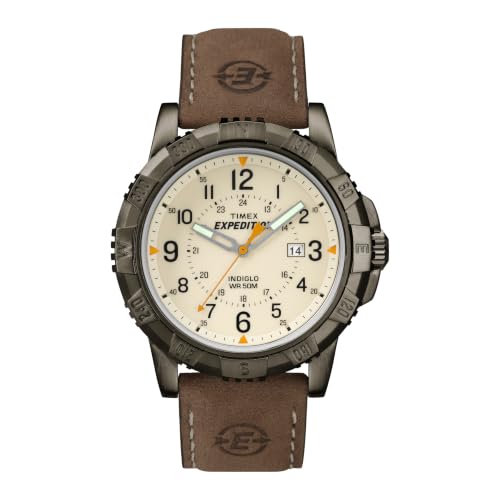

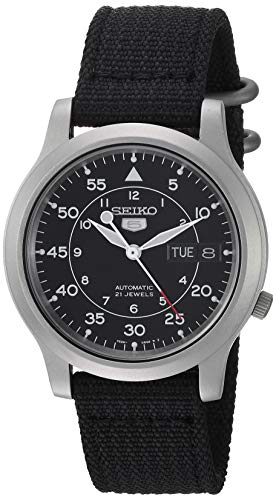

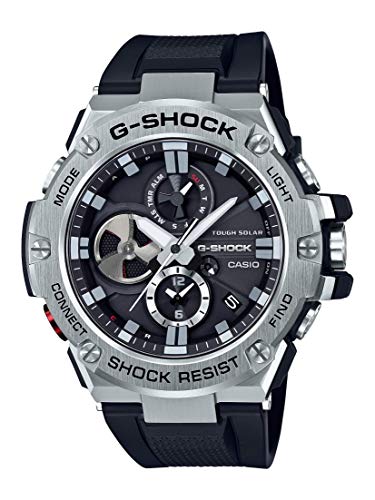
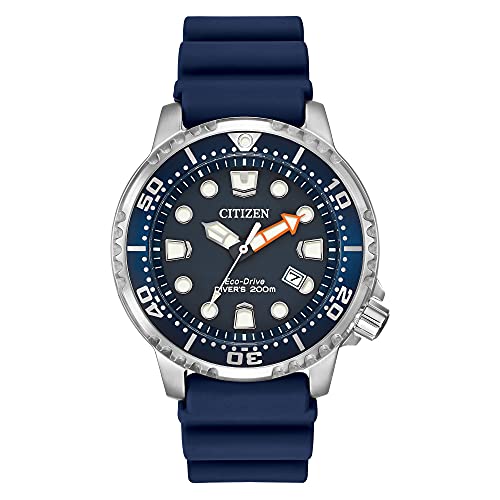

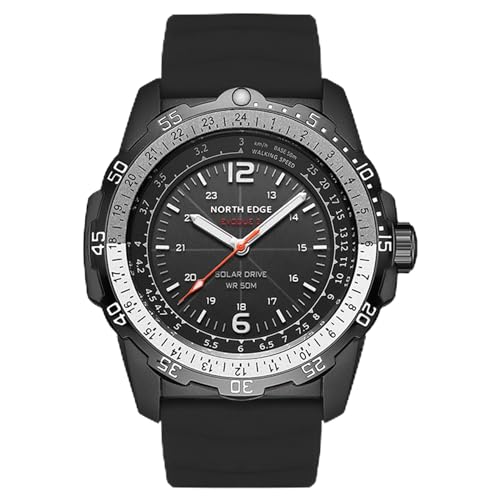
Types of Analog Military Watches Compared
Three broad types cover nearly everything sold under the military banner. In plain terms: automatic watches suit traditionalists who value mechanical craft and accept regular wear to keep them running, at around $150 to $800. Dive and field watches suit outdoor and daily hard use, at around $60 to $500. Smartwatches suit training and notifications, at around $150 to $500, and they trade classic looks for data. The sections below unpack each type.
Automatic Watches
An automatic watch winds itself from the motion of your wrist, storing energy in a mainspring that drives the hands through a gear train. There is no battery to replace, and a healthy movement runs for decades with periodic servicing. Accuracy is the honest trade off: expect a drift of roughly 10 to 30 seconds per day on typical movements, which is fine for daily life but not for split second coordination. Power reserve usually runs about 38 to 45 hours, so a watch left on the dresser all weekend may need a reset on Monday.
Choose an automatic if you enjoy the mechanical idea, want a watch that can be repaired rather than replaced, and wear it most days so it stays wound. Skip it if you rotate many watches, need exact time for work, or dislike the cost of servicing every five to seven years, which is real money on top of the purchase price.
Dive and Field Watches
Dive and field watches are defined by their cases and dials rather than by one movement, and most use accurate quartz power. Field watches descend from infantry issue: matte cases, high contrast Arabic numerals, 24 hour markings, and sizes that slip under a cuff or glove. Dive watches add a rotating timing bezel and serious water resistance of 200 meters or more, with screw down crowns that seal the case. Both styles prize legibility and toughness over decoration, and both shrug off knocks that would stop a dress watch.
Choose this type if your watch will face water, mud, range days, or job sites, or if you simply want the clearest possible dial at a glance. The limits are weight and thickness on dive models, and a plain look that some buyers find too plain for office wear, though a strap change softens the style quickly.
Smartwatches
Smartwatches earn a place in this comparison because many service members and outdoor users now train and navigate with them. They add GPS tracking, heart rate sensing, notifications, and compass and barometer tools that no traditional watch can match. Battery life is the defining compromise: expect one to fourteen days depending on the model and GPS use, against years for a quartz analog watch. Screens also wash out in bright sun on some models, and the device becomes obsolete as software support ends.
Choose a smartwatch if training data and navigation genuinely shape your days. Keep in mind that fitness sensors inform workouts but do not replace medical devices, and talk with your clinician about any health reading that worries you. If you want a watch that simply tells time for a decade with no charging cable, this is the wrong type, however rugged the case looks.
Automatic Watches vs Dive and Field Watches: Which Should You Choose?
Compare the two classic types on five practical points. On accuracy, quartz dive and field watches win easily, gaining or losing a few seconds per month while automatics drift daily. On upkeep, automatics need servicing every five to seven years at around $150 to $300, while quartz models need only a battery change every two to three years. On durability, both are strong, but dive watches add the best water sealing, and field watches are usually lighter for all day wear.
On cost, field watches start lowest, automatics occupy the middle and upper ranges, and dive watches span both. On character, automatics offer a sweeping second hand and mechanical charm that quartz cannot copy. If you set your watch weekly anyway and love the craft, choose automatic. If you want grab and go accuracy for work, travel, or deployment, choose a dive or field watch and spend the savings on a good strap.
How to Choose the Best Analog Military Watches
Movement Type: Quartz, Automatic, Solar, and Smart
Quartz movements are the accuracy and value champions, running within seconds per month on a battery that lasts two to three years. Automatic movements trade that precision for mechanical longevity and no battery changes, at the cost of servicing. Solar quartz splits the difference, charging from light and often running a decade before its rechargeable cell tires, which suits buyers who hate maintenance of any kind. Smart movements add sensors and screens but demand regular charging. Decide how you feel about upkeep first, because the movement decides your long term relationship with the watch more than any other feature.
Smart and Fitness Features
On analog styled models, smart features are usually limited to what a connected hybrid can show through hands and small subdials, such as step counts or phone alerts. Full smartwatches in military dress add GPS routes, heart rate zones, sleep tracking, and altitude readings. These tools are genuinely useful for training blocks and land navigation practice. They are not medical grade, so treat unusual heart readings as a prompt to see a clinician, not as a diagnosis. If you do not train with data now, you will not start because a watch offers it, so do not pay for sensors you will ignore.
Legibility and Style
Legibility is the soul of a military watch. Look for large Arabic numerals, strong contrast between dial and hands, and lume that glows after brief light exposure, with the best lume lasting through the night on the hands and hour markers. A dial around a simple three hand layout reads fastest, while crowded chronograph subdials slow the glance. Style follows use: a matte black or olive field dial suits uniforms and outdoor clothing, while a steel dive watch crosses over to office wear more easily. If you wear the watch daily, our broader guide to the best military watches shows how digital and analog styles divide by role.
Case Size and Wrist Fit
Case diameter between 38 and 44 mm covers most wrists, and fit matters more than fashion. Measure your wrist: under about 6.5 inches usually suits 36 to 40 mm, midsize wrists take 40 to 42 mm happily, and larger wrists can carry 44 mm without strain. Lug to lug length decides overhang, so keep it under your wrist width, and thickness under about 13 mm slips under cuffs and gloves more easily. Try the watch with the strap you plan to use, because a thick NATO style strap adds height that numbers alone do not show.
Strap and Bracelet Options
The strap changes comfort, weight, and style more cheaply than any other part. NATO style nylon straps are light, washable, secure if one spring bar fails, and ideal for field use, though they add height. Silicone suits water and sweat and rinses clean in seconds. Leather looks sharp in the office but hates immersion, so keep it away from swimming. Steel bracelets balance heavy dive cases and last for years, at the cost of weight. Quick release spring bars let you swap looks in under a minute with no tools, a feature worth seeking if you move between settings. For a wider view of dial first shopping, see our guide to the best analog watches.
Shoppers narrowing by wearer will also find our guide to the best military watches for men useful for sizing against typical wrist ranges, while readers who want harder use styling can compare notes in our guide to the best tactical military watches.
Setup and Care Tips
- Service automatic watches every five to seven years. Fresh oils and seals keep accuracy steady and water resistance honest, and a good watchmaker can regulate drift at the same visit.
- Rinse after saltwater exposure. Run the watch under fresh water, bezel included, after any sea swim, and dry it on a soft cloth so salt never crusts around the crown.
- Store away from magnets. Speakers, tablet covers, and phone mounts can magnetize a mechanical movement and ruin its rate, so keep distance in drawers and bags.
- Press no buttons underwater. Water ratings assume a still, sealed case, and pushing a pusher or pulling a crown in the pool invites moisture inside.
- Check straps and spring bars seasonally. A worn strap or bent spring bar is the cheapest failure that can still cost you the whole watch.
FAQs About Analog Military Watches
What case size fits my wrist?
Match the lug to lug length to your wrist first, then the diameter. If the lugs overhang the flat top of your wrist, the watch will feel top heavy at any diameter. As a quick guide, wrists under 6.5 inches favor 36 to 40 mm cases, midsize wrists suit 40 to 42 mm, and wrists above 7.5 inches carry 43 to 45 mm well. Thickness matters too for gloves and cuffs, so stay near 13 mm or under for daily wear.
Is a smartwatch worth it over a classic watch?
It is worth it only if you will use the training and navigation data weekly. GPS tracks, heart rate zones, and recovery estimates help structured training in a way no classic watch can. For time telling, toughness, and decade long service with almost no attention, a classic analog watch wins easily. Many owners end up with both, a smartwatch for training days and an analog watch for everything else, so be honest about which days dominate your life.
How water resistant should a military watch be?
For rain, sweat, and hand washing, 50 meters is enough in practice. For swimming and snorkeling, choose 100 meters with a screw down crown. For diving or repeated immersion, 200 meters from a watch built as a dive watch is the safe standard. Remember that ratings assume fresh seals, so a watch that has been opened for service should be pressure checked before serious water use, whatever the dial says.
How long does a watch battery last?
A standard quartz battery lasts about two to three years, and low power warning shows as a second hand jumping in multi second steps on many movements. Solar models stretch that to a decade or more before the rechargeable cell needs replacement. Automatic watches have no battery at all, while smartwatches need charging every one to fourteen days. If a seller quotes battery life far beyond these ranges, ask which exact cell and conditions they mean.
Quartz or automatic: which is better for a military watch?
Quartz is better for accuracy, low cost, and grab and go readiness, which is why most issued watches historically used it. Automatic is better for longevity, repairability, and freedom from battery changes, at the price of daily drift and servicing costs. Neither is tougher by default, since case construction decides shock and water performance. Choose quartz for duty and travel precision, automatic for a lifetime watch you will wear daily and enjoy maintaining.
Wrapping Up
Pick the type first, then the movement, then the size that truly fits your wrist, and the rest becomes detail. Compare your finalists against the product table above, and you will land on the best analog military watches choice for your duties, your training, and your budget without second guessing the purchase a month later.


