
Best Amp for Infinity Kappa Speakers: A First Time Buyer's Guide for 2026
Disclosure: We may earn a commission when you buy through links on this page, at no extra cost to you. As an Amazon Associate I earn from qualifying purchases. Learn more

Shopping for the best amp for infinity kappa speakers for the first time? Learn the terms, compare options, and avoid rookie mistakes with this easy guide.
Infinity Kappa speakers are a popular upgrade for car doors and rear decks, but many first time buyers plug them into a factory radio and wonder why the improvement sounds smaller than expected. The missing piece is usually the amp. This guide to the best amp for infinity kappa speakers explains the basics in plain language, with special attention to the unusual impedance that makes Kappa speakers different from most rivals.
Work through the sections in order if you are new to car audio, or jump straight to the specifications if you already know the basics. The comparison table below gives you a quick view of the amp types discussed here.
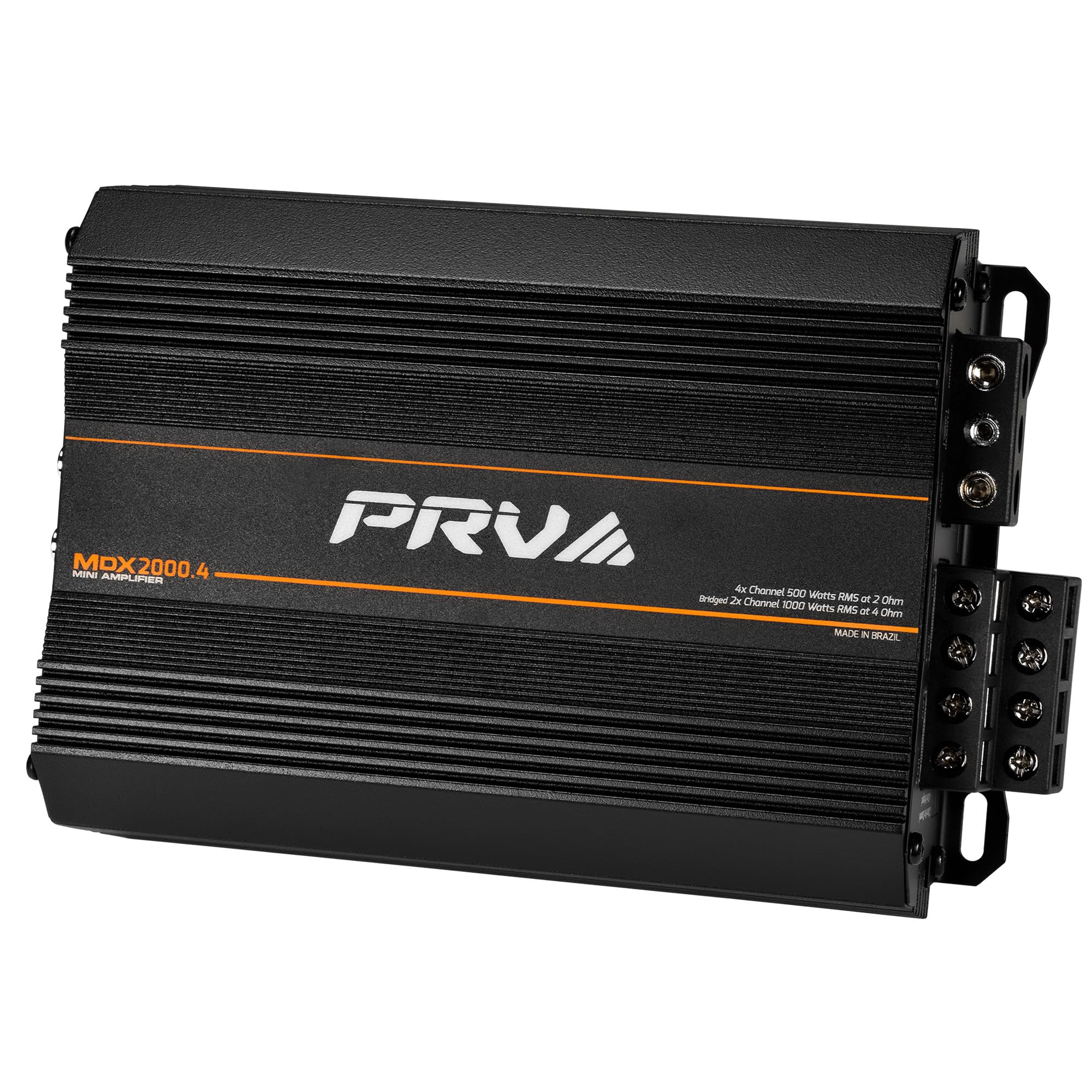
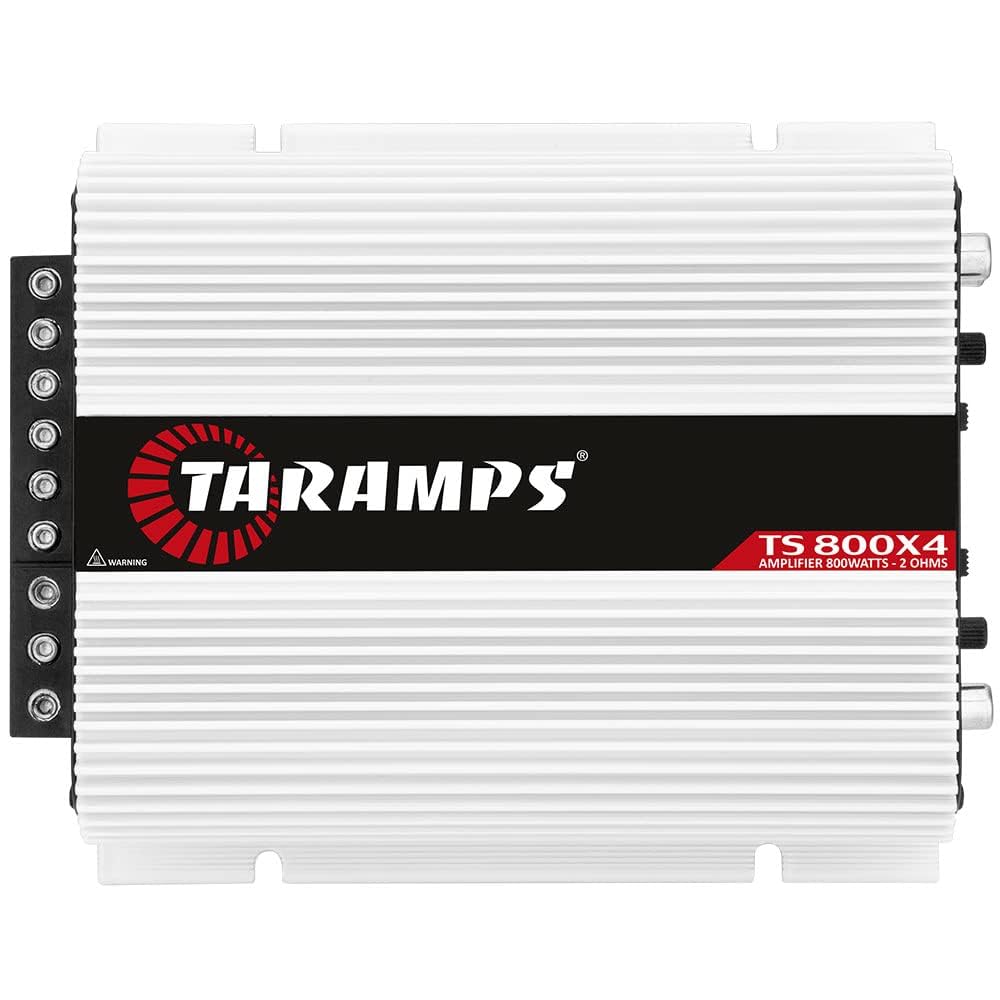
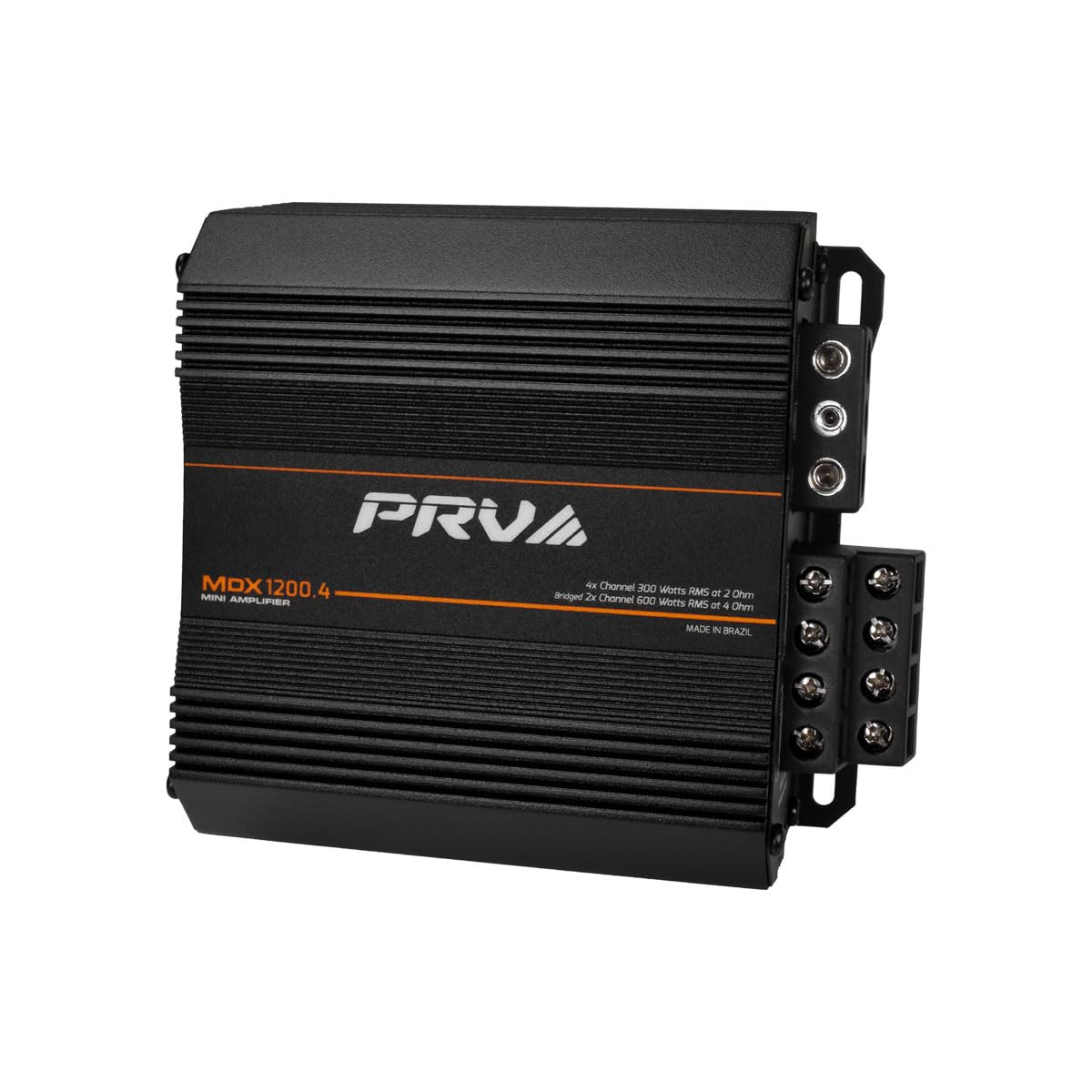


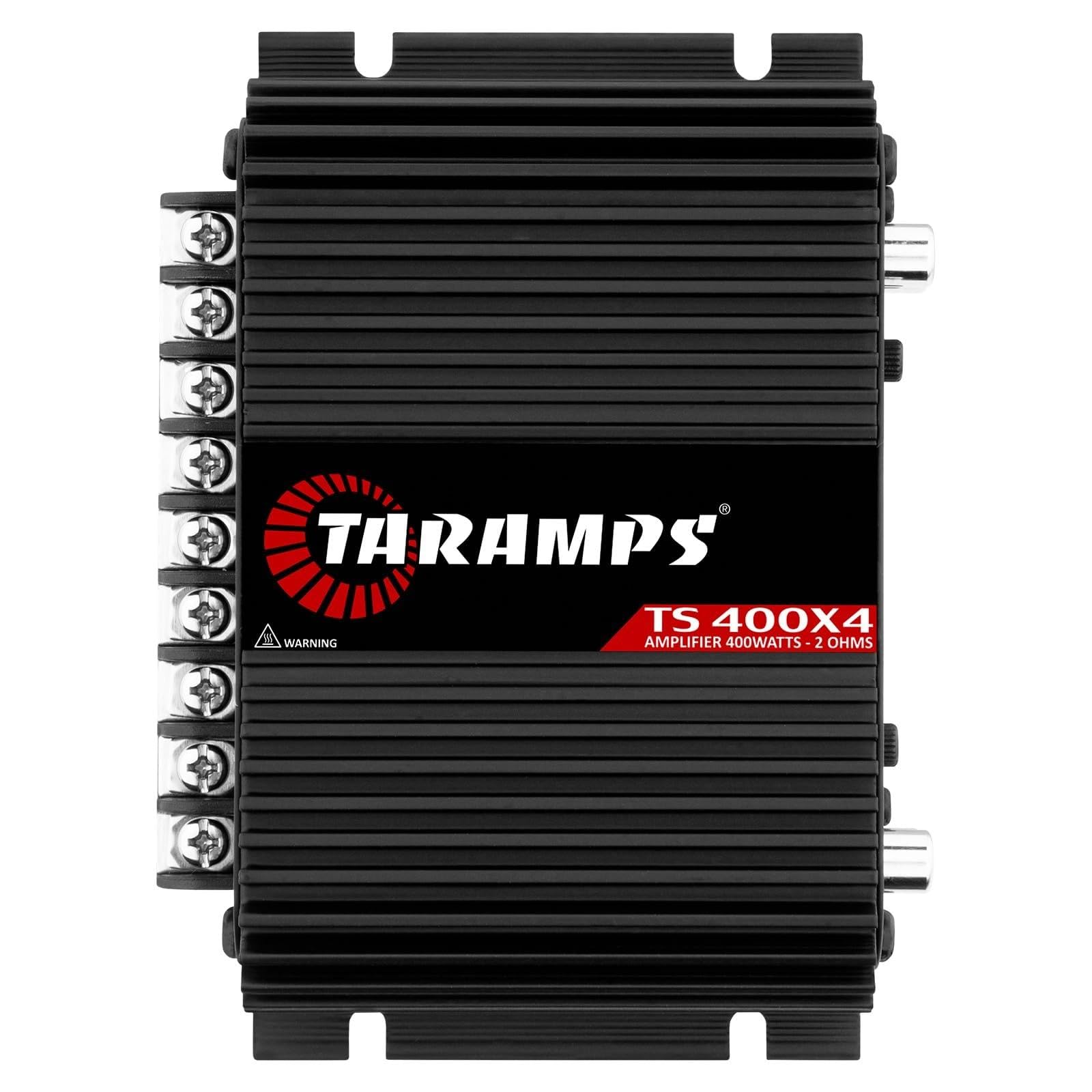
Amps 101: The Basics
A car amp sits between your head unit and your speakers. It receives a low level signal, adds power, and sends a stronger signal through speaker wire to each speaker. More clean power means the speakers can play louder without the strained, harsh sound that comes from an overworked factory radio. It also means firmer bass, because the amp can control the woofer cone with greater authority.
For a first system, the common layouts are easy to picture. A two channel amp powers one pair of speakers, a four channel amp powers front and rear pairs, and a five channel amp adds a subwoofer output for a complete system. Kappa buyers most often need a four channel amp, sometimes with the rear channels bridged for a small subwoofer later. Decide your final speaker count now, because buying channels twice costs more than buying the right amp once.
Key Specs Explained in Plain English
Features That Matter for Infinity Kappa Speakers
The headline fact about many Kappa car speakers is their low impedance, often around 2.5 ohms rather than the usual 4 ohms. Infinity designs them that way so they draw more power from modest sources, but your amp must be rated as stable at 2 ohms per channel to run them safely. Check that rating in writing before you buy. Kappa speakers also have high sensitivity, so they play loudly on moderate power, which means a clean mid powered amp is a smarter match than a huge amp run at a whisper. If you are still choosing speakers, our guide to the best infinity speakers explains how Kappa sets differ from the lower priced Infinity lines.
Sound Quality and Tuning
Kappa speakers aim for bright, detailed sound with strong clarity on voices and instruments. A good amp partner keeps that detail without adding edge, so look for low distortion figures and a smooth frequency response. A variable high pass filter is essential, because door sized Kappa woofers should not be asked to reproduce the deepest bass. Set the filter somewhere sensible for the speaker size and let a subwoofer handle the lowest notes if you add one. Small equalizer adjustments at the head unit can then polish the result without pushing the amp hard.
Size, Weight, and Mounting Fit
Car amps hide under seats, behind panels, or on trunk walls, so measure your intended space before ordering. Compact Class D amps fit under most front seats and run cool enough for tight spots, while larger Class AB amps need open air and a bigger footprint. Weight matters less than dimensions, but a solid case and secure mounting points matter on rough roads. Leave slack in the wiring so the seat can still move through its full travel if the amp lives beneath it, and keep the amp clear of heater ducts that blow hot air in winter.
Ecosystem and App Features
Some modern car amps offer digital signal processing through an app, letting you set crossovers, time alignment, and equalizer bands from your phone. That control can transform a car interior, which is an acoustically difficult space with seats and glass in odd places. The learning curve is real, though, and a first time buyer may get better results from simple, well chosen crossover knobs. If you choose an app controlled amp, confirm it stores settings in the amp itself, so your tuning survives even if you change phones later.
Source and Control Features
Microphones, phone calls, and voice assistants live in your head unit, not in the amp, so an amp cannot improve call quality directly. What the amp can do is keep the music clean and quiet enough that calls through the head unit sound clear when they interrupt playback. Look for speaker level inputs with automatic turn on if you keep a factory head unit, since that feature lets the amp wake up with the radio. A wired bass level remote is a genuinely useful extra if you add a subwoofer, because bass needs change from song to song.
Power Draw and Vehicle Battery
A car amp has no battery of its own and no charging routine, because it runs directly from the vehicle electrical system while you drive. The specification to respect is current draw, which rises with power and volume. A moderate four channel system suits a healthy stock battery and alternator in most cars. Very large systems may need thicker power cable, a stronger ground, and professional advice. For everyday Kappa upgrades, clean wiring and a correct fuse near the battery matter far more than exotic electrical upgrades.
Rookie Mistakes to Avoid
- Ignoring the low impedance. Kappa speakers near 2.5 ohms will overheat an amp that is only stable at 4 ohms. Confirm 2 ohm stability per channel in the manual, not just in the sales headline.
- Chasing peak power numbers. Compare RMS power per channel at 2 ohms or 4 ohms with a stated distortion figure. Peak numbers are marketing, not a promise of daily performance.
- Running full range signal into door woofers. Skipping the high pass filter wastes power on bass the speakers cannot reproduce and raises distortion. Set the filter during installation, not weeks later.
- Mounting where water collects. Door leaks and trunk seams can drip onto electronics. Choose a dry mounting spot and route wires so water cannot follow them to the amp.
- Mixing up gain and volume. Gain matches the amp to your head unit output. Set it once, correctly, and then control loudness from the head unit as intended. Our guide to the best car speakers with amp shows how this fits into a complete system plan.
Getting Started: Setup and First Use
Have the power cable fused close to the battery, the ground cable short and fixed to bare metal, and signal cables routed on the opposite side of the car from power cables where possible. Connect speakers with firm polarity, positive to positive on every channel, because one reversed speaker noticeably weakens bass. Begin with crossovers set, gain low, and a familiar track at moderate head unit volume, then raise gain slowly until the sound is full and still clean. Recheck all settings after a week of driving, since seats, cargo, and your own ears settling in can change what sounds right. Keep any app firmware updated if your amp offers it, and store the setup notes in the glove box for future reference.
Frequently Asked Questions
What features matter most in amps for infinity kappa speakers?
Stability at 2 ohms, honest RMS power per channel, and a variable high pass filter matter most. Kappa speakers are efficient, so clean moderate power beats raw size, and the low impedance makes the stability rating a safety issue rather than a fine detail. Speaker level inputs also matter if you keep the factory head unit. With those boxes ticked, most reputable amps will let Kappa speakers perform as designed.
How long does the battery last?
The amp adds no battery of its own, so the question becomes how your vehicle battery copes. While driving, the alternator supplies the system and battery life is unaffected in any practical sense. While parked with the engine off, a powerful amp at high volume can drain a battery surprisingly fast, sometimes within a couple of hours. Keep parked listening short and quiet, and start the car promptly if the starter ever sounds slow.
What IP rating do I need for outdoor use?
Kappa car speakers and their amps are built for vehicle interiors, not outdoor weather, so no IP rating applies to a normal install. Inside a car, the real enemies are trunk leaks, wet boots, and spilled drinks rather than rain. Mount the amp off the floor where possible and keep connections tidy and dry. For a boat or an open off road vehicle, choose marine rated gear designed for that life instead.
Wired or wireless: which sounds better?
The connection between head unit and amp should always be wired, because that link carries the signal the amp depends on and wireless options do not exist for it in normal car audio. Wireless questions apply only to how your phone reaches the head unit, where a wired USB connection generally sounds cleanest and also charges the phone. Bluetooth remains the convenient daily choice for most drivers and sounds perfectly enjoyable for streaming music.
Final Thoughts
For Kappa speakers, the decision comes down to three checks: 2 ohm stability, honest RMS power matched to efficient speakers, and crossovers set to protect the woofers. Handle those and even a modest amp will transform how the system sounds. Compare your shortlist in the product table above, and know that the best amp for infinity kappa speakers is rarely the most powerful one, it is the one rated honestly for the load Kappa speakers present. For broader amp basics, see our guide to the best amp for speakers, and for door specific layout help, see our guide to the best amp for door speakers.


