
Best Amazon Sandals: Types, Fit and What to Pay for 2026
Disclosure: We may earn a commission when you buy through links on this page, at no extra cost to you. As an Amazon Associate I earn from qualifying purchases. Learn more

A practical guide to the best Amazon sandals: sport, recovery and flip flop types, arch support, sizing and what each price level buys.
Shopping for the best Amazon sandals means choosing between thousands of listings, many with similar photos and wildly different quality. This guide explains how to tell a comfortable, durable pair from one that rubs and falls apart, covering the main sandal types, the features that matter, and what each price level buys. Compare the models in the product table, then use the sections below to narrow your choice.
Sizing, arch support and straps decide comfort far more than the brand name, so a few minutes of checking before you order saves a return later.


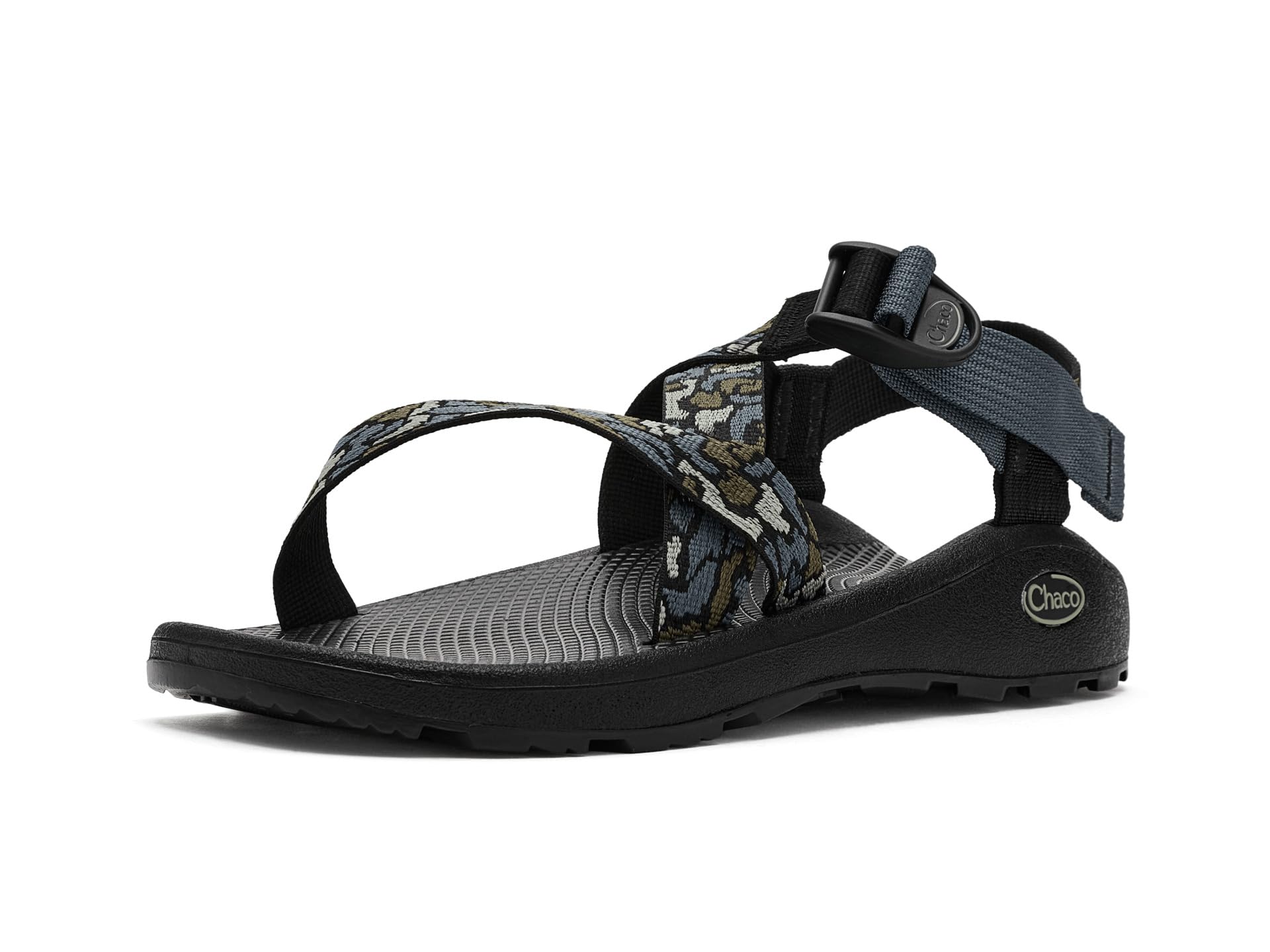


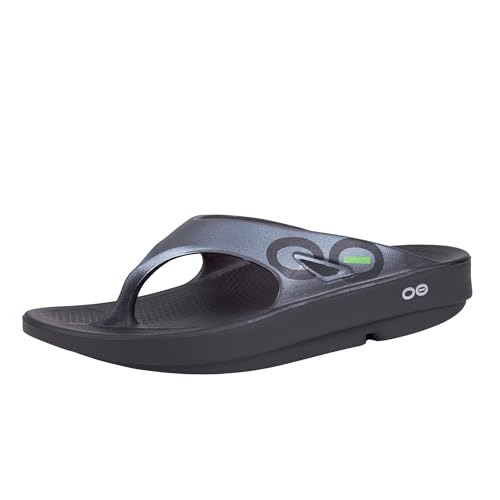
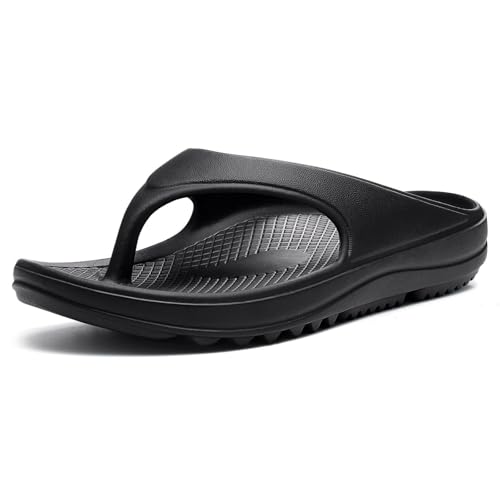

Types of Sandals Compared
Sport and Water Sandals
Sport sandals use adjustable straps, a grippy outsole and quick drying materials. They suit hiking, boat trips, walking tours and wet surfaces. Closed toe water styles add protection from rocks and stubbed toes, which is useful on rough beaches and trails.
Recovery and Cushioned Sandals
Recovery sandals use thick, soft foam to cushion tired feet after workouts or long days. They are light, easy to slip on and comfortable around the house or for short outings. The soft sole is less stable for long walks over uneven ground.
Flip Flops and Slides
Thong style flip flops and slides are simple, cheap and quick to wear. Look for a contoured footbed and a strap that does not rub, because flat foam versions offer little support. They are best for the pool, beach and locker room.
Minimalist and Trail Sandals
Minimalist sandals use thin soles and secure straps, giving a close to barefoot feel. They suit people who like natural movement and light packing, but they need a gradual break in period for your feet and calves.
What Your Money Gets You
Under $30: Basic Comfort
Budget sandals keep your feet cool and protected for casual days. Footbeds are flatter, foam wears down faster, and straps may fray sooner. They are fine for short trips, the pool and gifts.
$30 to $80: Better Support
This range gives contoured footbeds, sturdier straps and better outsole rubber. It is where most buyers find the best balance of comfort and lifespan, with several well known sandal makers represented.
$80 and Up: Built to Last
Premium sandals use durable midsoles, replaceable parts on some models, and refined strap systems that fit narrow or wide feet. They cost more, but a pair that lasts several summers can be cheaper per wear.
Features That Matter
Arch Support and Footbed Shape
A contoured footbed spreads weight across the foot and reduces fatigue. If you have flat feet or high arches, look for firmer support or a removable footbed that accepts an insole. Our guide to the best rated sandals shows how buyers score support.
Straps and Adjustability
Several adjustment points let you fine tune the fit around the heel, instep and forefoot. Soft edged straps prevent blisters, and hook and loop closures are easier than buckles for quick changes.
Traction and Materials
Rubber outsoles with deep lugs grip wet rock and tile. Quick drying webbing, synthetic leather and foam keep sandals light and easy to rinse. Leather straps look dressier but need a drying routine after getting wet.
Fit and Sizing
Sandal brands cut their lasts differently, so check the size chart. Your heel should sit inside the footbed and your toes should not hang over the front. For gendered options, see our guides to the best men's sandals on Amazon and the best women's sandals on Amazon.
Choosing for Your Use
Think about where you will wear them most. A beach trip calls for quick drying and good traction, a city vacation favors cushioning and style, and a hike needs secure straps and a protective toe. Many buyers keep two pairs, one rugged and one relaxed.
Common Mistakes to Avoid
- Buying by photo alone without reading the size chart, which leads to sliding or squeezed feet.
- Choosing flat foam for long walks, which tires arches and heels.
- Skipping the break in period for straps and minimalist soles.
- Ignoring return policies, even though comfort only shows after wearing indoors.
- Wearing sandals for activities that need toe protection.
Care Tips
Rinse sandals with fresh water after salt or chlorine, and air dry them away from direct heat. Wash fabric straps with mild soap, and brush off sand before it wears into the footbed. Replace sandals when the tread is smooth or the foam is flat, because worn pairs raise the risk of slipping.
How to Shop for the Best Amazon Sandals
Amazon lists thousands of sandals, so use filters and reading habits to narrow the field. Start by choosing the type, then filter by size, width and customer rating. Read the most recent buyer comments for patterns about sizing, because many sandals run small or large, and note any complaints about straps tearing or soles peeling.
Look closely at the photos of the sole and strap attachment points, and check the listing for materials such as EVA foam, rubber, leather or webbing. Reputable brands list weight, heel height and the footbed shape, while vague listings that avoid details deserve caution. Compare similar models by price per year of expected use rather than the sticker price alone.
Return rules matter here. Footwear is easy to return when it is unworn, so try your new pair indoors on a clean surface first. Many buyers also order a half size up or down for comparison and send back the one that does not fit. Use the product table to see current options, and keep this routine in mind when you pick the best Amazon sandals for your summer plans.
If you have foot pain, wide feet or high arches, favor brands that offer width options and removable footbeds. A doctor or podiatrist can advise on persistent pain, and no sandal replaces medical care.
Quick Buyer Checklist
Run through this list before you order.
- Have you checked the size chart and recent buyer comments on fit?
- Does the footbed suit your arch, with straps that adjust?
- Is the outsole grippy enough for the surfaces you will walk on?
- Can you return the pair if it rubs or slips?
Frequently Asked Questions
How should sandals fit?
Your heel should sit inside the footbed, toes should not hang over the edge, and straps should hold your foot firmly without pinching. Try them on in the afternoon, when feet are slightly swollen.
Are expensive sandals worth it?
They can be, when the money buys better support, sturdier straps and replaceable parts. A pair that fits well beats a costly pair that rubs.
Can I walk all day in sandals?
Yes, with a supportive footbed and secure straps. Choose models designed for walking rather than thin flip flops.
How long do sandals last?
Budget pairs often last a season, while quality pairs can last three to five summers with basic care.
Are sandals suitable for wet trails?
Yes, if they have a grippy outsole and quick drying straps. Closed toe water sandals add protection from rocks.
Final Thoughts
Pick the type that fits your plans, check the size chart, and favor a supportive footbed with secure straps. Use the product table to compare current options against those points. Chosen carefully, the best Amazon sandals stay comfortable all season. For more choices, browse our guide to the best Amazon sandals for women.


