Best Aluminum Water Bottle (2026): Size, Features and Buying Tips
Disclosure: We may earn a commission when you buy through links on this page, at no extra cost to you. As an Amazon Associate I earn from qualifying purchases. Learn more

What matters when choosing the best aluminum water bottle: size, features, budget and the mistakes to avoid.
A house can end up with a cabinet full of bottles nobody reaches for, because one leaks in a school bag, one is too heavy for a walk, and one never fits the car cup holder. Choosing the best aluminum water bottle starts with how your household actually drinks through the day. The comparison table below sums up the main types at a glance.
Aluminum appeals to many families for one simple reason, it is light. A bottle you barely notice in a tote or backpack gets used, and a bottle that gets used saves money on drinks bought out. If you are still weighing materials, our guide to the best water bottle covers the wider field.

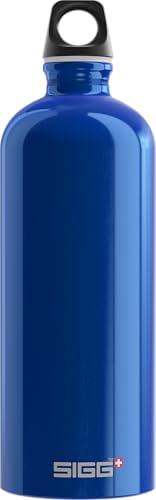


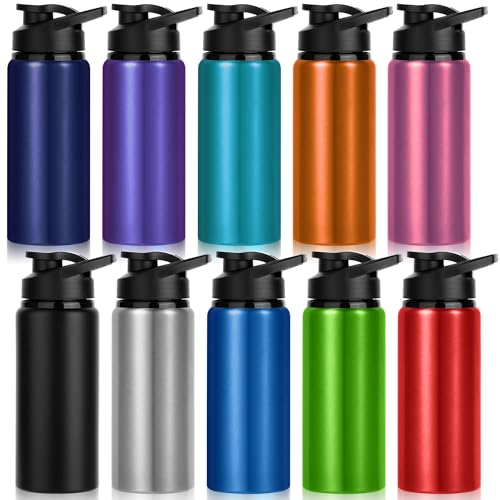

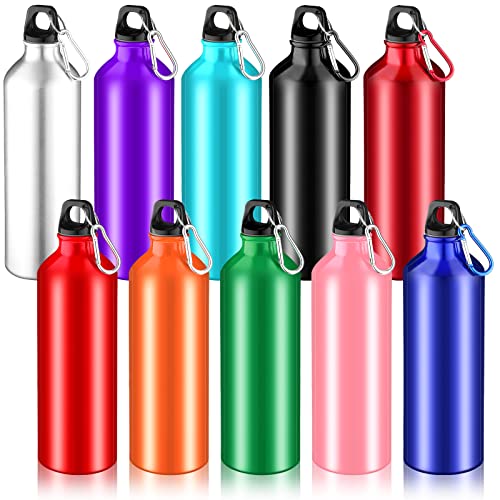
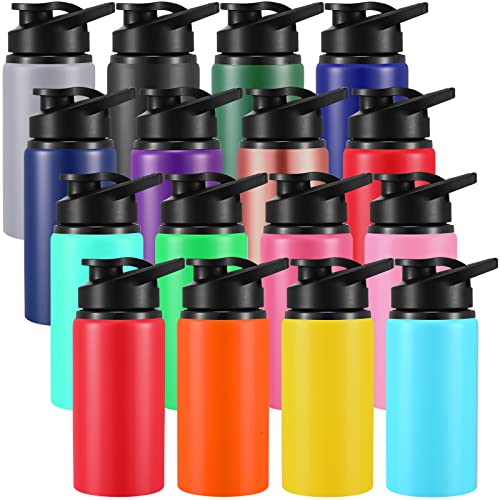


Quick Answer: Which Aluminum Bottle Style Suits Most Homes
Most households do well with a mid size bottle in the 20 to 24 oz range, a wide mouth for easy filling and cleaning, and a simple screw top or flip top cap that seals well. From there, three broad styles cover nearly every need.
- Lightweight single wall bottles suit daily carry, school bags and anyone who wants the lightest load and drinks within a few hours.
- Insulated aluminum bottles suit people who want cold water through a work shift or a long drive and accept extra weight and cost.
- Large capacity bottles suit home desks, shared family use and long days outdoors where refills are hard to find.
Pick the style first, then check size, cap and lining in the checklist below.
Before You Buy: A Quick Checklist for Choosing a Water Bottle
Size: Match It to Your Space
Capacity decides how often you refill and how the bottle feels in your hand and bag. Bottles around 16 to 20 oz fit most cup holders, bike cages and side pockets. The 24 to 32 oz range suits a full workday or gym session, though wider bodies may not fit slimmer cup holders. Bottles of 40 oz and up suit desks and long outings but get heavy when full. Measure your cup holder and bag pocket before you order.
Which Type Fits Your Routine
A single wall aluminum bottle is the lightest and usually the lowest cost option, and it works well when you drink at room temperature or refill often. An insulated model adds a second wall and an air gap or vacuum layer, so cold drinks stay cold far longer, at the price of extra weight and a wider body. If you value a break resistant feel and neutral taste above all, compare our guide to the best glass water bottle before you commit.
Features Worth Paying For and Ones to Skip
A wide mouth is worth it, because you can add ice cubes, fit a bottle brush and see inside when you clean. A carry handle or loop earns its keep on walks and school runs, and a straw cap helps drivers and kids drink without tilting the bottle. Skip smart sensors, fruit infusers and app links on a basic bottle, since they add cost and parts to clean without changing how the water tastes.
Linings, Coatings and Material Safety
Almost every aluminum drinking bottle has an inner lining, because bare aluminum can react with acidic drinks and pick up a metallic taste. Look for a description that states the lining is food grade and BPA free, and check that the maker says the bottle is lead free and cadmium free in its paints and coatings. If a listing is vague about its lining, choose a clearer one, since you will drink from this surface every day.
Dishwasher and Heat Safety
Many aluminum bottles are hand wash only, and the reason is the finish and lining rather than the metal itself. Hot dishwasher cycles and strong detergents can dull outer coatings, fade printed markers and stress the inner lining, so check the care label before the first wash. Aluminum conducts heat quickly, which means it never belongs in a microwave or an oven. Cold and room temperature drinks are where this material performs best.
Singles, Pairs and Family Sets
Think about how many regular users you are buying for before you choose a pack size. A single bottle suits one commuter, while pairs and small sets let each child or partner have a distinct color, which cuts down on mix ups during cold season. Check whether the same model is sold on its own later, often listed as open stock, so a lost bottle can be replaced without starting over. Try one bottle first, since a large set in a size nobody likes is false economy.
Realistic Budget Ranges
Under $20 usually buys a simple single wall bottle with a basic screw cap, which is plenty for school, short walks and a backup bottle in the car. Spending about $20 to $35 tends to add insulation, a better sealing cap or a straw lid, plus a tougher outer finish. At about $35 to $50 you are paying for large capacity, stronger insulation and details like a protective boot or an extra cap.
Three Aluminum Bottle Types Compared
Lightweight Single Wall Bottles for Daily Carry
This is the type most people picture, a slim aluminum body with one wall and a simple cap. It weighs very little even when full, slides into bike cages and bag pockets, and usually costs the least of the three types. The trade off is temperature, since drinks warm at roughly the speed of the air around the bottle, and the outside can sweat in humid weather. Choose this type if you refill often, drink mostly plain water and value a light bag over ice cold sips late in the day.
Insulated Aluminum Bottles for Cold Drinks
Insulated models wrap the inner wall in a second layer that slows heat transfer, so a morning fill with ice can still taste cold by the afternoon. They suit desks, long drives and outdoor work. Expect a wider body, a higher price and a bit more weight. The cap matters more here, because a thin or poorly sealed cap lets heat in at the top and quietly undoes the insulation you paid for.
Large Capacity Bottles for Home and Shared Use
Bottles of 40 oz and up shine where refills are rare, at a home desk, on a sideline, in a workshop or on a long hike between water stops. A sturdy handle matters at this size. The downside is portability, since these rarely fit cup holders and can strain a light bag.
The Criteria That Matter Most
Judge any aluminum bottle against the same short list, drawn from maker specifications and the care instructions printed for each model. Weight when empty tells you how it will feel in a bag, stated capacity should be checked against the space you measured, and lining and coating claims should be written plainly rather than implied. Cap design deserves equal weight, since sealing, drinking comfort and cleaning all run through the cap. Judge value over the whole life of the bottle, including spare cap availability, not by shelf price alone.
What We Like and What We Do Not Like About Aluminum
The strengths are easy to feel in daily use. Aluminum bottles are light for their size, tough enough for school bags and gym kits, and they resist the cracks that end the life of many hard plastic bottles. They chill quickly in the fridge, they rarely hold flavors from yesterday the way some plastics can, and most have a clean look that suits a kitchen counter.
The weak points are just as real. Aluminum dents when it drops on concrete, and a dent near the base can make a bottle wobble on a desk. Single wall models offer almost no insulation, and even insulated versions often trail the cold retention of heavier rivals, which is worth weighing in our guide to the best stainless steel water bottle if all day cold matters most. None of these flaws is a deal breaker, but they should shape which type you pick.
Common Buying Mistakes to Avoid
- Buying the largest size for daily carry, then leaving it at home because a full bottle makes your bag too heavy.
- Ignoring cup holder and bag pocket measurements, so the bottle never travels where you planned to use it.
- Choosing a narrow mouth to save a little money, then struggling to add ice or clean the inside properly.
- Assuming every aluminum bottle is dishwasher safe, and ruining the finish and lining in the first few washes.
- Paying for extras like infusers and smart caps that add cleaning work without improving daily drinking.
- Forgetting to check that spare caps and gaskets are sold, so one worn seal ends the life of a sound bottle.
Cost of Ownership and Care
The purchase price is only the start, though aluminum keeps running costs low. Plan on replacing caps and silicone gaskets now and then, usually for a few dollars, and factor in a slim bottle brush if your bottle has a narrow neck. Daily care is simple, rinse after use, wash with warm water and mild soap, and let the bottle dry with the cap off so no stale smell builds up. Our step by step guide on how to clean a water bottle covers deep cleaning for stubborn odors. Store bottles uncapped in a dry cabinet, out of the freezer.
Your Questions, Answered
Is an aluminum water bottle a good choice for kids and school bags?
Yes, for most kids it is one of the better options, mainly because a 16 to 20 oz aluminum bottle stays light even when full, so it adds less strain to a loaded school bag. Pick a cap your child can open without help, such as a flip top or straw lid, and test it over a sink before the first school day.
Why does water sometimes taste metallic in an aluminum bottle?
A metallic taste usually means drinks are reaching the metal itself, either because the inner lining has worn thin or because a highly acidic drink such as citrus juice sat in the bottle for hours. Plain water in a sound lined bottle should taste neutral. If the flavor persists in plain water, the lining may be failing, and that bottle is better retired than scrubbed harder.
Can you put hot drinks in an aluminum water bottle?
You can, but it is rarely comfortable or wise. Aluminum passes heat to the outer wall quickly, so a single wall bottle filled with hot tea can become too hot to hold and can burn lips at a metal rim. If hot drinks are a daily habit, keep aluminum for cold water and pick a different material for that job.
How long does an aluminum water bottle last before it needs replacing?
The metal body can last for many years, so the lining and cap usually set the real limit. Replace the bottle when the inner surface shows peeling, bubbling or bare patches, when a dent cracks the lining, or when the cap seal leaks even with a fresh gasket. A bottle that only looks scuffed outside is fine to keep.
Is an aluminum water bottle a smart pick for travel and hiking?
It is a strong pick when weight matters, since an aluminum bottle adds less to a pack than most rivals of the same capacity, which you feel over a long trail or a full day of sightseeing. Empty it before airport security and refill after, and pick a cap that seals firmly for bags that get jostled. For more packing ideas, see our guide to the best water bottle for travel.
Final Thoughts
Start with your routine, not with a feature list. Light single wall bottles suit daily carry and school bags, insulated models suit long shifts and drives, and large bottles suit desks and shared family use. Check the size against your cup holder, insist on a clearly stated food grade lining, and make sure spare caps are easy to buy. Kept in that order, the best aluminum water bottle for your home is the one that fits your day so well you stop thinking about it. The product table above pulls the main types together, and our notes on what to look for when buying a water bottle can settle any last doubts.